


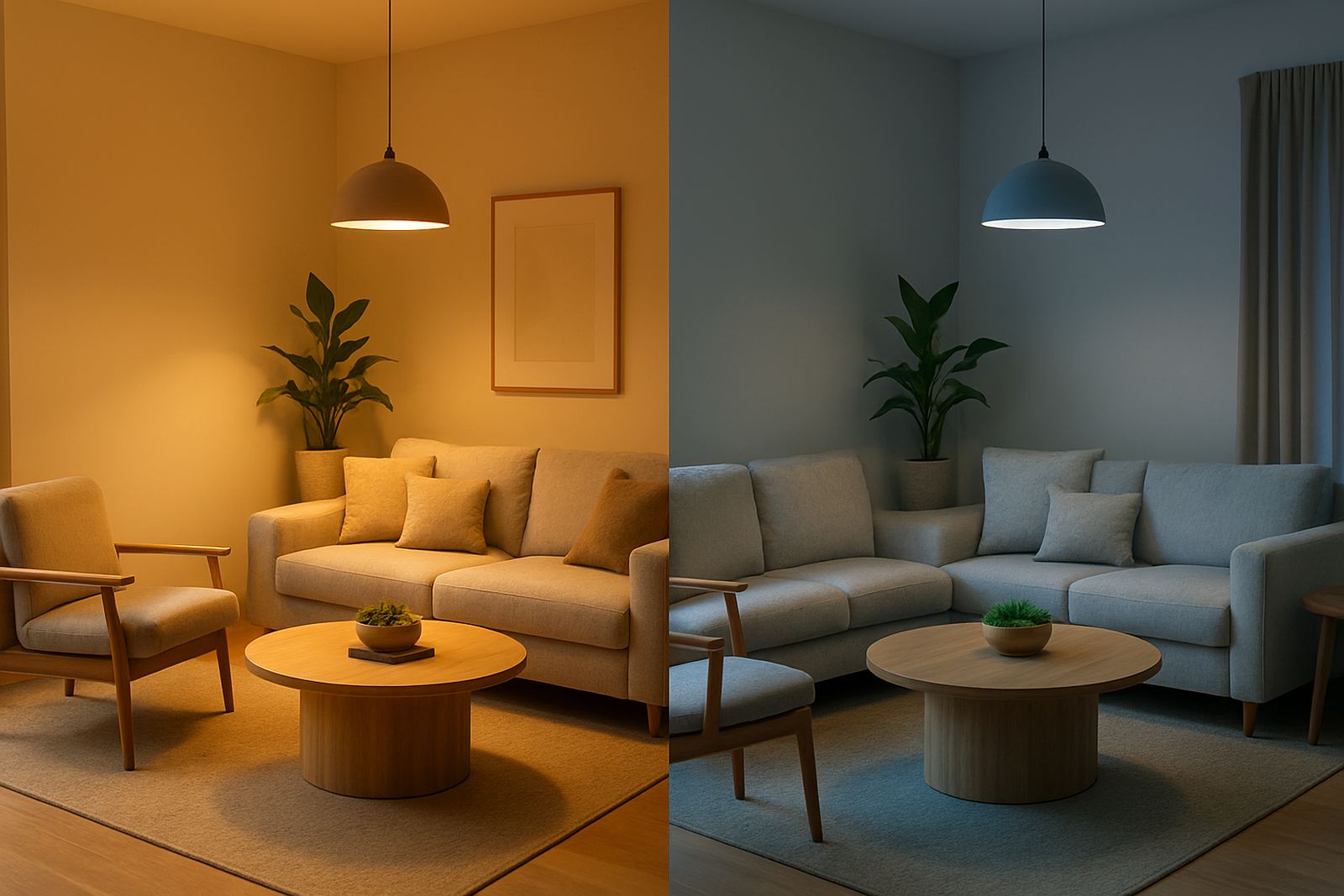
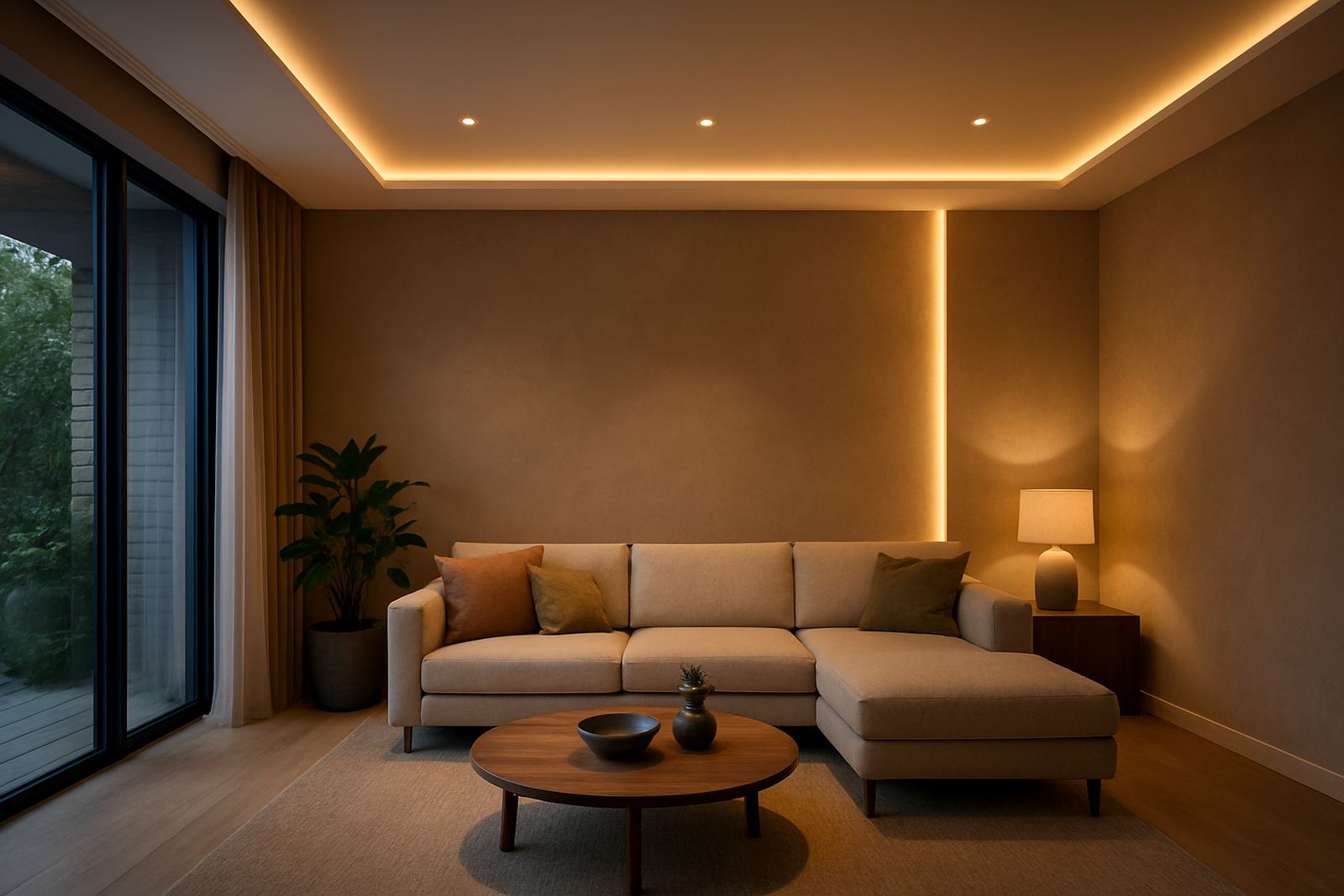
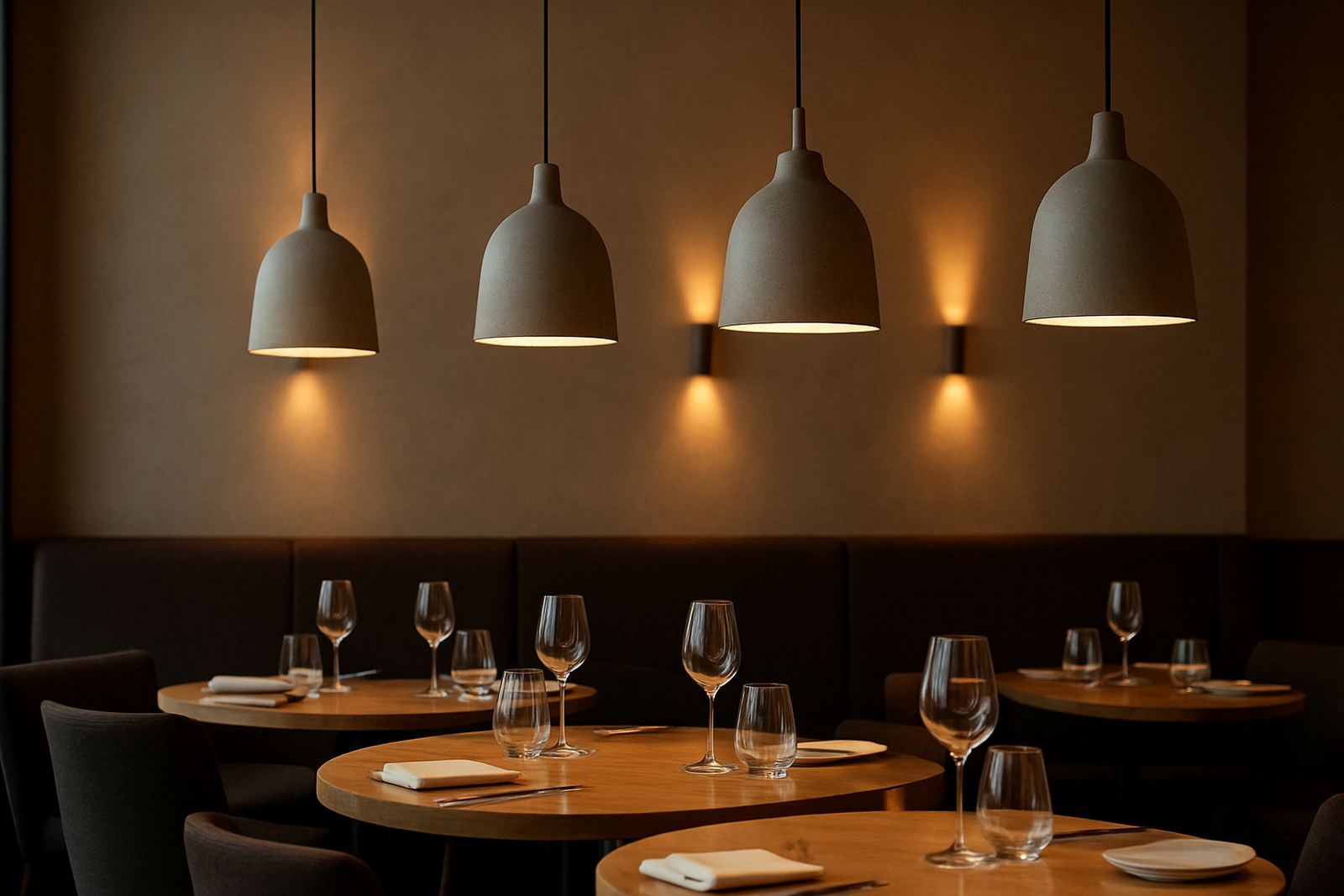
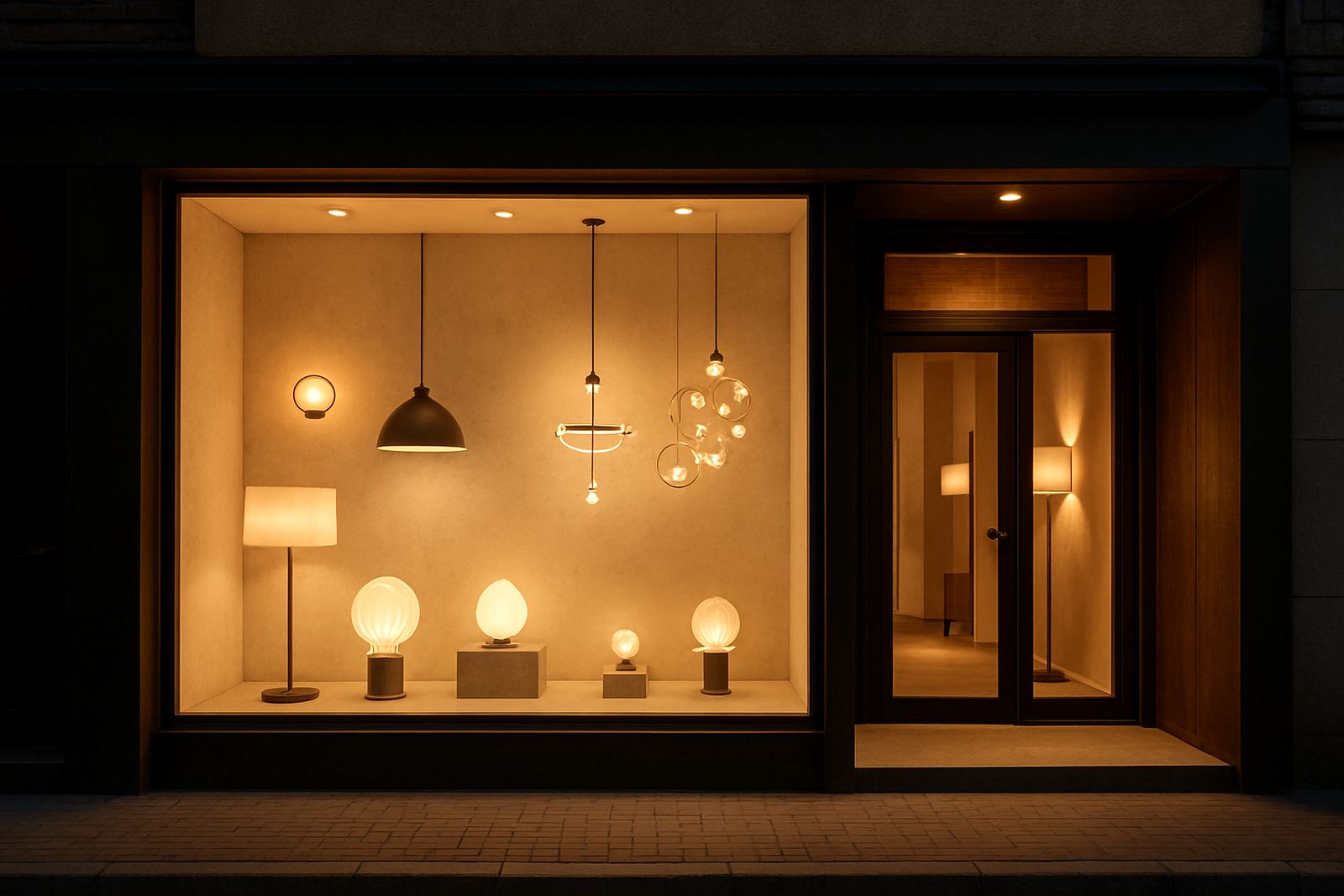
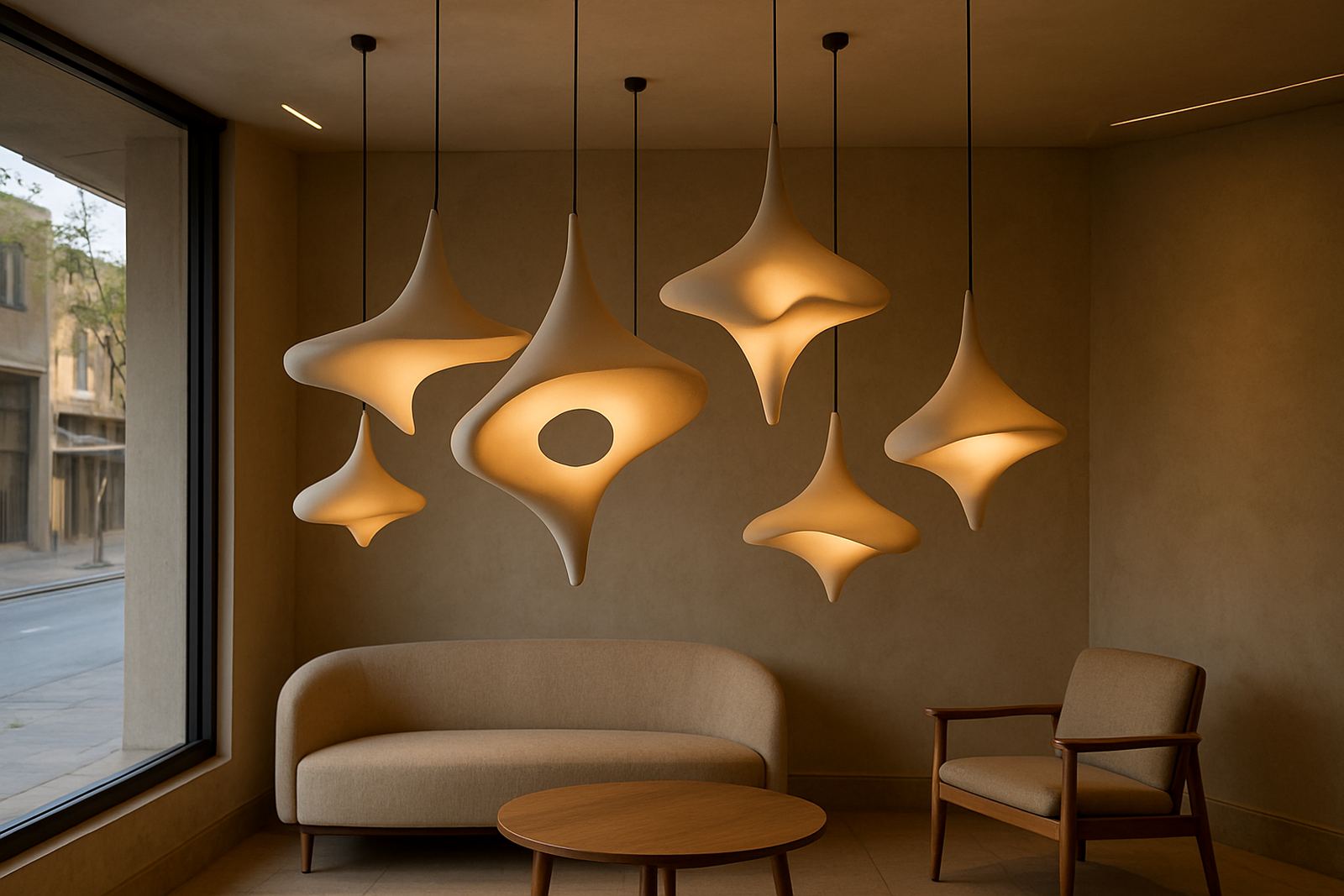



What the Light Journal covers
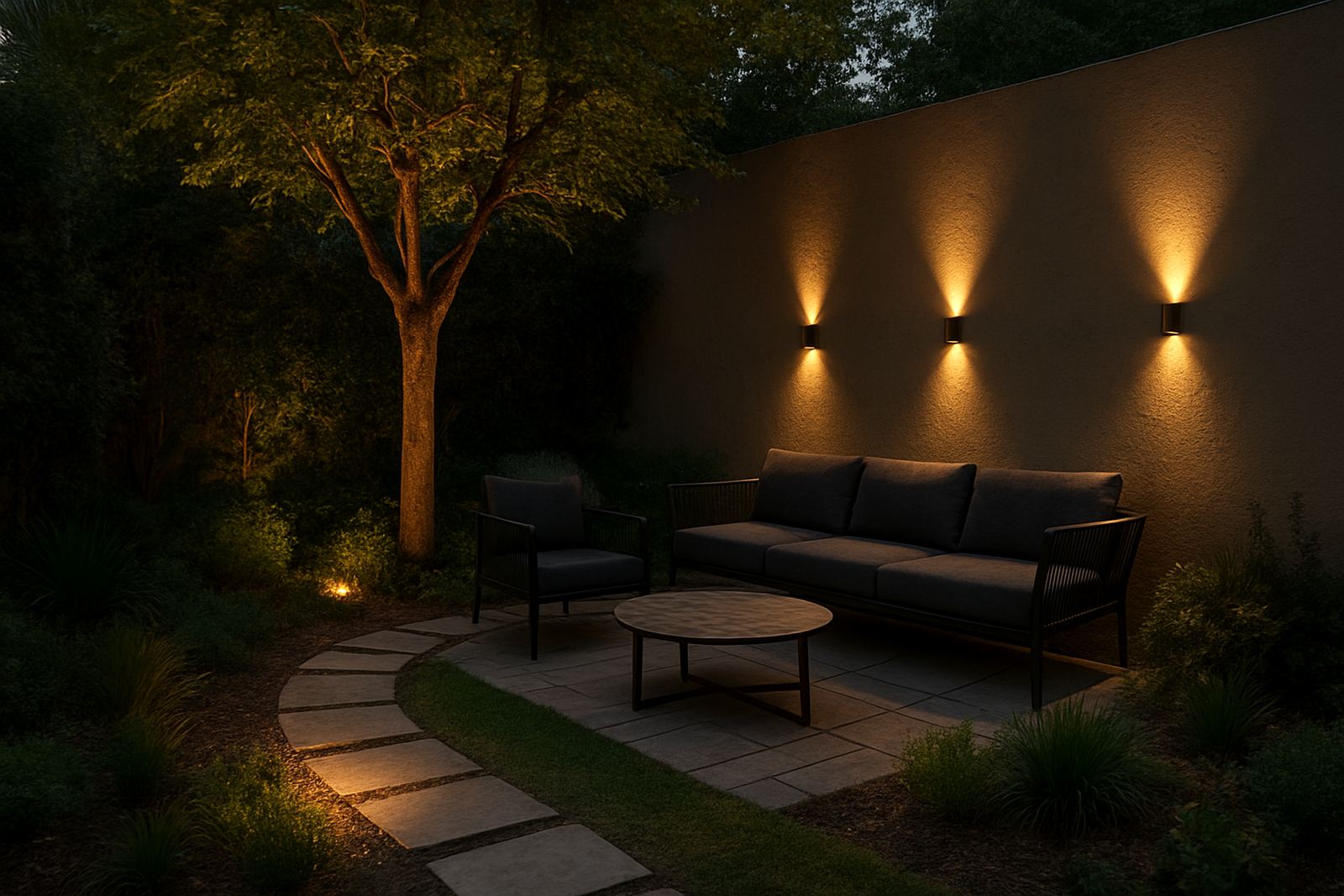
The Light Journal brings together short reads on lighting choices, design thinking and on-site lessons from projects in Johannesburg, Pretoria, Cape Town, Durban and Umhlanga. Some articles focus on first impressions at a shopfront, while others look at comfort in dining spaces or how lighting changes the way a home feels after dark.
If you are not sure where to begin, start with the topic that matches your space and the problem you need to solve. One article may help with glow and mood, another with fixture spacing or maintenance in coastal air. The goal is simple: give you clearer direction before drawings, product selection or installation work begins.
How to choose the right article
Not every space needs the same kind of light and not every project starts at the same stage. A new restaurant fit-out in Rosebank will need different thinking from a retail frontage in Sandton or a family home in Midrand. Use the topic and article title to find the angle that matches your project.
- Choose design-led articles if you are still shaping the look and feel of the space.
- Choose technical notes if you need advice on output, beam spread, glare or control options.
- Choose site-based articles if you are comparing conditions such as load-shedding, humidity, ceiling height or maintenance access.
- Choose style articles if you are matching lighting to a brand identity or interior palette.
When you read more than one piece, look for overlap between visual effect and practical performance. Good lighting must work during trading hours, after hours and during those power interruptions that affect so many South African sites.
Lighting ideas for shopfronts and retail spaces
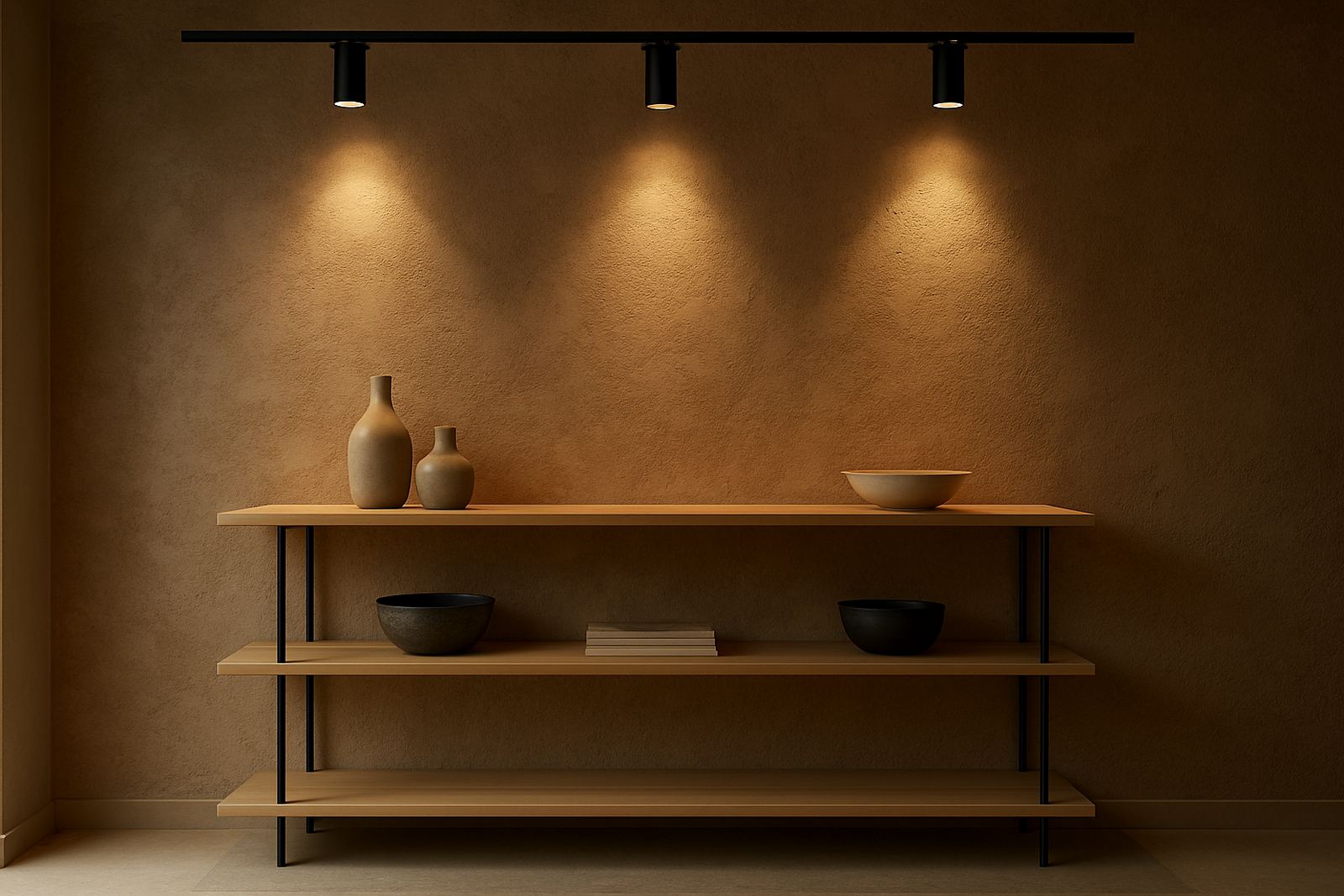
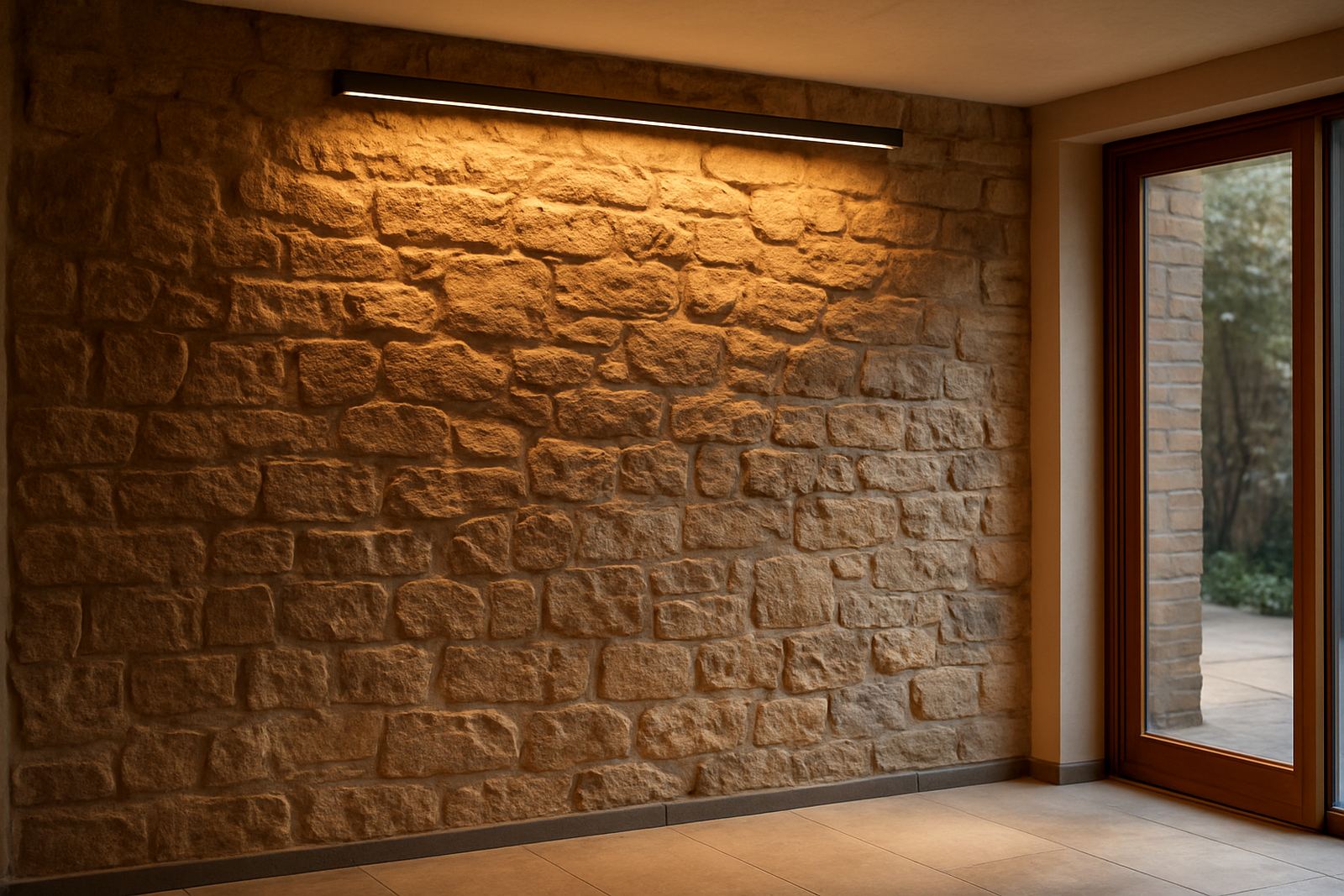
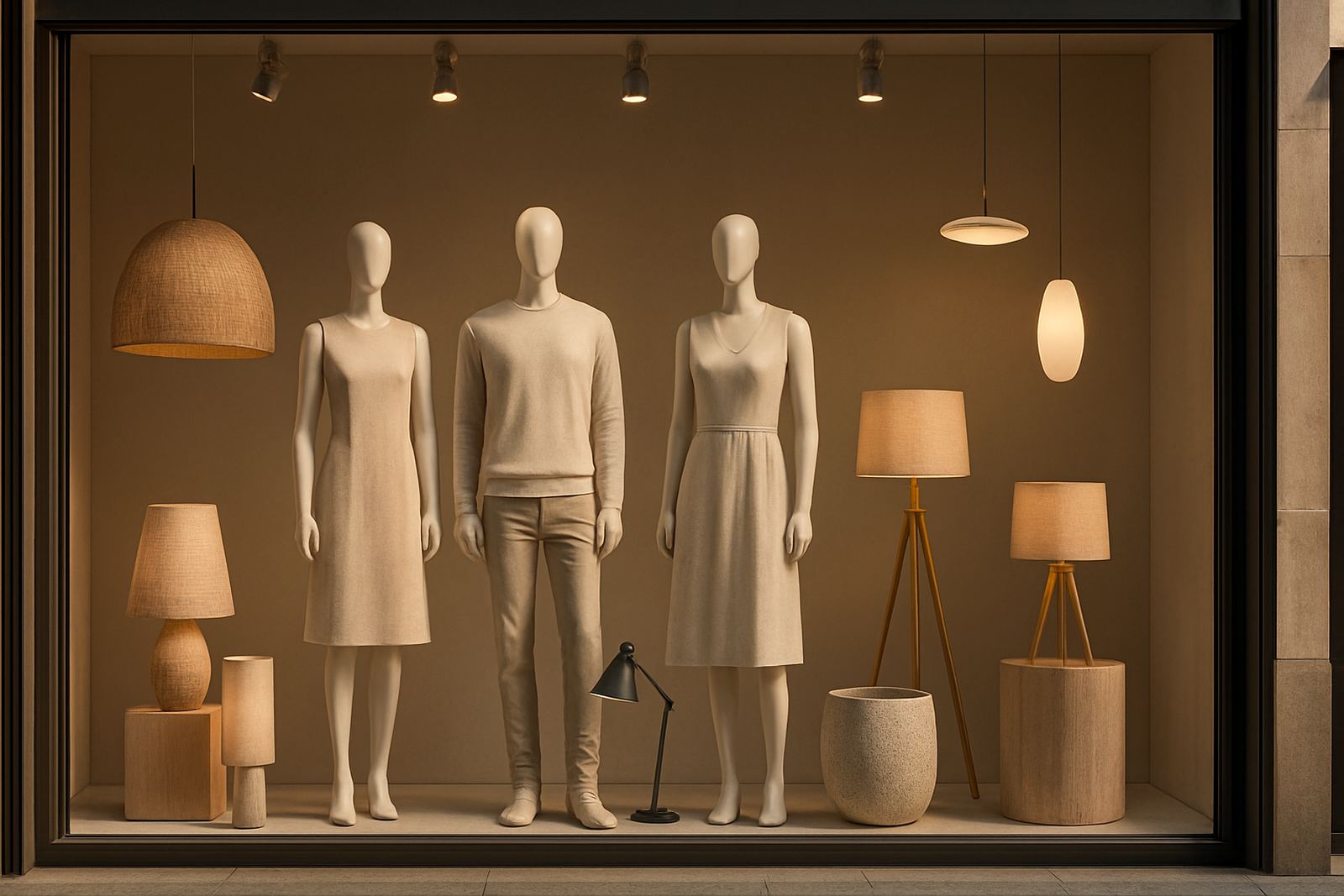
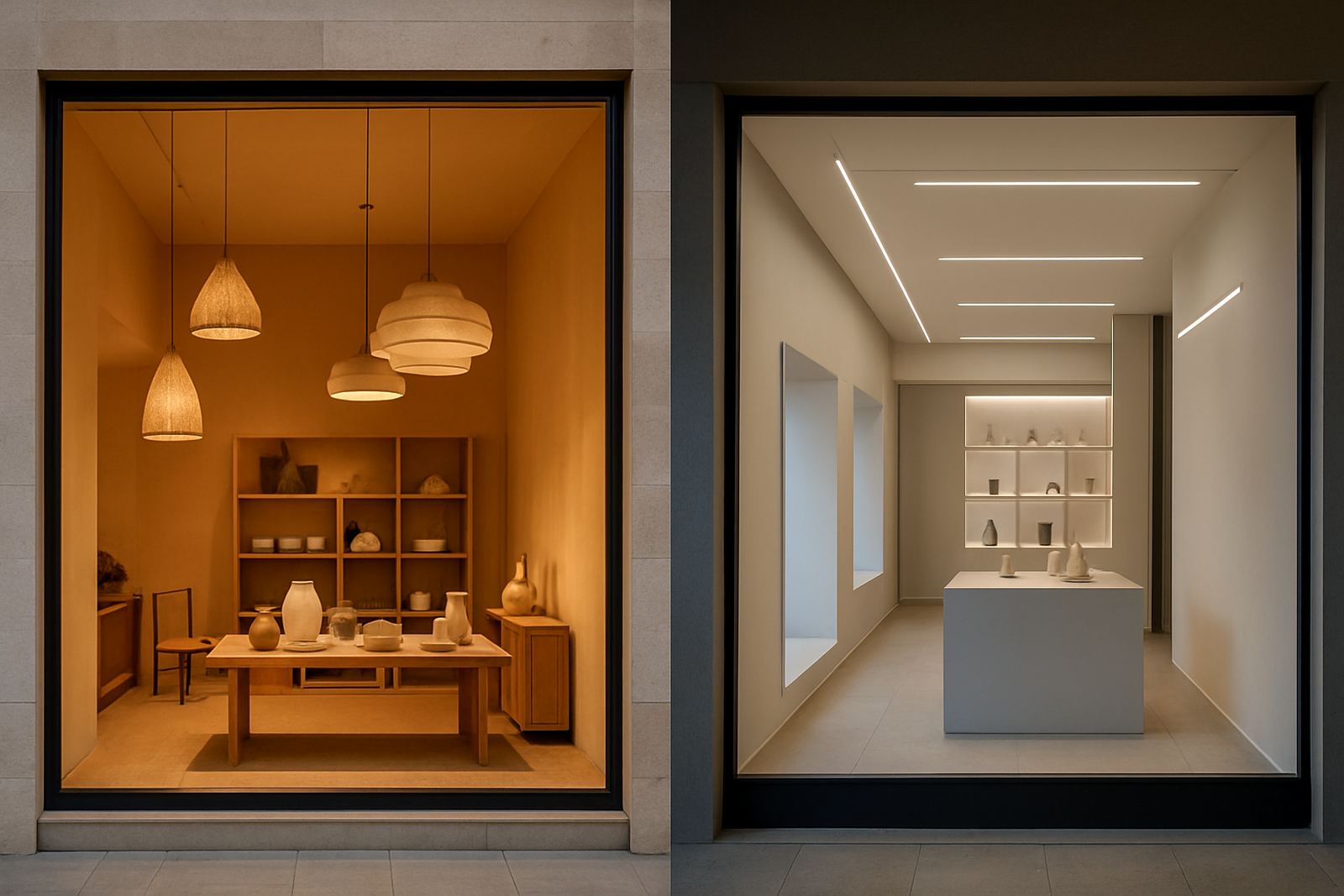
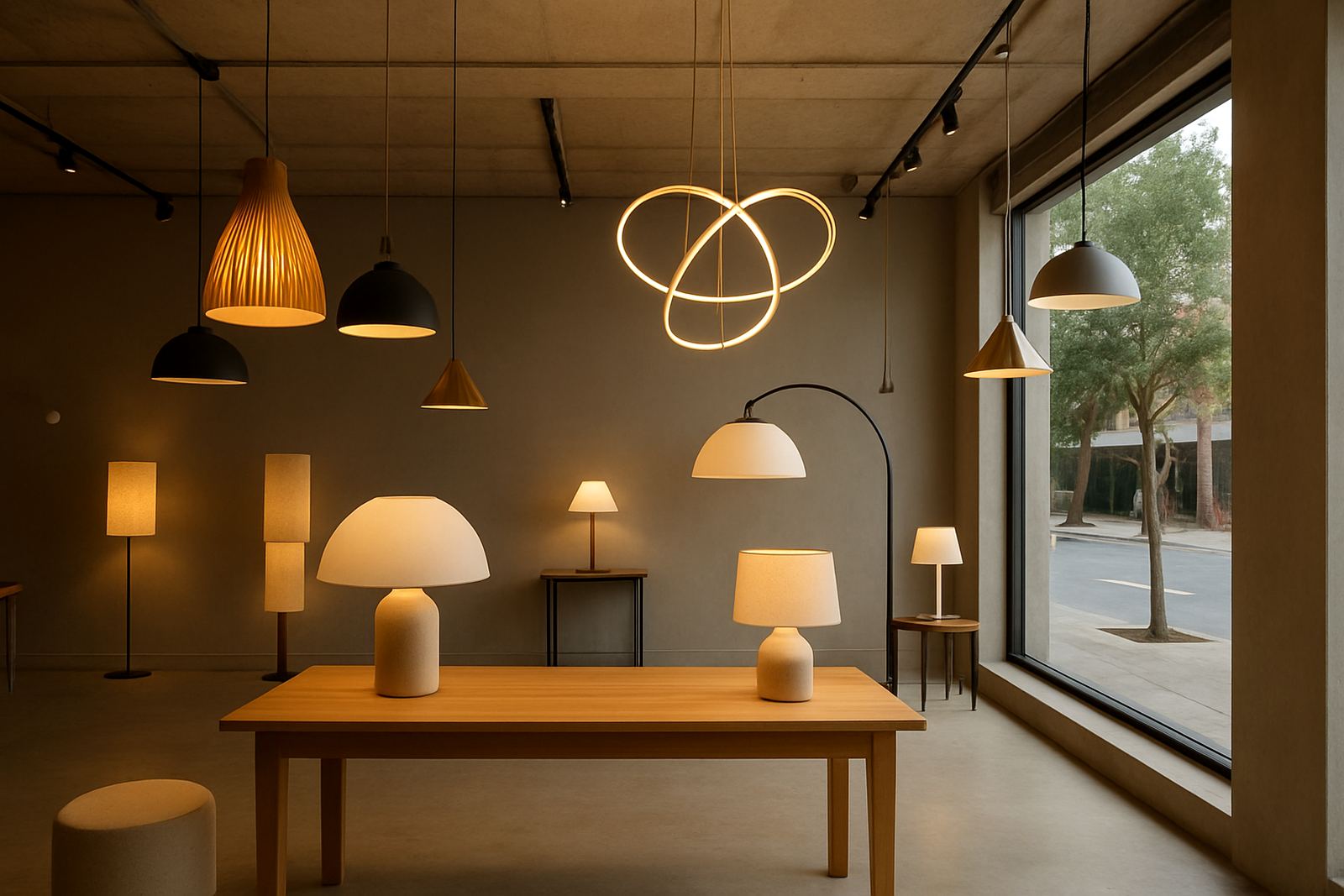
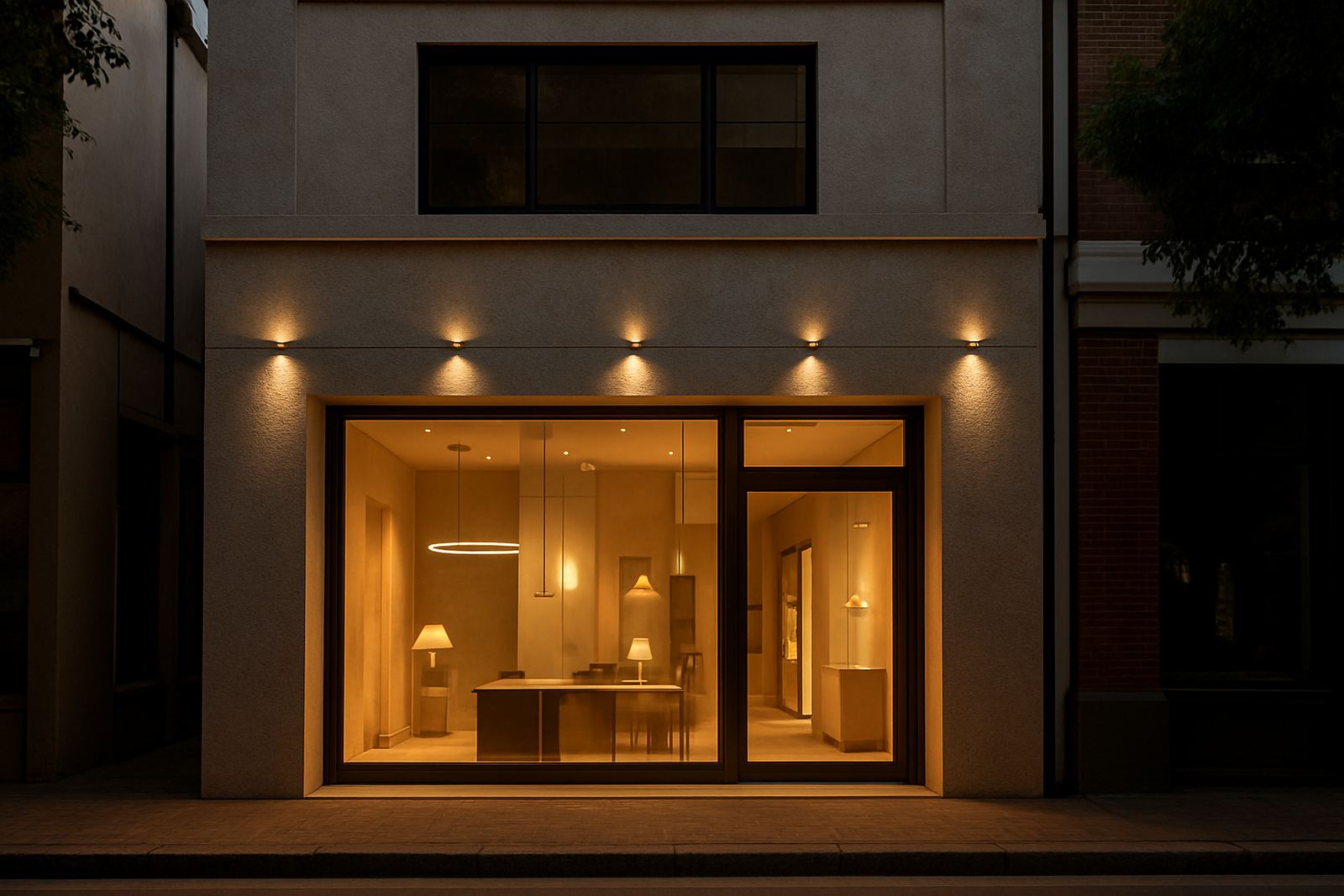
Shopfront lighting needs clear visibility, controlled brightness and a strong night-time presence without causing glare. In busy streets and retail centres, the right mix of accent light and general light can draw attention to windows, signage and entrance points. That is why many articles in this journal talk about contrast, aim and spacing rather than brightness alone.
Retail projects often benefit from small changes that make a large difference. A better beam angle can improve display focus, while a well placed control can help reduce energy use after trading hours. In places with dust, traffic grime or coastal air, maintenance is part of the conversation too.
- Window displays that need stronger visual pull after sunset
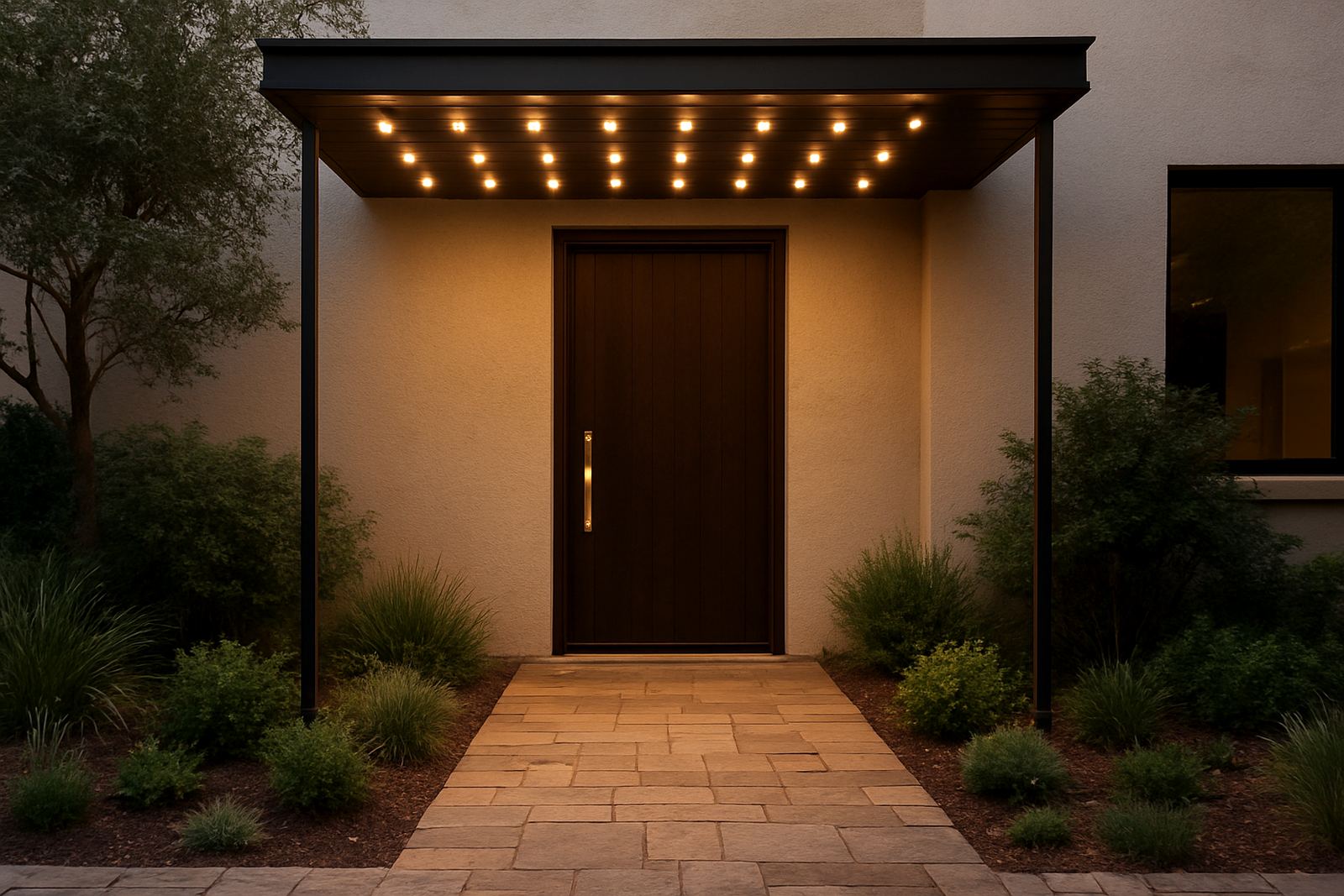
- Entrances that must feel welcoming and easy to read
- Façades that need accent light without spill onto neighbouring properties
- Projects where lighting must support security and trading visibility
Restaurant, home and hospitality reading notes
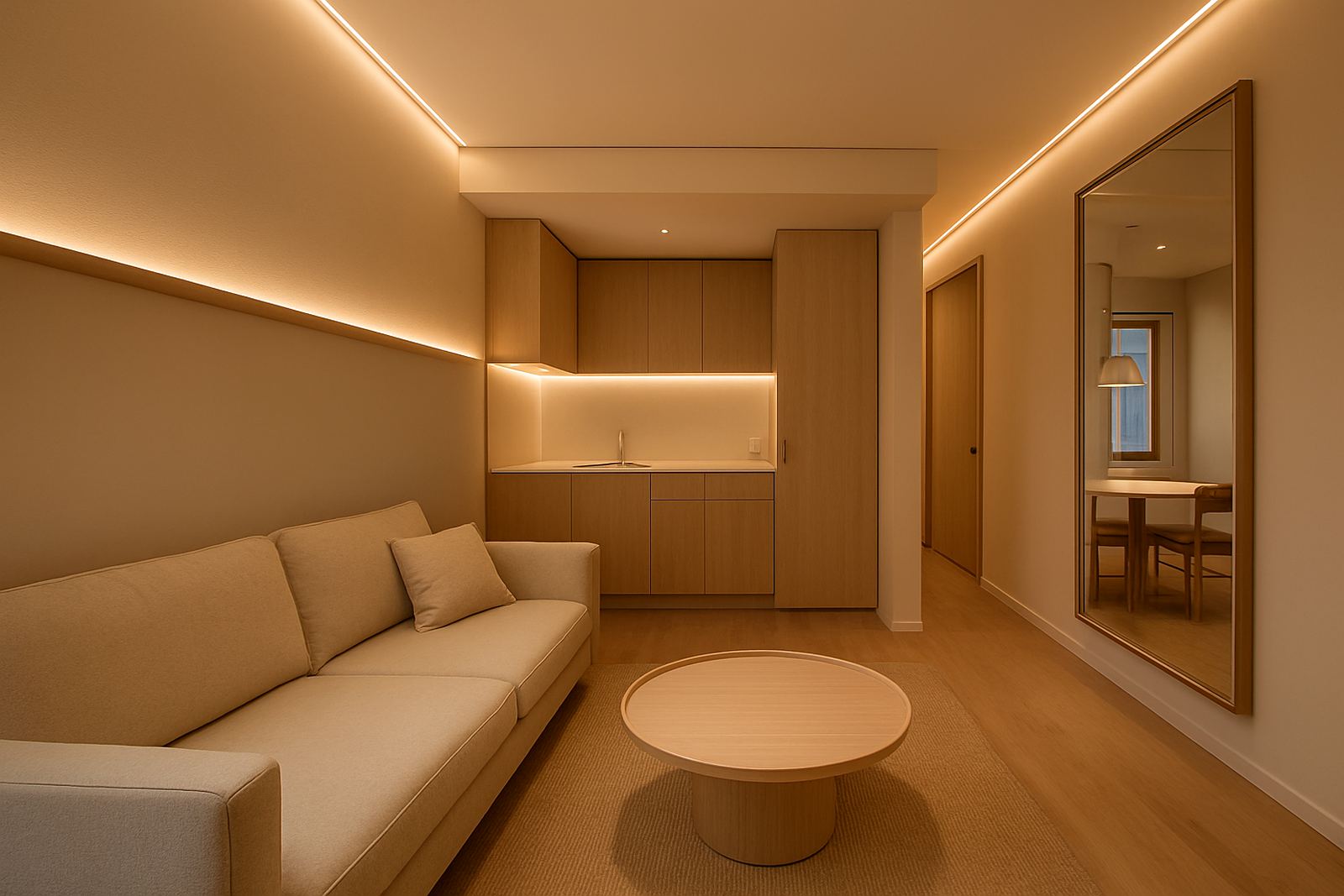
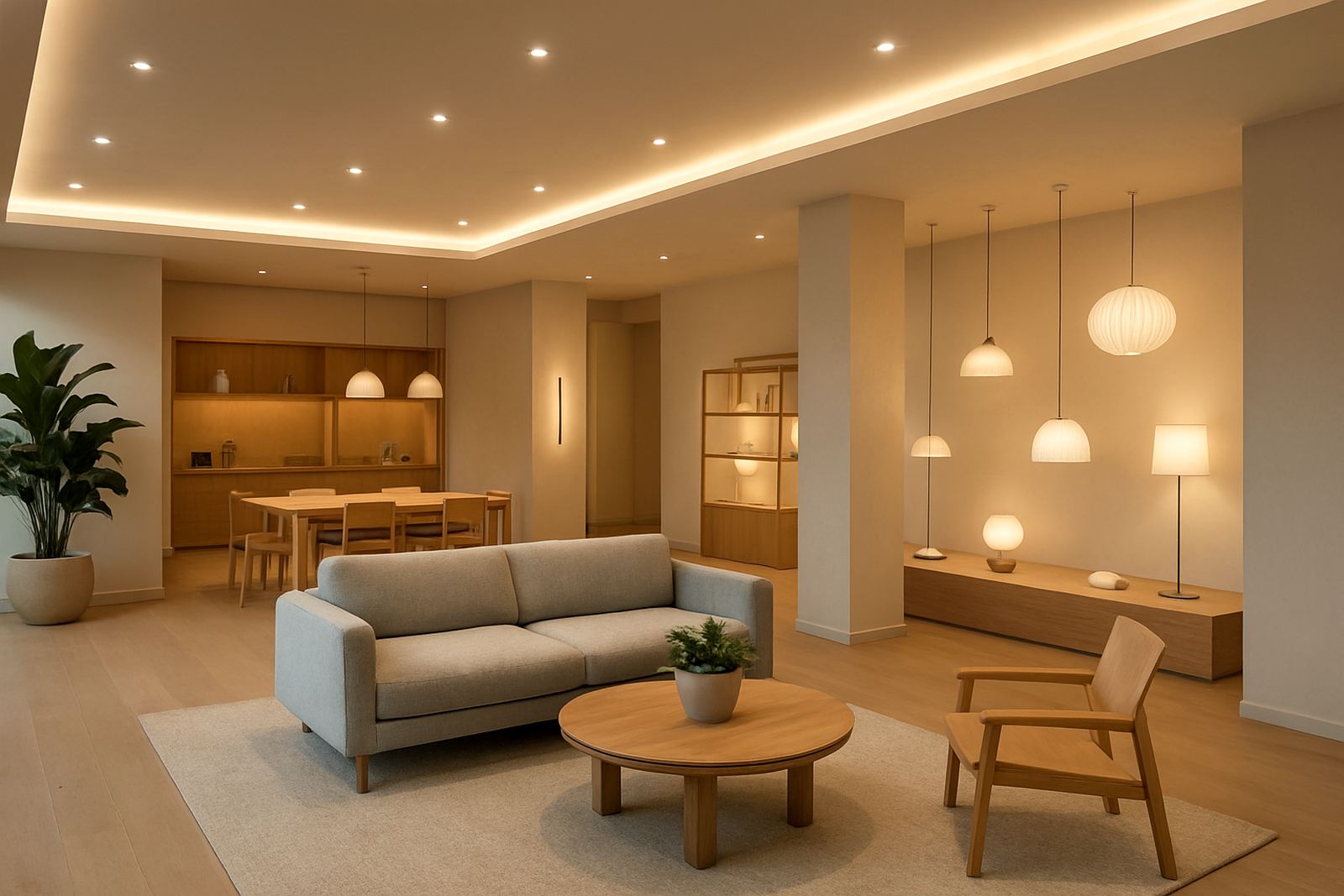
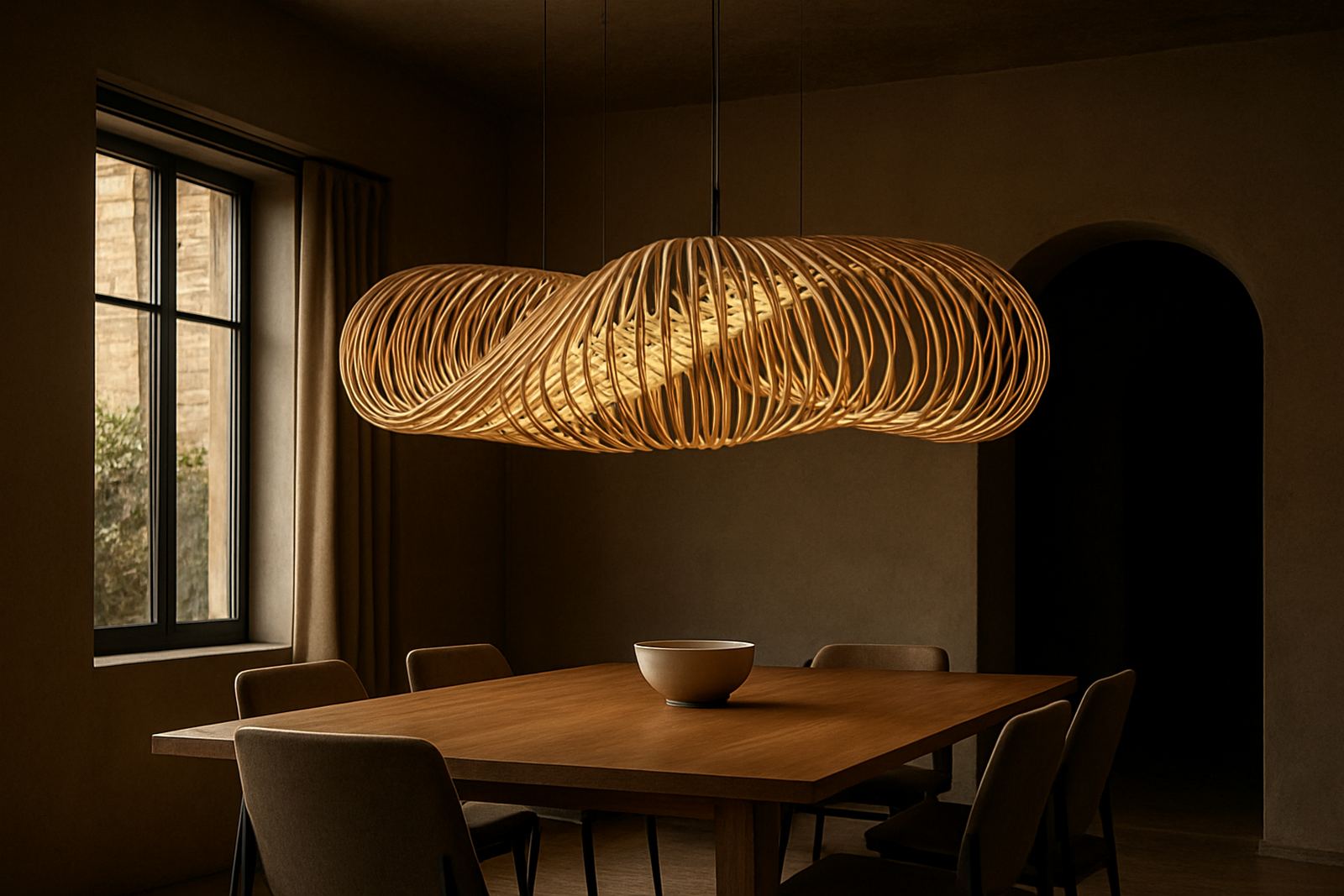
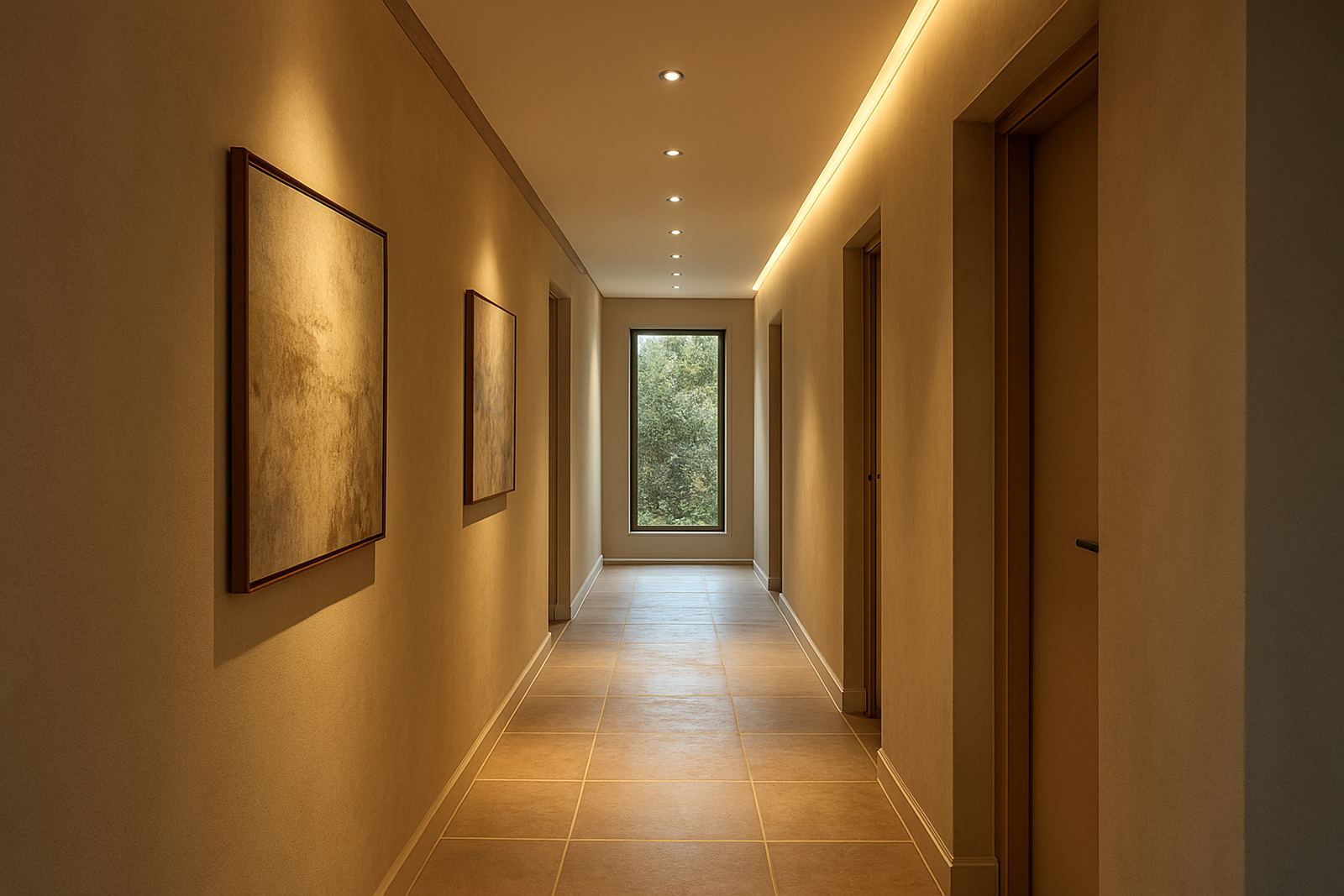
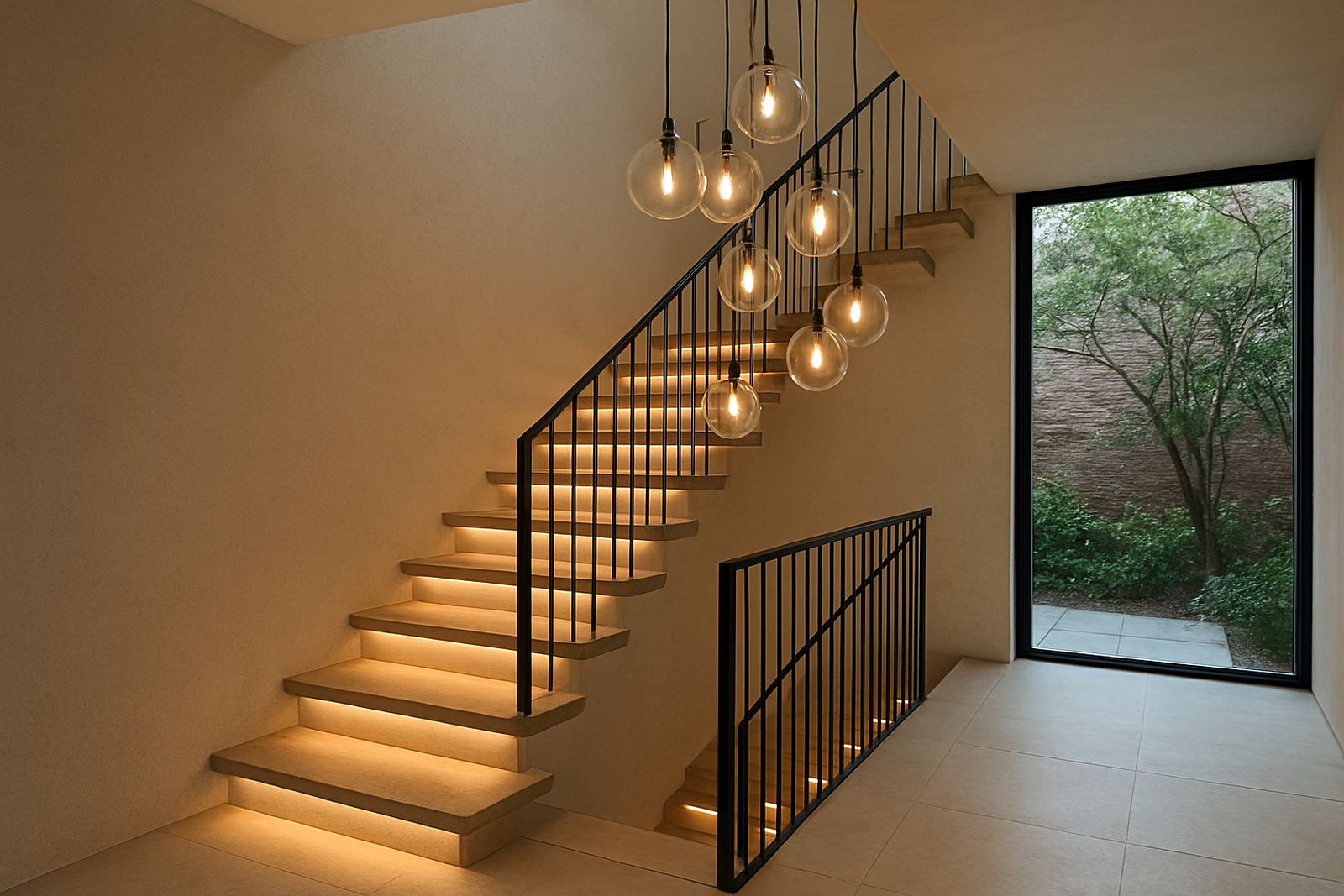
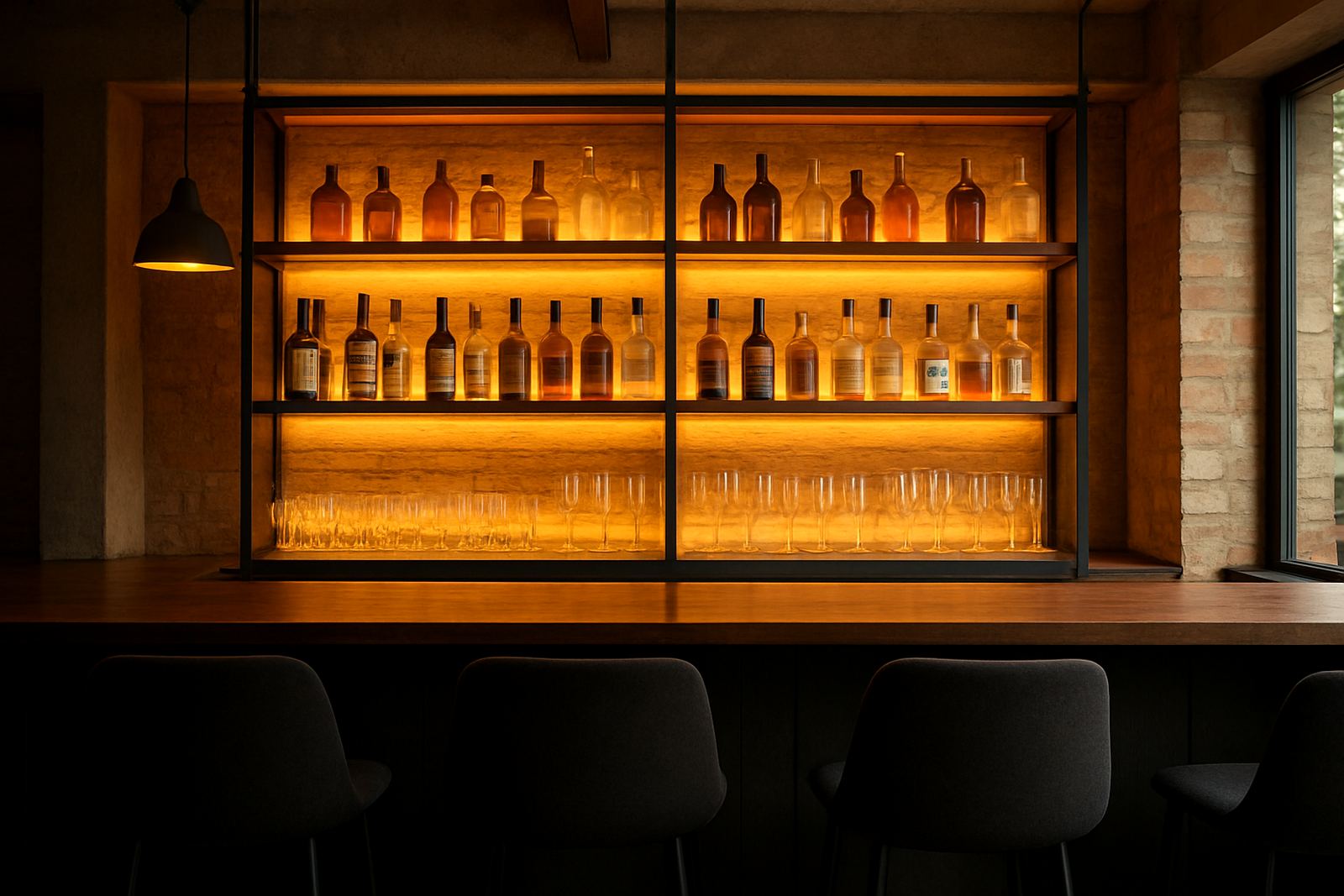
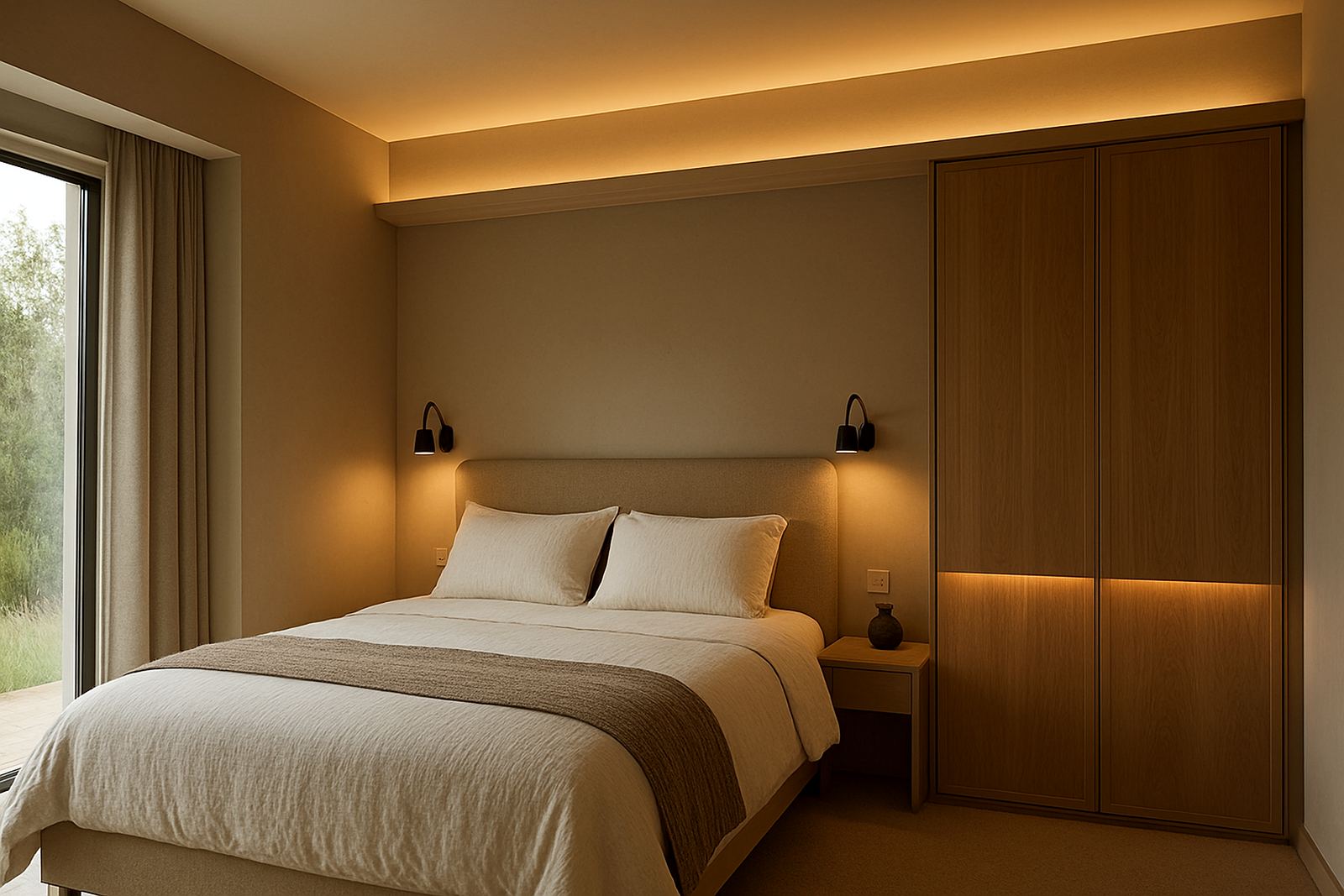
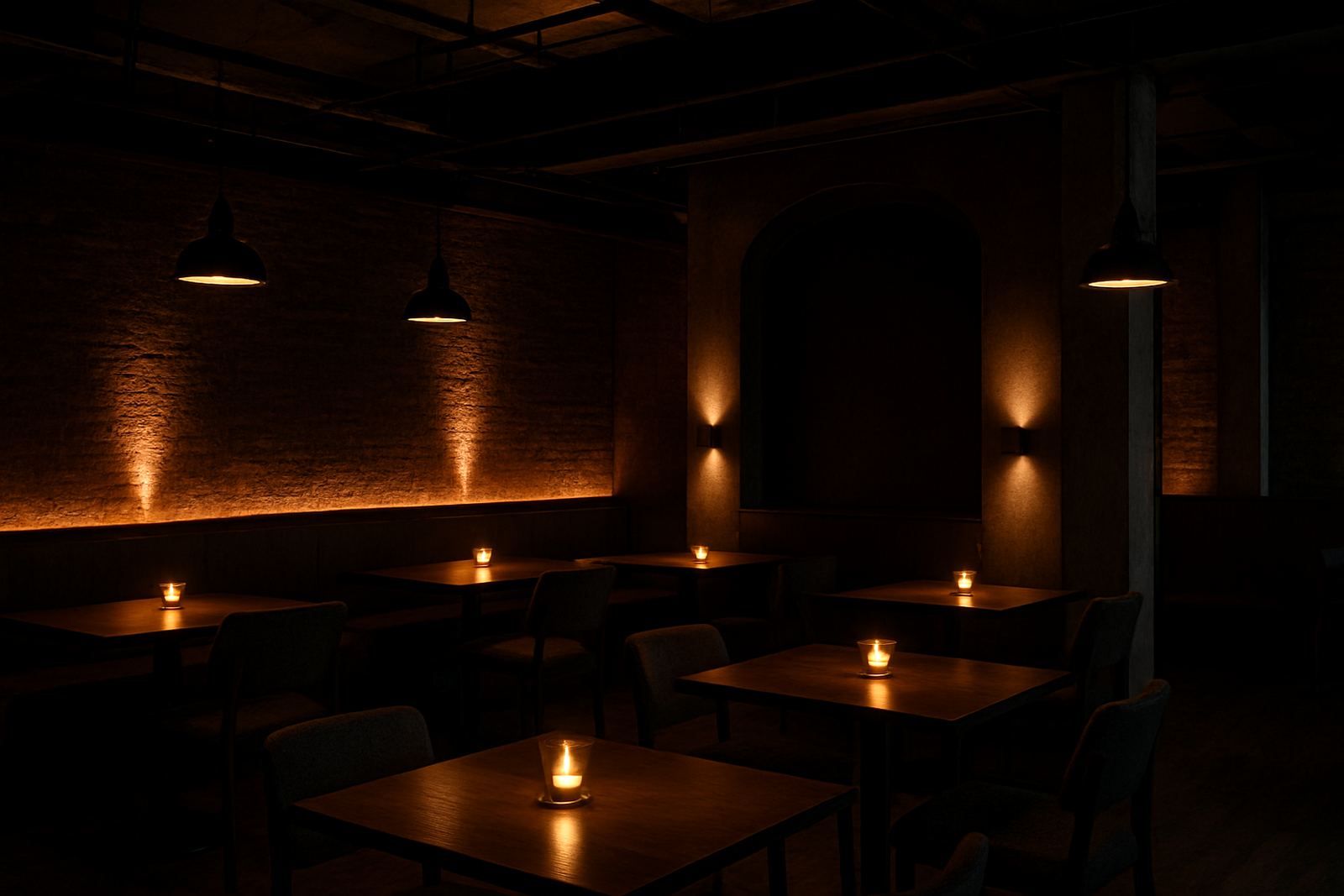
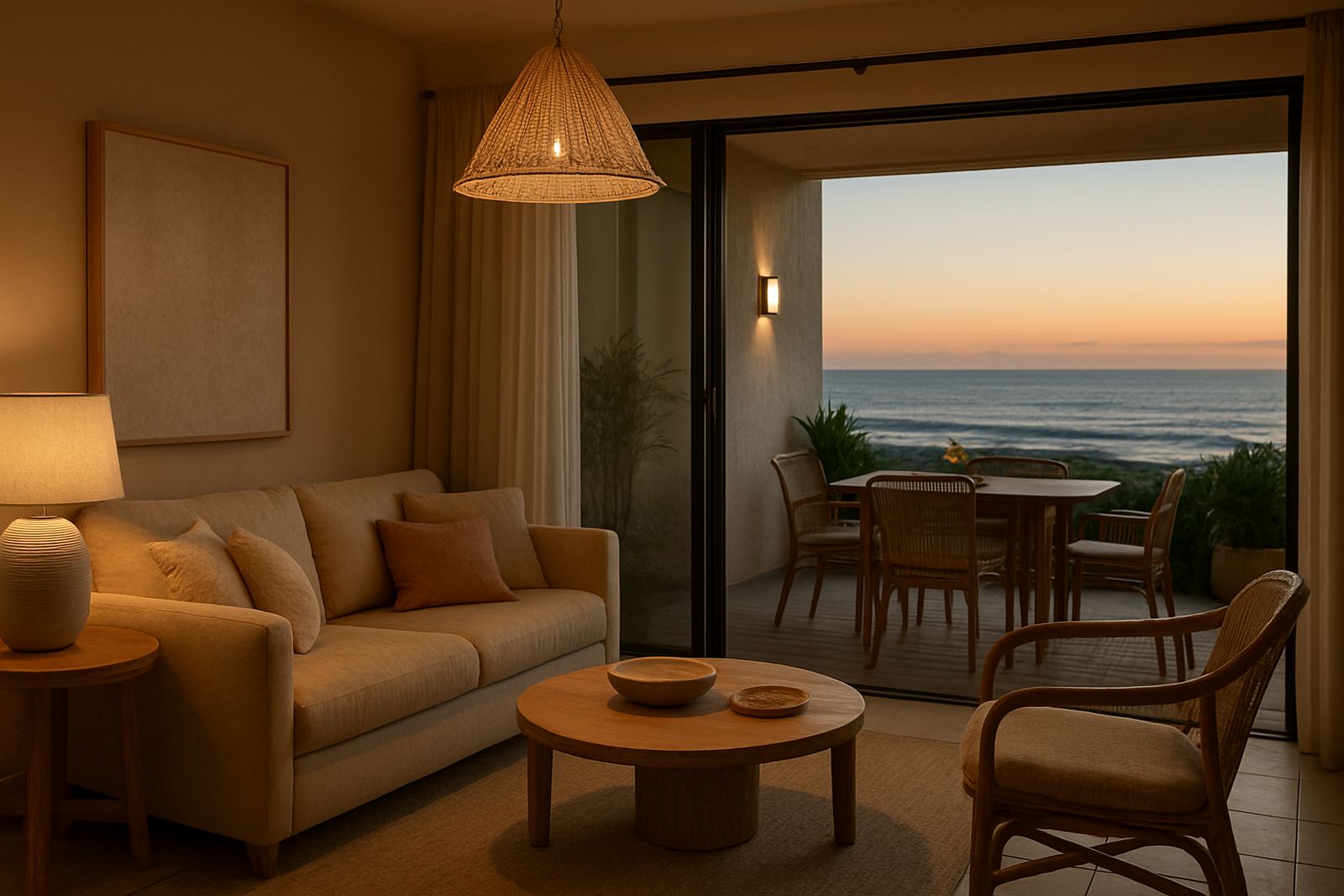
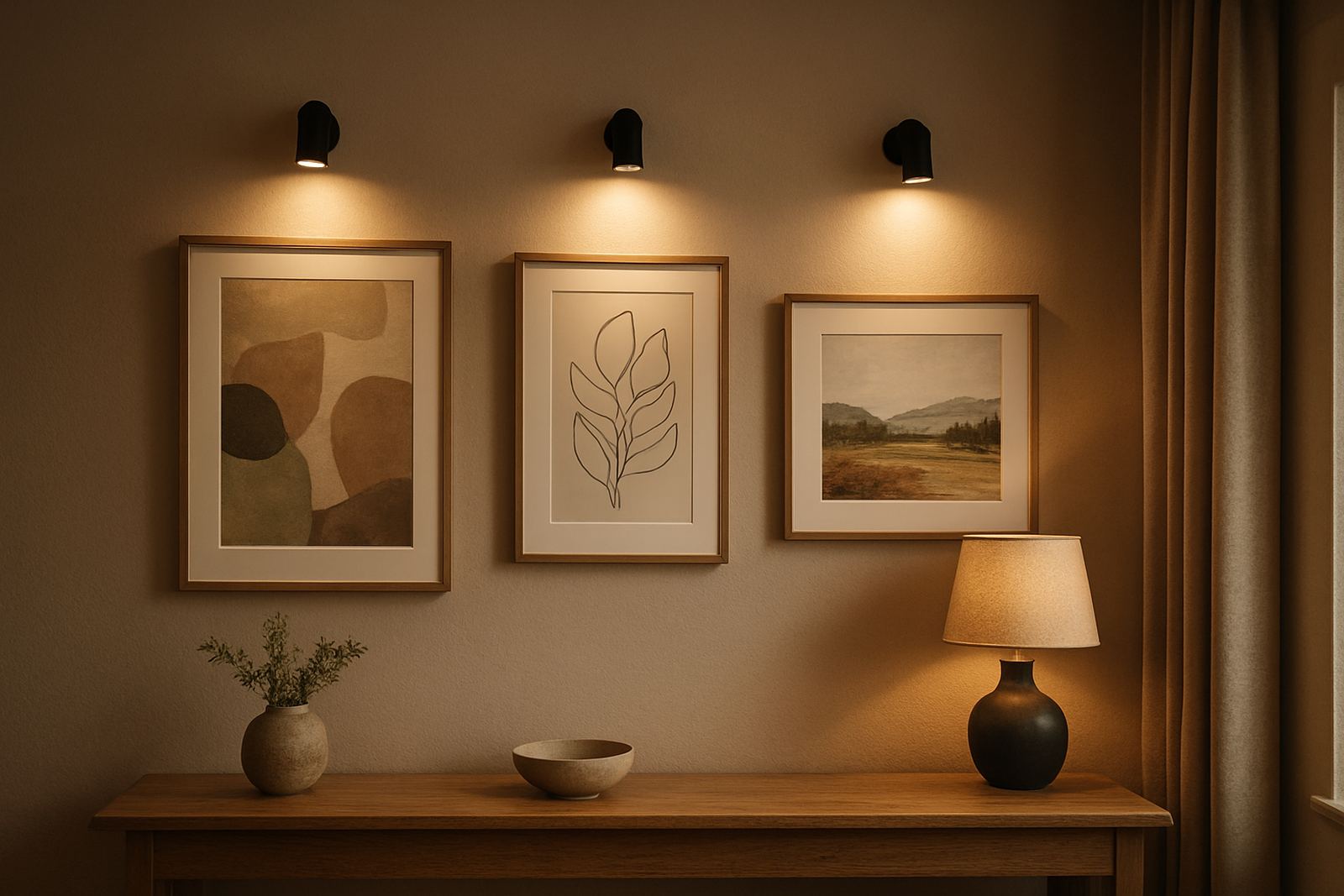
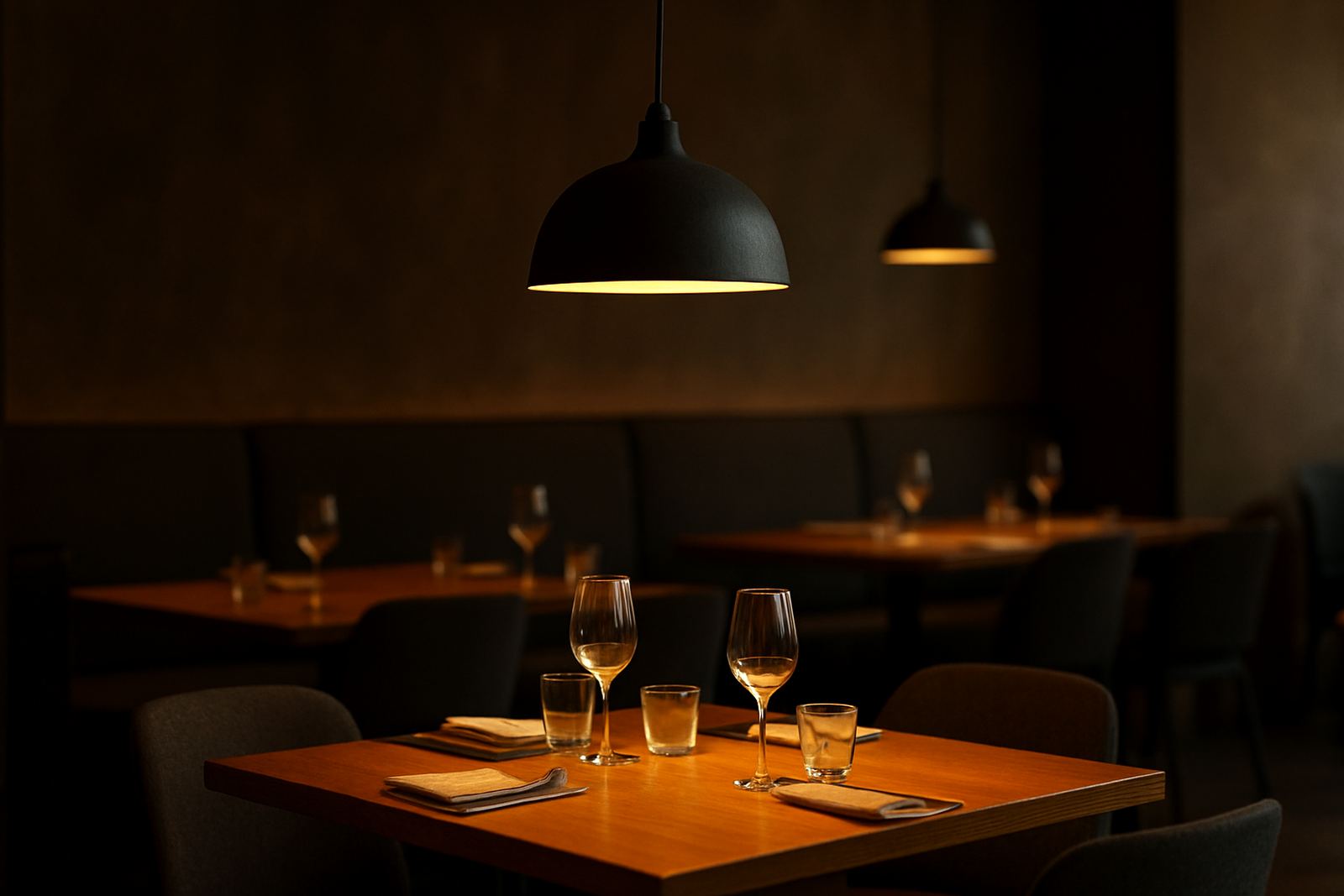
Restaurant lighting is about comfort, rhythm and how people move through a space. Home lighting has a different brief, but the same basic rule applies: the right light should support the room not fight it. Articles in this section look at dining tables, lounges, circulation spaces and feature details that deserve attention without becoming overdone.
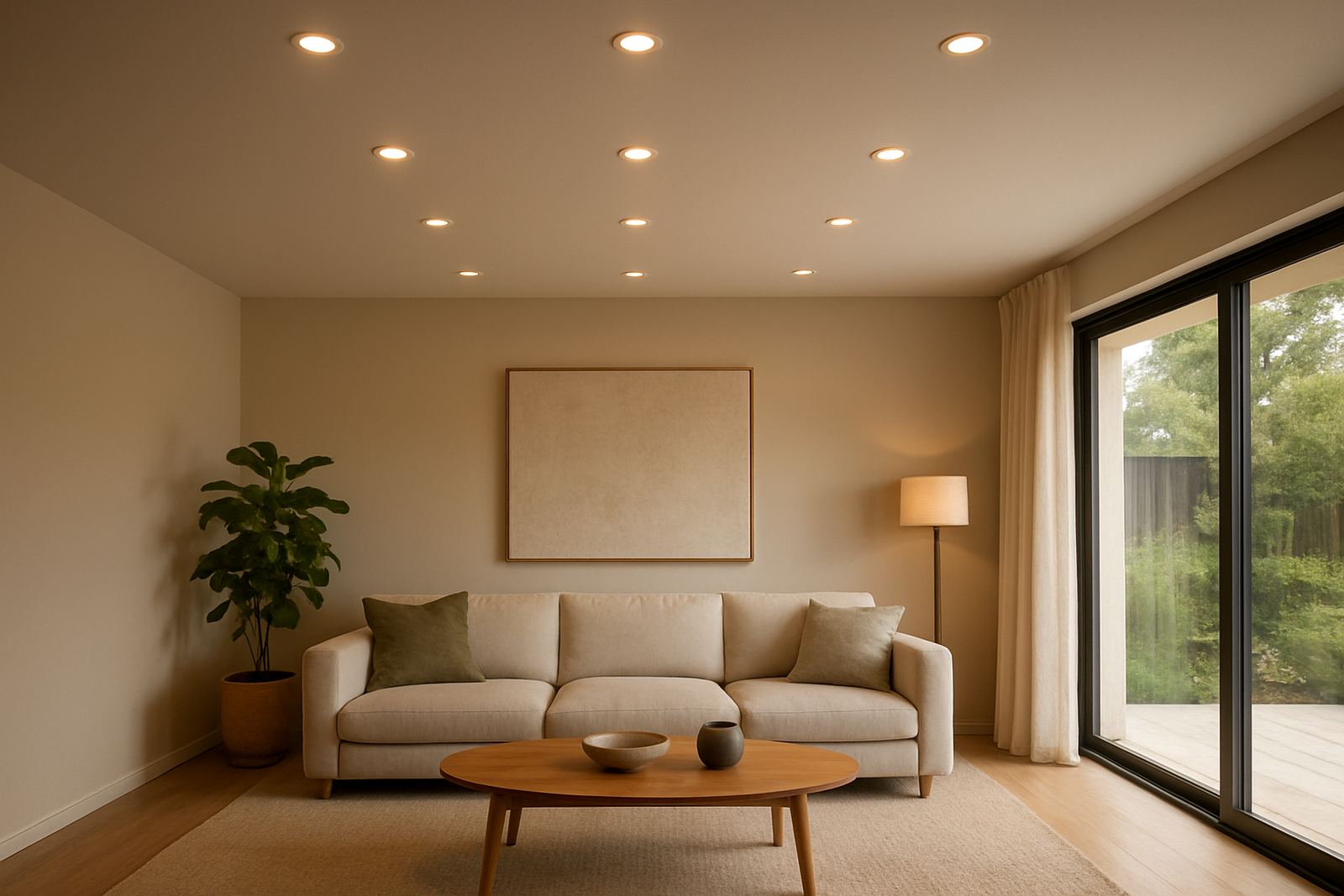
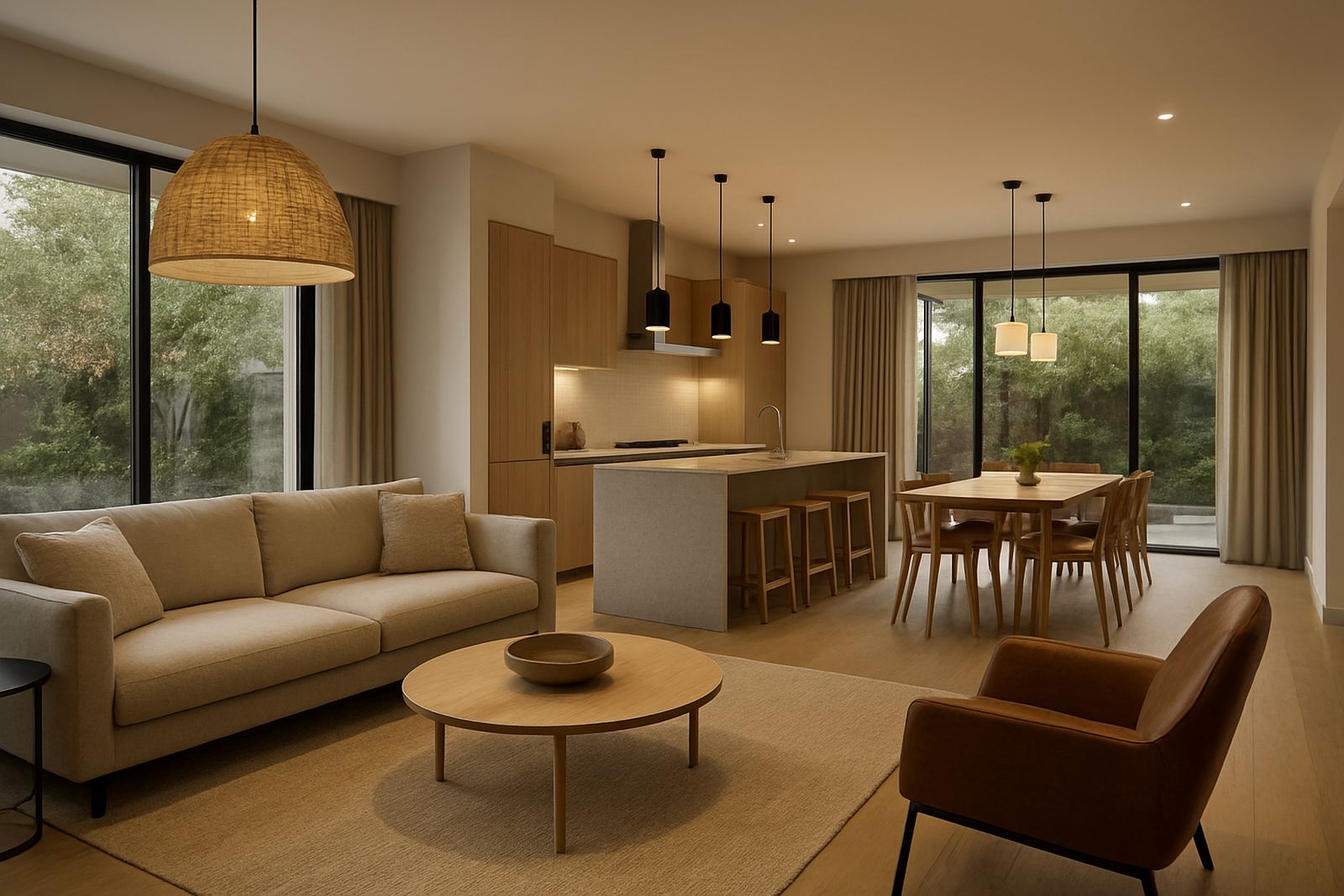
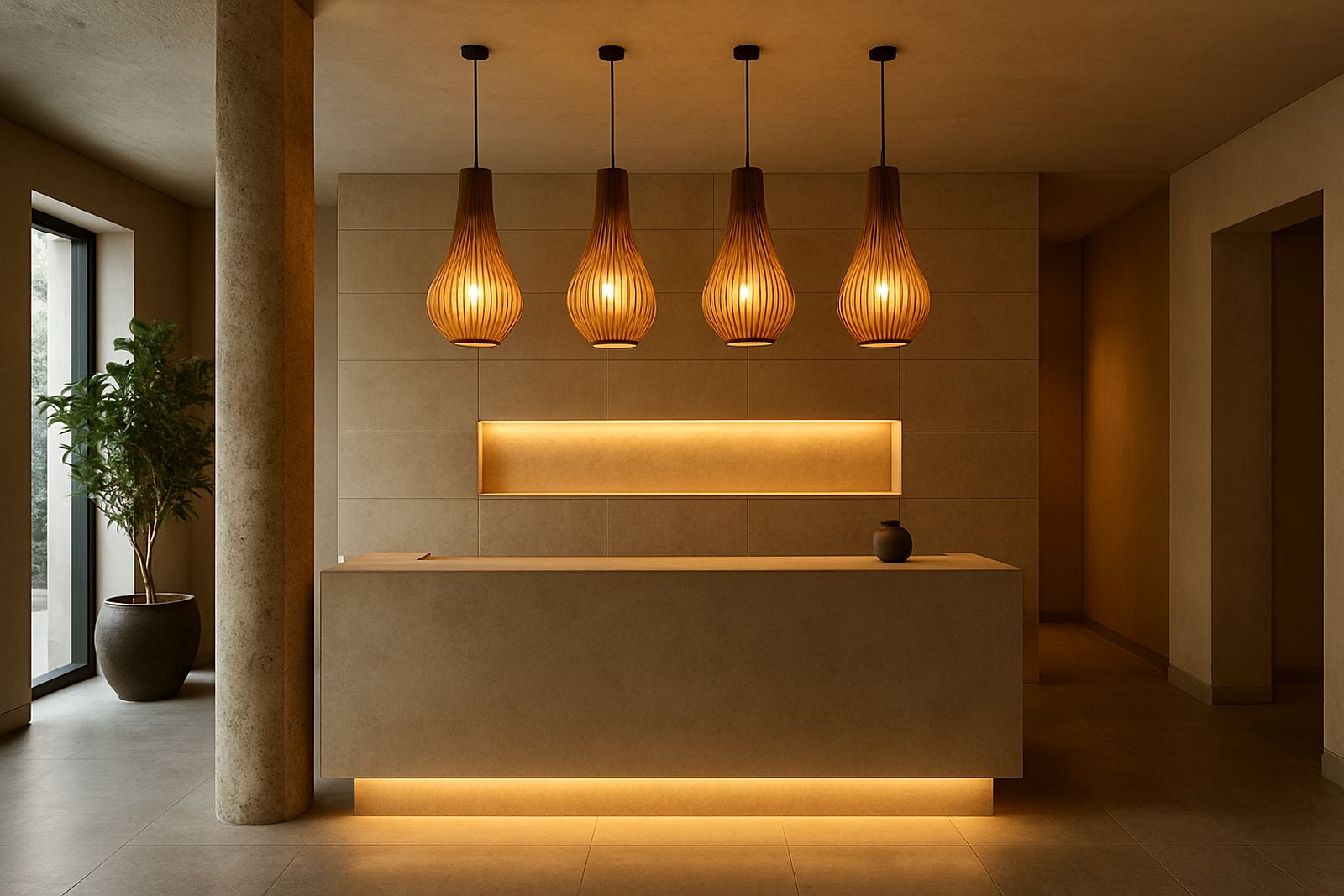
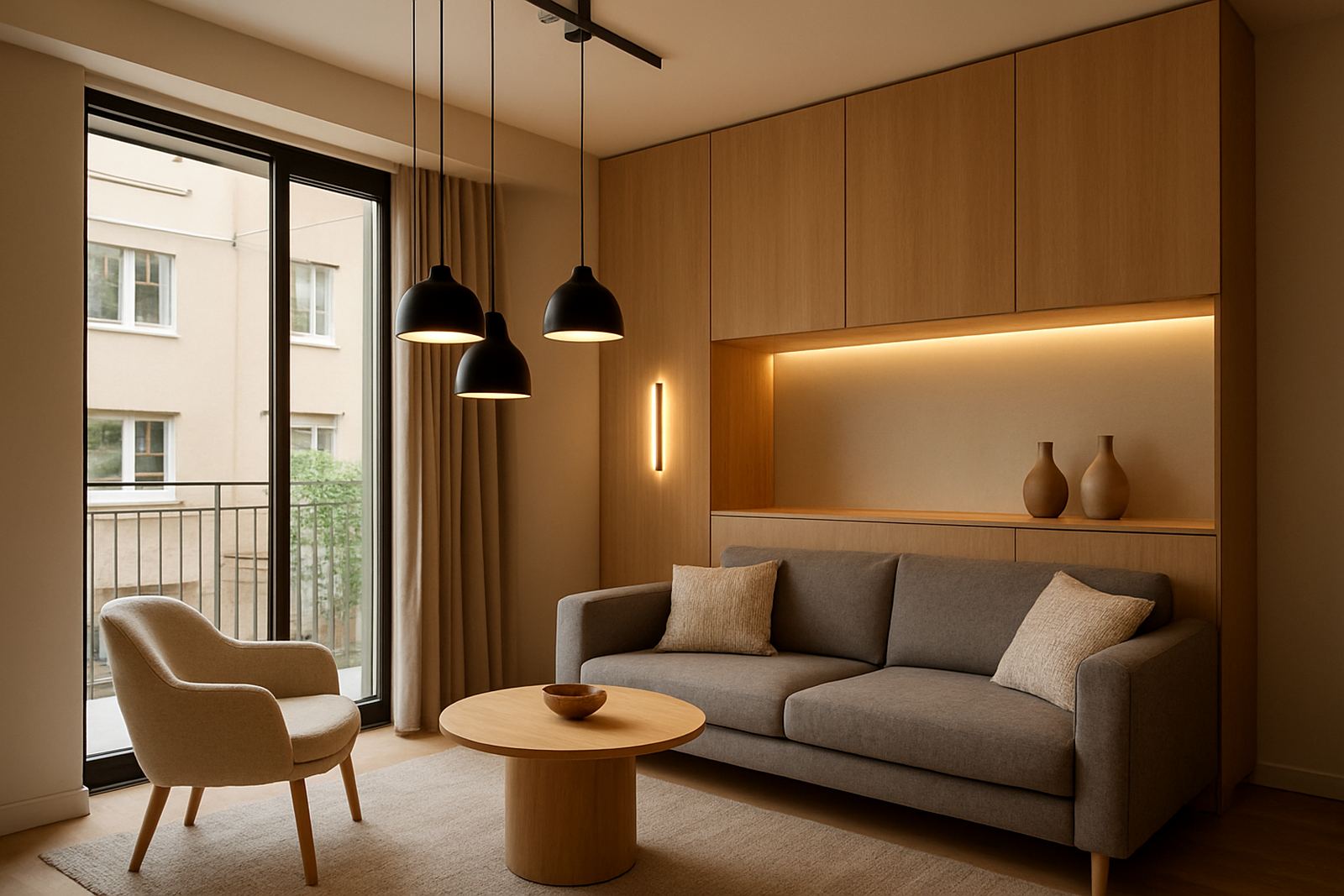
In hospitality spaces, the aim is often to balance warmth with good visibility for menus, tables and service areas. In homes, the focus may be layering light for reading, cleaning, entertaining and evening calm. A well planned scheme can do all of that while keeping the fittings simple and practical.
From first idea to final focusing
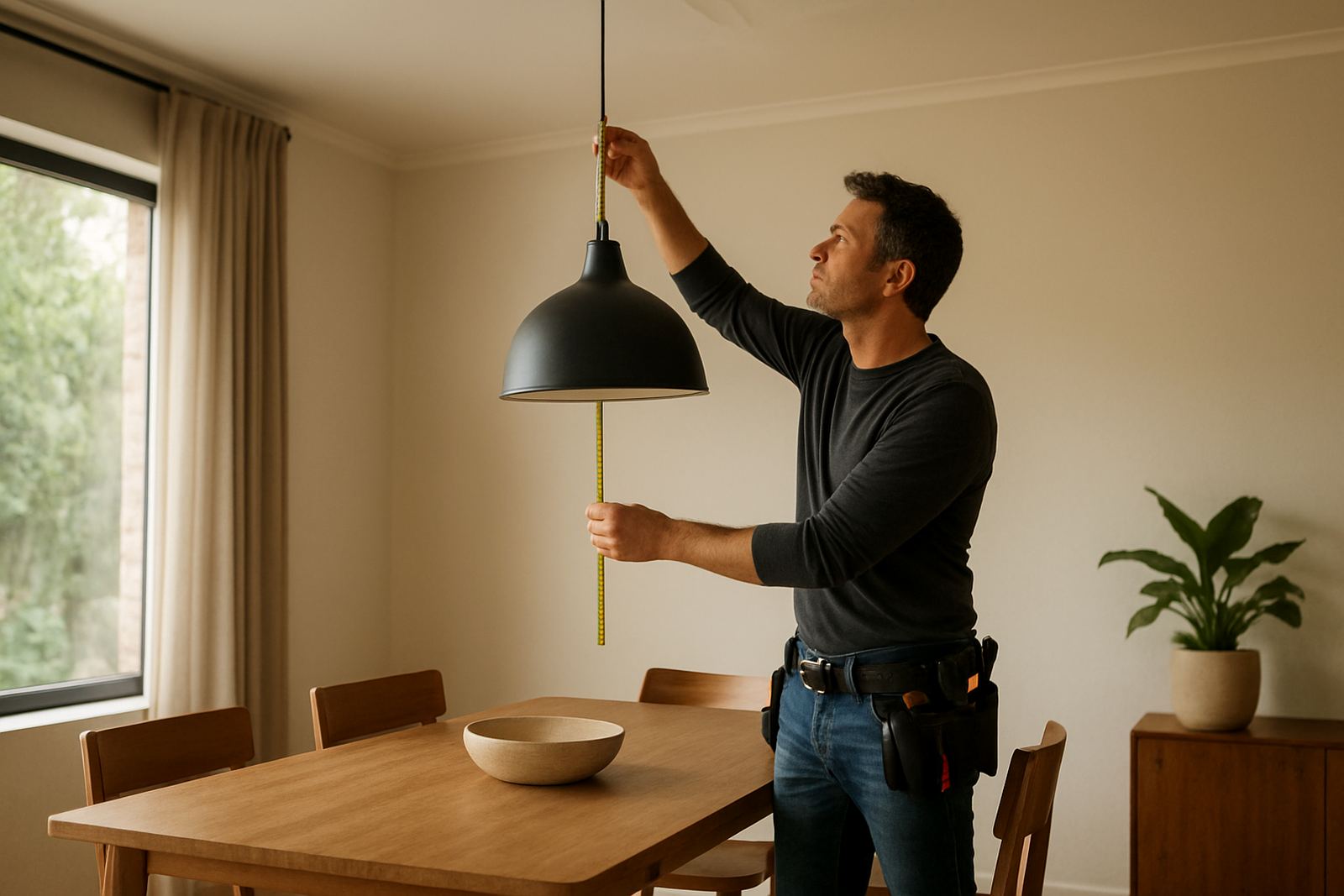
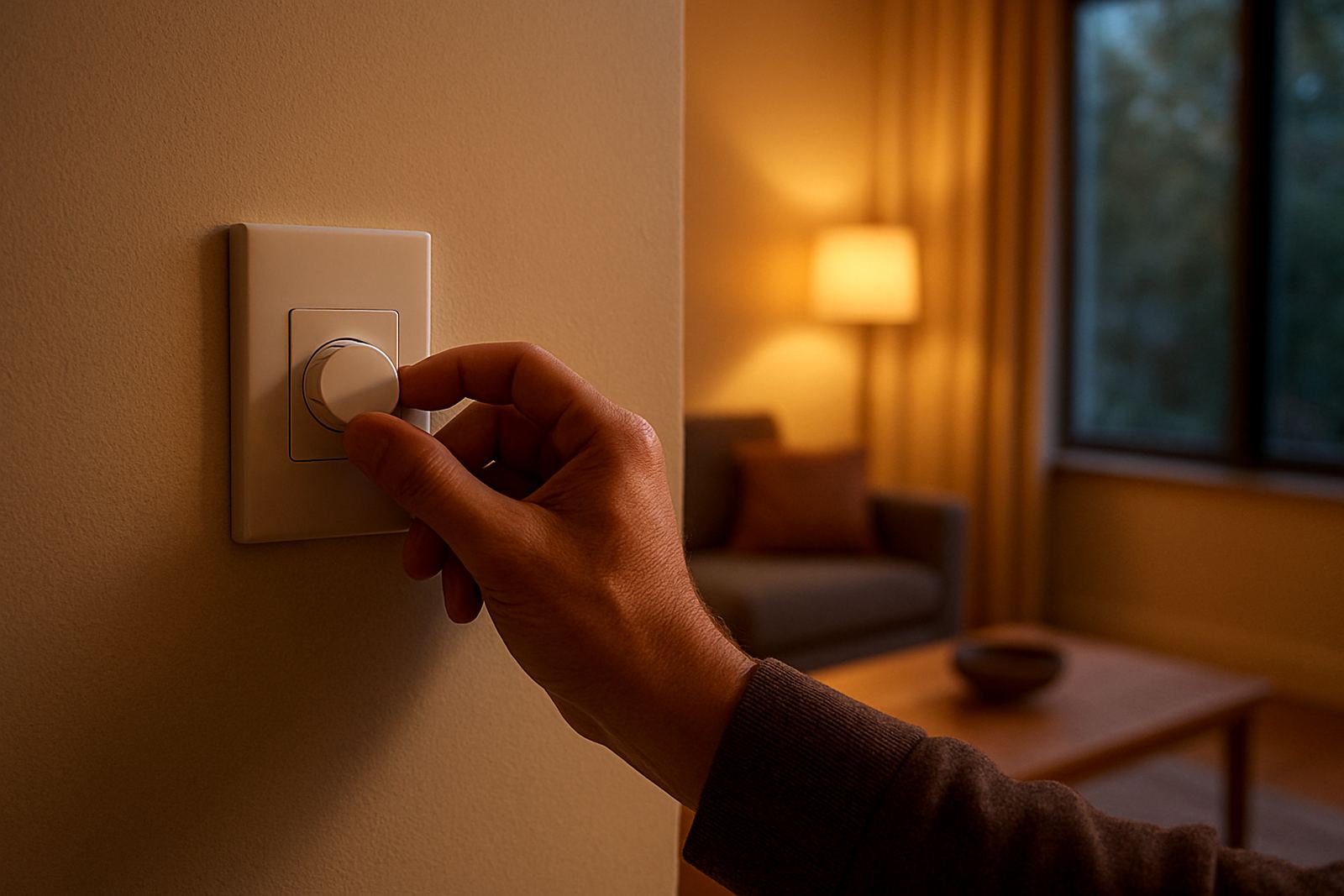
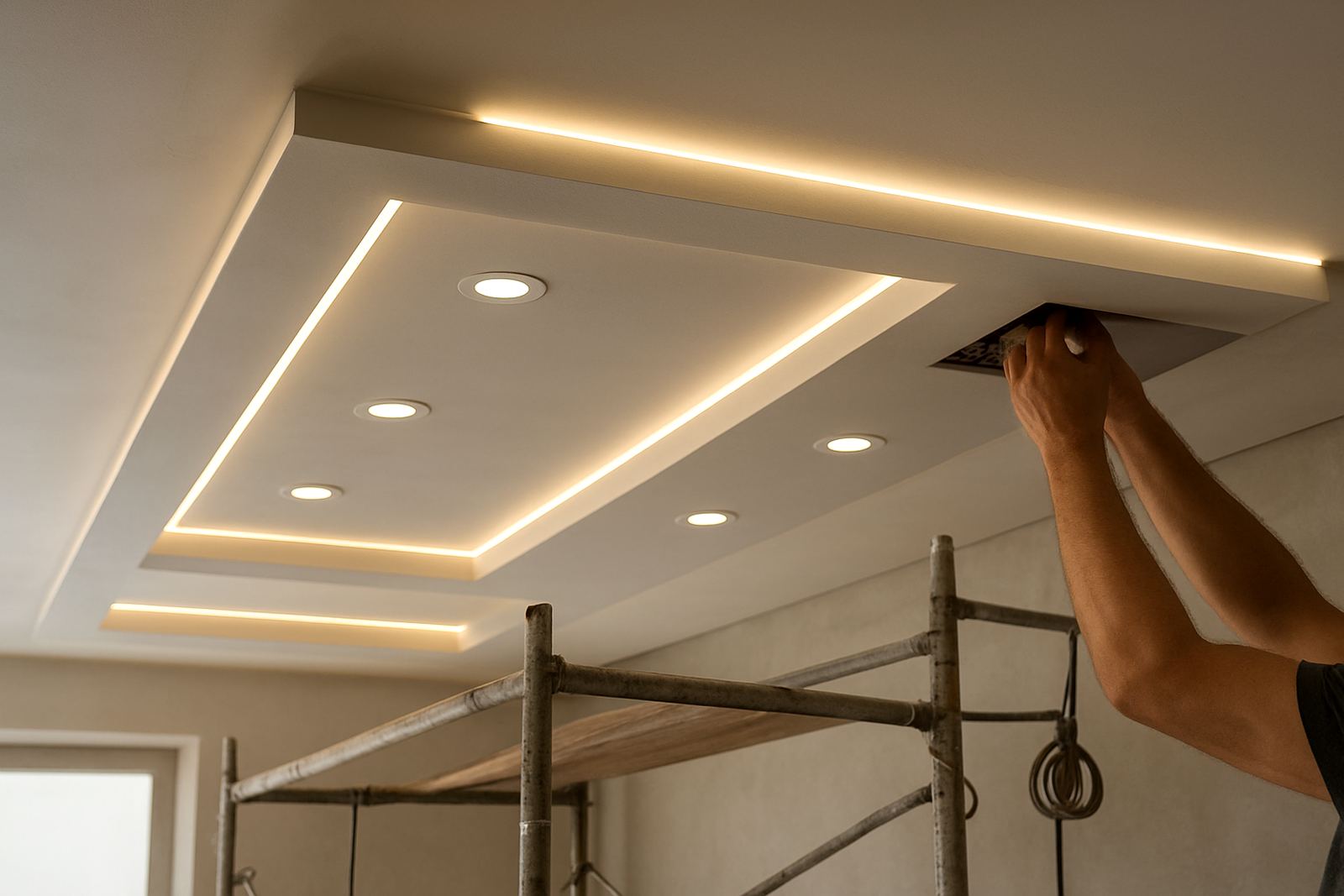
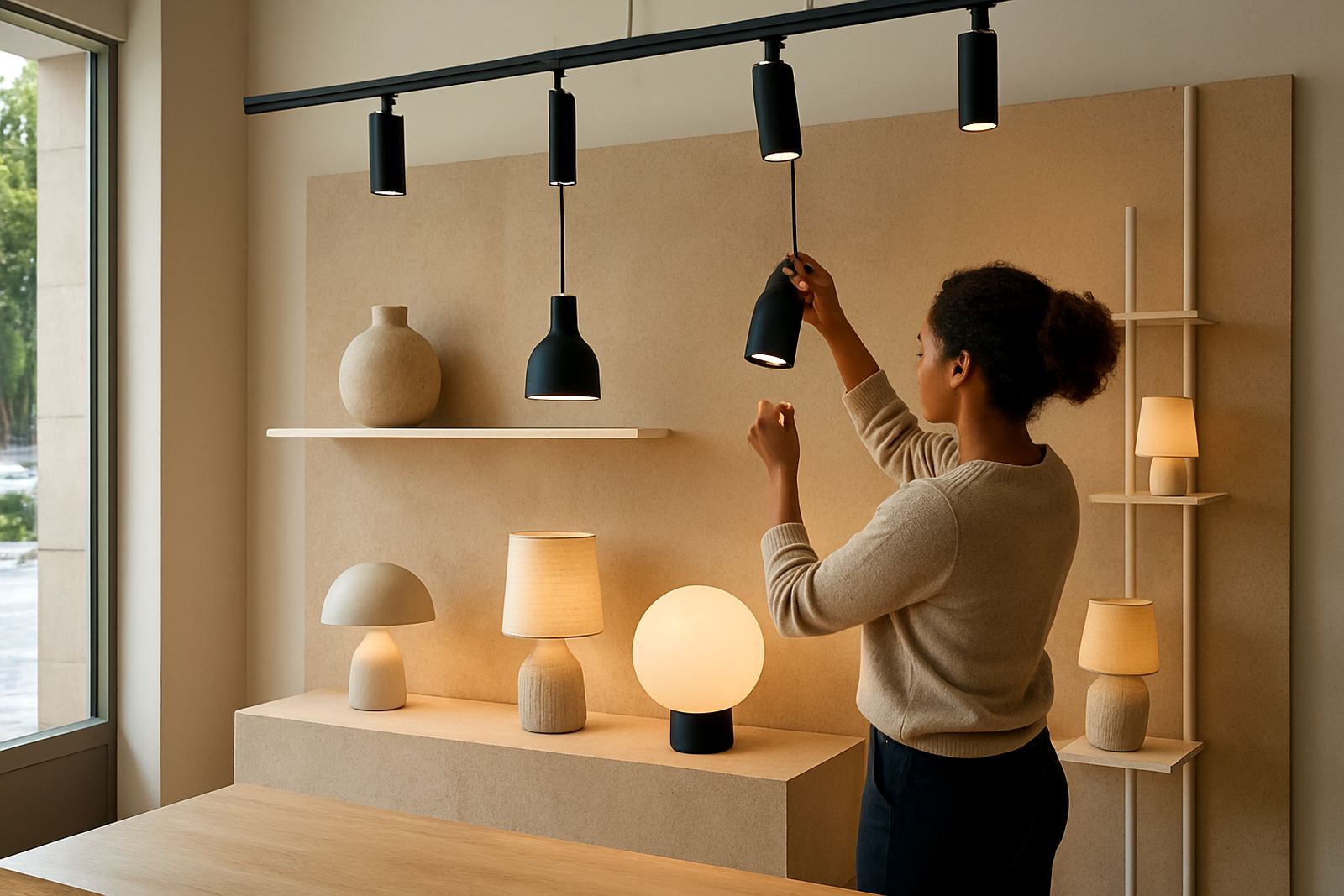
The Light Journal also covers the stages that happen between concept and completion. That includes fixture specification, layout planning, control design, mockups and samples, then installation coordination and post install focusing. Those steps matter because a good idea on paper can still fall short if the beam lands in the wrong place or the controls do not suit the way people use the space.
Many clients in Rosebank, Sandton and across Johannesburg ask the same question: where does the design part end and the practical part begin? In truth, they overlap from the start. A strong lighting outcome depends on both, plus site checks, measurements and clear decisions before the last fitting is fixed in place.
If you are reading to plan a project, use the journal as a guide and then send your enquiry through the contact page when you are ready for a focused discussion. The articles help narrow the brief, so the next step is easier and the result more intentional.