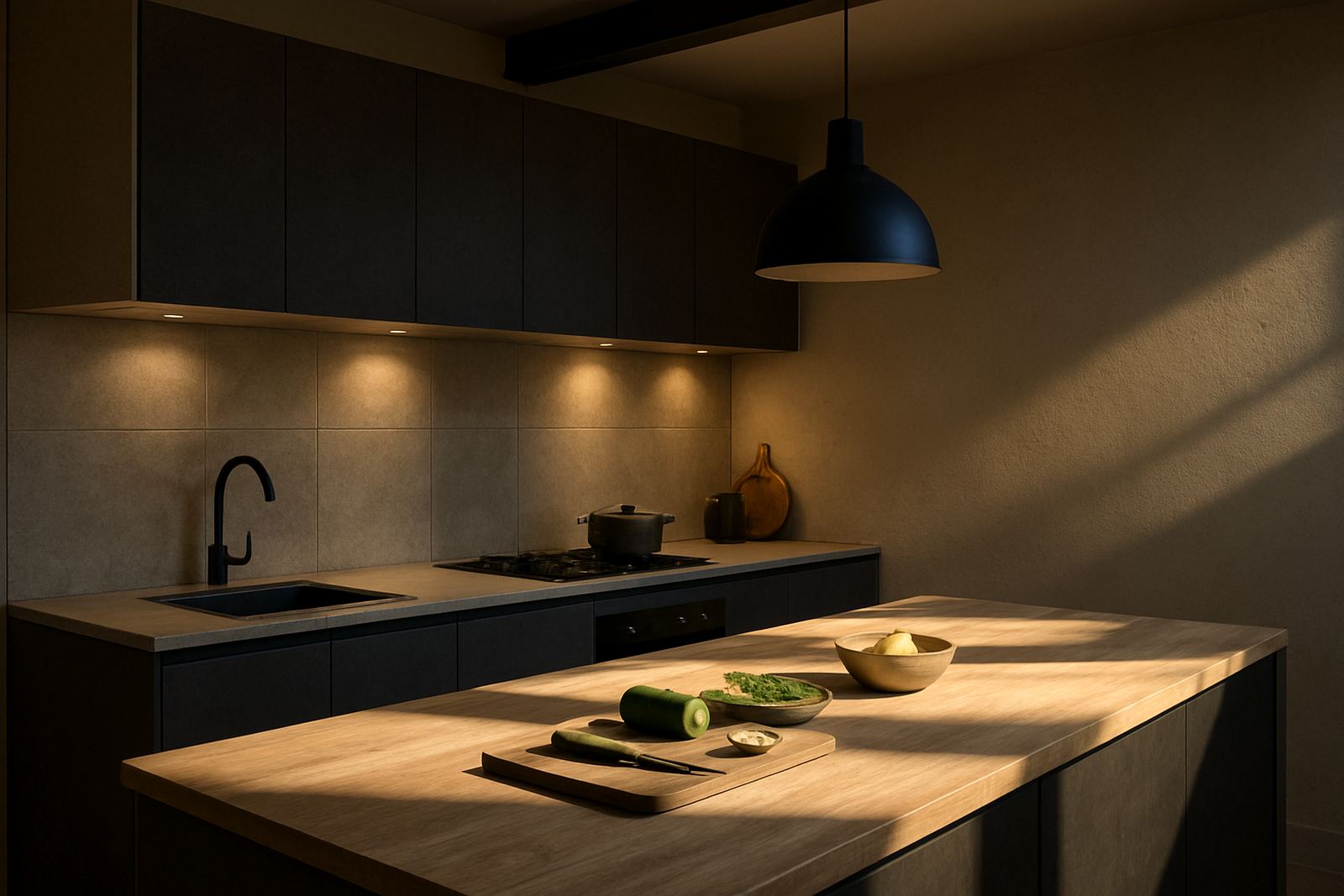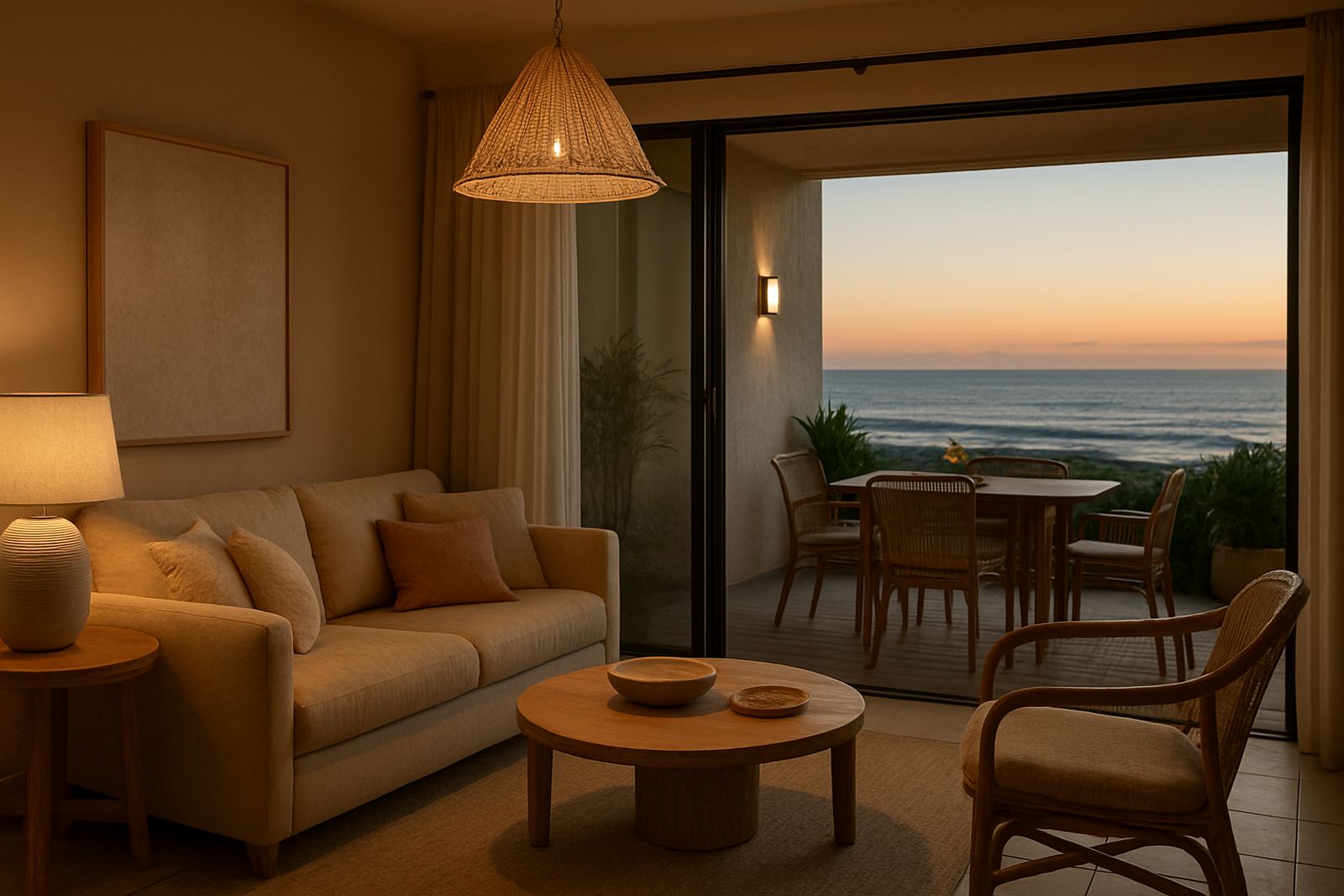
Why outdoor lighting should feel inviting, not exposed
Good exterior lighting does more than switch on brightness. It sets the tone for a front entrance, courtyard, patio or shopfront after sunset, and it should do that work quietly. In Johannesburg, Pretoria, Cape Town, Durban and Umhlanga, people notice the difference between a space that feels considered and one that simply feels over lit.
The aim is to create layers. A little light at the threshold, enough light on steps and paths, and softer accents on trees, walls or signage can make a property feel welcoming without washing it out. When every fitting is too strong, the eye struggles and the space feels colder. When the levels are balanced, the atmosphere feels calmer and the property looks cared for.
Start with the jobs your outdoor lights must do
Before choosing fittings, think about the actual use of the space. A restaurant courtyard needs people to read menus, find tables and move safely without feeling like they are under office lighting. A home in Rosebank may need a gentle glow on the garden path, while a shopfront in Sandton needs clearer visibility at the entrance and enough light for security cameras to perform properly.
- Mark steps, level changes and driveway edges first.
- Highlight the front door, gate or main entrance second.
- Use accent light last for planting, textures or features.
- Keep brighter fittings away from seating areas where people relax.
That order helps prevent over-lighting. It also means the most useful light gets priority, instead of spending power on features that look good only from far away. A small mistake many property owners make is putting decorative fittings where task light should be, then wondering why the entrance still feels unsafe.
Choose colour temperature for mood and local conditions
Colour temperature has a big effect on atmosphere. Warmer light usually feels more relaxed and intimate, which suits homes, patios and many restaurant exteriors. Cooler light can feel crisper and more commercial, which may suit security-focused areas or certain retail façades. The best choice depends on the building, the street and the purpose of the light.
Coastal towns such as Durban and Umhlanga also need fittings that can handle humidity and salt in the air. If the wrong materials are used, lenses cloud over, fasteners corrode and the result is uneven output within a year or two. Inland properties face different issues, including dust and temperature swings. Practical specification matters here, not just style.
- Warm light for terraces, dining areas and homes where comfort matters.
- Neutral light for entrances that must stay clear and legible.
- Weather-rated fittings for exposed walls, gates and garden edges.
- Proper sealing for coastal areas, especially on the KZN shoreline.
Use layers to shape atmosphere after dark
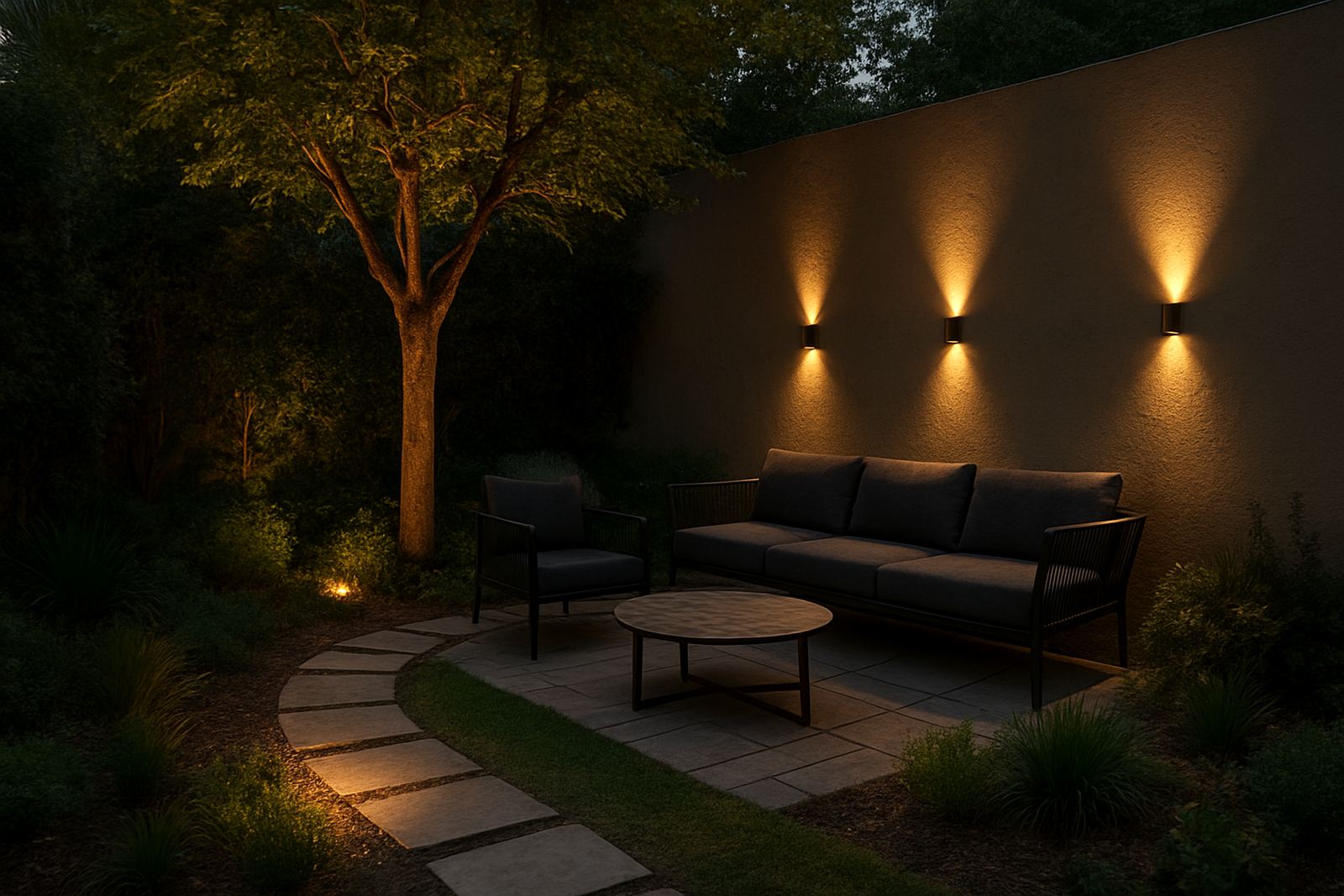
Atmosphere comes from layering, not from one powerful fitting at the front of the property. A wall light can give orientation, a discreet spike light can pick out planting, and a downlight under a canopy can help the entrance feel safe without spilling too much light into neighbouring spaces. When layers are planned well, the eye reads the scene naturally.
For a home in Midrand, for example, the driveway might need low-level markers, the front door may need a focused beam and the garden wall could take a gentle wash. A restaurant in Rosebank may need a warm glow under umbrellas, plus enough lighting on paths so guests do not hesitate when walking to the entrance. The effect is not about brightening every corner, it is about guiding attention.
Control is part of the layering too. Dimming, zoning and timers let a property shift through the evening. The entrance can be brighter early on, then settle later. In areas affected by load-shedding, battery-backed or low-consumption fittings help keep the look consistent when power drops, rather than leaving the whole exterior in darkness.
Avoid glare, spill and the neighbour complaints that follow
Outdoor lighting goes wrong when it shines where it should not. Glare at eye level can make people squint, and light spilling over boundary walls can irritate neighbours or attract attention where privacy is important. In municipal areas, especially around residential streets, this can become a nuisance quickly if the fittings are not aimed and shielded properly.
Shade, beam spread and mounting height all matter. A fitting pointed slightly down can give better usable light than a brighter fitting aimed too high. The same is true for shopfronts. Lighting should flatter the entrance and signage without creating hot spots in the glass that hide the display behind it. Small adjustments often make a bigger difference than adding another fitting.
It is worth checking how the property looks from the street, from inside and from the neighbours side. What feels attractive from one angle may be harsh from another, so testing at night is part of a proper lighting plan.
A local example from Rosebank to the coast
Consider a mixed use property in Rosebank with a café entrance, a small courtyard and a townhouse-style upper level. The brief might be simple: make it feel welcoming for evening trade, but keep the look calm for residents above. The answer could include warm wall light at the entrance, low planter lighting for the courtyard, and separate control zones for the retail and residential areas.
The same approach works differently in Cape Town or Durban. In a coastal setting, the fitting materials need more care, and wind exposure can change how the light reads on walls and planting. On a restaurant terrace in Umhlanga, for instance, softer pools of light around tables often work better than a bright centre wash. Guests want to see their food and faces clearly, but they also want atmosphere and privacy.
For owners, the lesson is simple: do not copy a neighbour lightingg plan just because it looks decent from the road. The site, the usage and the weather all shape what works best.
What a practical outdoor lighting plan should include
A good lighting plan should answer three things: what needs light, how much light is needed and how the space will be controlled. That applies whether you are updating a home in Pretoria, planning a shopfront in Sandton or fitting out a restaurant in Durban. The goal is a finished result that looks intentional, works at night and does not become expensive to run.
- Concept design for the mood and look you want.
- Site lighting audits to check what is already working and what is failing.
- Fixture specification for weather, power use and maintenance.
- Layout plans and control design so the lights can be grouped properly.
- Post-install focusing to fine-tune beams and reduce glare.
Illumin8d works from Rosebank, Johannesburg and assists clients across South Africa with shopfront, restaurant and home lighting. For outdoor lighting atmosphere, the best results come from careful planning, the right materials and a clear understanding of how people use the space once the sun goes down.