

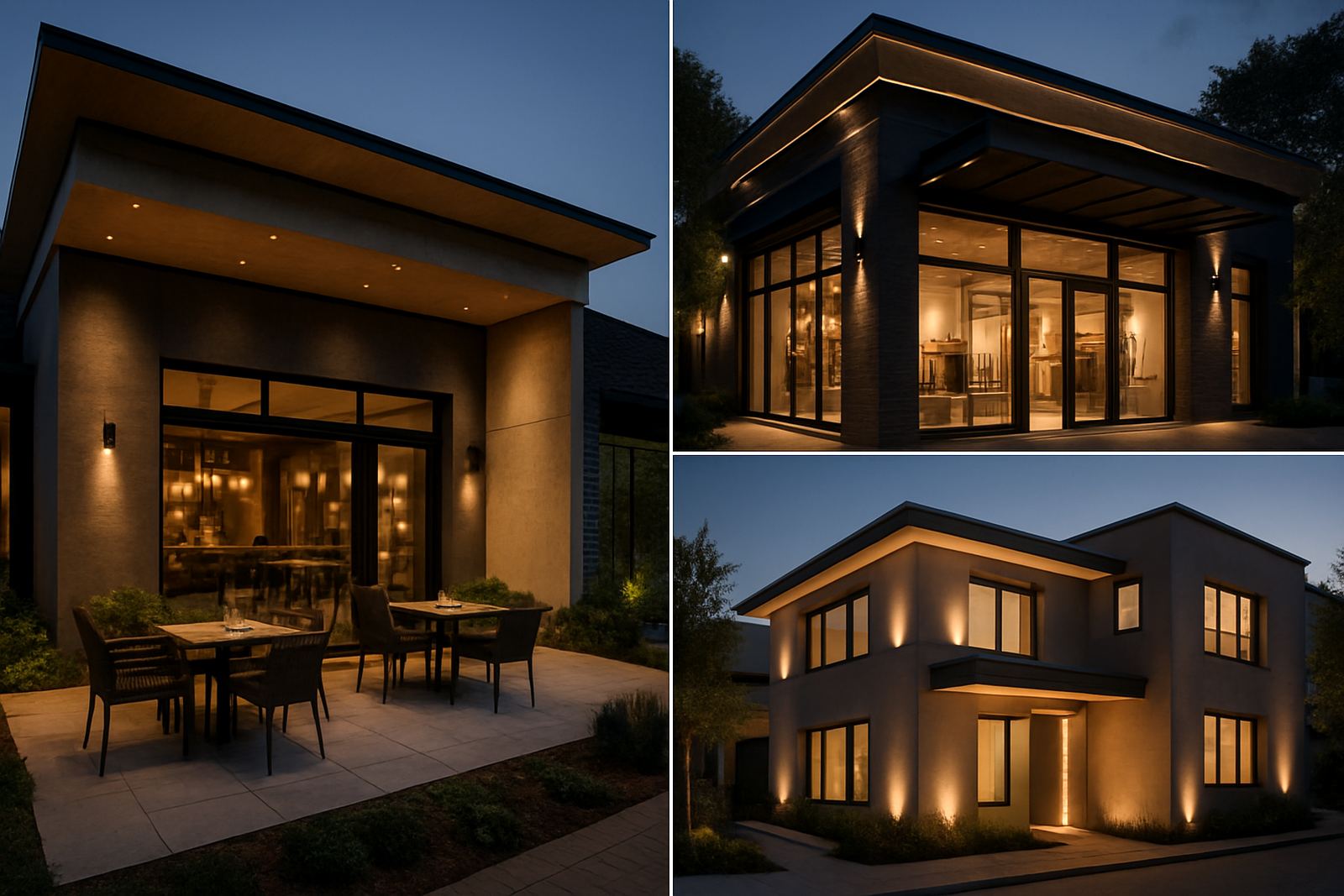
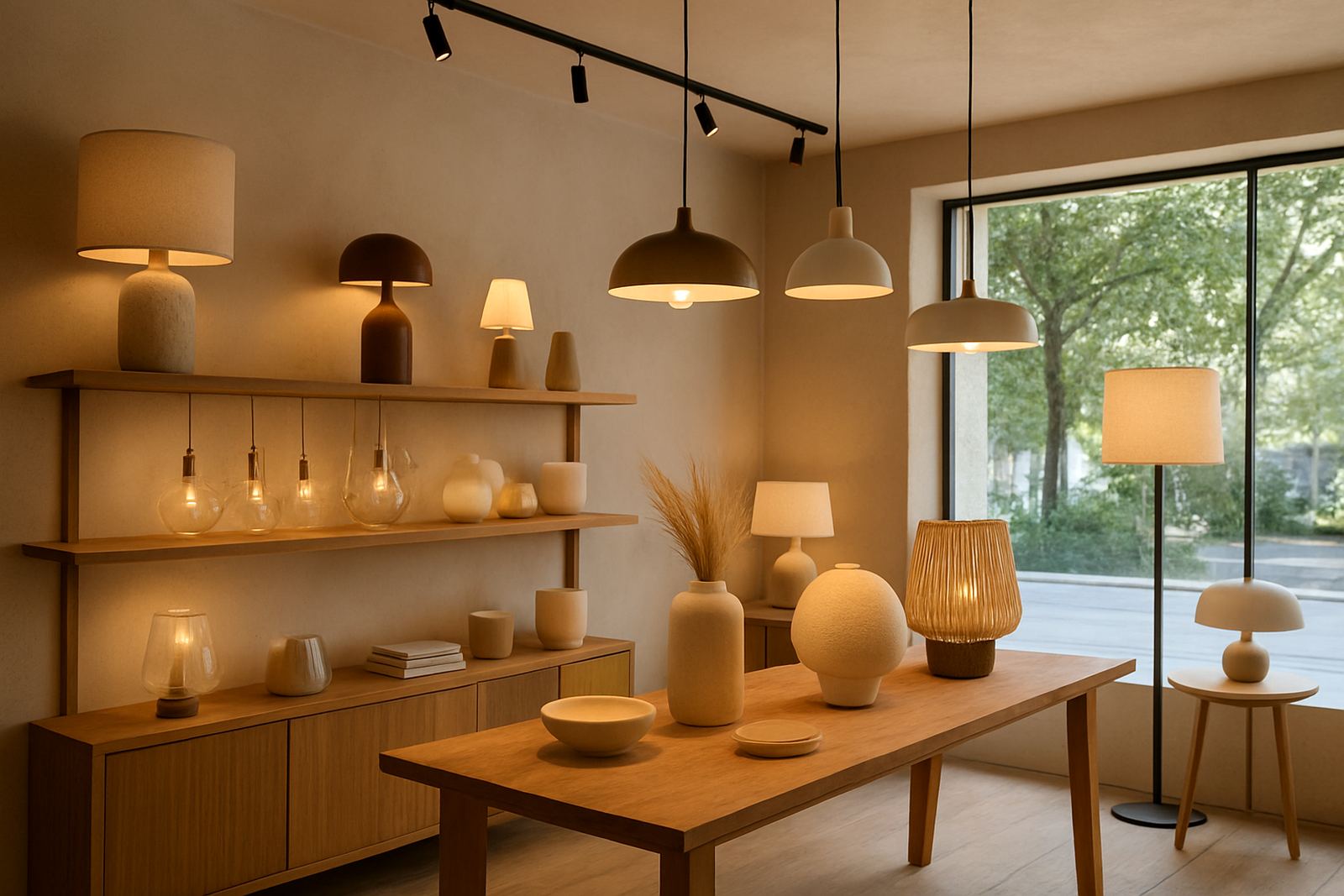
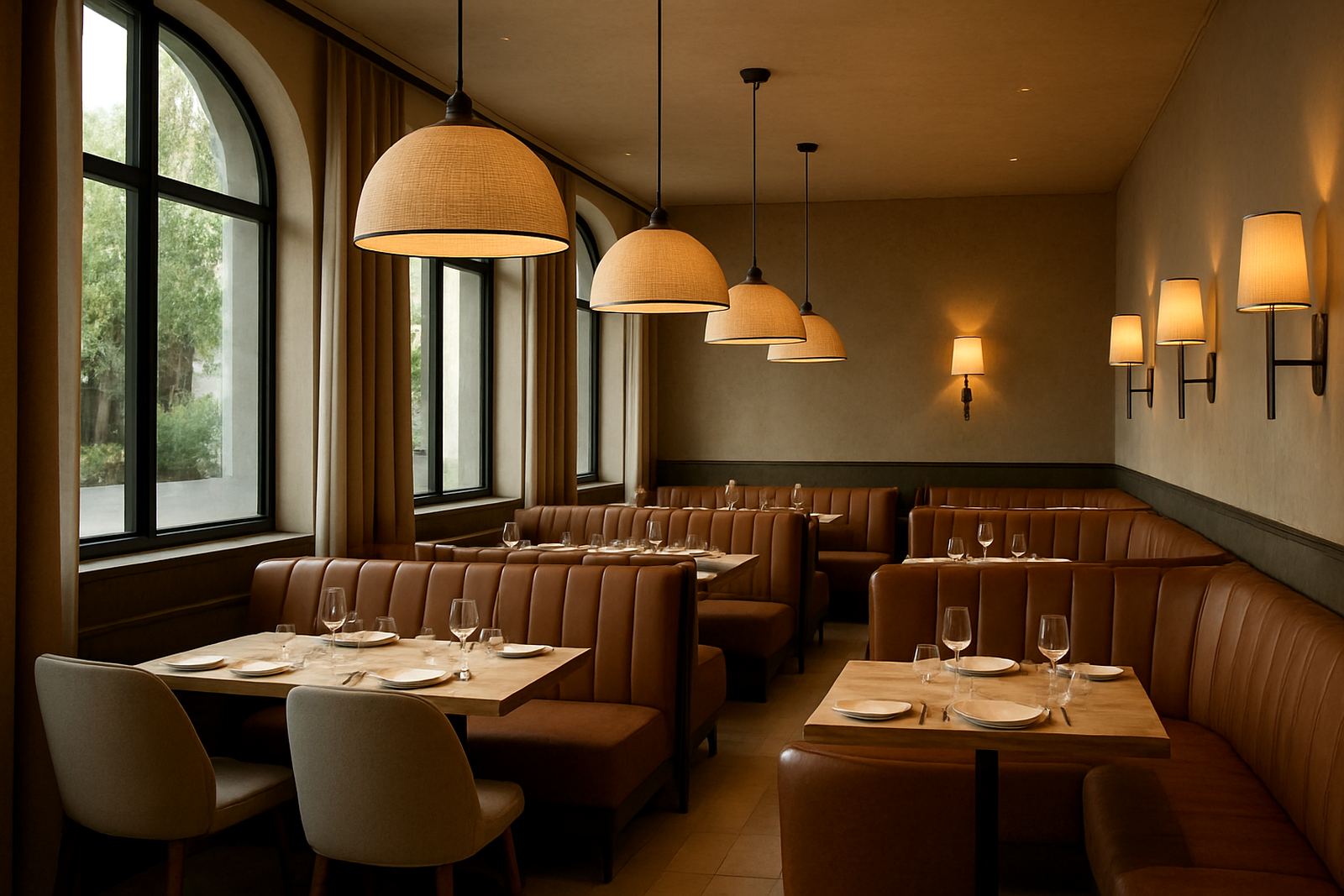
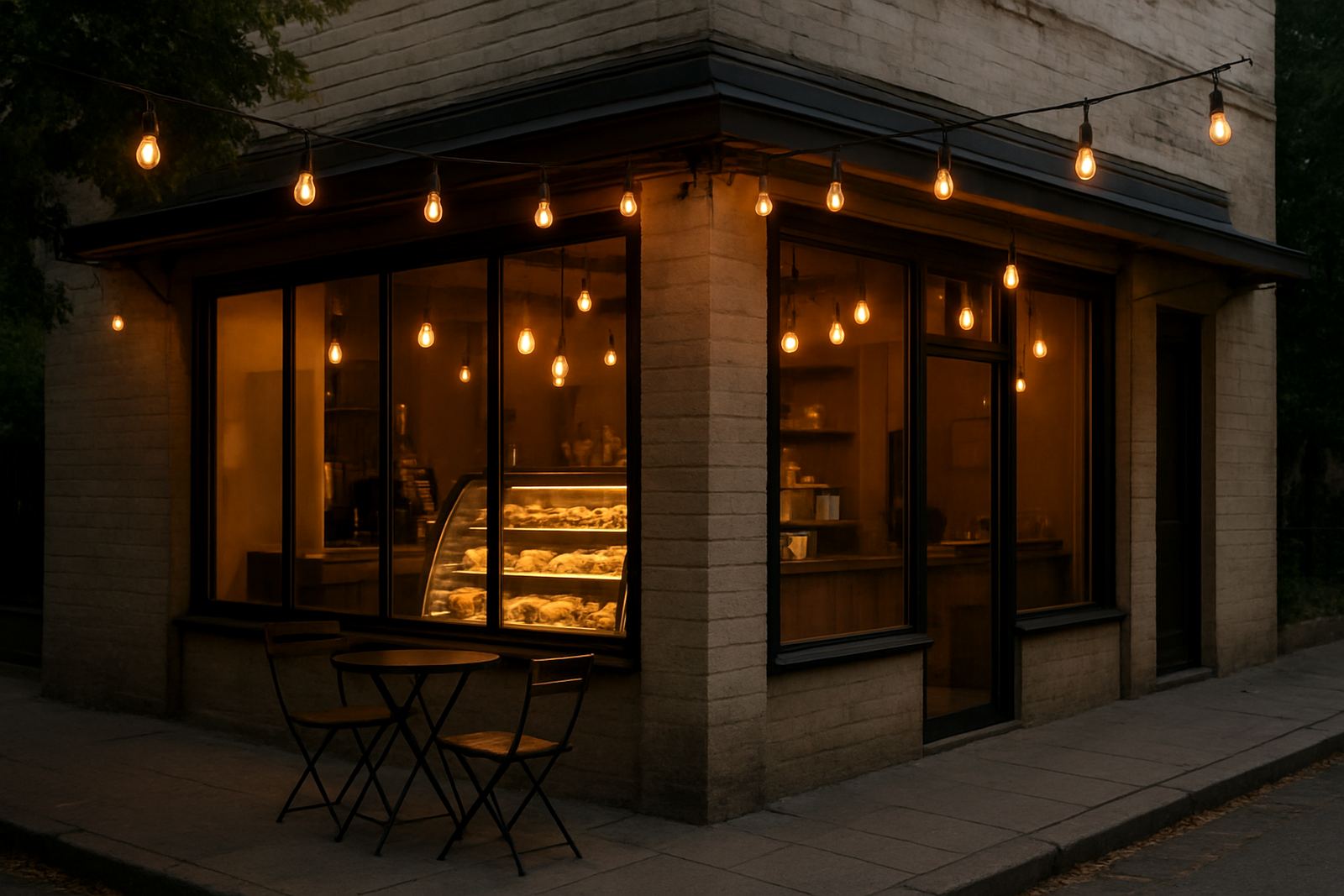
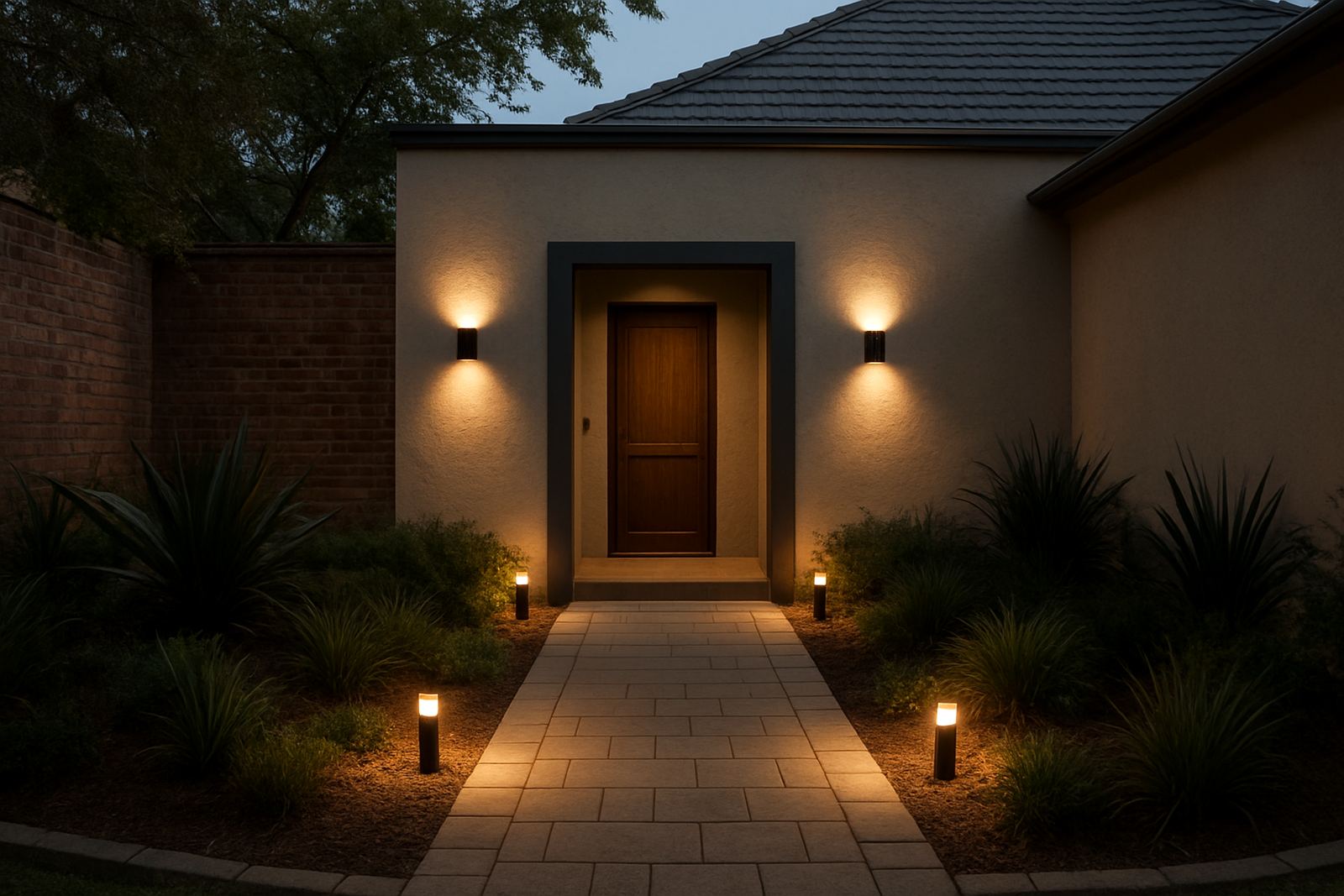
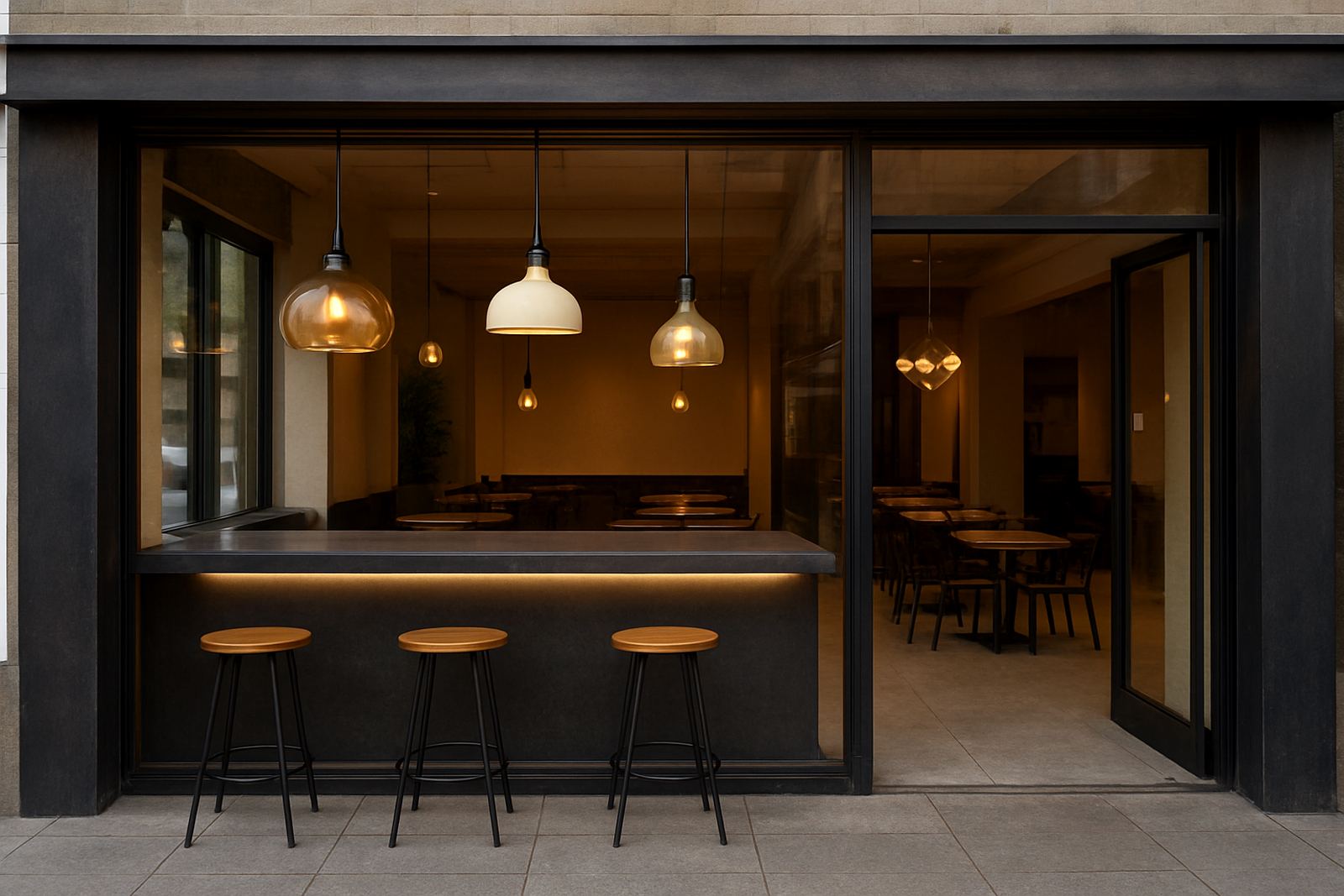
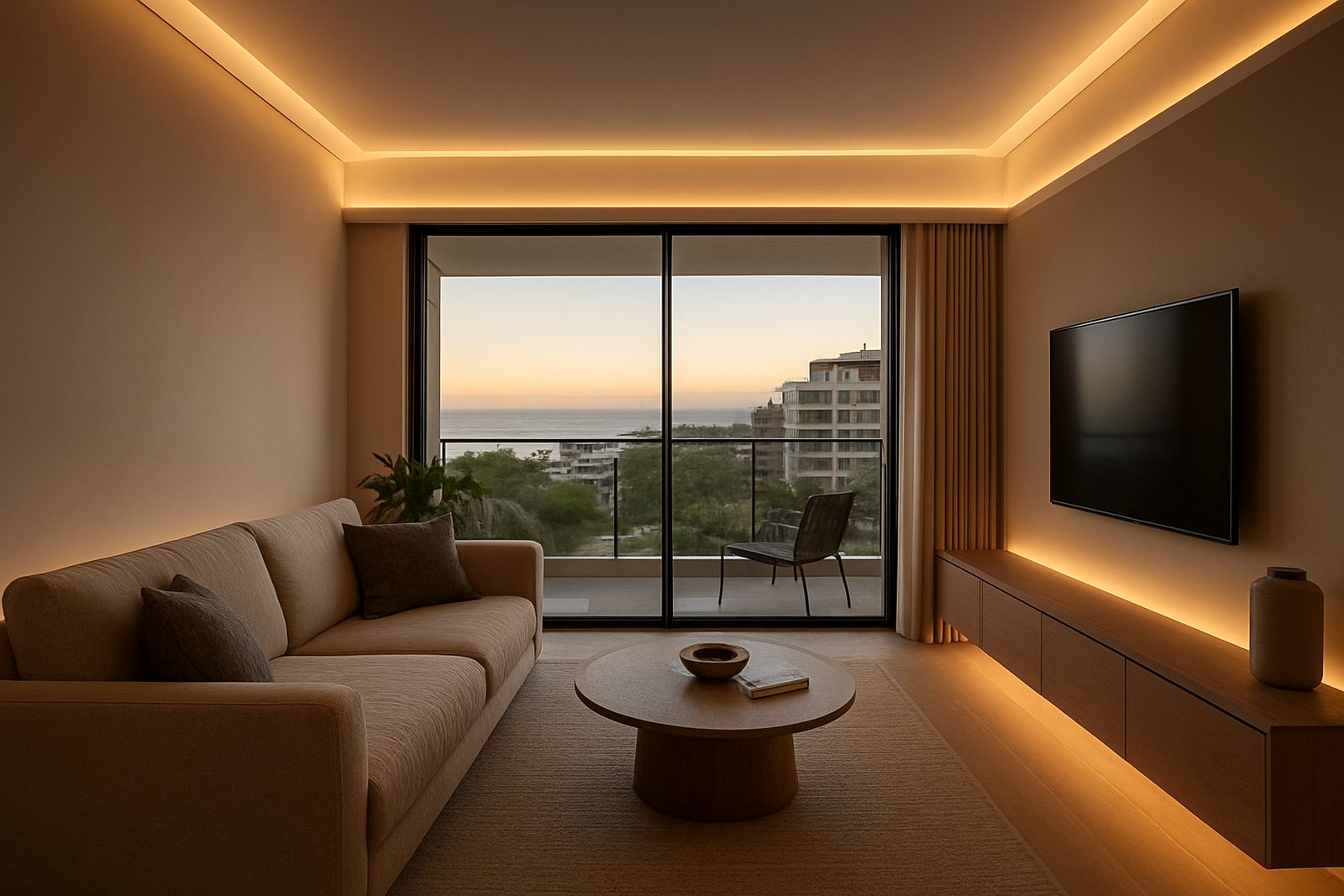
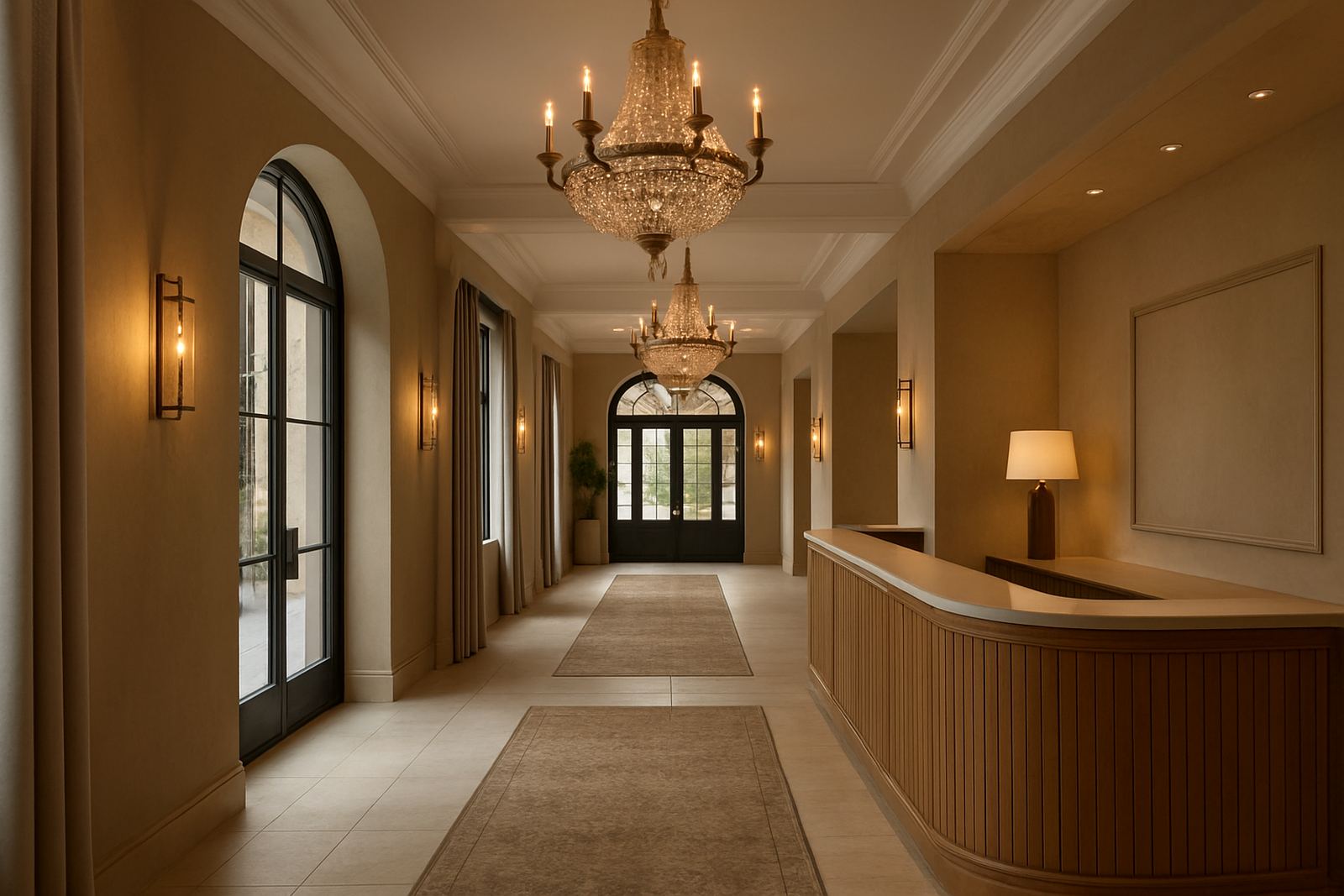
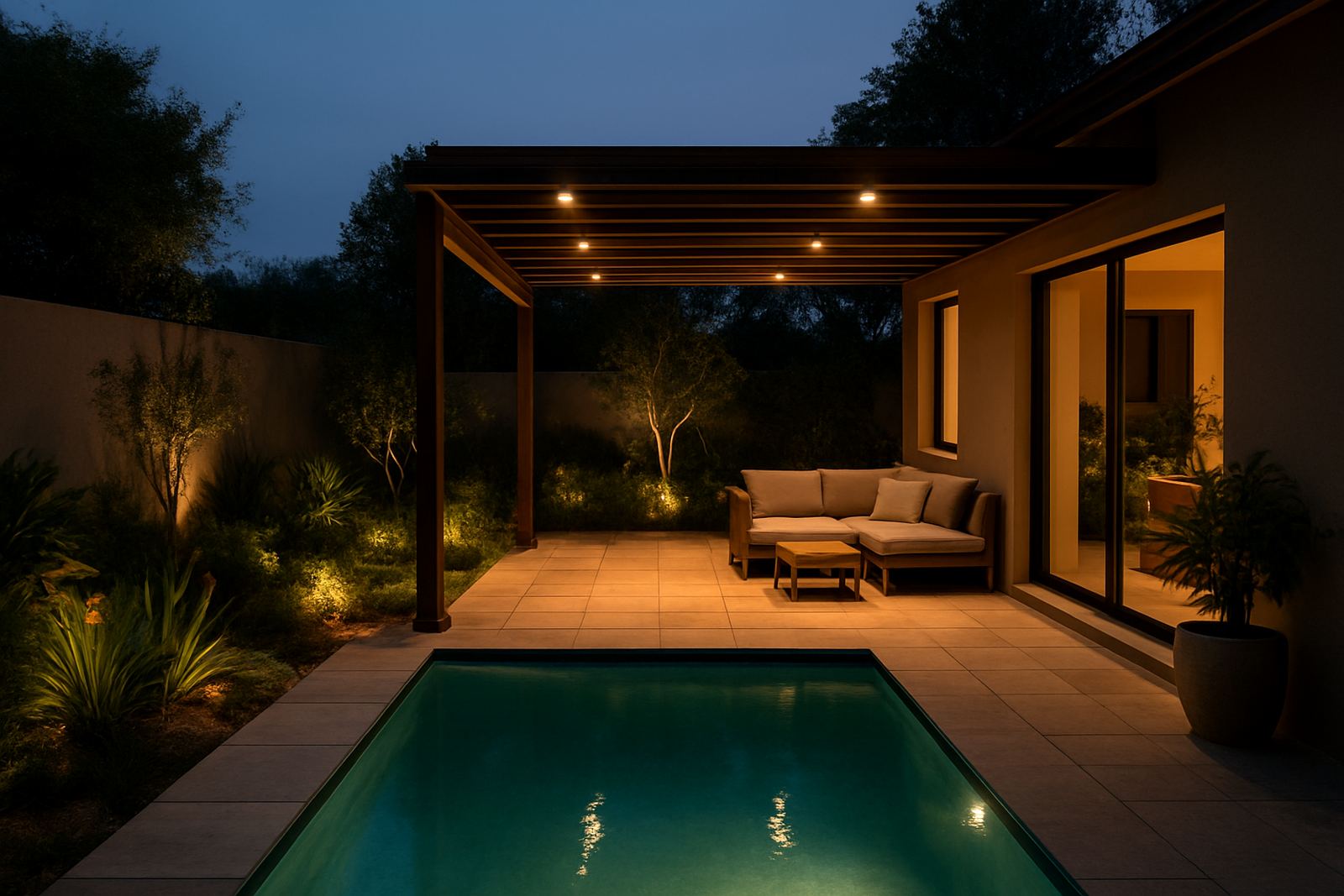
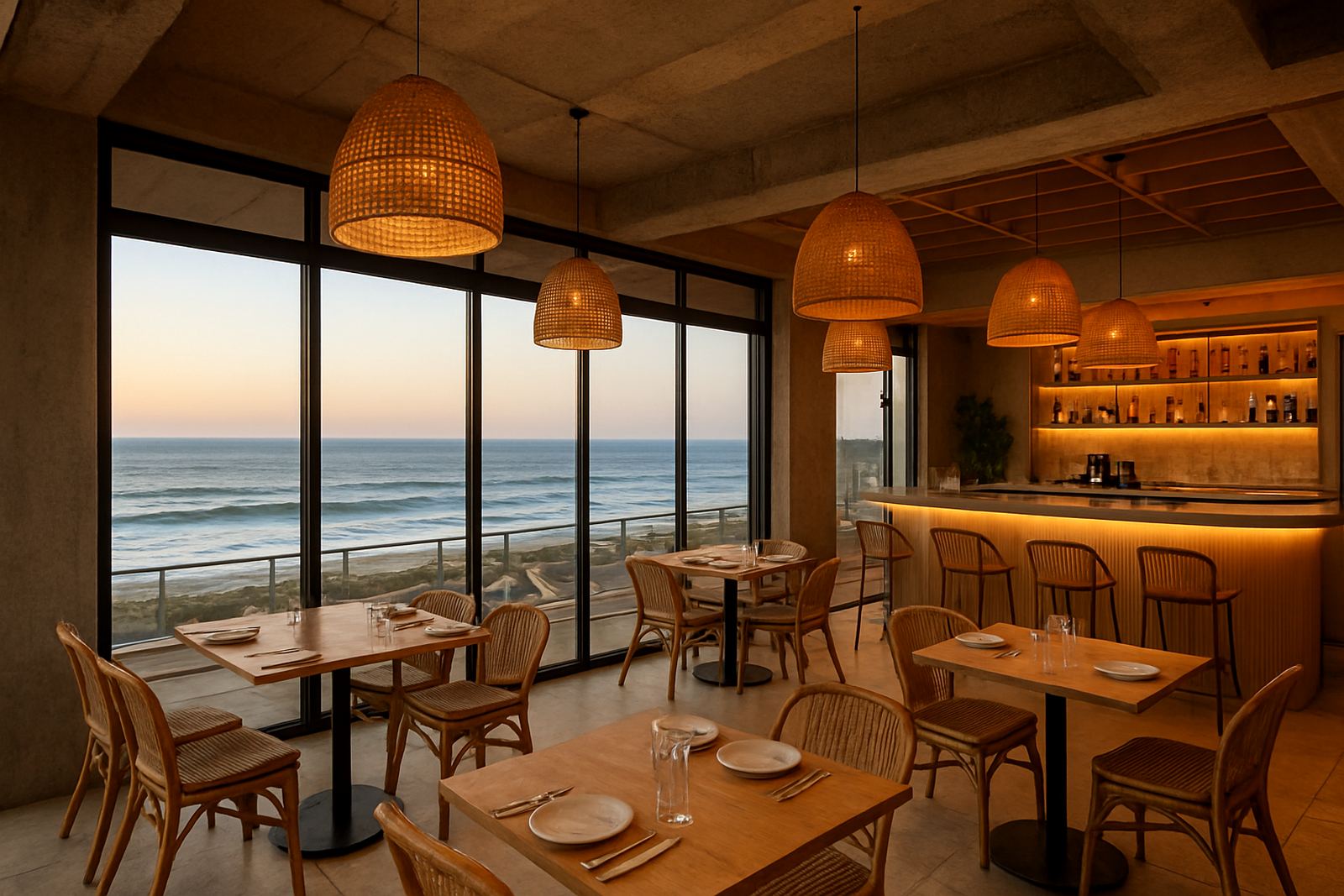
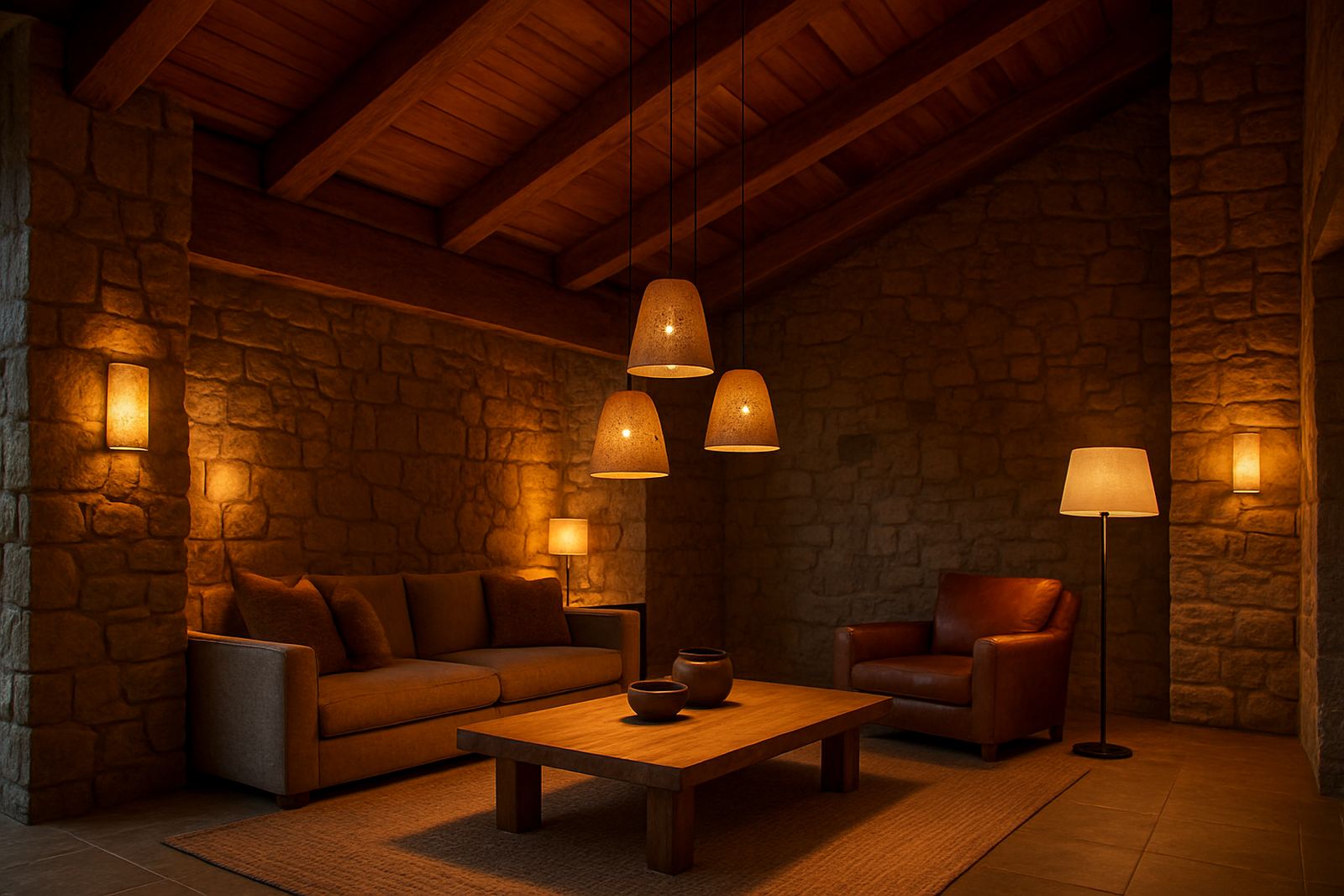

What These Lit Projects Show
Our completed work spans shopfronts, restaurants and homes across Johannesburg, Pretoria, Cape Town, Durban and Umhlanga. Each project starts with the same question: how should the space feel at night, and what does it need to function properly after dark?
Some briefs call for a strong first impression from the street. Others need softer levels for dining, better visibility over merchandise, or layered home lighting that works during load-shedding too. The projects below show how a lighting plan changes from one site to the next, depending on ceiling height, daylight, finishes and the way people move through the space.
Choosing The Right Project To Review
If you are planning a similar space, start with the project closest to your own use case. A restaurant fit-out will give you ideas on ambience and table focus. A retail shopfront will show how to draw attention from the pavement. A home project will help if you want warm, practical lighting in living areas, kitchens or outdoor entertainment spaces.
- Look at the type of space first: retail, hospitality or residential.
- Check the city and climate, especially for coastal humidity or dust exposure.
- Compare the lighting method, whether it is direct, indirect or layered.
- Notice how controls are used for dimming, scenes and after-hours use.
Shopfront Projects With Street Presence
Shopfront work needs clear visibility without causing glare or wasting power. In busy areas like Rosebank, Sandton and Pretoria, the lighting must hold up against competition from neighbouring tenants and bright road frontage. In coastal centres like Durban and Umhlanga, fittings also need to suit salt air and moisture levels.
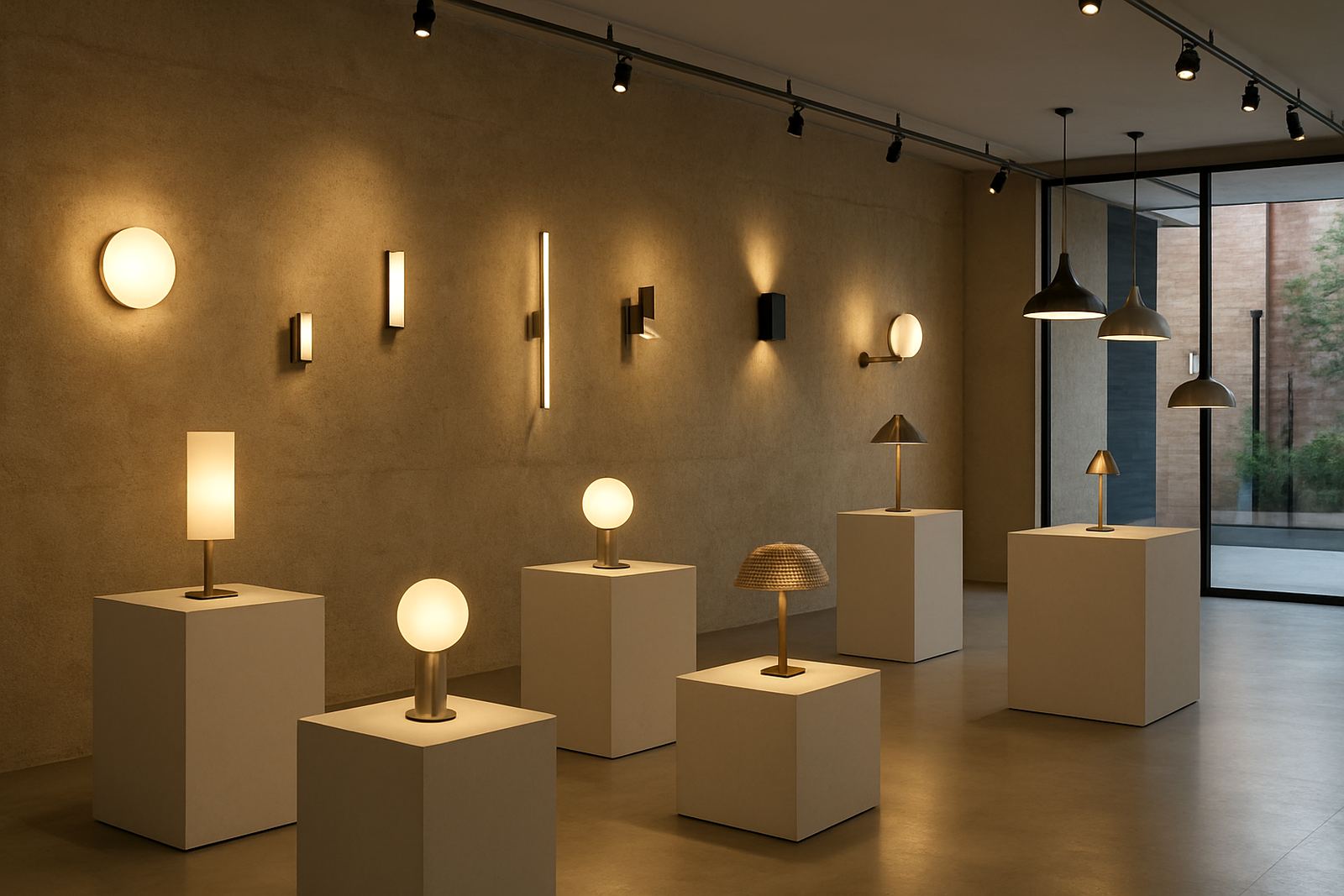
These projects often include fascia highlighting, window display lighting, feature pendants near entrances and controls that allow trading hours to change with the season. Good shopfront lighting helps with branding, but it also improves security and makes after-hours maintenance simpler.
- Feature the brand name without overpowering the glass front.
- Keep window displays bright enough to attract footfall.
- Use fittings that are suited to the site environment.
Restaurant Projects That Shape The Mood
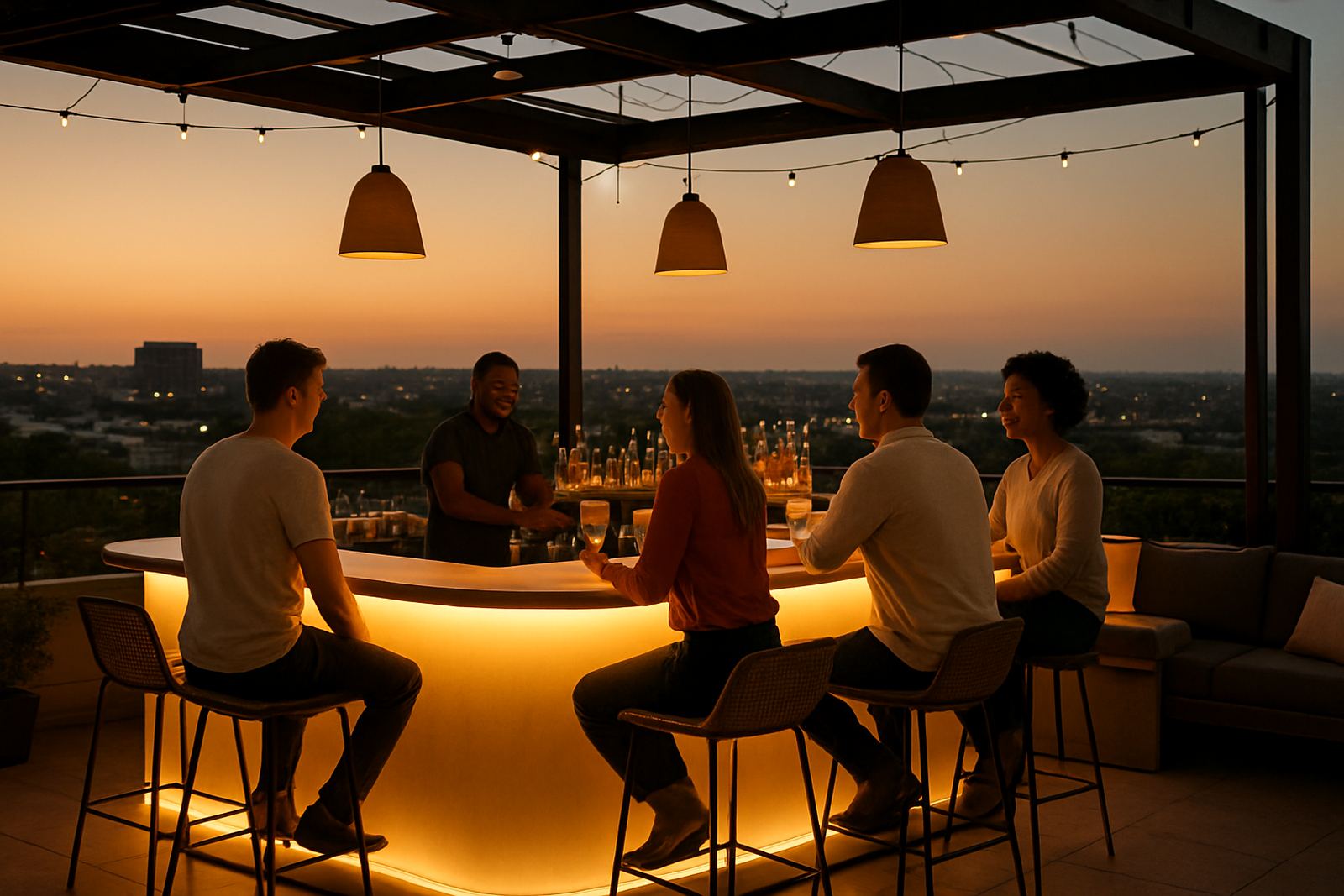
Restaurant lighting is about comfort as much as appearance. Too much brightness can flatten the room, while poor layering can leave tables and circulation areas too dark. We use these projects to show how task lighting, accent lighting and decorative fittings can work together in one space.
In busy service periods, the room still has to work for staff, payment points and movement between tables. That means the fittings, beam angles and control plan all matter. A well planned restaurant also needs to change from lunch to evening trading without feeling awkward or overlit.
Homes That Need More Than Pretty Fittings
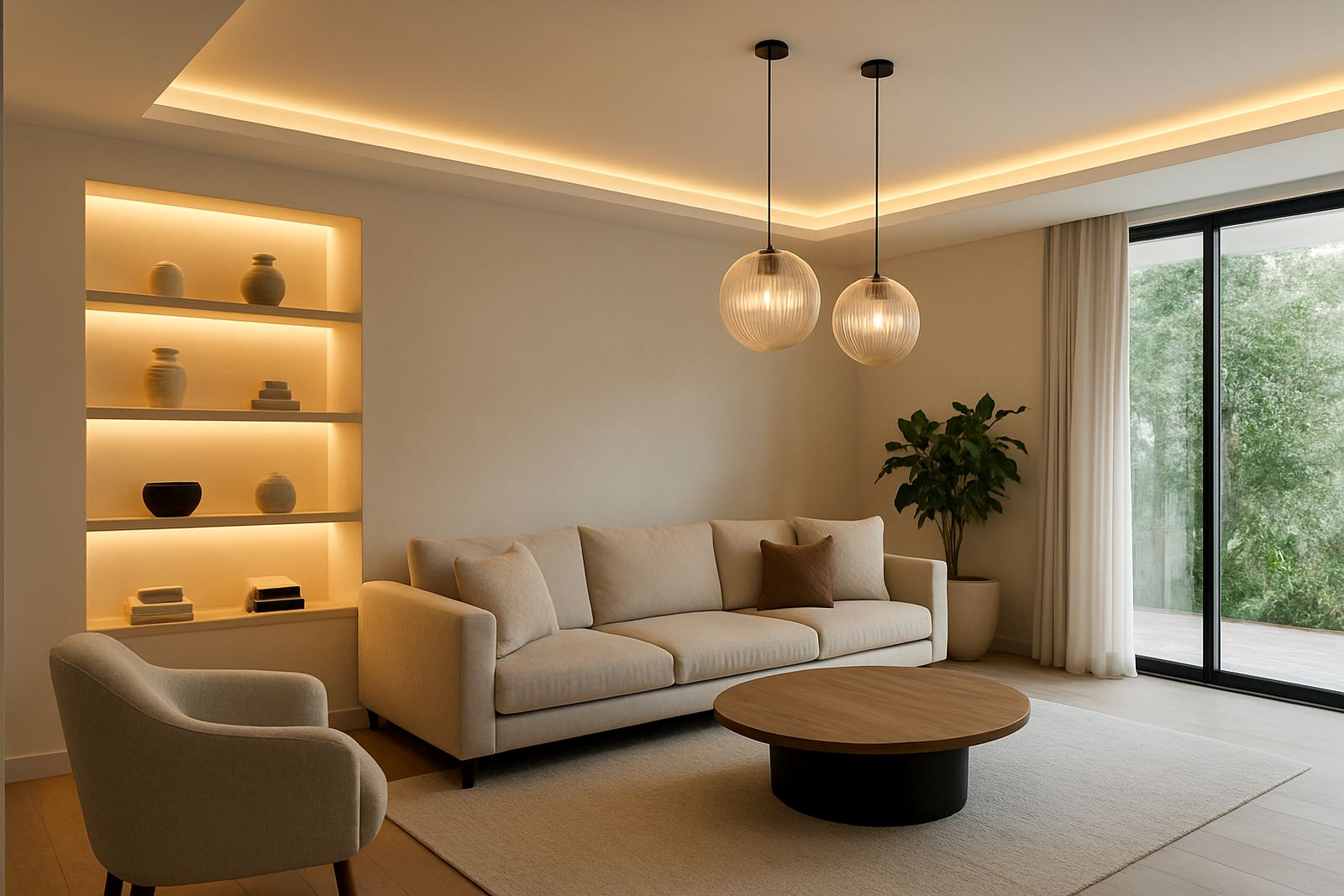
Home lighting projects show how to make everyday spaces usable and comfortable. This includes kitchens that need strong task light, living rooms that need warmer evening levels, and outdoor areas that must cope with weather and security needs. In many homes, the real value comes from control, not just the fittings themselves.
We often look at mixed use homes where entertaining, working and relaxing all happen in the same room. The right lighting plan can separate those uses without adding clutter. It also helps when power cuts or load-shedding interrupt the supply, since the lighting should recover neatly when the power returns.
From Brief To Final Focusing
Each project story follows a practical process from concept design through to installation coordination and post install focusing. That means the early ideas are tested against the site, the fixture schedule is checked, and the final light levels are adjusted once the fittings are in place.
Clients often use these stories to understand how the studio works across different towns and project sizes. A compact retail frontage in Midrand will not be handled the same way as a larger hospitality site in Cape Town, and that is the point. The lighting has to suit the brief, the budget and the building.
- Concept Design for the overall idea and direction.
- Fixture Specification and Layout Plans for the technical side.
- Mockups and Samples where finishes or output need checking.
- Post Install Focusing to fine tune the final result.
How To Use The Project Cards
The listing cards are added separately, so this hub page is here to help you narrow your focus before you open a project. Use the card title to identify the space type, then scan the location and the short summary to see whether it reflects your own brief. If you are comparing options, look for similar ceiling heights, materials and operating hours.
These lit projects are meant to be useful, not just attractive. They give a clear view of how Illumin8d approaches architectural and decorative lighting across South Africa, with designs that fit the space and the way people actually use it.