Why coastal homes need a softer lighting plan
Homes near the coast often get strong daylight, reflective surfaces and long evening views, so the lighting plan has to support the house without fighting it. The aim is not brightness for its own sake. It is to create a steady sense of comfort from the kitchen to the patio, with enough light for reading, dining and moving about safely after dark.
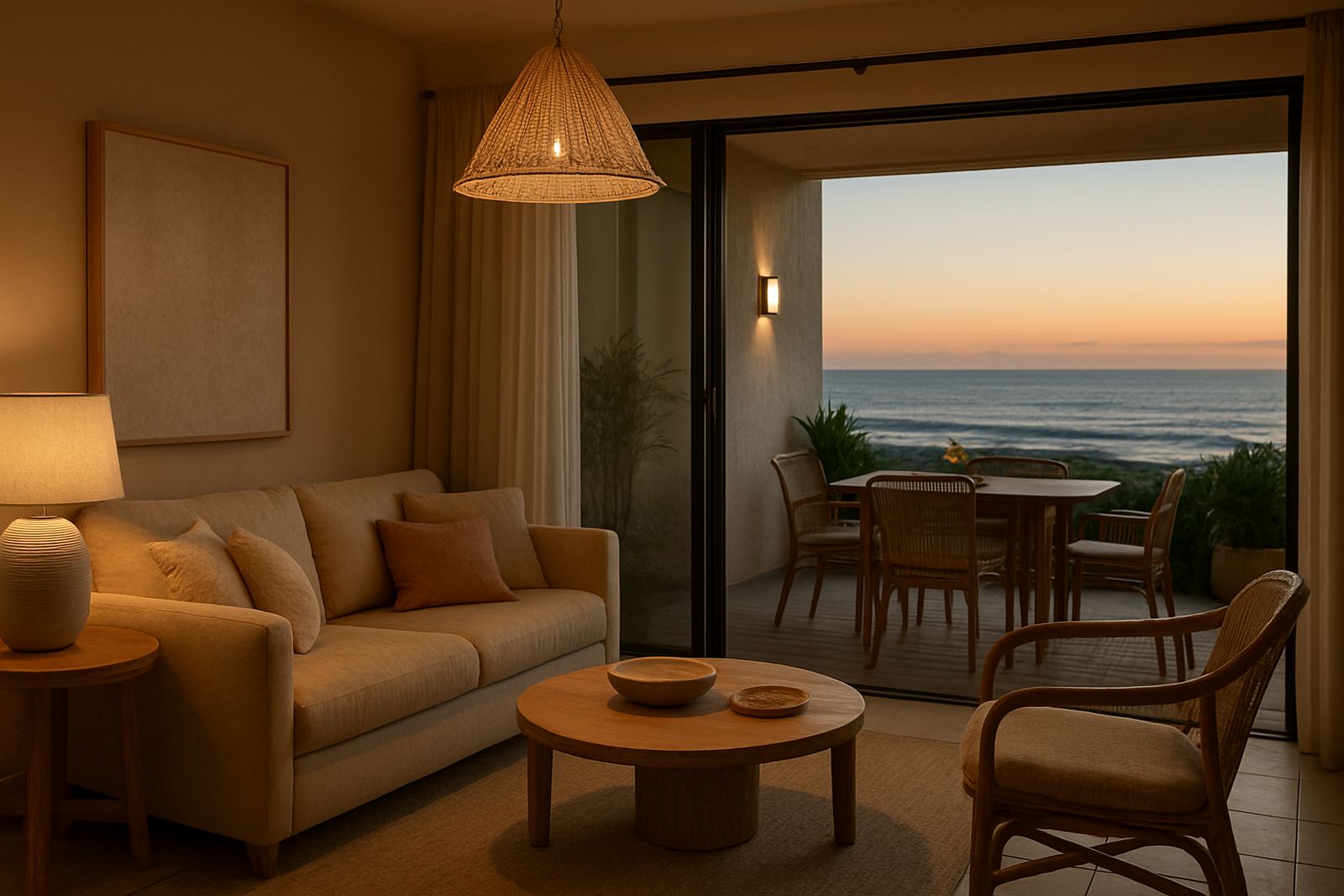
In a coastal setting, people usually move between inside and outside more often. Sliding doors stay open longer, braai areas get regular use and covered verandas become evening rooms. That means the light should shift gently from room to room, instead of changing sharply each time you step outside.
- Use warm white light in living areas and bedrooms for a calmer feel.
- Keep circulation spaces clear and evenly lit, especially stairs and passages.
- Plan for viewing the garden and pool from inside, not just lighting them from outside.
Start with layered light in the main living areas
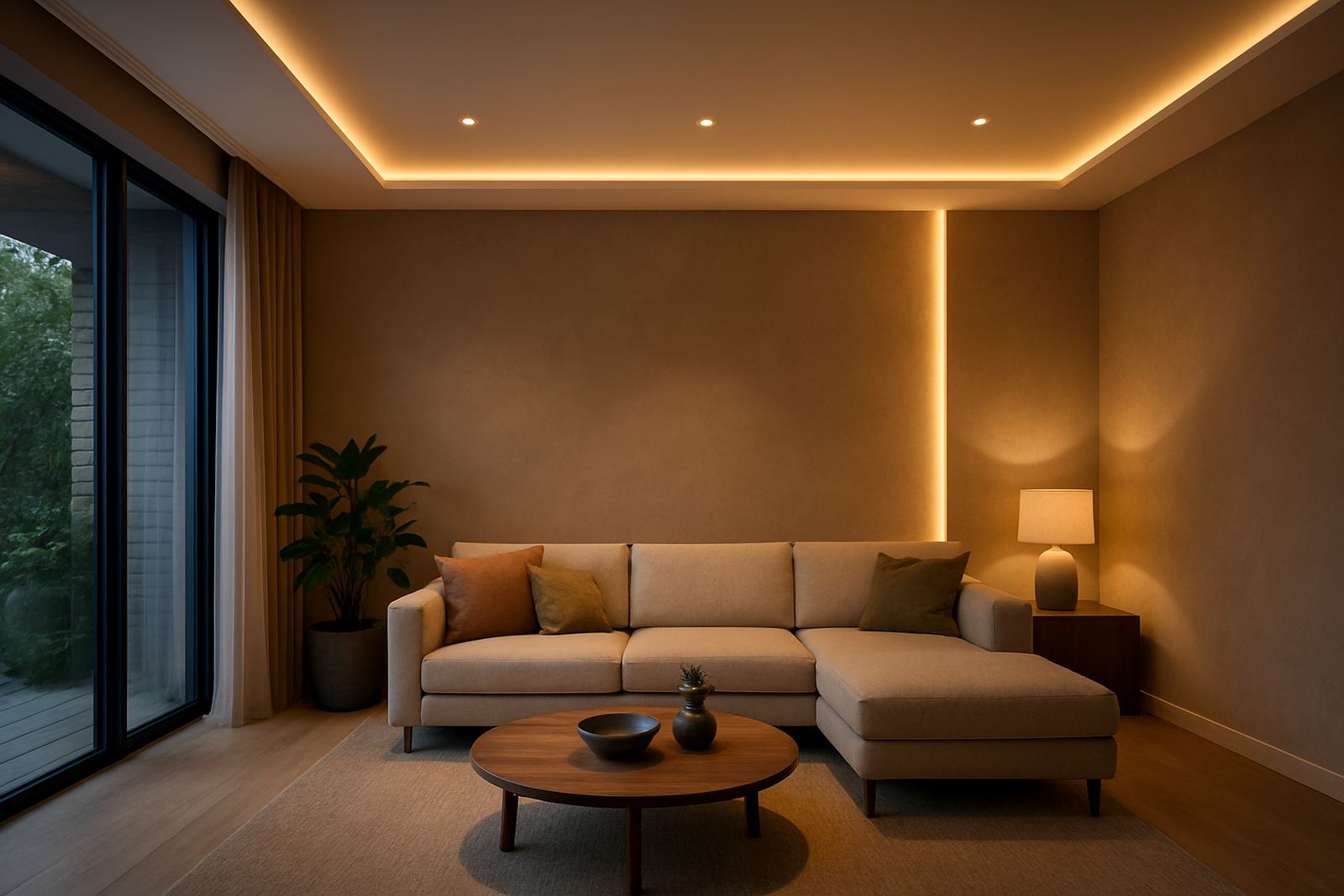
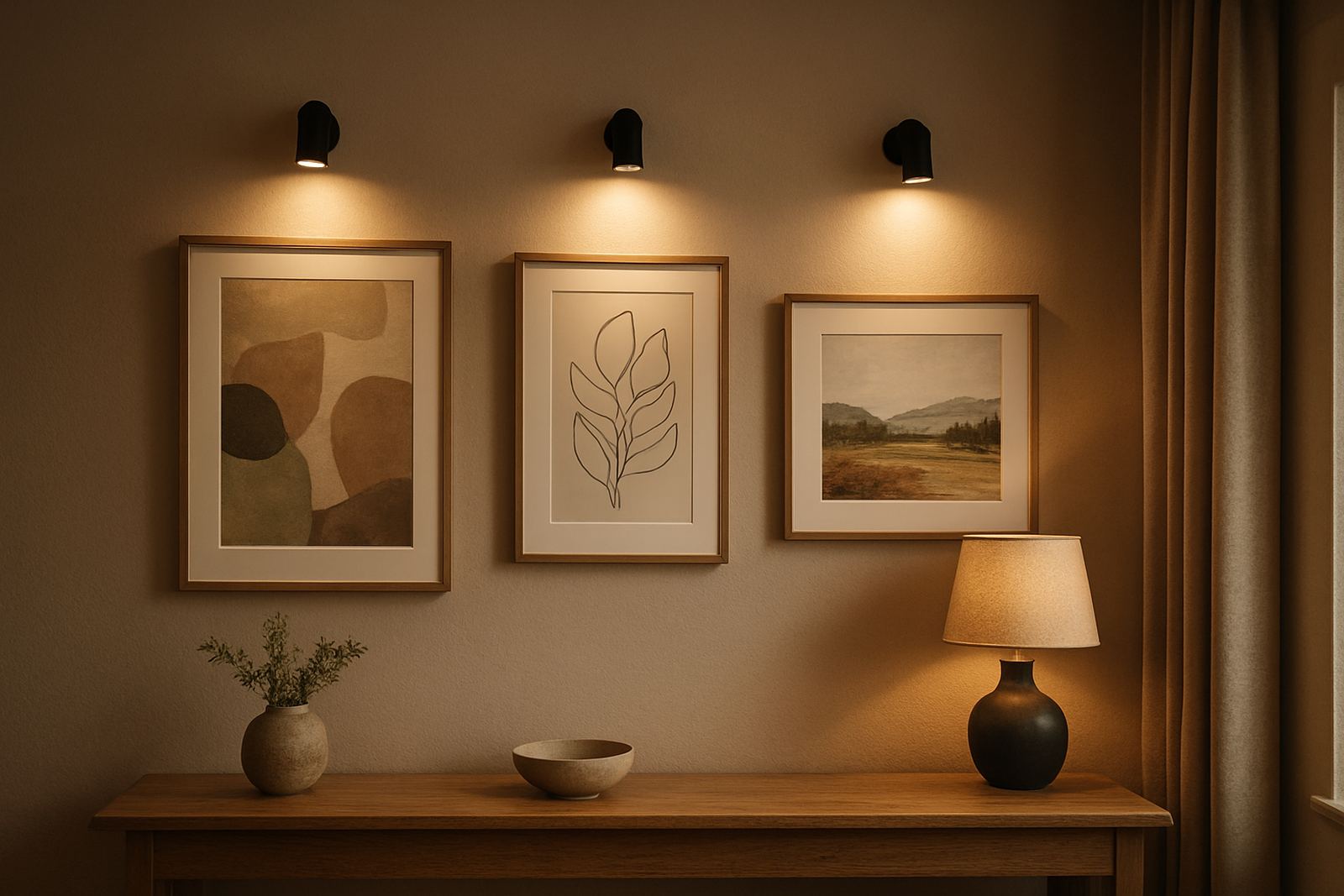
Layered lighting gives a coastal home flexibility. One fitting rarely does enough on its own. A good plan combines ceiling or recessed ambient light, task light where people cook or read, and accent lighting for artwork, textured walls or timber features. This lets a room feel relaxed in the afternoon and still work properly at night.
In open-plan homes around Rosebank or the northern suburbs, this is especially useful because one large space often serves several jobs. A dining table may need a pendant with a wider spread, while a lounge needs softer pools of light that dont glare on the TV. Smaller fittings can also help define zones without using solid partitions.
- Choose dimmable circuits so the space can change through the day.
- Mix wall wash effects with downlighting to avoid a flat look.
- Keep reflective ceiling glare under control in glossy or white interiors.
Choose fittings that suit salt air and high humidity
On the coast, fittings need to cope with moisture, salt and regular cleaning. Even a beautiful light can fail early if it is not suited to the environment. For exterior areas, look for fittings with proper corrosion resistance, sealed housings and suitable mounting details. In covered spaces near Durban or Umhlanga, the wrong finish can mark, pit or discolour sooner than expected.
Inside, humidity still matters in bathrooms, laundries and kitchens. A practical approach is to use fittings that are easy to wipe down and specify materials that will not stain quickly. Where there is sea air coming through open doors, it also helps to keep switching gear and control components in sensible positions, away from direct exposure.
- Use marine-suitable or corrosion-resistant finishes for outdoor fittings.
- Check IP ratings for bathrooms, patios and exposed entrances.
- Avoid decorative materials that will need constant maintenance near the coast.
Outdoor lighting that supports living, not just security
Coastal outdoor lighting should make the home usable at night while still feeling calm. Too much glare can spoil the view and too many beams can make a garden look harsh. Good outdoor light marks the steps, frames the entrance and gives enough visibility around paths, driveways and pool edges, without lighting every corner as if it were a car park.
Security still matters, but it is better handled with good visibility and careful placement than with bright floodlight everywhere. Motion sensors can be useful at side passages and service areas, while low level path lighting gives a more welcoming feel at the front door. Along the coast, it is worth checking that external fittings are securely fixed because wind and weather can loosen poor installations over time.
- Use shielded fittings near seating areas to reduce glare.
- Light steps, level changes and pool edges clearly for safety.
- Place sensors where they help, not where they trigger constantly from moving trees.
Controls for load-shedding and everyday convenience
Many South African homes now need lighting that still makes sense during load-shedding. Coastal homes are no different. A good control plan can separate essential light from decorative circuits, so people can keep moving safely even when power is limited. It can also reduce waste when the house is empty during the week or locked up for holidays.
Simple control choices often work best. Timers, dimmers and well planned switching groups make day to day use easier. In a house with a sea facing lounge, for example, the owner may want a low evening setting for entertaining, brighter task light in the kitchen, and a separate circuit for the patio. That way the whole house does not need to be on at once.
- Separate essential lighting from feature lighting on different circuits.
- Use dimming where it will actually be used, not everywhere for the sake of it.
- Test control positions during installation so switches are easy to reach and logical to use.
A practical example from a Durban family home
A recently planned coastal family home in Durban needed a lighting scheme for a kitchen, lounge, covered patio and small garden. The brief was simple: keep the house bright enough for everyday use, but avoid a harsh look at night. The owners wanted something that felt calm after sunset and worked well when family and guests moved between the braai area and the indoor dining room.
The solution used warm ambient lighting in the main rooms, focused task light over work surfaces and subtle accent light for a feature wall and planted areas outside. The patio lighting was kept low and comfortable, with the entrance and steps given clearer illumination. The result was a home that felt open and easy to use, even during a summer evening when doors stayed open for hours.
For homes like this, the details matter: beam spread, fixing height, circuit grouping and the position of every control point. When those pieces are right, the house feels settled and the lighting supports daily life instead of interrupting it.
Working with a lighting team from concept to final focus
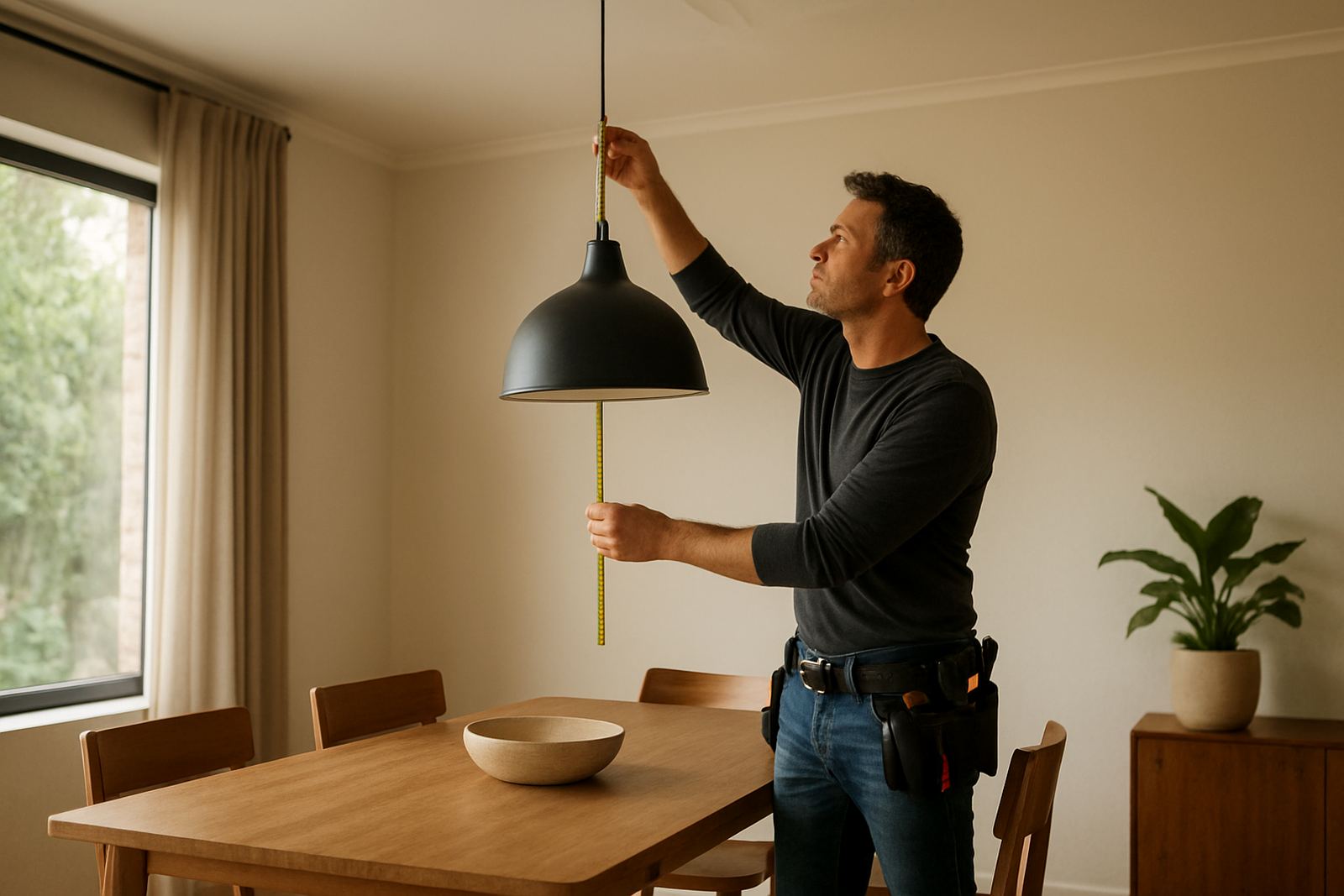
Coastal home lighting is best handled as a proper design process, not a shopping exercise. That usually starts with a site lighting audit, then concept design, fixture specification and layout plans. Mockups and samples help confirm the feel before final installation, while post install focusing ensures the light lands where it should. It saves time later and avoids guesswork.
For homeowners in Johannesburg, Pretoria, Cape Town, Durban and Umhlanga, this approach helps create one clear plan for the whole property. It also makes it easier to balance style with real use, whether the home is a compact apartment near the beach or a larger family house with several outdoor zones. The best lighting is the kind that feels natural every day, not only when the photos are taken.
- Begin with how the house is used in the evening, not just how it looks in daylight.
- Check coastal durability before choosing any exterior fittings.
- Allow time for focusing and adjustment after installation so the final result feels settled.