
Why one overhead light is rarely enough
Many homes still rely on a single ceiling light to do every job in the room. It may switch on quickly, but it does not help much when you are reading on the couch, making supper, helping with homework, or settling in after a long day. The result is usually glare, dark corners and a room that never feels quite right.
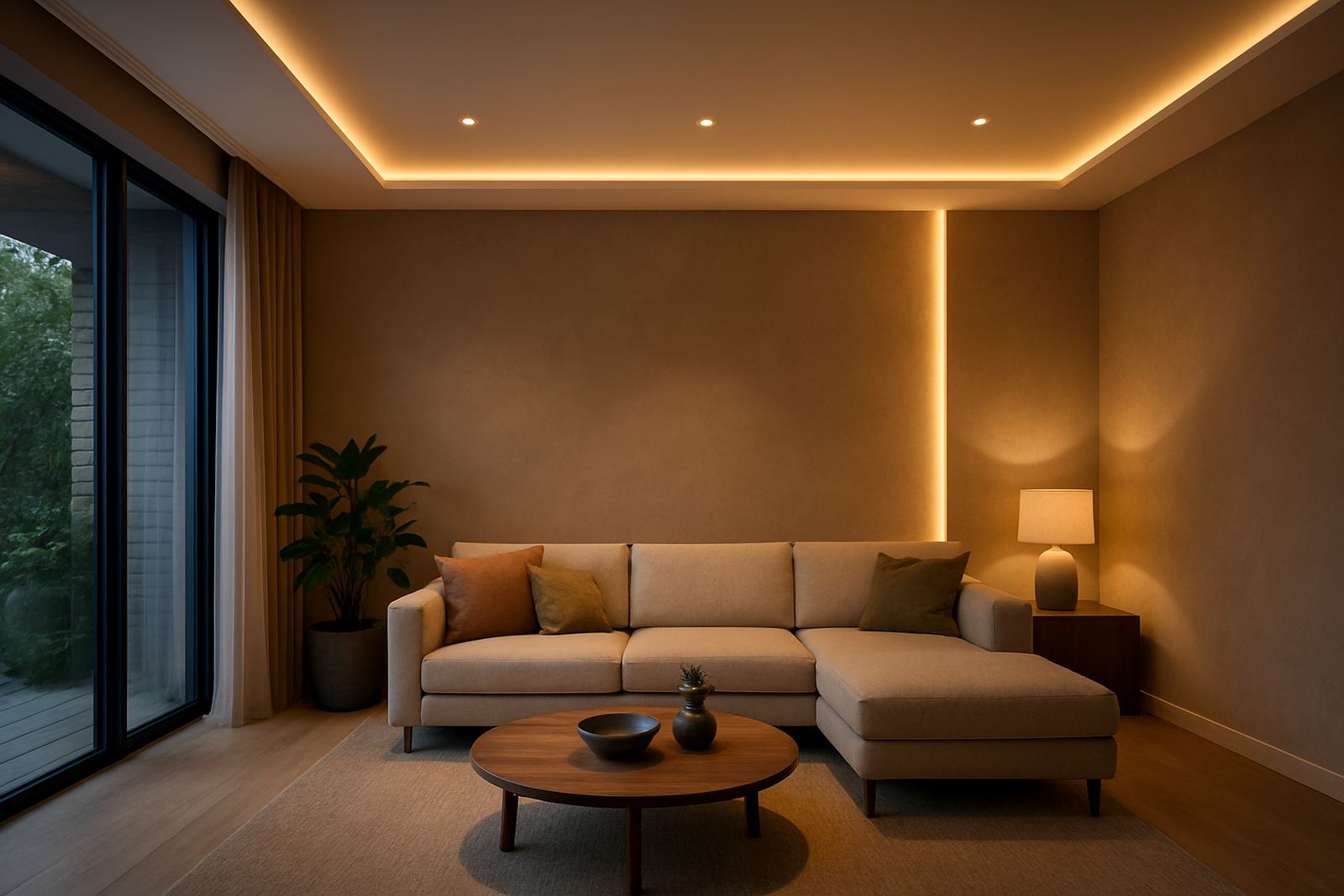
Layered lighting solves that by dividing the work between different fittings. Ambient light gives general brightness, task light supports focused activities and accent light adds depth, interest and a sense of balance. When these layers work together, the room feels calmer and far more usable.
In South African homes, that matters even more during load-shedding. A well planned mix of ceiling, wall and plug-in fittings can keep key areas usable when power is limited, and it can reduce the strain of switching on everything at once when the supply returns.
Start with the room’s real daily use
Before choosing fittings, think about how each room is used during a normal week. A lounge in Rosebank may need soft evening light for family time, strong reading light near a chair and a dimmer option for entertaining. A kitchen in Midrand needs safe, clear light over prep areas, not just a pretty pendant over the island.
Ask simple questions first: where do people sit, where do they read, where is there glare on a television screen, and which surfaces need to be seen properly? Once those answers are clear, the lighting plan becomes easier and much more practical.
- Identify the main activity in each zone.
- Mark any dark corners or awkward walkways.
- Note reflective surfaces like glass, polished stone or mirrors.
- Plan switches so you can light only the areas you need.
That approach also helps in homes with open-plan layouts, where one room often carries several functions at once.
Build layers from ceiling to table level
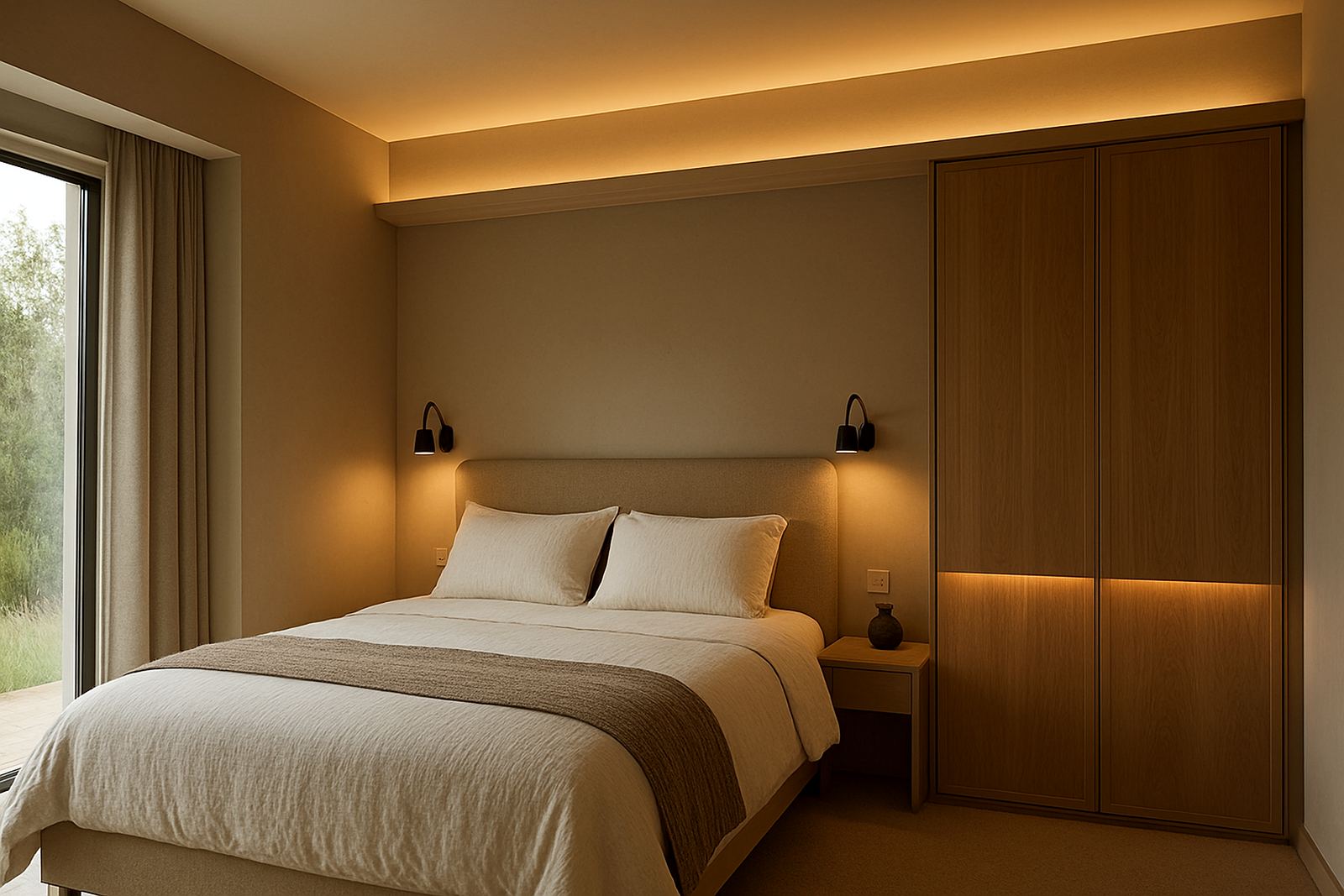
A good home lighting scheme usually starts with soft ambient light from the ceiling, then adds focused fittings where work happens. Downlights can wash a room evenly, but they should be spaced carefully so the space does not feel flat or clinical. In bedrooms, softer pendants or wall lights often give a more restful effect than a single central fitting.
Task lighting should sit close to the job it supports. Bedside lamps, kitchen under-cabinet lights and reading lights beside a chair all make life easier. Accent lighting can then highlight a painting, a textured wall or a shelving unit, adding depth without overpowering the room.
For homes on the coast, especially in Durban or Umhlanga, it is also wise to consider materials and finishes that cope better with humidity. That same practical thinking applies in Johannesburg too, where dust and uneven ceiling heights can affect how light is spread through a room.
Use controls to change the mood without changing fittings
Lighting feels far more versatile when different layers can be switched separately. A bright family room in the afternoon can become soft and relaxed at night if the main lights, lamps and accent fittings are all on separate circuits or control zones. This is especially useful in homes where one room needs to host dinner, kids homework and TV time in the same evening.
Dimmers are worth considering in living areas, bedrooms and dining rooms. They let you lower the level instead of turning lights off completely, which makes the space more comfortable and can help reduce energy use. In practical terms, that means less squinting and fewer harsh shadows.
- Use separate switches for ambient, task and accent lighting.
- Choose dimmers for rooms used after sunset.
- Keep controls easy to reach near the entrance or main seating area.
- Match the switch layout to how the room is actually used.
When controls are planned properly, the home feels easier to live in every day.
A Johannesburg home example: softer evenings in a family lounge
Take a family lounge in Johannesburg with a large sofa, a television, a reading corner and a sideboard that holds art and photographs. One centre light would brighten the whole room equally, but not in a helpful way. It would catch the screen, cast shadows across the reading chair and leave the sideboard looking lifeless.
A layered approach changes that. Recessed ceiling fittings can provide general light, a pair of adjustable wall lights can draw attention to the artwork, and floor lamps near the sofa can handle reading. If the room has a dining nook nearby, a pendant over that table can define the space without needing a wall.
This kind of plan is also easier to live with during power cuts. If the room includes low-wattage fittings and a few standby lights, the family can keep moving safely and comfortably while the rest of the house is off. It is a small thing, but it makes a difference on a winter evening.
Getting the balance right from the first sketch
Layered lighting works best when it is considered early, not added as an afterthought. Once furniture placement, ceiling details and wall finishes are known, it becomes much easier to choose fittings and avoid problems such as shadows over counters or a pendant hanging too low above a table. Fixing those issues later can cost more and may mean opening up ceilings again.
At Illumin8d, our work includes concept design, lighting audits, fixture specification, layout plans, control design, 3D lighting visuals, mockups and samples, installation coordination and post-install focusing. That process helps keep the result practical as well as attractive, whether the project is a home in Sandton, a townhouse in Pretoria or a coastal property in Cape Town.
Good home lighting does not shout for attention. It quietly supports the way people live, eat, rest and gather. When the layers are planned properly, the room feels more generous and you do not need to rely on one bright source to carry everything.
If you are planning a new home, a renovation or just want to improve one room, start with the lighting before the furniture arrives. It makes the whole job simpler.