
What task lighting actually does in a room
Task lighting is focused light placed where work happens. It is not there to light the whole room, but to make a specific surface easier and safer to use. That could be a stove top, a bathroom mirror, a reading chair, a bar counter or a reception point in a shopfront.
In practice, good task lighting cuts eye strain and makes detail easier to see. You notice it most when it is missing: shadows across a chopping board, a dull worktop, or a table that looks fine at midday but feels gloomy at night. In Johannesburg apartments and Durban homes alike, a few well placed fittings often do more than one brighter ceiling light ever could.
Where task lighting earns its keep in kitchens and eating areas
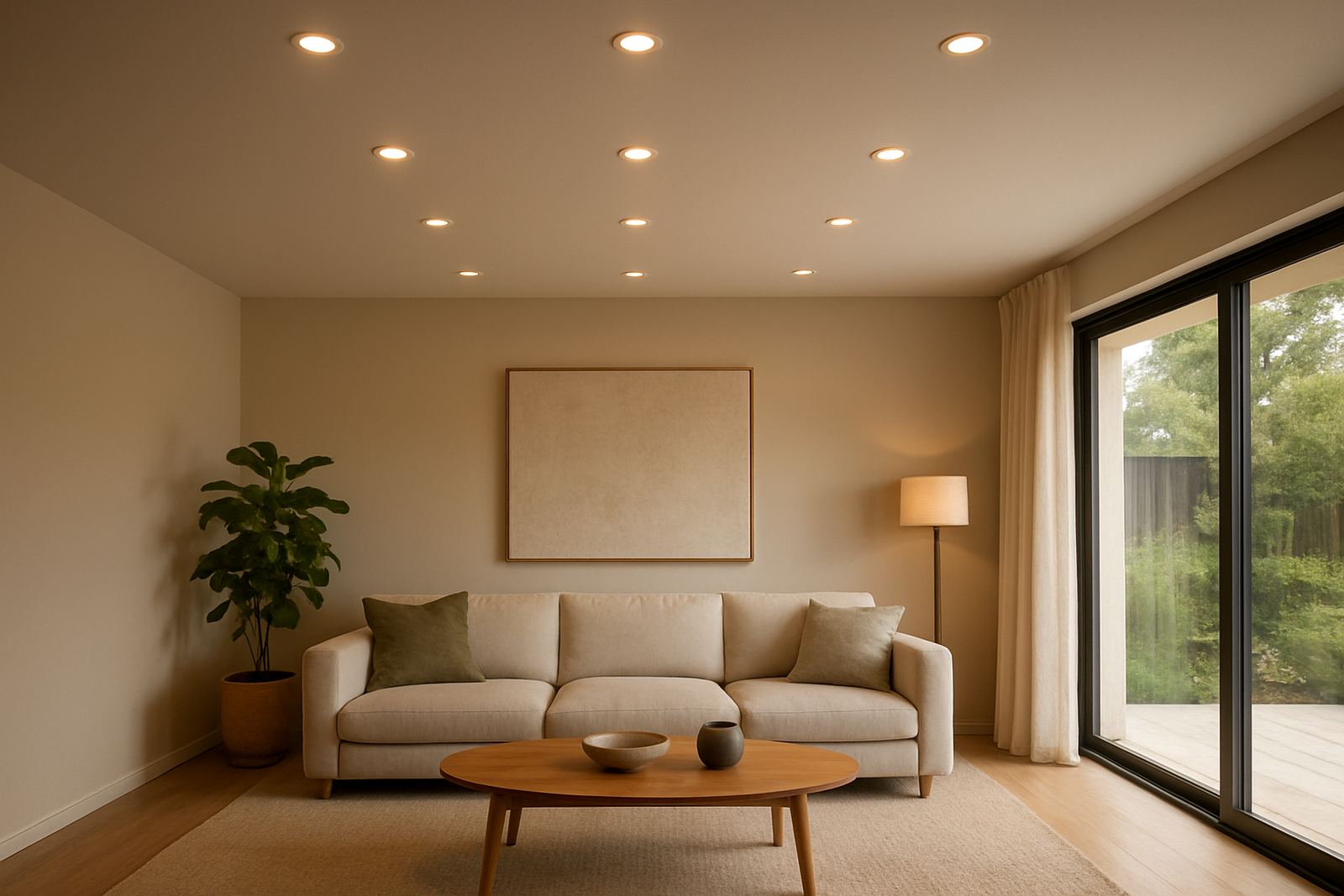
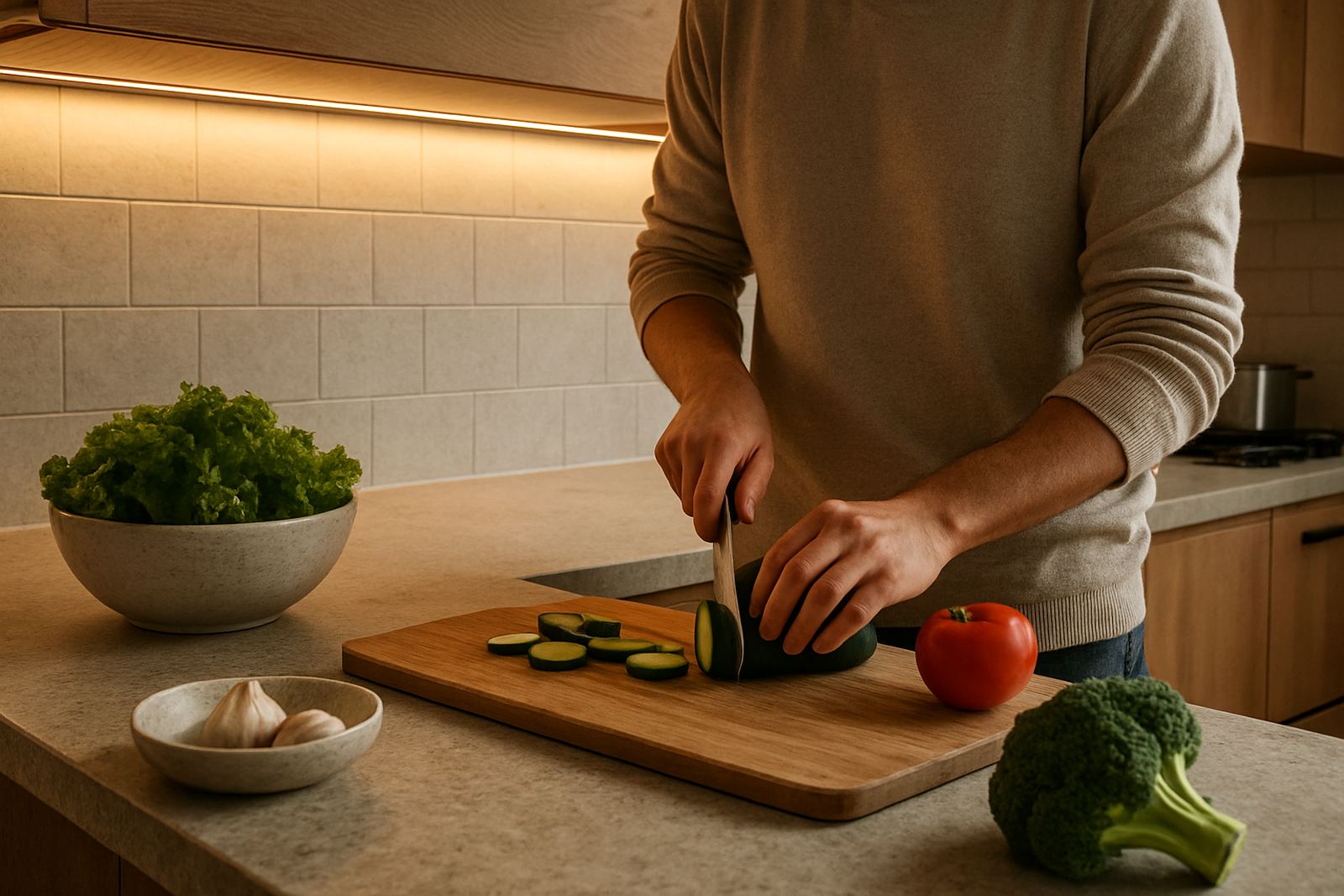
Kitchens are the clearest example. People need strong, direct light over prep areas, sinks and hobs. Downlights alone often leave the person standing at the counter in their own shadow. Under-cabinet strips, pendants over islands and small directional fittings can make food prep far easier.
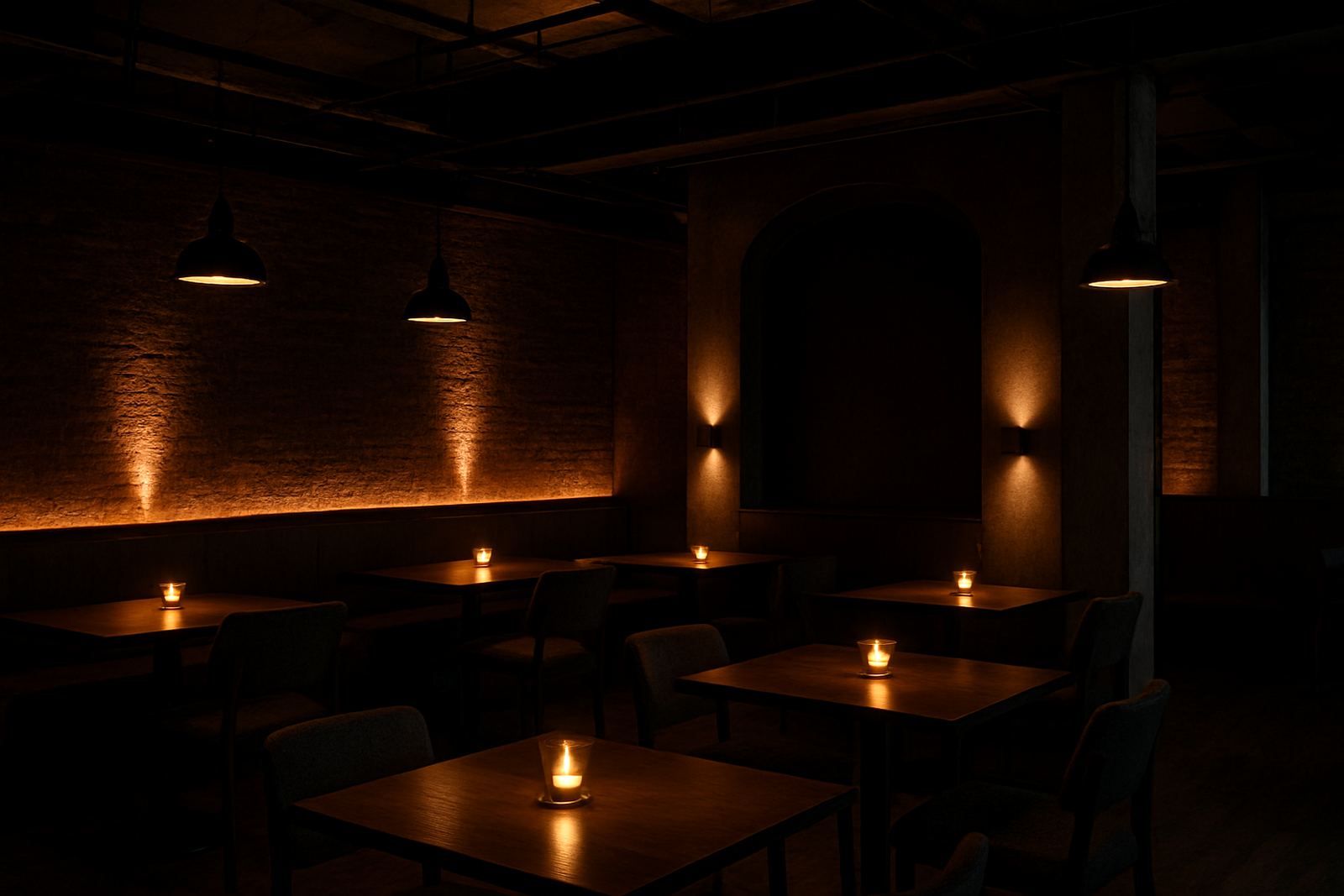
Restaurants need the same thinking, just with more control. Staff need to see plates clearly, read orders and move safely between tables. Guests need enough light to read a menu without feeling like they are under interrogation. The trick is to keep the useful light on the task, while the room around it stays warm and calm.
- Place light in front of the user, not directly behind them.
- Use a warmer tone for dining areas and a cleaner, brighter output for prep zones.
- Check that reflections from polished surfaces do not bounce into people’s eyes.
- Allow for dimming where a room changes from breakfast service to dinner service.
Reading corners, studies and homes that work after dark
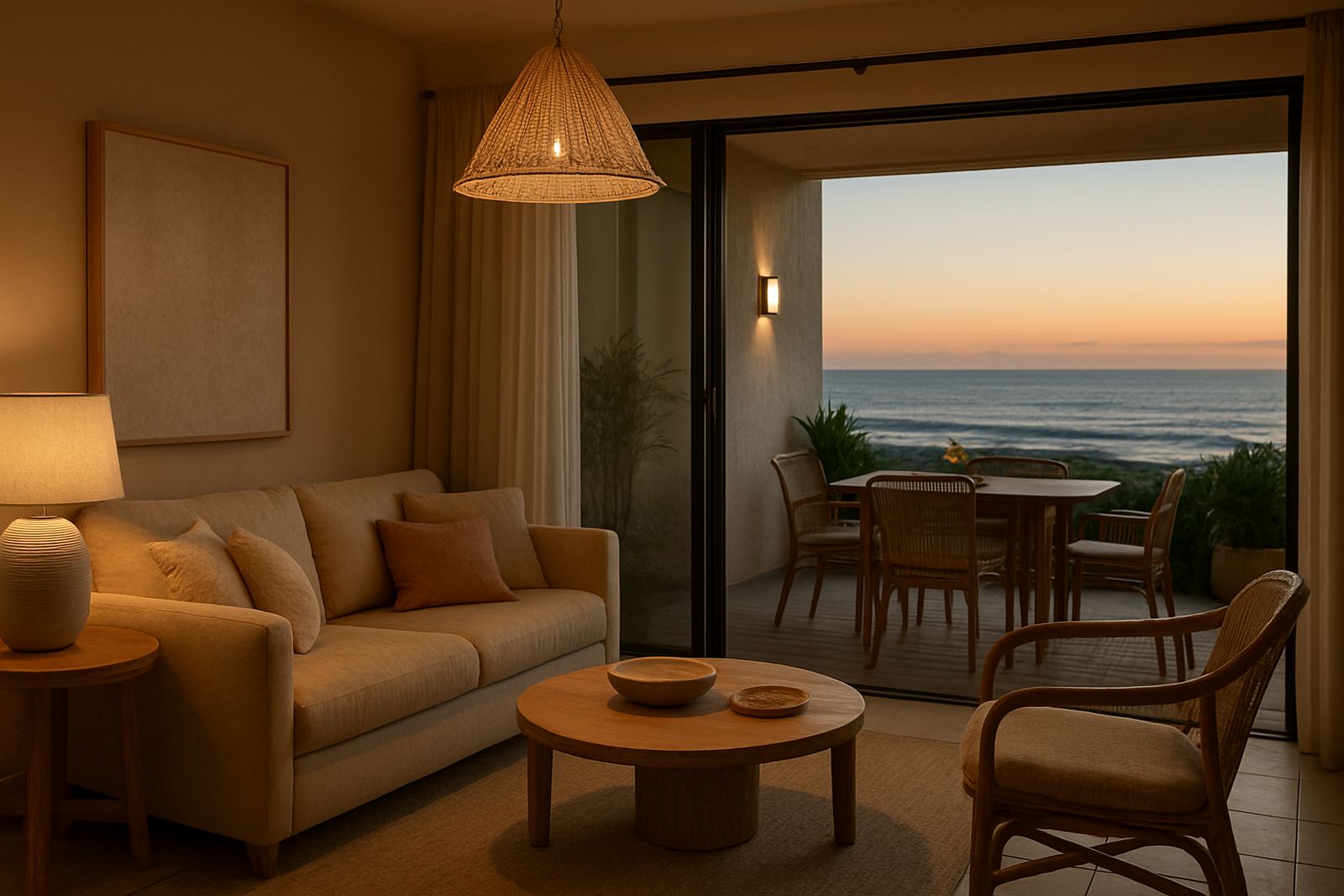
Task lighting at home is often about comfort. A good reading lamp beside a chair can be more useful than a ceiling fitting, because it puts the light where the pages are. The same goes for studies, sewing tables, hobby benches and bedside reading.
In many South African homes the same room does several jobs. One space may be a lounge during the day, a homework area after school and a quiet reading spot at night. That is why portable fittings, adjustable wall lights and carefully aimed spots are so handy. You want enough light to see clearly without flooding the whole room and disturbing others.
For bedrooms, light should be practical but calm. For home offices, higher output and better colour clarity matter more, especially when paperwork, screens and fine print are part of the day.
Shopfronts and counters need visible detail, not just brightness
Retail and shopfront lighting has a different job from home lighting. It must support staff, show products clearly and help the space feel open from the pavement. A good shopfront can use task lighting to highlight counters, fitting rooms, payment points and display shelves without making the entrance harsh.
For a salon, pharmacy, deli or boutique, the right light affects how people work and how they judge colour and detail. If the output is too cool or too uneven, products can look wrong and staff can miss small details. If it is too dim, the space feels tired. Task lighting solves both problems by putting the right level of light exactly where it is needed.
- Use narrow beams for displays and wider spreads for counters.
- Keep fittings positioned so staff do not cast shadows over working surfaces.
- Match lighting levels across key service points for a cleaner look.
- Allow for maintenance access, especially in busy centres where downtime is costly.
Choosing fittings that suit South African conditions
The right task lighting has to last in local conditions. In coastal areas such as Cape Town, Durban and Umhlanga, humidity and salt air can shorten the life of poor fittings. In dry inland areas, dust build-up can be a problem. Good specification matters because a beautiful fitting is not much help if it fails too soon or becomes difficult to maintain.
Think about beam angle, mounting height, dimming control, colour temperature and the finish of the fitting. A matte finish can reduce glare. A well shielded light can protect guests and staff from hot spots. If the space is affected by load-shedding, it is also worth planning how the task areas will still function during outages, whether through backup circuits, selected inverter support or simply lower load on essential zones.
Municipal rules and building limits also matter, especially in shared buildings and busy commercial areas. Any lighting plan should be checked for access, wiring routes and safe installation points before fittings are ordered.
A local example from kitchen to counter
Consider a family home in Rosebank with an open plan kitchen and a small dining area. The main ceiling lights make the room bright enough, but the owners still struggle with chopping and reading recipes at night. By adding under-cabinet strips along the prep run, a pair of focused pendants over the island and a dimmable light near the dining table, the room becomes much easier to use. It also feels better in the evening, when one part of the room needs working light and the other part needs softer light.
The same idea works in a restaurant in Pretoria or a shopfront in Sandton. A practical lighting plan does not simply add more fittings. It places the right light where people actually stand, read, serve and work. That is where task lighting proves its value.
For projects across Johannesburg, Midrand, Cape Town, Durban and Umhlanga, Illumin8d plans architectural and decorative lighting with those day to day details in mind. The aim is simple: make the space easier to use, without losing the look of the room.