
Why a single feature fitting can change the whole room
A carefully chosen pendant, wall light or pendant cluster can do more than fill a dark corner. It can define where people look first, soften plain finishes and give a shopfront or dining area a stronger identity. In South African interiors, where natural light can shift sharply from bright midday sun to early evening darkness, a feature fitting helps keep the space readable after hours.
For a restaurant in Rosebank or a family home in Pretoria, the best feature lights are not always the biggest. They are the ones that suit the ceiling height, table layout and finish around them. A timber ceiling might need warmer tones and a softer silhouette, while a glass fronted shop may need something with more presence and cleaner lines.
Good feature lighting should still work when the power is cut back during load-shedding. That means choosing fittings and controls that can be separated from general lighting, so the main focal point can stay on a backup supply if needed. In practice, this keeps the room usable and stops the atmosphere from collapsing when the lights dip.
Three places where decorative lighting earns its keep
Feature lighting is most useful where people pause, look up or decide where to move next. That makes it valuable in retail, hospitality and residential settings alike. The fitting must look attractive, but it also needs to support flow and function.
- Shopfronts: a statement light near the entrance can help mark the doorway and draw people in from the pavement.
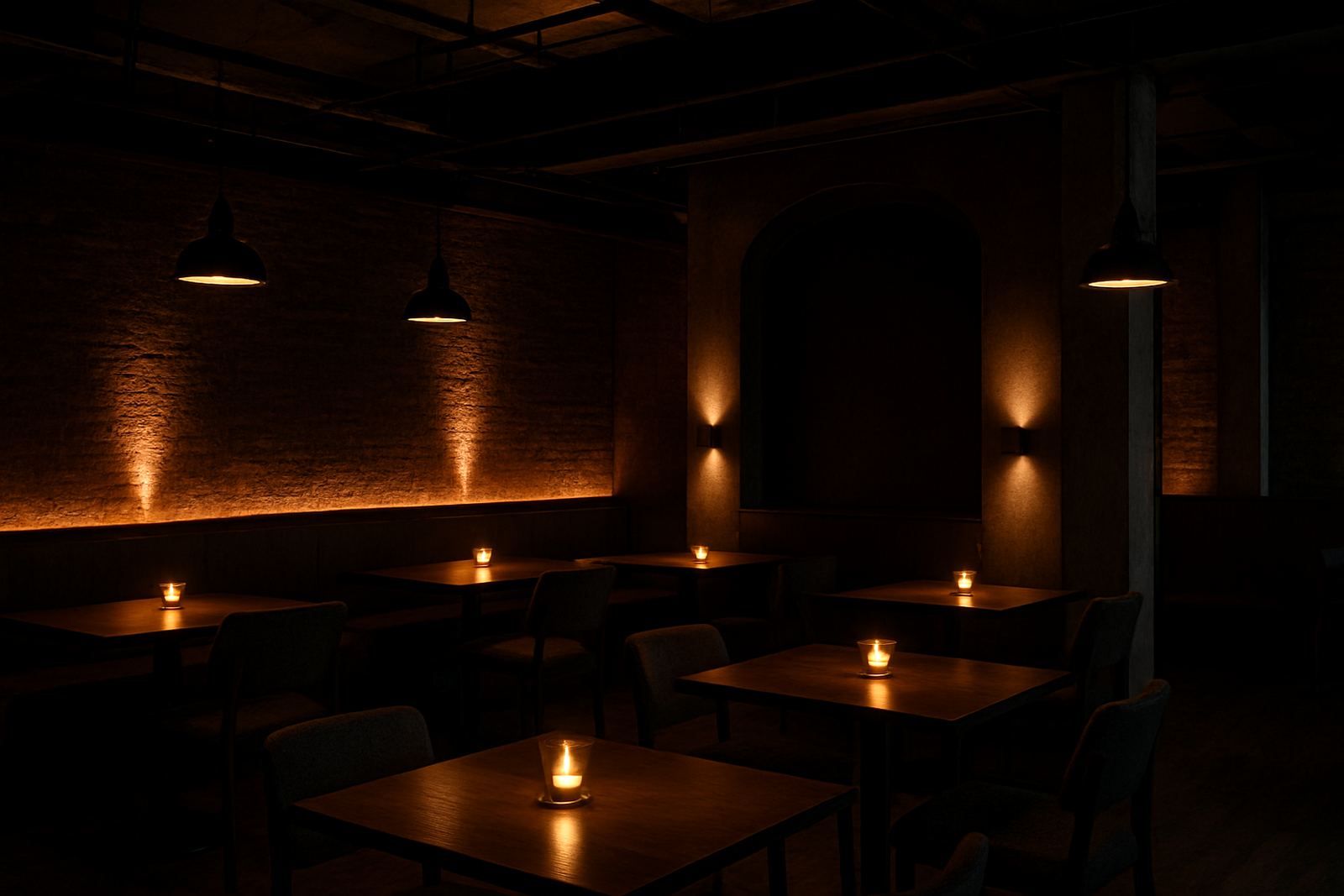
- Restaurants: lighting above a bar, host stand or central table run can anchor the room and set the tone from the first glance.
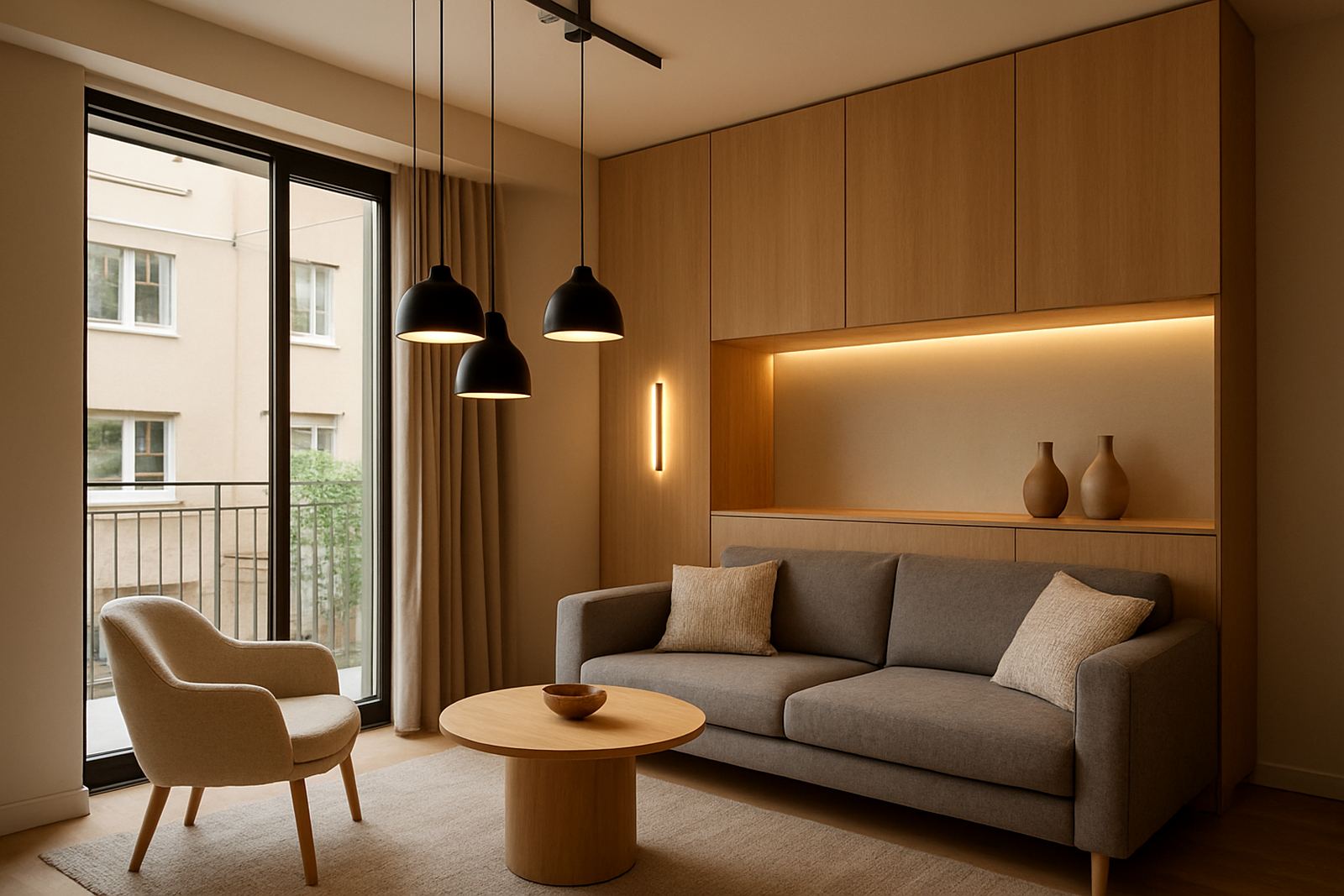
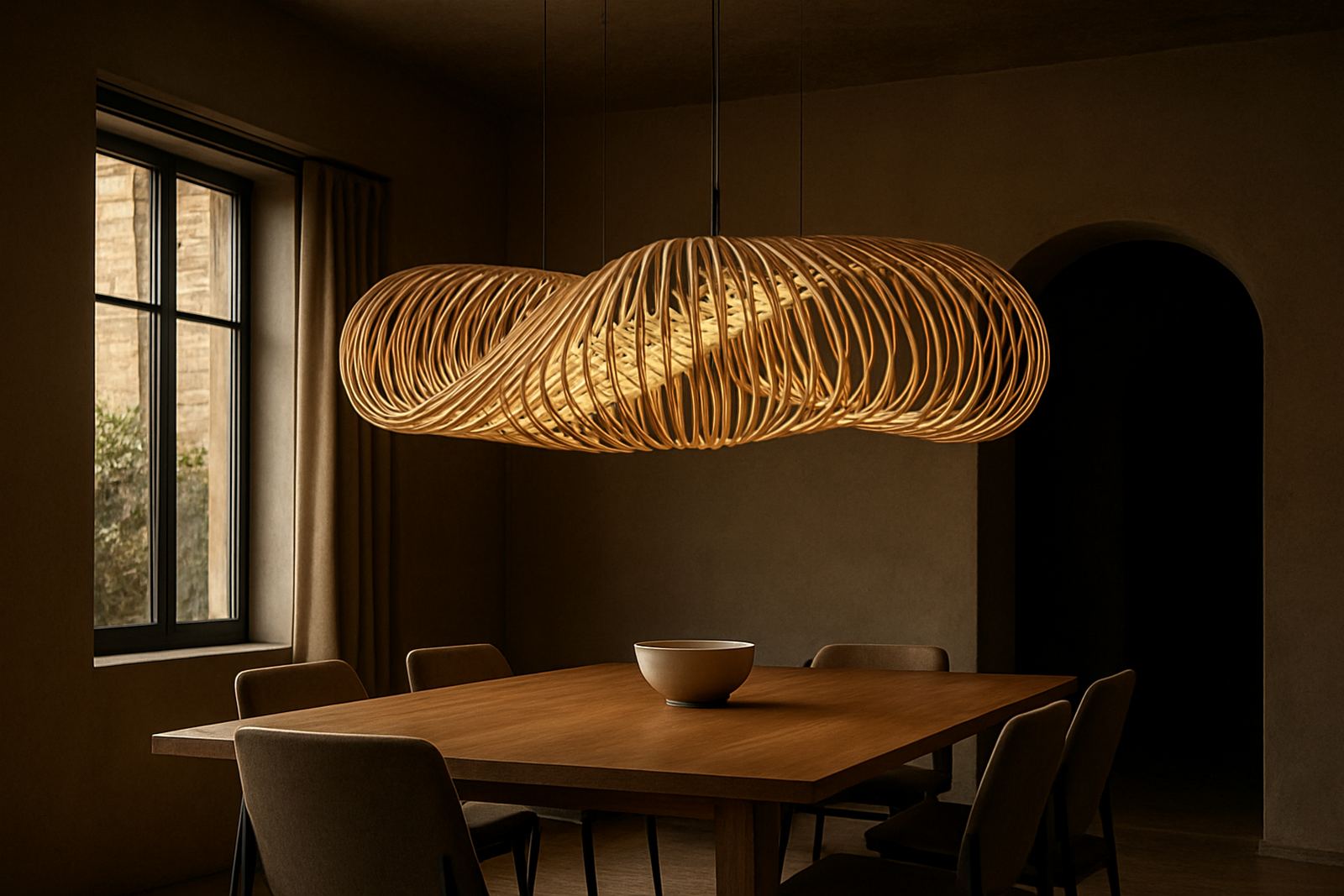
- Homes: a fitting over a stairwell, double-volume lounge or dining table can create a focal point without crowding the space.
In coastal areas such as Umhlanga or Cape Town, finishes need to be chosen with humidity in mind. Metal parts can tarnish faster near the sea, so the practical side of the decision matters as much as the look. A beautiful fitting that deteriorates in a year is not good value.
When the building has a strict body corporate or landlord requirement, as is common in Sandton mixed-use spaces, the feature light should also be easy to maintain and install without major changes to the ceiling structure.
How to choose the right scale, shape and finish
Scale is where many good ideas fall apart. A fitting that is too small disappears, while one that is too large can overpower the room and leave everything else feeling awkward. The simplest way to judge it is to look at ceiling height, furniture size and the amount of visual competition in the space.
As a rule, higher ceilings can carry larger forms and longer drops. Lower ceilings usually need flatter profiles or compact pieces with a strong shape. In a narrow passage or small dining area, repeated smaller fittings can work better than one oversized piece because they keep the eye moving without making the room feel heavy.
Finish matters just as much. Dark metal can add definition against pale paintwork, while smoked glass or brass tones can bring warmth to softer interiors. In a commercial space, the finish should also support the brand. A contemporary café may need a cleaner, more minimal line, while a boutique shop in Midrand might prefer something with more texture and character.
- Check ceiling height before selecting any drop length.
- Match the fitting size to the furniture below it, not only the room size.
- Keep cleaning access in mind, especially on high ceilings.
- Choose finishes that suit the climate and maintenance plan.
Layering feature lighting with practical light
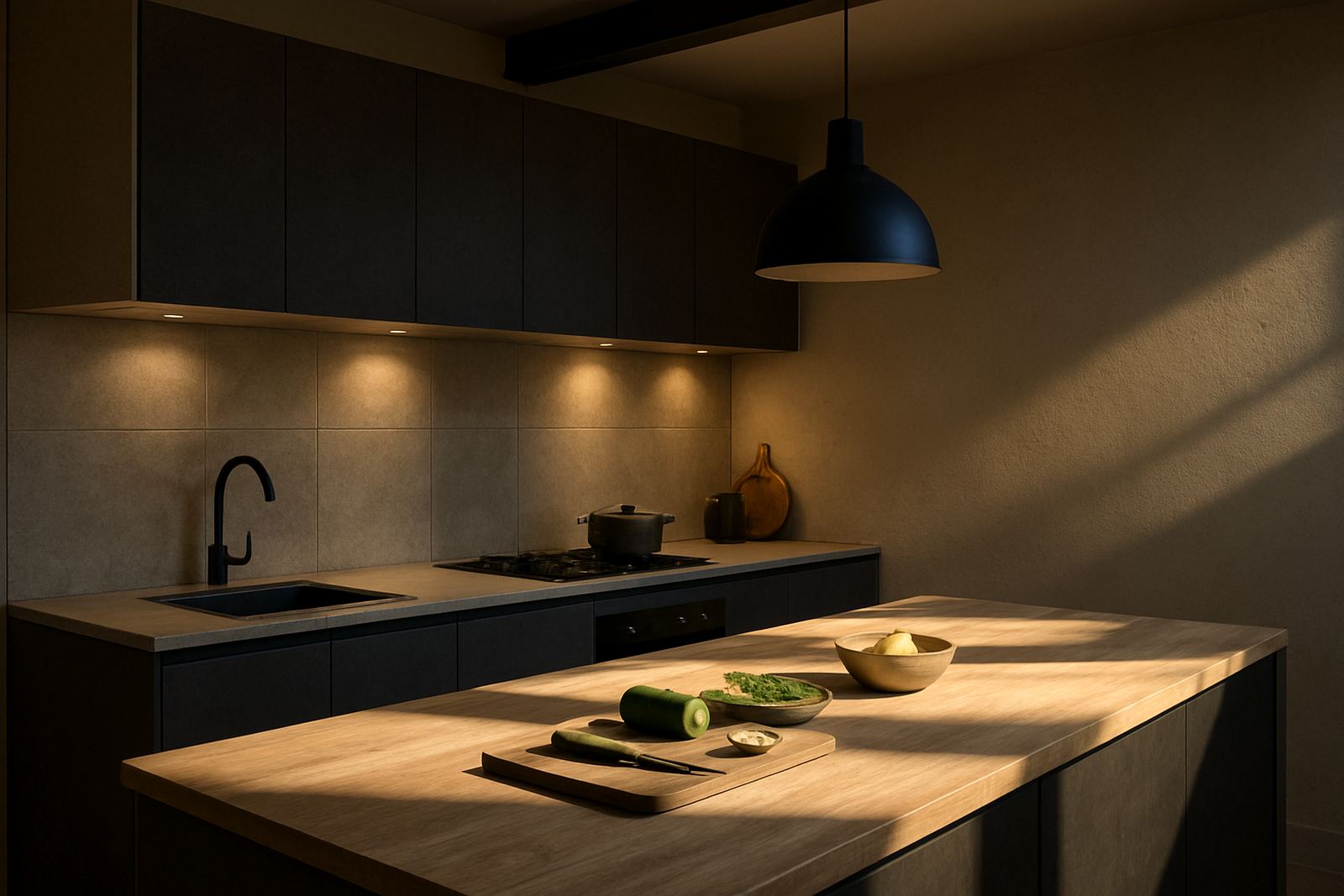
A feature fitting should never carry the entire lighting load on its own. It works best when it sits inside a layered plan that includes general lighting, task light and accent light. This is what makes a room look finished in the day and still usable at night.
In a restaurant, for example, the decorative pendants might give the room identity while discreet downlights handle circulation and table visibility. In a home, a sculptural fitting over the dining table can be supported by wall lights, strip light in joinery or soft indirect light around the room edges. The result is calmer and far easier to live with.
Controls also matter. Dimming lets the owner shift the mood between lunch and dinner, or between weekday and weekend use. For homes in Johannesburg and Pretoria, this is especially useful in open-plan living areas where one light level never suits every activity. A well planned control setup also keeps energy use sensible, which is important when electricity costs keep climbing.
When feature lighting is paired with sensible switching, the room can change without any need to change the fittings themselves. That makes the investment last longer and keeps the space flexible for future use.
Local example: a Rosebank entrance that needed a clear point of focus
Consider a retail entrance in Rosebank with a deep frontage, tinted glazing and a ceiling that disappeared into shadow after sunset. The owners wanted passers-by to notice the shop without making the entrance feel harsh. A single fitting would not have been enough, so the answer was a grouped decorative arrangement above the threshold, backed by careful wall wash on the signage and a modest pool of light on the doorway.
The point was not to flood the entire façade. It was to create one clear visual anchor that tied the glazing, signage and entry door together. Once the fitting was set at the right height and the lamp output was balanced with the rest of the front elevation, the shop looked more welcoming and easier to identify from the street. Small changes made the biggest difference, especially after dark when nearby traffic and trees could otherwise swallow the frontage.
That same thinking works in homes and restaurants too. In a suburban house, the feature light might sit above the dining table. In a dining room on a busy urban street, it might define the bar or waiting area. The principle stays the same: one strong idea, placed correctly, does more than several random fittings scattered around the room.
What to brief before the fitting is ordered
Before any decorative fitting is specified, the design team should know what the room is meant to do, how the ceilings are built, and what maintenance access is available. It also helps to know if the space will be used during load-shedding, whether the building has dimming requirements, and if there are any landlord or municipal restrictions that affect installation.
- Room purpose and opening hours.
- Ceiling height and ceiling construction.
- Available power points and switching positions.
- Whether the fitting must work with backup power.
- Cleaning, access and maintenance requirements.
For project work across Johannesburg, Pretoria, Cape Town, Durban and Umhlanga, this planning step saves time later. It also prevents the common mistake of choosing a light that looks good in isolation but fails once it is on site. Decorative lighting should be the last piece of the puzzle, but it must be considered early enough to avoid costly changes.
When done properly, feature lighting becomes part of the architecture rather than something added at the end. That is what gives a room a point of view, not just more light.