
Start with the way the apartment is actually used
Most city apartments are asked to do a lot. A lounge may also be the dining room, study and TV room, while a compact kitchen often opens straight into the living area. That means the lighting plan has to support different moments in the same space, not just one general glow. In practice, the best apartment lighting starts with how you live day to day, then works backwards to the fittings.
In Rosebank, Sandton and similar central areas, we often see apartments with large windows, hard finishes and limited ceiling space. The answer is not to add more fittings for the sake of it. It is to place light where it helps, and leave the rest calm. Good apartment lighting should feel natural from morning to night, and it should still look balanced when the curtains are drawn and the power is off.
- Identify the main activities in each room before choosing fittings.
- Separate general light, task light and mood light.
- Use switch groups so one room can work in more than one way.
Choose fittings that suit smaller rooms and lower ceilings
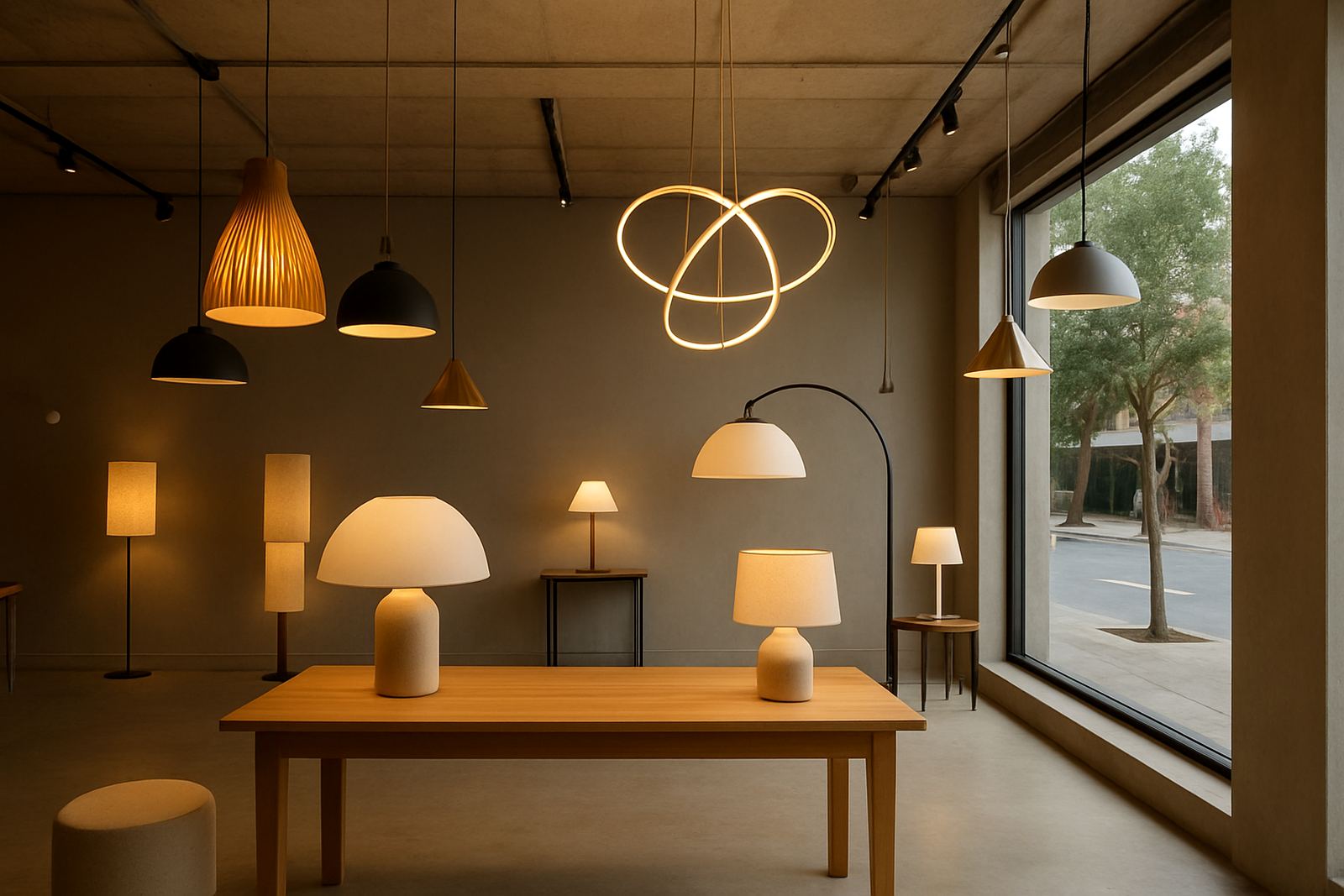
City apartments often have bulkheads, concrete slabs and tight ceiling heights, so the fitting choice matters. Large hanging pendants can crowd a room, while very small fittings may disappear and leave the space looking unfinished. The right scale is important. Recessed downlights, slim surface fittings and wall lights can all work well if they are planned properly.
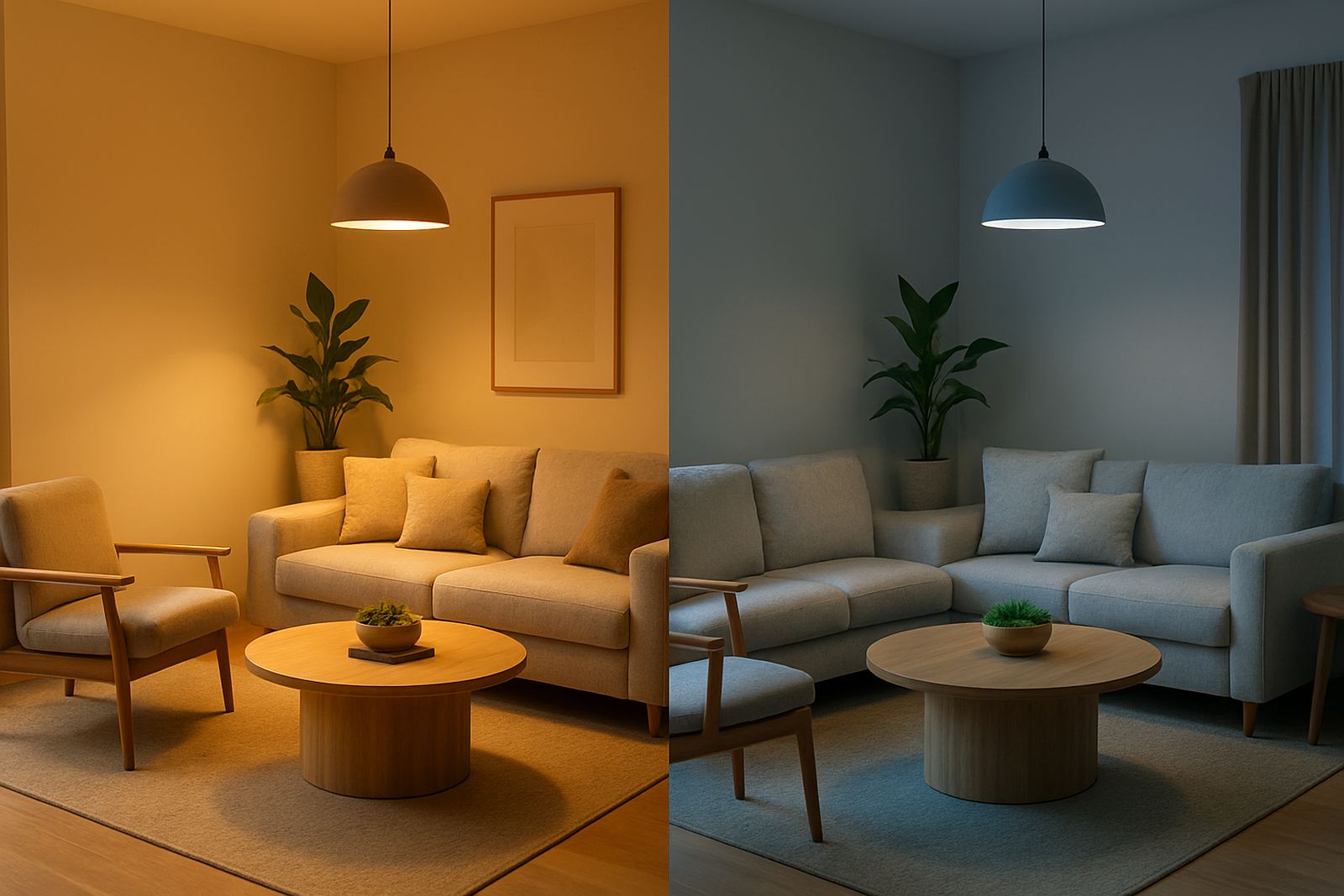
For one-bedroom and studio apartments, spacing is often more important than quantity. A few well-placed fittings can give better results than a row of lights that flatten the room. Warm white light usually works best in living spaces, while a slightly cleaner white can help in kitchens and bathrooms. The aim is to keep the apartment practical without making it feel cold.
- Use low-profile fittings where ceiling height is limited.
- Keep pendant sizes proportional to the room and furniture below.
- Pick finishes that suit the apartment style, from matt black to brushed metal or white.
Layer light so the room can change through the day
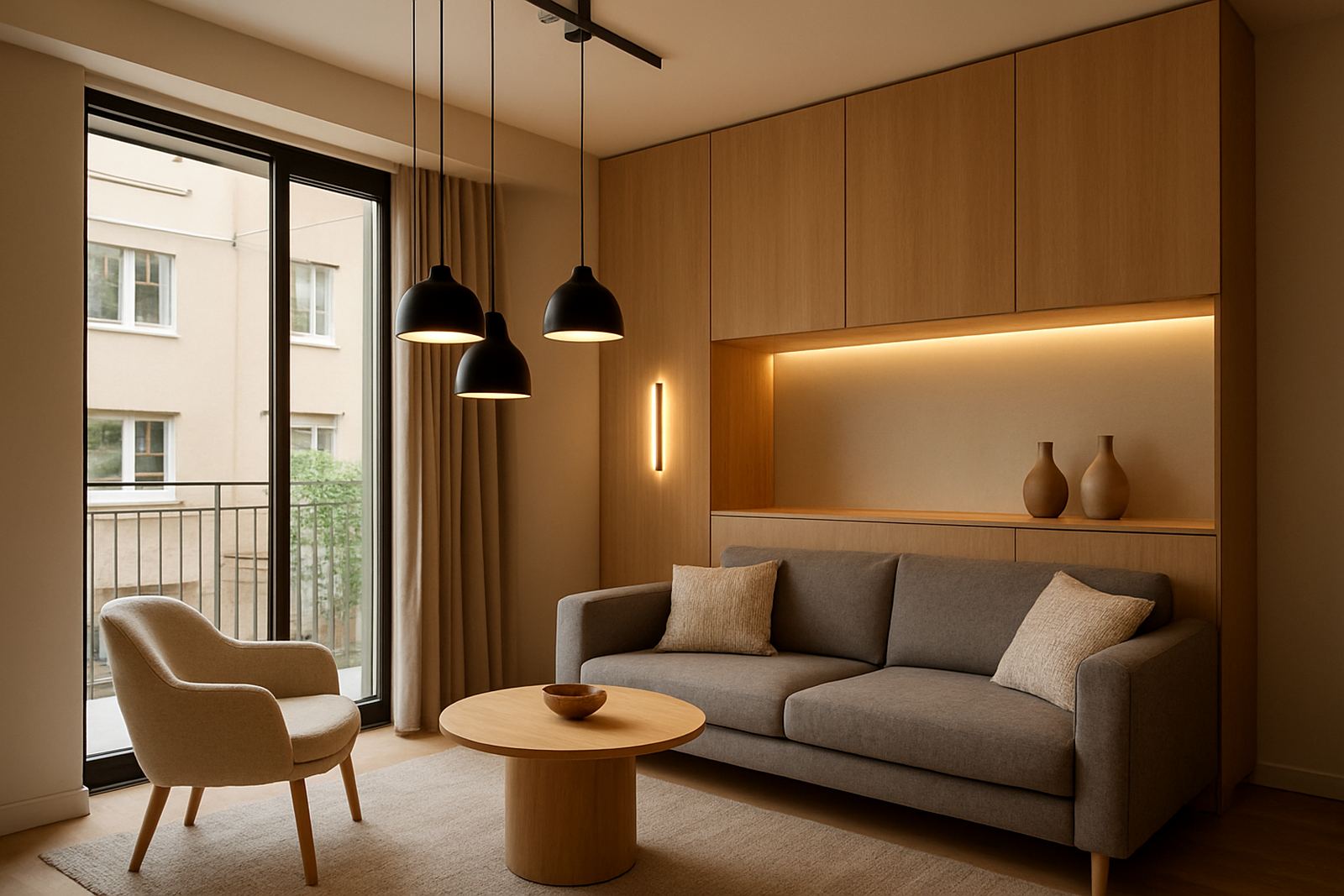
A good apartment needs layers. One layer gives overall light, another supports tasks, and a third brings depth or atmosphere. Without layers, a space can feel flat at night and overlit during quiet moments. This is especially true in open-plan flats where the kitchen, dining table and sofa area all sit close together.
Layering can be simple. Ceiling fittings handle the base level, a lamp near the couch helps for reading, and under-cabinet lighting makes food prep easier without filling the whole room with brightness. In bedrooms, bedside lighting matters because it reduces the need to switch on the main light late at night. The result is a home that feels more settled, and a lot more comfortable after a long day in the city.
- Use ceiling light for general movement and cleaning.
- Add focused light for reading, cooking and working.
- Include softer accent light for evenings and guests.
Make the most of daylight and the apartment outlook
Many Johannesburg and Cape Town apartments have strong daylight during the day, but the light changes quickly as the sun moves or as neighbouring buildings block it. That means artificial lighting should work with daylight, not fight it. If a room gets good morning sun, you may need less daytime light there and more control for evenings. If a space sits deeper in the plan, it may need more careful support from fittings.
Window treatments also affect the result. Sheer curtains can soften glare without making the room dark, while thicker blinds may be needed for west-facing rooms that heat up in the afternoon. Coastal apartments in Durban and Umhlanga can also have more humidity and salt air, so fittings should be selected with maintenance in mind. A little planning up front saves trouble later.
In one Rosebank apartment overlooking the treetops, we used a simple combination of recessed light in the passage, a feature pendant over the dining table and wall lights in the bedroom. The owner wanted a calm space for evenings after commuting into the city. The final result felt lighter and more open without adding clutter. It was practical, but still had personality.
Use controls to suit load-shedding and daily routines
In South Africa, lighting control is no longer an extra. It is part of how an apartment functions. When the power drops, you want the important lights easy to reach and simple to manage. If the lights are grouped badly, you may end up switching on too much at once or standing in the dark trying to find the right control.
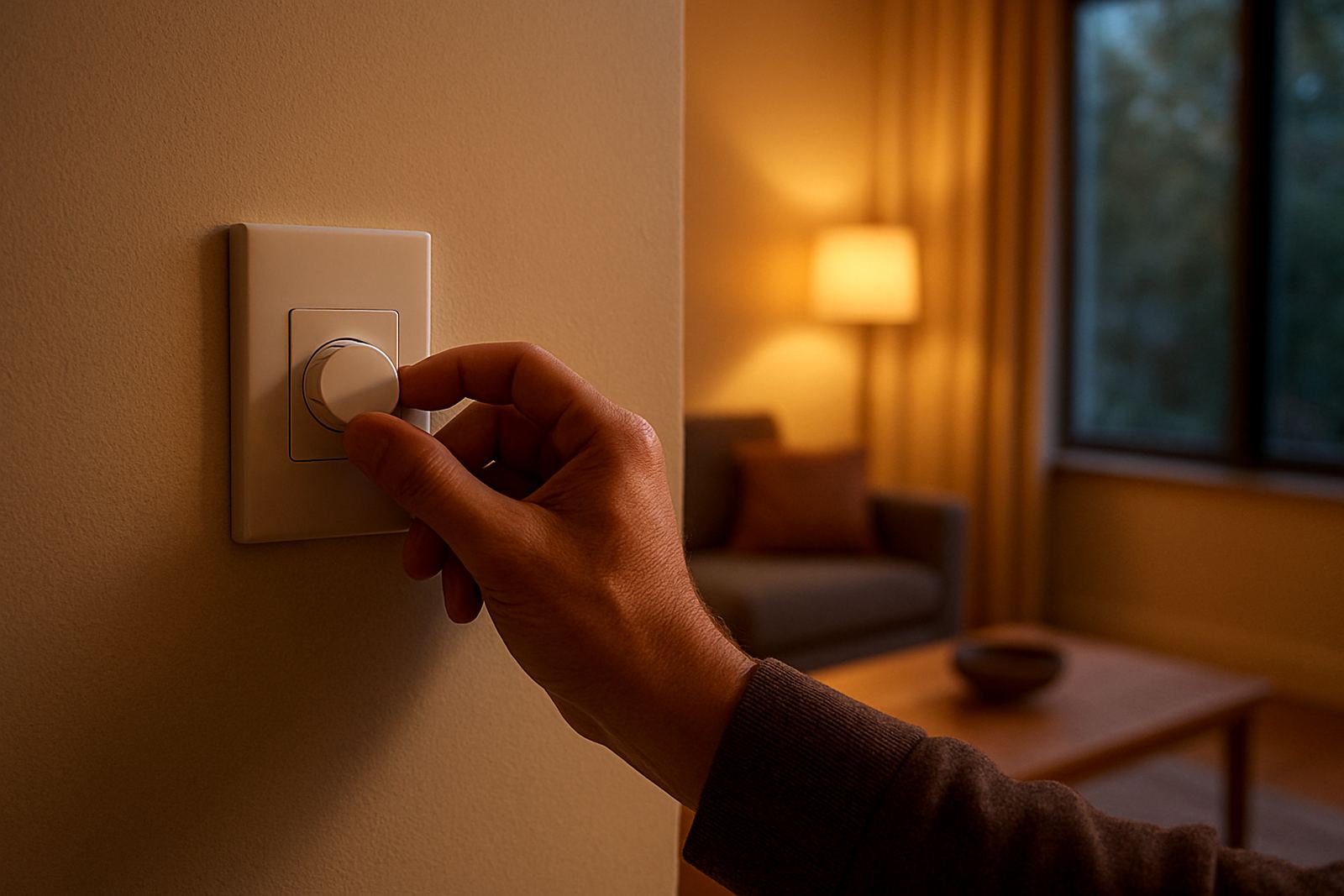
Simple controls make a real difference in apartments. Dimmer circuits, separate switching for each zone and battery backed emergency fittings in key areas all help. In compact homes, one switch for the whole apartment is rarely enough. Better control also means better energy use, which matters when electricity bills are climbing and people want to keep monthly costs under control.
- Separate kitchen, living, bedroom and passage switching where possible.
- Use dimming in living areas for evenings and entertaining.
- Keep essential path lighting easy to access during outages.
Plan the details that make small spaces feel finished
The smaller the apartment, the more the detail matters. A poorly placed fitting can create glare on a TV, shadowing over a mirror or a dark corner that makes the room feel smaller than it is. Good design considers trim colour, beam spread, mounting height and where people naturally sit or walk. That is the difference between lighting that simply works and lighting that feels considered.
In bathrooms, mirror lighting should help with grooming without throwing shadows on the face. In kitchens, the counter needs clear light from the front or underside, not just from above. In hallways and entrances, light should guide movement without taking up visual space. Even a small apartment can feel well planned when every fitting has a reason for being there.
For homeowners in Midrand, Pretoria or central Johannesburg, the best results often come from a short site check before any specification is finalised. Ceiling heights, existing wiring, window direction and furniture layout all affect the outcome. Once those details are mapped, the apartment can be lit with a lot more confidence and far less guesswork.