
Why depth starts with where the light lands
When people talk about good lighting, they often mean brightness. That is only part of the job. Depth comes from contrast, shadow and the way a beam shapes the room around it. A plain wall can feel flat under even lighting, but add a grazing light from one side and suddenly the plaster, brick or timber reads with more character. The same applies in shopfronts, restaurants and homes from Rosebank to Umhlanga.
For South African interiors, this matters even more because spaces have to work hard. In a retail store, depth helps draw the eye from the entrance to the display wall at the back. In a restaurant, it softens the room and gives diners a sense of privacy. In a home, it keeps a passage, double-volume stairwell or open-plan living area from feeling one-note.
Use layers instead of one bright fitting
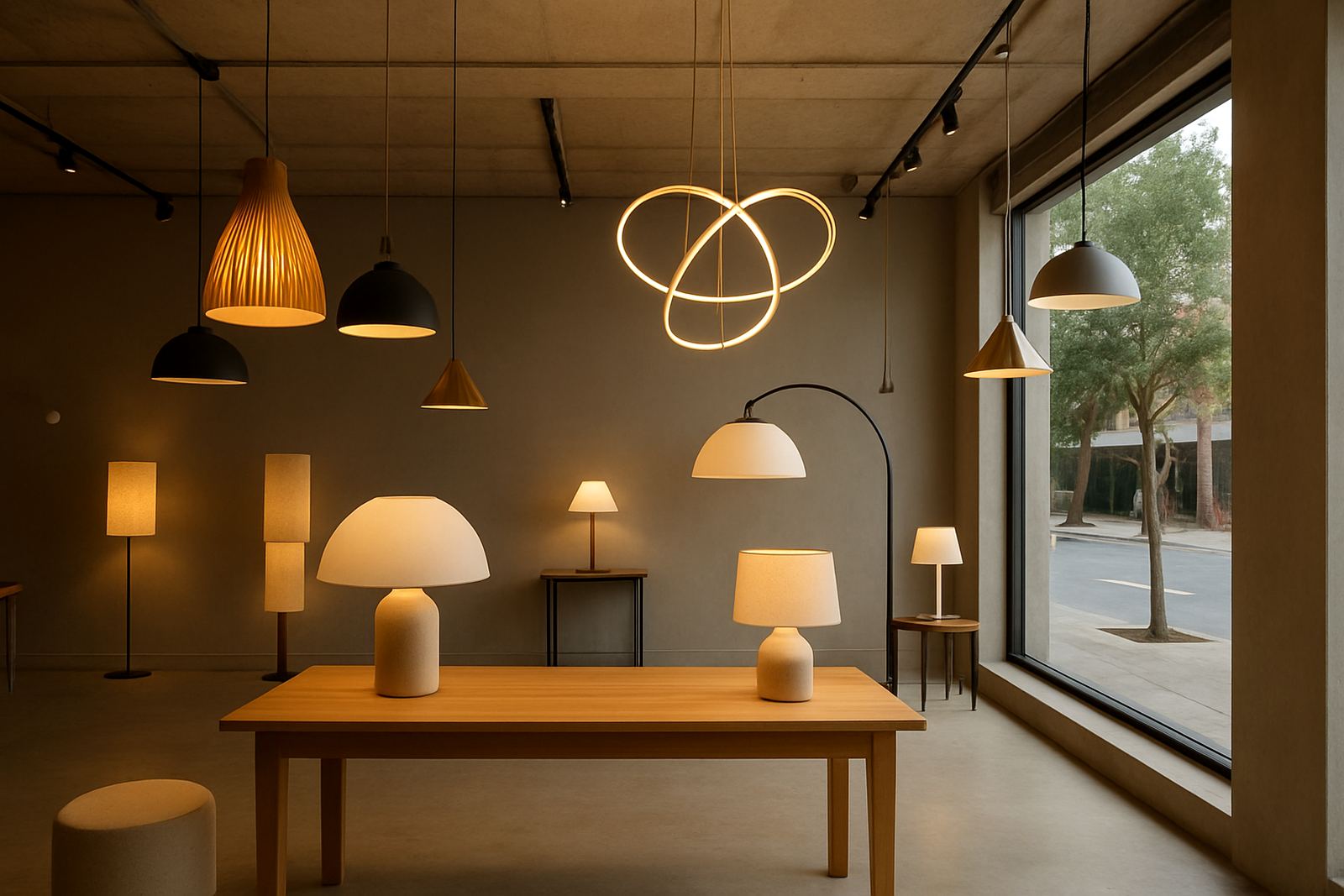
A single central light often leaves corners dark and surfaces flat. A better approach is to layer light at different heights and angles. Ambient light gives general visibility, task light handles the practical work and accent light adds depth by picking out surfaces, art, shelving or joinery. That mix gives the eye more to read, which makes the space feel richer.
In a Sandton showroom, for example, you may use ceiling washers for base light, track spots for merchandise and discreet uplighting to soften the edges of the room. In a home, a wall light at shoulder height can do more for a lounge than another downlight in the middle of the ceiling. The goal is not to flood the room, it is to shape it.
- Place brighter light where you want attention first.
- Use lower light levels in transition areas so the main feature stands out.
- Keep some vertical surfaces lit, not only floors and tabletops.
Grazing and washing can change how a surface feels
Two of the most useful tools for adding depth are wall washing and grazing. Wall washing spreads light evenly across a surface, which can make a narrow corridor feel more open. Grazing places the fitting close to the surface so the beam skims across it, exposing texture in stone, brick, timber slats or decorative plaster. Used well, grazing can turn a simple wall into a feature without adding clutter.
This is especially helpful in Cape Town and Durban where natural materials are often chosen for warmth and durability. A textured wall in a coastal home can look stunning with side lighting, but the same surface can disappear if the fittings are too far away or too broad. In some cases, a slight shift of 150 to 300 mm in fixture position changes the whole effect. That is why mockups and sample testing matter before final install.
- Use grazing on textured surfaces for strong definition.
- Use washing on flat walls where you want a softer, more even finish.
- Avoid placing fittings so close that the beam hotspots show every flaw.
Corners, recesses and joins are where depth is won or lost
Flat lighting often leaves corners dead, and that makes a room look smaller than it is. If you want depth, treat corners as part of the composition. A concealed strip in a recess, a narrow beam at the edge of a wall, or a small uplight behind a planter can pull the eye into the room instead of stopping it at the first blank surface.
In restaurants, this helps separate seating areas without putting up extra partitions. In a home, it can make a hallway feel longer or a reading nook feel intentional instead of forgotten. At a shopfront in Pretoria, lighting the side returns of the entrance can make the façade feel more three dimensional, especially after sunset when the street view matters most.
Load-shedding also changes how depth should be planned. When backup power is limited, it is smarter to light the key edges and focal points first rather than try to keep everything on. A few well-placed fittings will still give the room structure, even when some circuits are off.
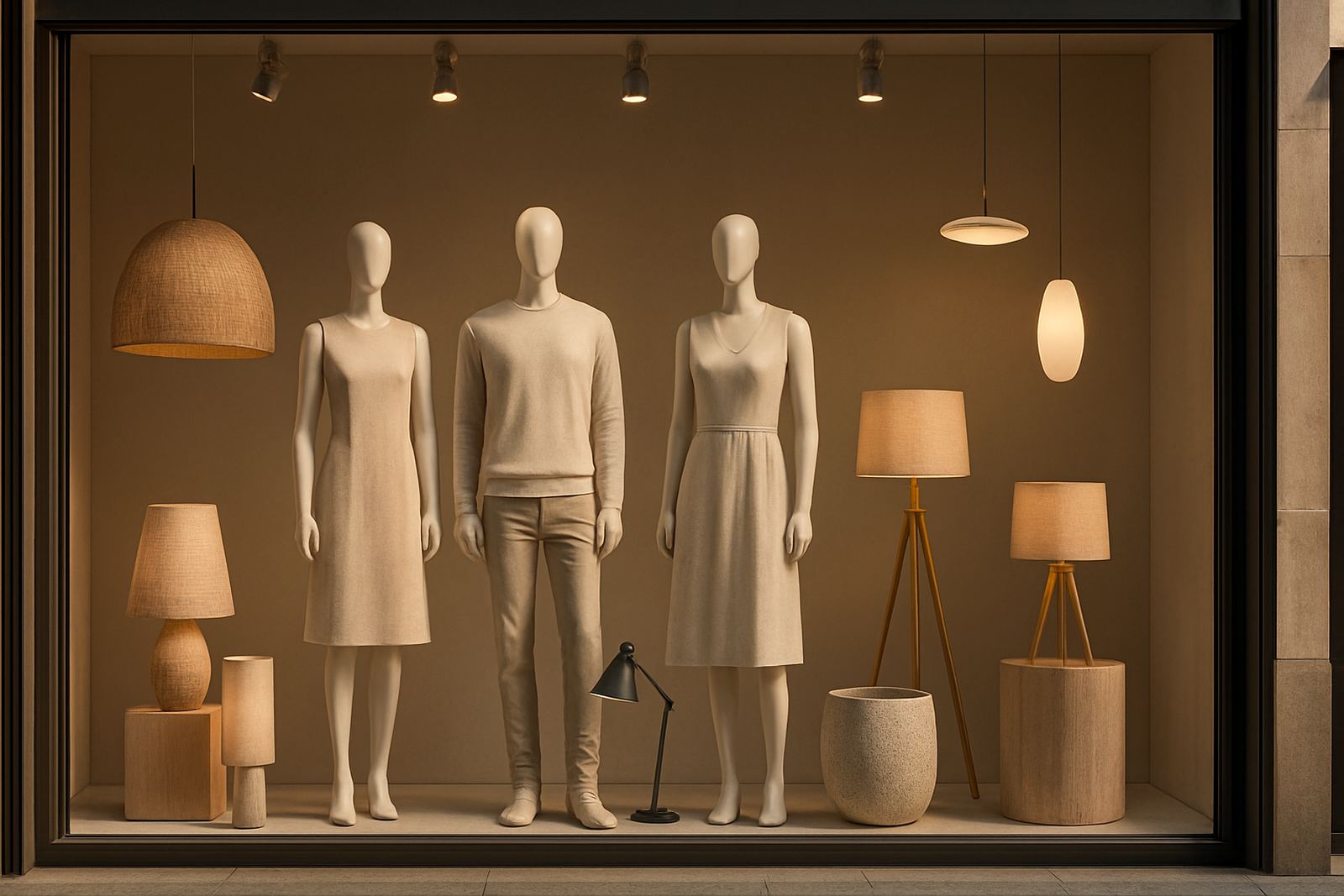
Shopfronts need depth before the customer even steps inside
For a shopfront, depth begins on the outside. The entrance should read clearly from the street, but it should also invite people inward. If the front glazing is lit too evenly, the building can look flat and exposed. If it is too dark, it disappears. The best results come from balancing the façade, signage, threshold and the first few metres inside the door.
In Johannesburg and Midrand, where many shopfronts face busy roads and mixed lighting conditions, this balance is especially important. A well-lit reveal at the entrance creates a sense of movement. Lighting a display table or feature wall a few metres in gives the eye a destination. That subtle contrast is often what makes a business look more established and easier to enter.
- Light the sign clearly without washing out the full façade.
- Keep the entrance brighter than the street, but not glaring.
- Use depth lighting to guide movement from door to display to counter.
Restaurants and homes need a calmer kind of depth
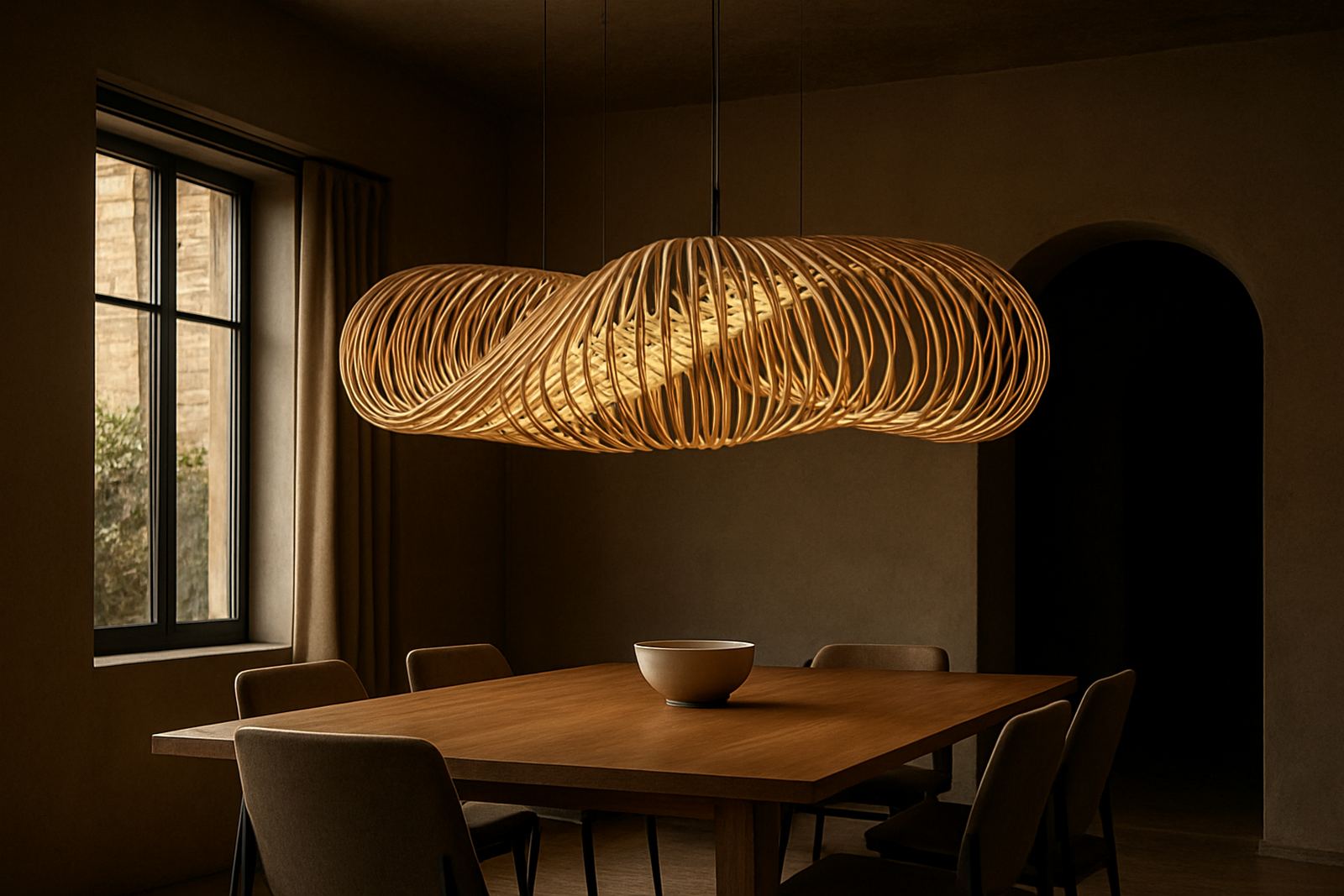
Restaurants benefit from depth because it supports atmosphere. Light that falls in layers makes ceilings feel higher and tables feel more private. It can also reduce the sense of glare on glass, polished floors and pale walls. In a dining room, a small amount of shadow is not a problem, it is part of the comfort.
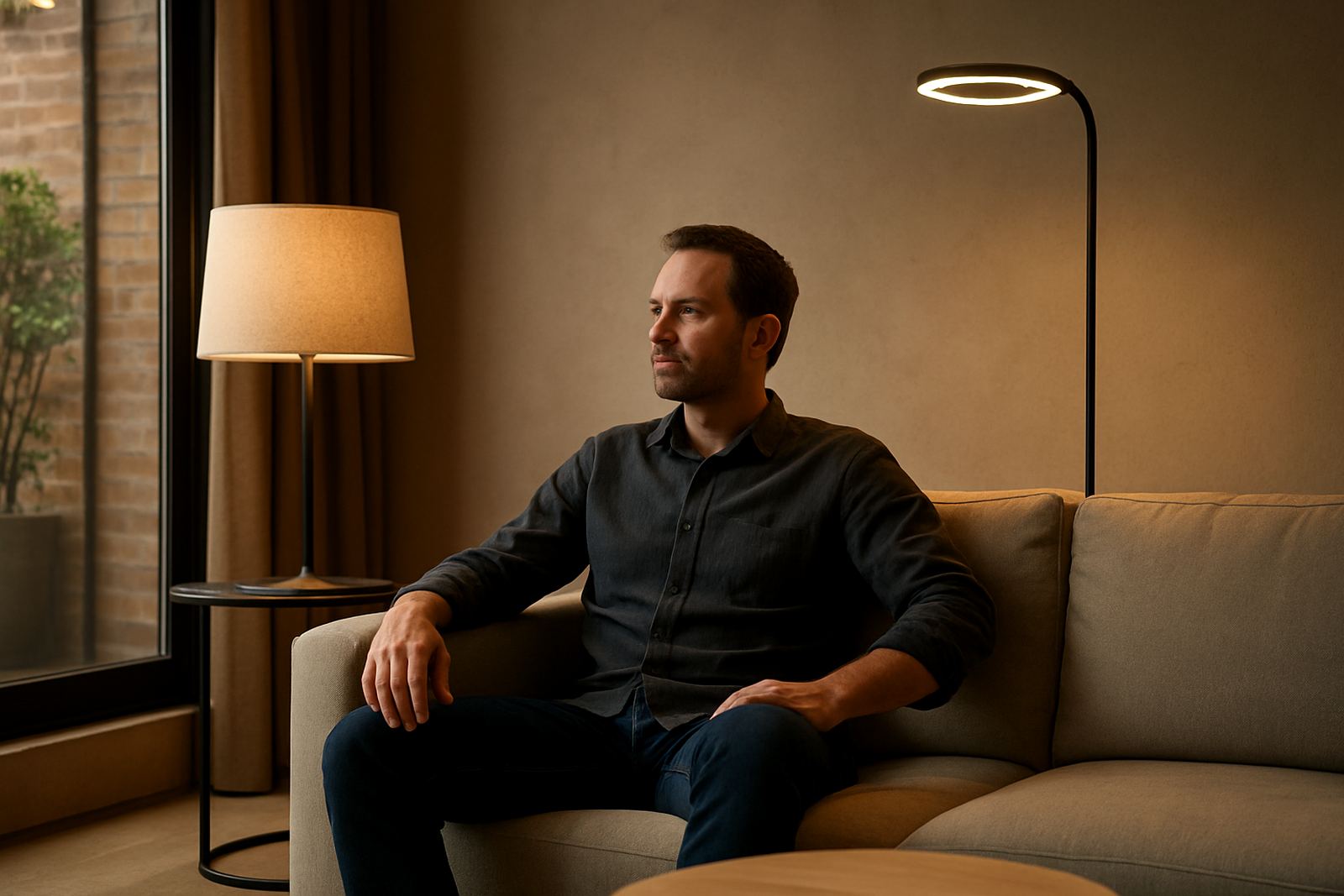
Homes need the same thinking, just in a quieter way. A lounge with lit shelves, a softly lit passage and a focal wall near the TV area will feel more settled than one filled with evenly spaced downlights. Bedrooms and bathrooms can also gain depth from a mix of direct and reflected light, though the fittings need careful control so the room stays practical. It is easy to overlight, and when that happens the room loses mood fast.
In coastal towns like Umhlanga, humidity and salt air also influence fixture choice and finish. In those areas, depth should never come at the cost of maintenance. The fitting needs to hold its position, resist corrosion and still look tidy after repeated cleaning.
A Rosebank example: turning a plain room into a point of view
In Rosebank, a small hospitality space with a narrow frontage and high ceiling needed to feel more welcoming from the pavement. The room already had good proportions, but it read as a flat box in the evenings. The solution was to bring depth into three zones: the front wall, the central seating band and the rear feature surface. The front glazing was softened with controlled light so the interior was visible without glare. Then the side walls were washed gently to widen the room visually.
At the back, a textured surface was grazed so it became the visual anchor. The ceiling stayed calmer, with fewer fittings and more purpose. The result was a room that felt layered rather than crowded. People noticed the back wall first, then moved through the space naturally. That is what depth does. It gives order to a room without shouting about it.
Whether the project is in Johannesburg, Cape Town, Durban or Pretoria, the method stays practical: study the surface, decide what should lead the eye, then place the light where it can do the most work. A good lighting plan is not only about seeing better. It is about making the whole space read better.