
Why dimming matters in South African spaces
Dimming gives you control over how a space feels and functions from morning to night. In a Rosebank café, bright light may suit the breakfast rush, then a softer setting works better once the lunch crowd settles in. In a home, the same lounge can need strong light for reading, then lower levels for watching TV or entertaining. That flexibility is the main value of a good dimming plan.
It also helps with practical issues we deal with locally. During load-shedding recovery, a well planned lighting scene can bring a room back gently instead of blasting it with full brightness. In coastal areas such as Umhlanga and Durban, where evening humidity and reflections off glass can make interiors feel harsh, dimming helps reduce glare and make finishes look calmer.
For business owners, dimming is not only about mood. It can support branding, reduce wasted light in the quieter hours and make staff tasks easier. The best result comes when the dimmer choice, the light source and the control method all work together.
The scenes that make the biggest difference
Most lighting problems happen because one level is expected to do every job. That is rarely practical. A restaurant needs a different setting for setup, service and close-up cleaning. A shopfront may need bright window lighting in the evening, but lower levels inside so products stand out rather than fighting the light. Homes need the same flexibility in living rooms, kitchens and bedrooms.
A sensible dimming plan starts with scenes. These are preset light levels for different uses, and they save time because staff or family members do not have to guess each time. They are especially useful where a space changes through the day, or where the same room is used for more than one purpose.
- Daytime welcome: brighter, even light for movement and visibility.
- Service mode: balanced light for meals, customers or daily use.
- Feature mode: lower ambient light with focus on artwork, displays or a table.
- Evening comfort: warm, reduced light for relaxation after trading hours.
- Cleaning mode: full output for maintenance and detailed work.
Choosing the right dimmer for the fitting
Not every light source behaves the same way on a dimmer. Some fittings dim smoothly, others flicker or drop out at low levels if the driver or control gear is wrong. That is why fixture specification matters before installation. If the wrong combination is selected, you may hear buzzing, see uneven output or find that the lights never reach the level you want.
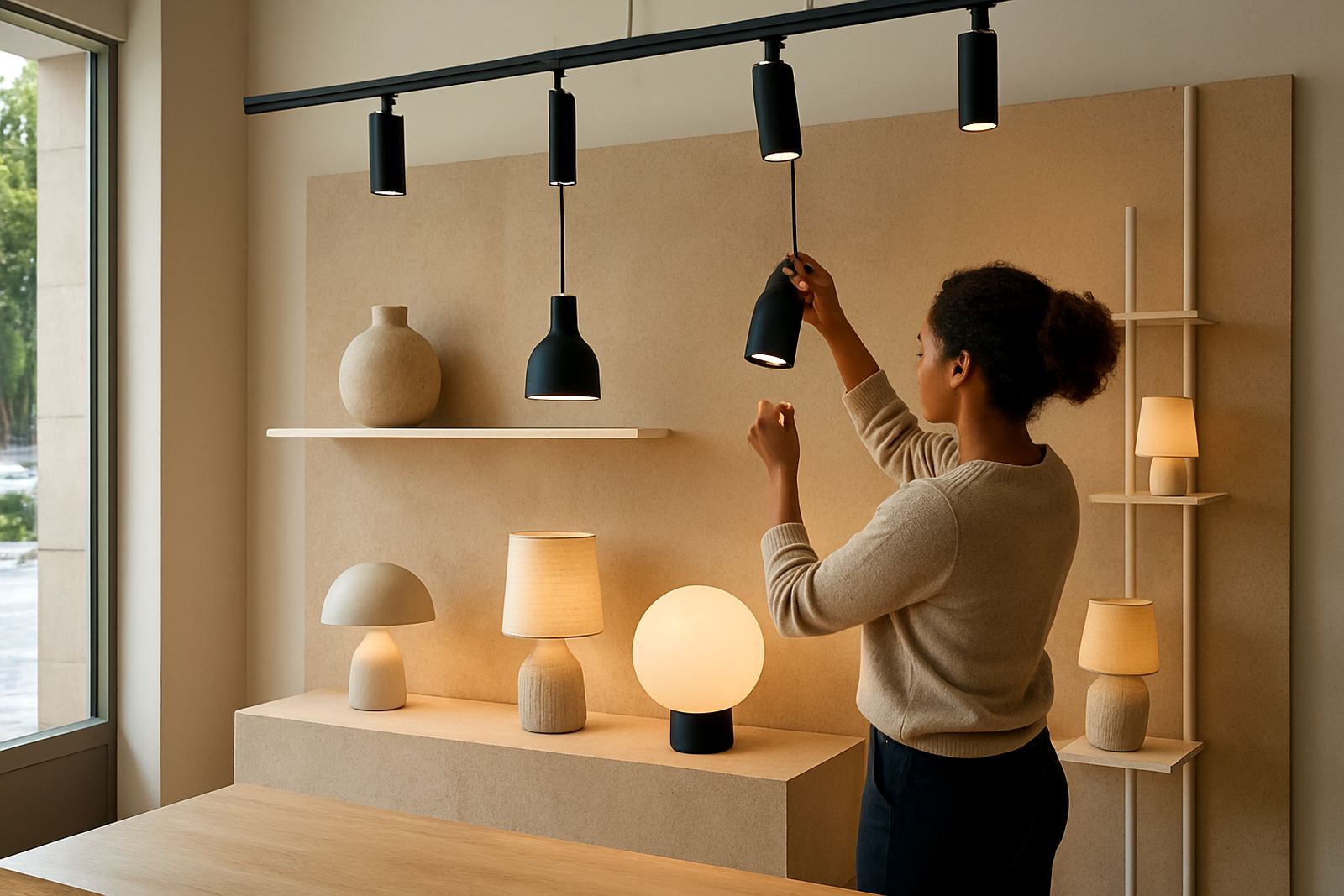
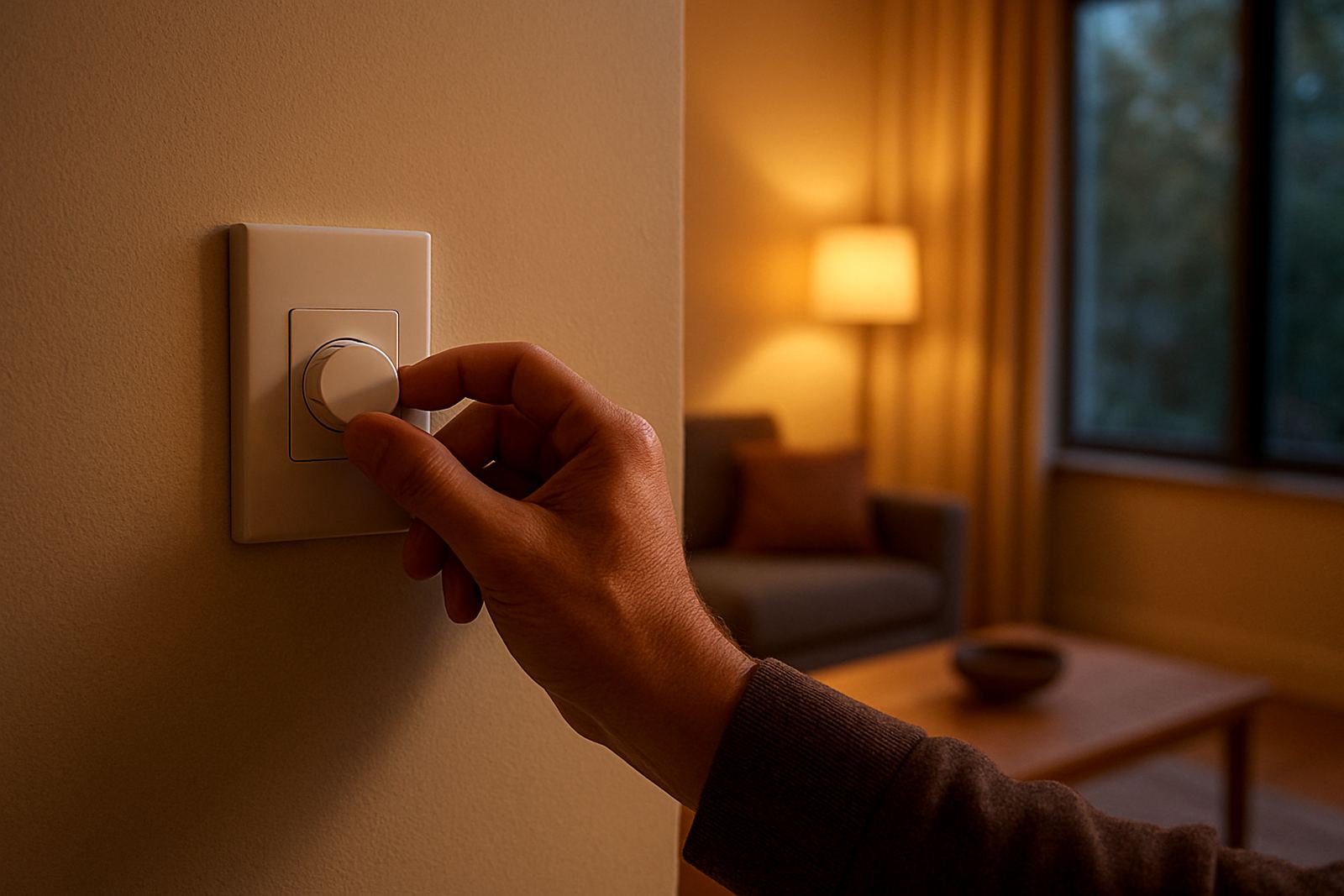
For architectural and decorative lighting, the control method should suit the type of lamp, the load size and the size of the circuit. In some cases a simple wall dimmer is enough. In larger projects, especially in shops and hospitality venues, a more detailed control design gives better results. That can include grouped circuits, zoned lighting and local override points for staff.
We also look at the practical side. In a coastal restaurant, humidity and salt in the air can affect fittings and control hardware over time. In a home in Pretoria, a room with a lot of natural light may need a stronger dimming range than a darker interior room. The point is to match the control to the actual space not just the drawing.
How dimmers improve comfort and energy use
Lowering light levels can reduce electricity use, but the bigger advantage is comfort. Bright light all the time can feel tiring, especially in restaurants where people sit for long periods or in homes where the evening should feel calm. A dimmer lets you use only the light you need, when you need it.
That matters during peak tariff periods and in spaces where lights stay on for long trading hours. It also helps preserve decorative fittings because lamps do not have to run at full output all day. In practical terms, this can reduce heat build-up too, which is useful in smaller rooms and enclosed shopfronts. It is a small change with a noticeable effect.
Here is where dimming usually pays off most:
- Front-of-house areas that change from bright to intimate as the day goes on.
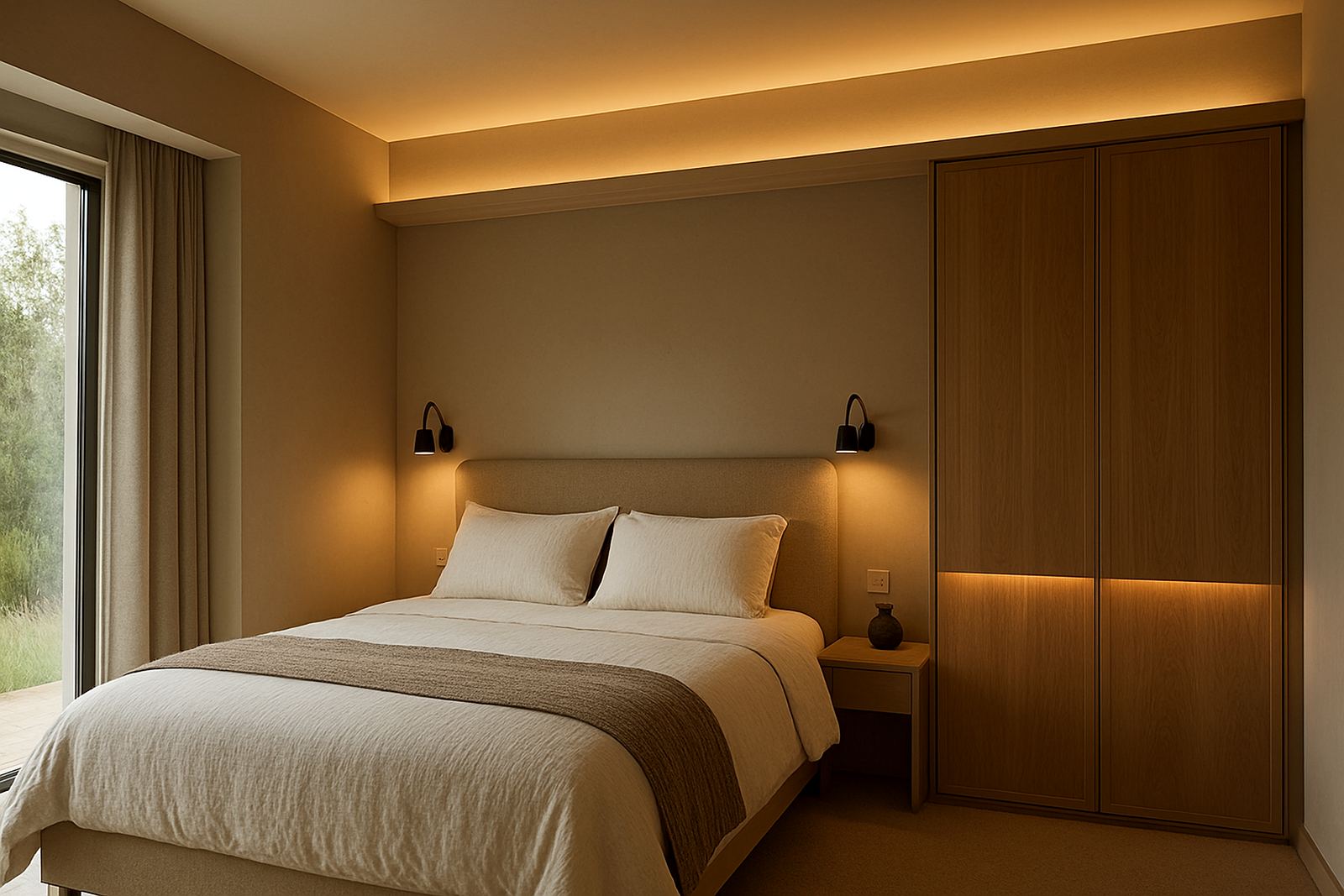
- Bedrooms and living rooms where comfort matters more than full output.
- Display areas where products need emphasis rather than flat general light.
- Entertainment spaces where different scenes suit different occasions.
A local example: a Rosebank restaurant after dark
Consider a restaurant in Rosebank with street-facing glazing and an interior that serves breakfast, lunch and evening dining. In the morning, the room needs enough light for staff to work safely and for guests to read menus. By sunset, the shopfront must still look inviting from the pavement, but inside the light should soften so the tables feel more relaxed. A single fixed level would not do both jobs well.
With a dimming plan, the window line can stay visible while the dining area drops to a warmer, lower level. Pendant lights over tables can be brought up slightly for plates and drinks, then lowered again when the room fills out. If there is artwork or a textured wall, that feature can be lit separately so it stays present without overpowering the rest of the room.
That kind of balance is especially useful in Johannesburg where daylight shifts quickly and many venues trade from early morning into late evening. A good dimmer setup helps the venue feel considered through each part of the day, not just at peak time.
What to check before you install dimmers
Before any dimmer is chosen, it helps to walk the site and look at how the space is used. That includes ceiling height, fitting type, the number of circuits, and whether the lighting is decorative, task-based or both. A lighting audit can spot issues such as glare on polished floors, overlit walls or fittings that are too close together. It can also show whether the controls should be grouped by zone or by function.
Use this checklist before finalising the design:
- Confirm which fittings are dimmable and which are not.
- Check that the control gear suits the lamp type and load size.
- Plan scenes for opening, trading, cleaning and closing.
- Decide where the user will stand when changing the light.
- Allow for future changes if the layout is likely to shift.
If the project is in a shopfront, restaurant or home where the lighting has to do more than simply switch on, this step matters. A sound plan prevents frustration later, and saves time when the space is being used day after day. It also keeps the finish looking tidy, which people notice even if they cant say why.
The best dimming result is the one people actually use
The most useful dimming system is the one that is easy to understand. If the controls are confusing, people will leave the lights on one setting and the benefit is lost. That is why layout plans, control design and post-install focusing all matter. The aim is to make the lighting work for the people in the space, not the other way around.
When dimming is planned properly, it supports the room from opening to closing. It softens hard edges, gives breathing room to decorative finishes and helps a space feel right at the right time. Whether the project is in Sandton, Pretoria, Cape Town, Durban or Umhlanga, the principle stays the same: better control leads to better lighting.
Done well, dimming is not a luxury. It is a practical part of getting the most out of architectural and decorative lighting, and it makes a space more comfortable every day.