
Why seasonal lighting matters on the shop floor
Retailers in South Africa work through clear trading seasons, from summer promos and back-to-school ranges to winter coats, Heritage Month and the festive rush. Lighting is one of the quickest ways to signal that shift. A warmer front window in May can make knits and homeware feel inviting, while a brighter cleaner look in November helps gift ranges and sale tables stand out.
Good seasonal lighting also helps the store feel orderly when stock changes. Instead of moving fittings around every time the product mix changes, you can adjust the light levels, beam spread and aiming to suit the new display. That is useful for shops in Rosebank, Sandton and Pretoria where foot traffic changes through the week, and equally useful in Cape Town or Durban where glare and natural light vary by location.
For most retailers, the aim is not drama. It is clarity, comfort and a better sales floor. Lighting should guide the eye to the right product and make the space feel easy to browse, even during load-shedding recovery periods or late trading when power use has to be managed carefully.
Build a lighting plan that changes with the calendar
A flexible retail plan starts with a few fixed lighting layers. Ambient lighting gives the store overall brightness. Accent lighting pulls focus to mannequins, feature tables and wall bays. Decorative lighting adds mood in a window, fitting room or till area. Once those layers are in place, seasonal changes become much simpler.
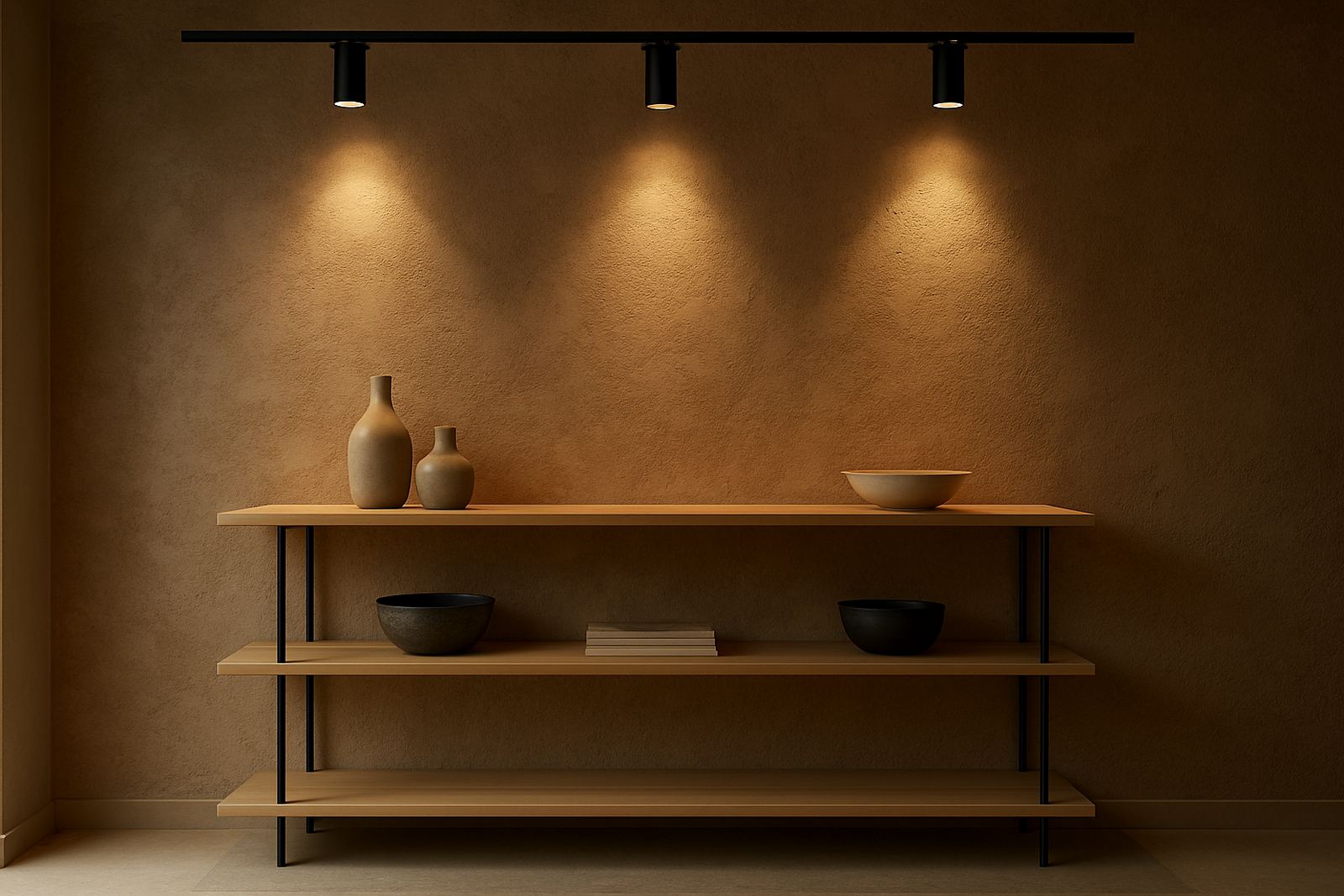
It helps to divide the store into zones that can be adjusted separately. A front window may need one setting for daylight trade and another for evening traffic. A central aisle might need a stronger wash during a promotion. Back-wall displays can be tightened up with narrower beams when stock is low, or softened when there is a full seasonal range.
- Use dimming where possible so you can raise or lower output by zone.
- Keep spare fixture positions in mind for future campaigns.
- Choose colour temperatures that suit the merchandise, not just the ceiling height.
- Plan for power interruptions and include restart settings that are easy for staff to manage.
Winter, summer and festive displays all need different light
Different seasons change how customers read colour, texture and depth. Winter displays often benefit from warmer light in the 2700K to 3000K range, especially for fashion, dining spaces and homeware. That softer tone can make textiles look richer and help a restaurant or coffee shop feel more comfortable in the early evening.
Summer ranges, by contrast, often work better under cleaner, brighter light closer to 3500K or 4000K. This can suit sunglasses, sportswear, outdoor furniture and fresh seasonal stock. Festive displays can go either way depending on the brand, but most shops need stronger contrast and cleaner spotlighting so the key products are obvious from the entrance.
In coastal towns like Umhlanga and Durban, humidity and salt air also influence fixture choice. A seasonal setup still has to hold up in tougher conditions, so materials and mounting details matter as much as the colour of the light. In Johannesburg, dust and traffic grime can affect lens output too, so access for cleaning should be considered from the start.
Shopfronts that change with daylight and trade hours
The shopfront does the first bit of selling, and in South African retail it has to cope with strong sun, early sunsets in winter, and varying street activity. Seasonal lighting at the front of a store should make the display visible without washing out the merchandise. Good aiming matters more than simply adding more fittings.
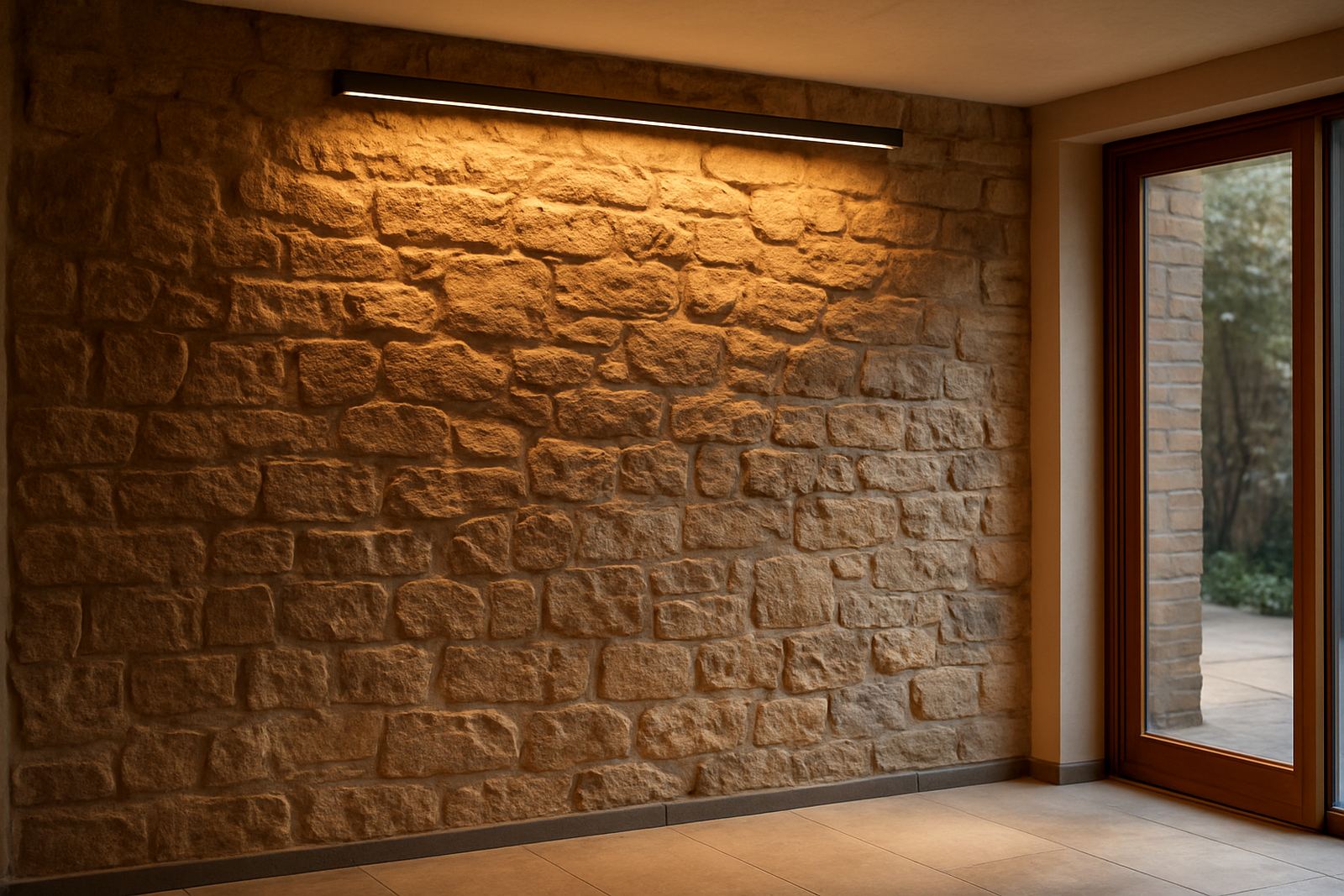
For a clothing shop in Rosebank, for example, the window may need a focused beam on mannequins during the afternoon and a softer wash after dark. A homeware store in Midrand may use layered light to separate a new season range from the permanent stock. In Pretoria or Cape Town, where street visibility can differ from one side of the road to another, the shopfront may need different settings for each angle of approach.
- Keep window light directed onto products, not into the eyes of passers-by.
- Allow for graphics, hanging signs and seasonal props when positioning fittings.
- Use timers or simple control scenes for opening, trading and closing hours.
Restaurants and hospitality spaces need mood that shifts
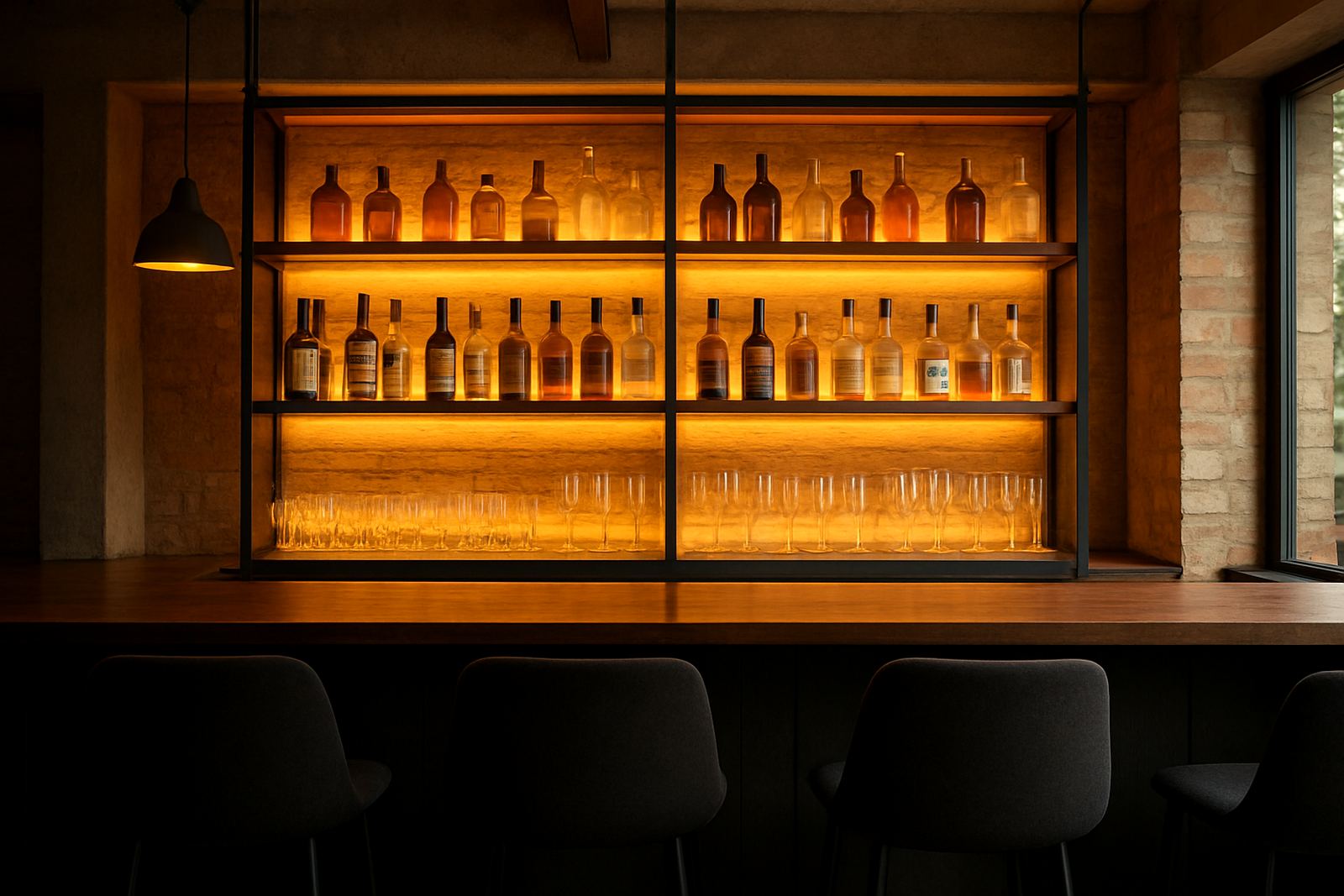
Restaurants face a different seasonal pressure because the lighting must support both atmosphere and task work. A lunch service in summer may need a brighter, fresher feel while evening dining in winter may call for lower levels and warmer tones. Decorative fittings can stay in place, but the lighting scene should change with the service style.
For a restaurant in Johannesburg or Umhlanga, seasonal updates can be as simple as changing table accent levels, adjusting feature pendants and refining wall wash light on artwork or branded surfaces. If the venue also hosts functions, the controls should allow quick shifts between normal trade, private events and special campaigns. Staff should not need a technician every time the menu changes.
Practical details matter here too. Controls need to be easy to use, and the lighting should not create glare on menus or reflections in mirrors and glass. If the venue has open kitchen views, the dining room and working areas should still read as one coherent space, not a patchwork of overly bright and dim spots.
A practical seasonal refresh for South African retailers
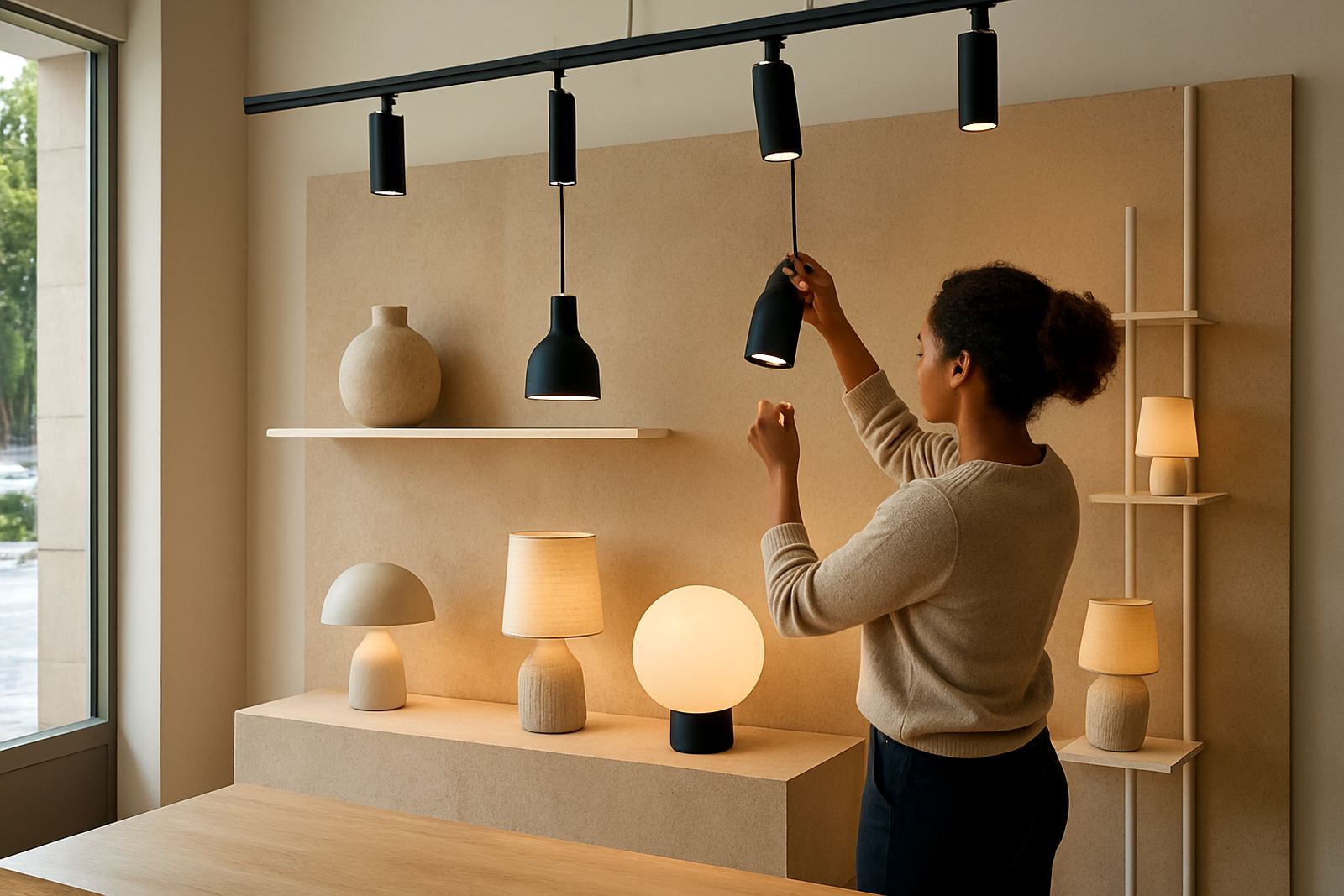
A seasonal refresh does not have to mean replacing everything. In many stores, a lighting audit is the best first step. It shows where the light is too flat, where it is too harsh, and where seasonal product is getting lost. From there, a few fixture changes, better beam angles or a new control scene can make a visible difference.
At Illumin8d in Rosebank, that process often starts with the stock story. What is being pushed this quarter, which display must stand out, and how much daylight enters the space? Once those answers are clear, the lighting can be planned around real trading conditions rather than guesswork. That is especially useful for branches in Sandton, Pretoria, Cape Town and Durban where each site may have different ceiling heights, window sizes and power constraints.
- Review the shop every season, not only when a problem shows up.
- Match colour temperature to the product range and brand identity.
- Keep maintenance access simple so the changeover does not disrupt trade.
- Test lighting scenes after installation and again once the store is busy.
When seasonal lighting is planned well, the store looks current without a major fitout. Customers notice the products first, the space feels more organised, and staff have an easier time presenting each new range. That is good retail, especially when trading conditions can shift fast.