
What accent lighting actually does in a room
Accent lighting is focused light used to highlight one part of a space more strongly than the rest. It is not the main general lighting, and it is not there to light every corner evenly. Instead, it creates contrast, which is what helps a customer notice a display, a guest notice artwork, or a homeowner enjoy a textured wall after dark.
In practice, this means a narrow beam on a shopfront mannequin, a warm wash on a restaurant wine shelf, or a small group of spots over a stair feature at home. The eye goes where the brightest, cleanest light is placed. That is the basic trick.
Where accent lighting earns its keep
Good accent lighting supports the use of the space. In retail, it can separate a featured collection from the rest of the floor and guide the customer from the entrance to the till. In restaurants, it helps set mood around the bar, on tables, or behind the counter without making the whole room feel flat. In homes, it can pick out art, shelving, stone cladding, or garden features visible from inside.
- Shopfronts: signage, mannequins, window displays and entry points.
- Restaurants: bottle displays, wall art, bar fronts and table zones.
- Homes: artwork, textured finishes, fireplaces and passage features.
- Outdoor areas: steps, planters, address points and boundary features.
For Johannesburg and Pretoria properties, this often means planning for strong evening visibility. In Cape Town, coastal air and wind can influence fitting choice. In Durban and Umhlanga, humidity means fixtures and control gear need proper protection, not just a pretty finish.
Beam angle, colour temperature and contrast
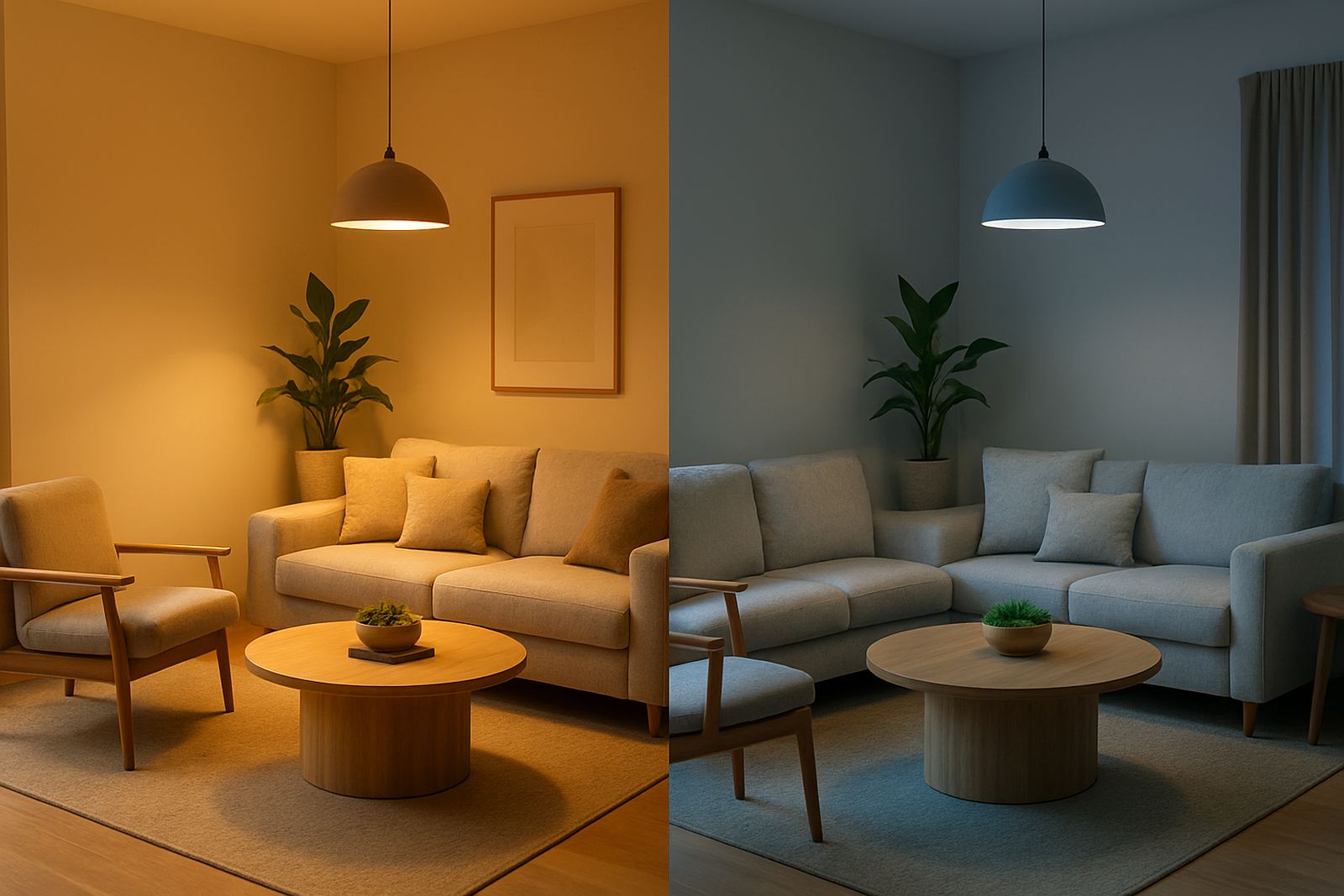
The three basics to get right are beam angle, colour temperature and contrast. A narrow beam gives a tighter pool of light and is useful for smaller features. A wider beam spreads light over a larger area, but it can lose focus if used too broadly. Warm white suits dining and hospitality spaces well, while cooler whites can work for product detail, signage and certain modern interiors.
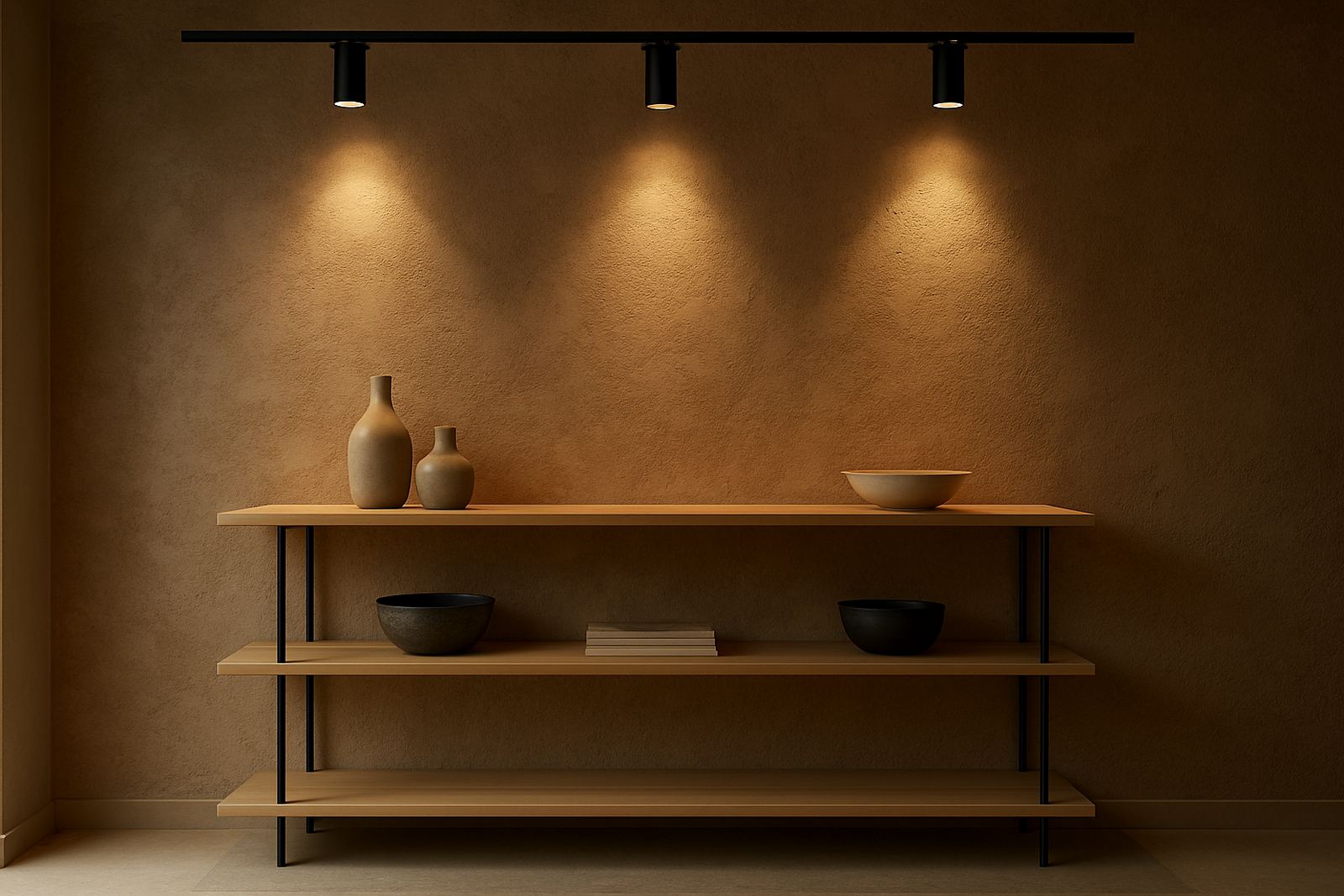
Contrast is what makes accent lighting feel intentional. If the whole room is equally bright, nothing stands out. If the key feature is brighter by design, the space has a clearer visual order. That is why a site lighting audit is useful before adding new fittings, especially in older buildings where there may already be mixed light levels.
- Use narrow beams for art, signage and vertical highlights.
- Use warmer colour for relaxed dining and home living areas.
- Keep accent levels separate from the general lighting circuit where possible.
- Test at night, not just during the day, because daylight can hide mistakes.
Shopfronts need focus from the pavement up
At street level, accent lighting has a direct job to do. People passing in Rosebank, Sandton or the Cape Town city bowl make decisions quickly. They look at the window, the doorway and the first few details that tell them what kind of place this is. If those areas are too dark, the front feels closed. If they are too bright, the display can wash out and lose depth.
A well planned shopfront usually combines a general wash with a few stronger accents. That might mean highlighting the new season display, washing the brand wall, and picking out the entrance frame. The result is clearer hierarchy, so the eye knows where to land first. It also helps after load-shedding when businesses rely on controlled lighting to keep the front looking active and organised.
For street-facing sites, fixture aiming matters as much as the fitting itself. A light aimed a little too high can hit the glass and cause glare. Too low and the display loses presence. On busy roads, it pays to check the view from both close range and from across the road.
Restaurants and homes need comfort as well as emphasis
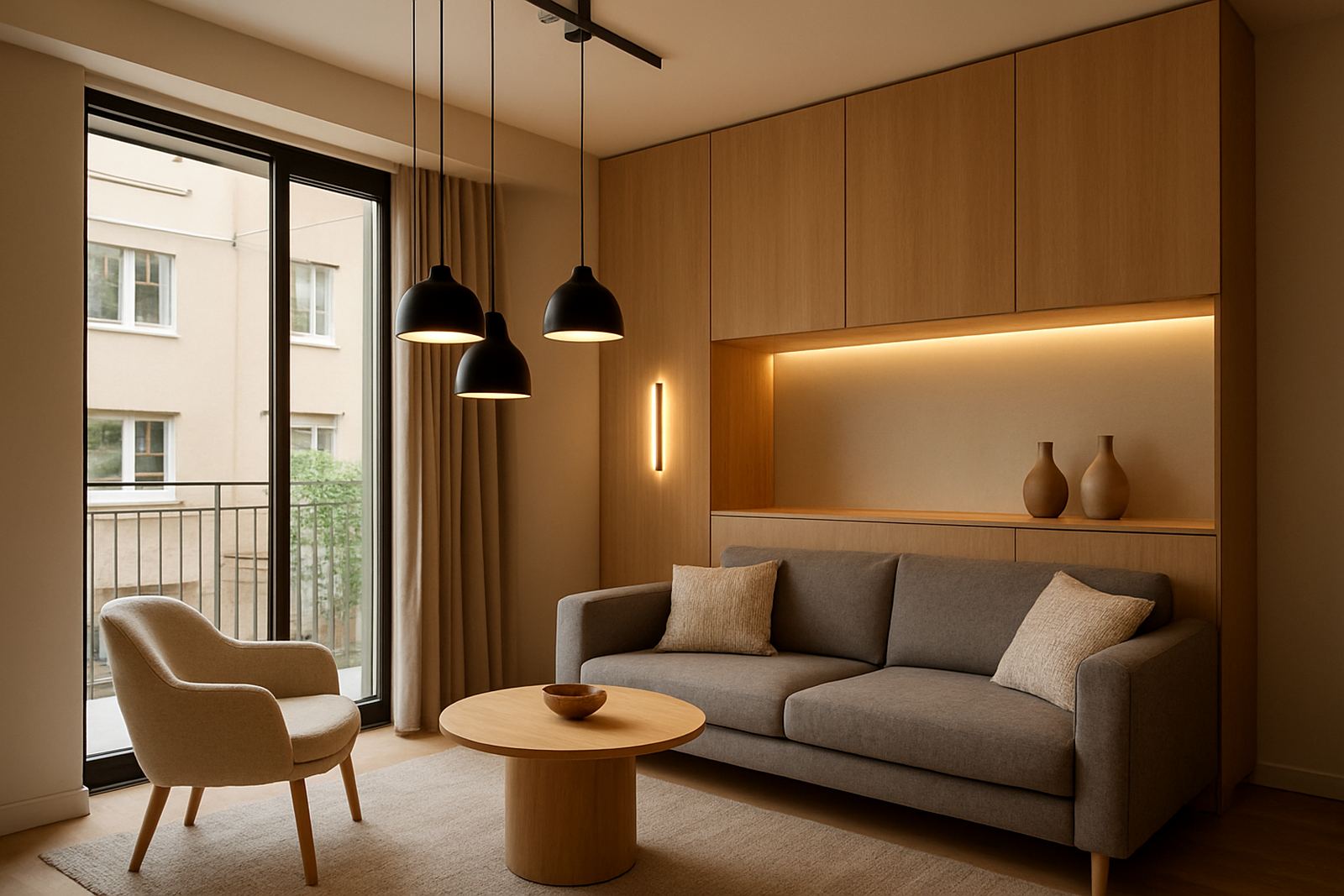
In hospitality and residential work, accent lighting should support comfort. Guests do not want to feel examined by bright light, and family spaces should not feel hard or clinical. The art is to guide attention gently. A bar shelf, artwork or textured wall can be made visible without turning the whole room into a showroom.
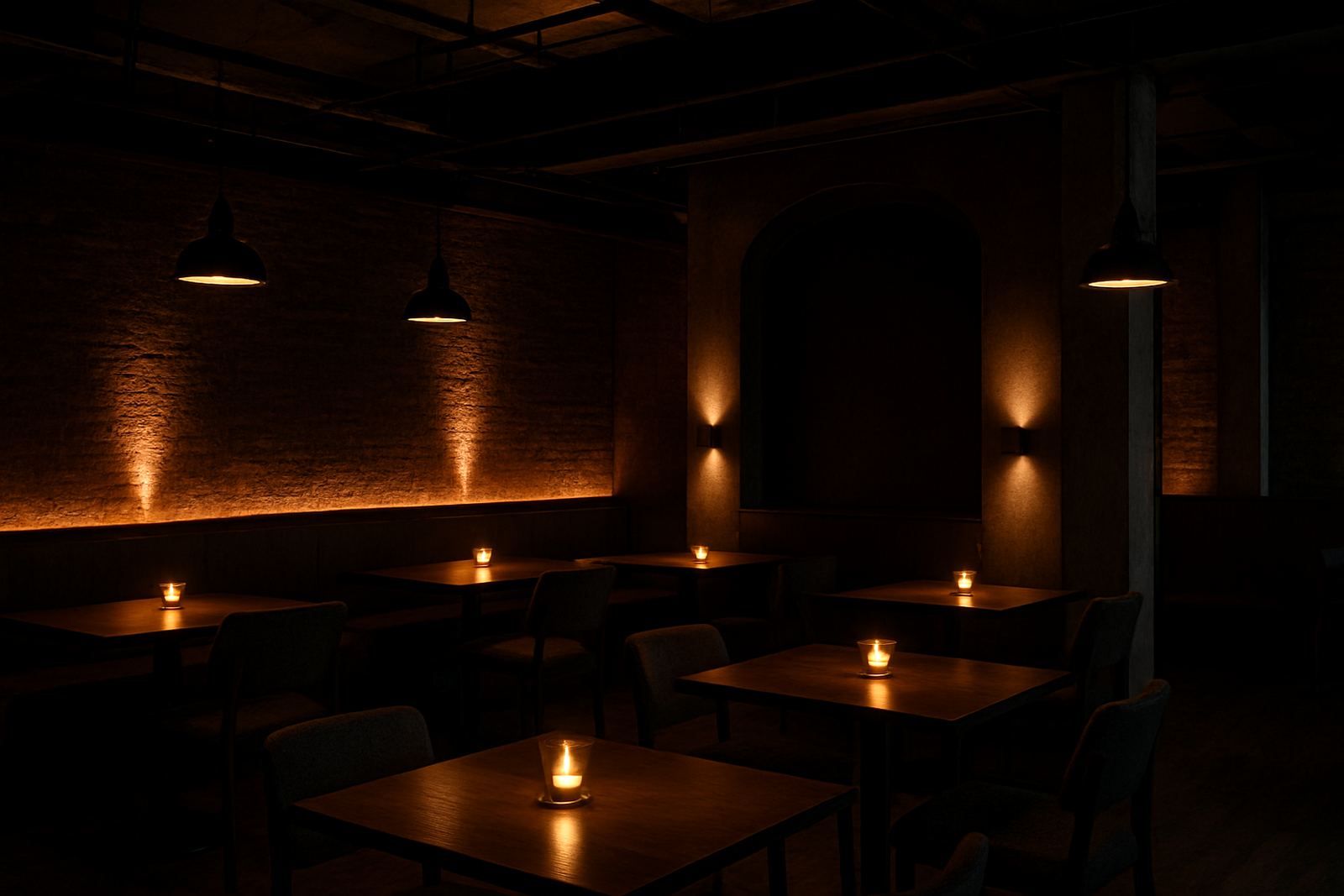
At home, accent lighting is often used in smaller doses than people expect. A pair of spots on a feature wall can be enough. In a restaurant, lighting over the bar or along banquettes can separate zones and make the room feel more considered. Dimmer control is useful here, because the right level changes between lunch, dinner and late trading.
- Use dimmers where the space changes mood through the day.
- Keep glare off seated eye lines and reflective surfaces.
- Match the fixture finish to the interior so the fitting does not shout.
- Check how the room feels when fully occupied, not just when empty.
Planning, installation and getting the aim right
Accent lighting works best when it is planned with the layout, power points and ceiling structure in mind. That includes fixture specification, control design, layout plans and installation coordination. If the beam lands on the wrong surface, the idea is lost. If the fitting is not fixed securely or the driver location is awkward, maintenance becomes a headache later.
Post-install focusing is just as important as the initial drawings. A site can look right on paper and still need small adjustments once furniture, stock or artwork are in place. This is where practical testing makes the difference. In many buildings, especially older properties in Johannesburg or Pretoria, there are also real-world issues like uneven ceilings, existing wiring constraints and municipal requirements for external changes.
At Illumin8d, the process usually starts with a site lighting audit and then moves into concept design, fixture selection and visual checks. That way the lighting supports the architecture instead of fighting it. It also gives the client a clearer idea of what the final effect will be before anything is fixed in place.