
Why ambient light matters before you add any feature fittings
Ambient light is the general light level in a room or frontage. It does not try to do all the work. Instead, it gives the space a steady background so people can move, read menus, browse stock, sit down, or simply relax without harsh contrast. When this layer is too weak, a room feels patchy and unsafe. When it is too strong, people feel tired and the finishes can look flat.
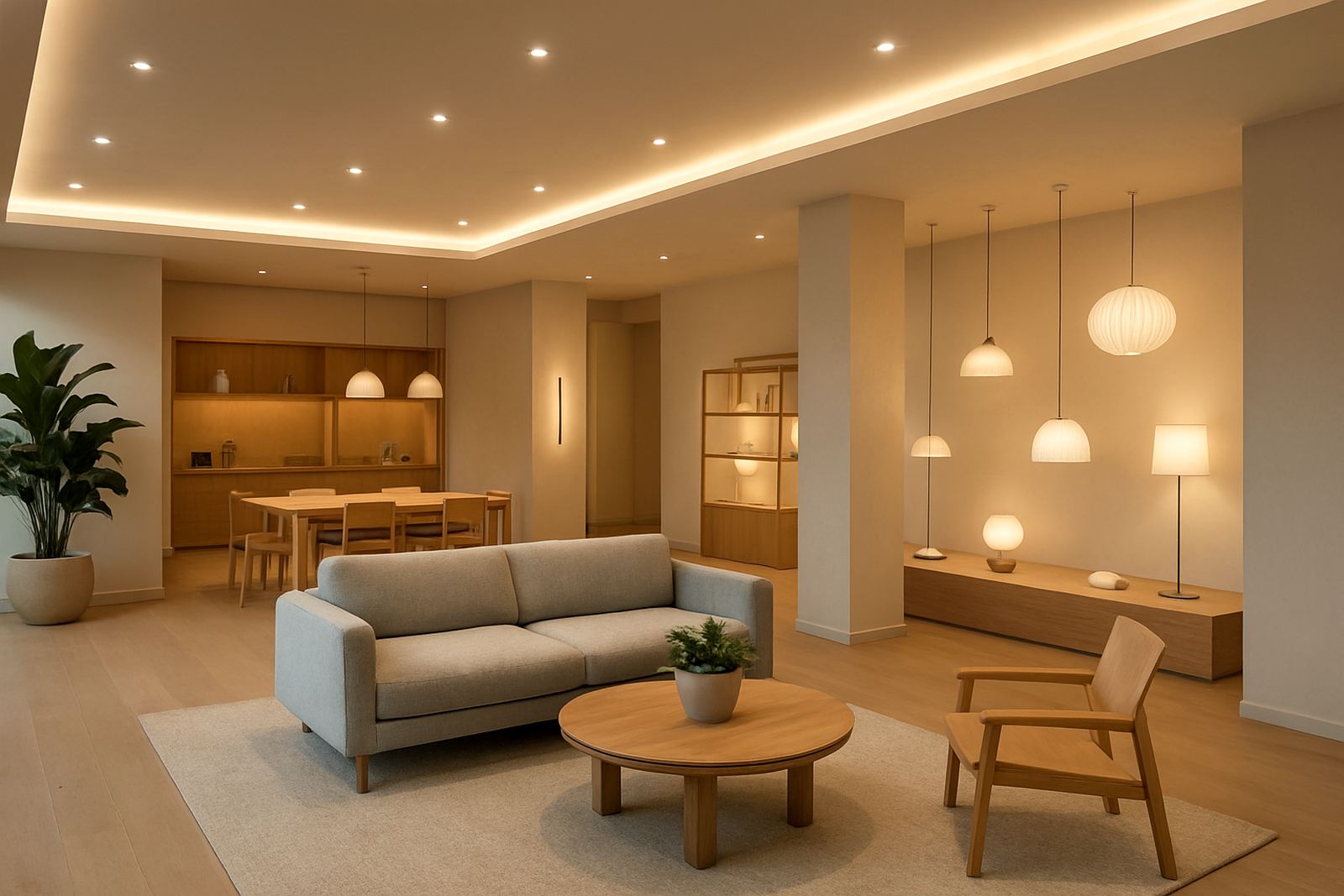
For shops in Rosebank or Sandton, this base layer must support window displays and draw people inward without washing out the merchandise. In restaurants, it should help guests see the table, the floor and the route to the toilet without making the room feel clinical. In homes, especially open plan spaces, ambient lighting helps kitchens, dining areas and lounges work together after sunset.
The mistake many people make is to start with decorative fittings and treat the general light as an afterthought. It should come first. Once the base is right, accent lighting, task lighting and feature lights can all do their part without fighting the room.
Start with the room use, ceiling height and daylight
A good ambient plan begins with how the space is used at different times of day. A shopfront on Oxford Road with deep glazing will need a different approach to a north facing family room in Pretoria or a restaurant in Umhlanga with large evening trade. Daylight changes the amount of artificial light needed, and so does the colour of the walls, floors and furniture.
Ceiling height matters too. A compact apartment in Midrand may need low glare fittings and careful spacing, while a double volume foyer can take wider distribution and more output. Coastal humidity in Durban and Umhlanga can also influence fitting choice, especially where air movement, salt and damp cleaning are part of daily life.
- Check how much daylight enters the space from morning to evening
- Note dark corners, reflective surfaces and areas of glare
- Map where people sit, queue, work or walk
- Allow for load-shedding and the need for backup lighting
With that information, you can decide whether the room needs recessed fittings, linear runs, wall washing or a mix of all three.
Choose a light level that feels easy, not flat or harsh
Ambient lighting should feel comfortable to the eye. A room that is too dim can make people squint and miss details. A room that is too bright can feel cold and tiring. The right level depends on the task and the mood, but the aim is always the same: a space that feels easy to use.
In restaurants, a lower ambient level often works well as long as faces and table tops are still clear. In shopfronts, the base layer may need to be brighter near the window line so the store reads well from outside. In homes, many clients prefer a softer level in lounges and a more practical level in kitchens and passageways.
Good design also means avoiding pockets of darkness. If one area is lit and the next is not, the room can feel uneven and smaller than it is. That is especially common in long corridors, large open plan rooms and retail spaces with shelving against the walls.
- Use wider beam spread for general coverage
- Keep spacing even to avoid bright spots and dark gaps
- Test how the room looks from eye level, not just from the ceiling
- Balance brightness with wall and floor reflectance
How to mix ambient light with feature and task layers
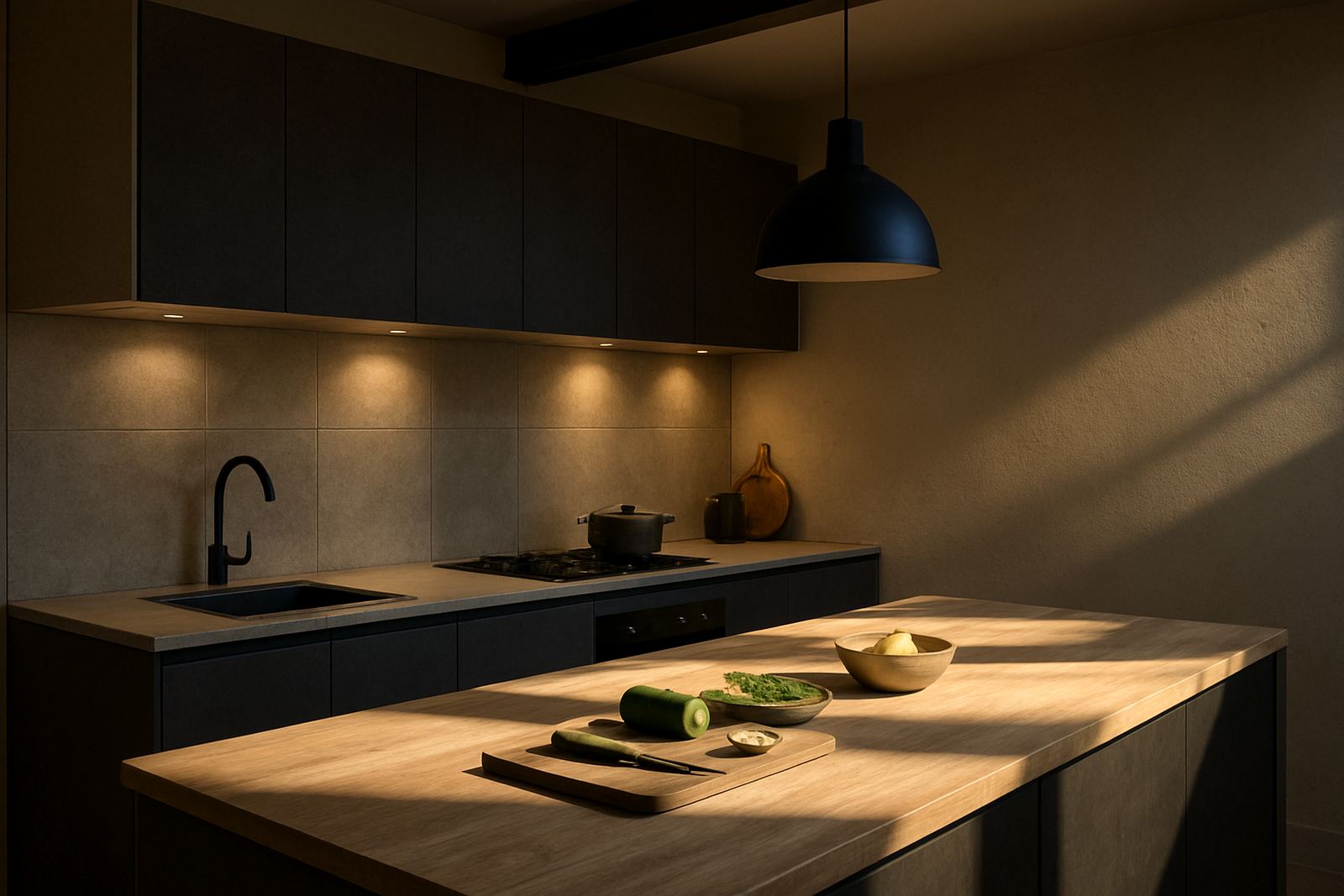
Ambient light works best when it supports the rest of the lighting plan. Feature lights can bring attention to artwork, product displays or architectural details. Task lights handle reading, prep areas and counters. The general layer ties everything together so the whole space reads as one.
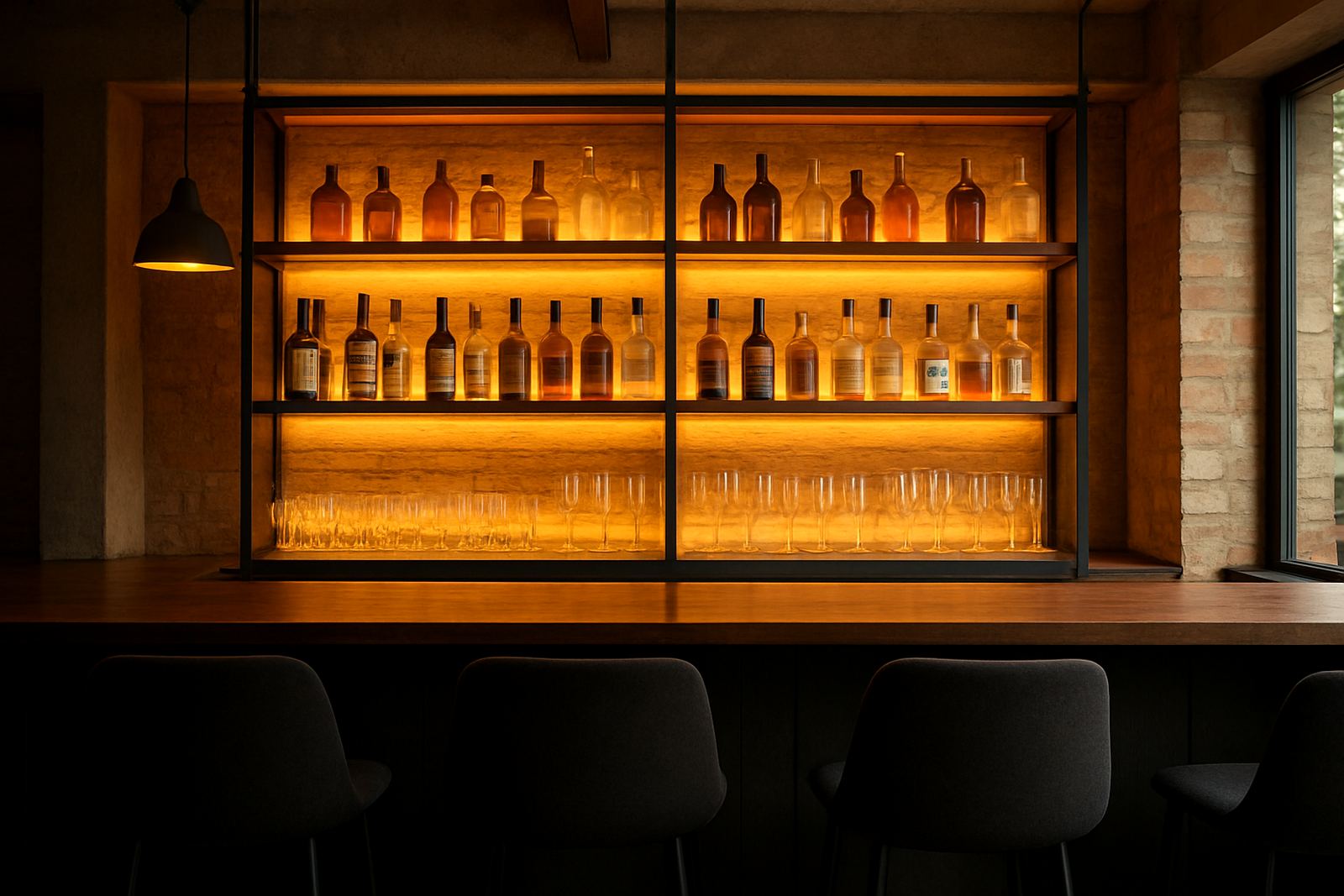
A restaurant in Cape Town might use soft ambient lighting over the dining area, then add stronger light over the bar and more focused light on menus. A home in Johannesburg could use a neutral base in the living room with warmer accents on shelves and art. In a shopfront, the ambient layer should prevent the interior from disappearing after dark, while the accent layer highlights stock and brand elements.
This is where control design becomes important. Dimming zones, scene settings and timed switching can make a space more flexible. Early evening trading may need one setting, while a late dinner service or private function may need another. In the home, the same room can shift from family dinner to relaxed evening with the right controls.
Fixture choices that suit South African conditions
Ambient lighting is not only about appearance. It has to hold up in local conditions and keep working properly. Heat, dust, power cuts and maintenance access all matter. In many spaces, the best option is a simple fitting that can be cleaned, replaced and serviced without causing disruption.
For commercial sites, fixture specification should consider ceiling type, mounting depth, access panels and the local power supply. On some job sites in Pretoria or Midrand, ceiling voids are tight and the electrician needs exact dimensions before installation starts. In coastal areas, fittings should cope better with moisture and corrosion. In homes, the choice often comes down to comfort, finish quality and how the fitting looks in daylight.
- Use fittings with suitable output for the room size
- Choose colour temperature that suits the use of the space
- Check dimming compatibility before installation
- Allow for maintenance access and future lamp or driver replacement
When the fitting suits the space, the light feels calmer and the installation lasts longer.
A local example: a Rosebank restaurant getting the balance right
A restaurant near Rosebank needs ambient lighting that can shift between lunch service, after work trade and weekend bookings. During the day, natural light from the frontage may carry much of the load. By evening, the room needs a softer base that keeps the tables visible but does not flatten the mood.
In one typical layout, the entrance and main walkway might be slightly brighter to help guests orient themselves. The dining area can sit lower in level, with focused light over each table and careful control of spill onto the walls. If the space has a bar, that area can take a little more light for activity and visual energy. The result is practical, but it also feels intentional.
For this kind of project, the process usually starts with a site lighting audit, then a concept design, layout plans, fixture specification and mockups. Once the plan is confirmed, installation coordination and post install focusing make sure the final result matches the intent. That last step matters more than many people think, because even a good fitting can look wrong if it is aimed badly.
What to check before you sign off a new lighting plan
Before any ambient lighting plan is signed off, walk the space at night and during the day if possible. Stand at the entrance, sit at the table, or look at the shelves from a customer’s point of view. Check whether the room feels even, whether faces are visible and whether any areas are too bright or too dull. A clean plan should make movement simple and the space easy to read.
It also helps to think beyond the opening day. Will the space need different settings for load-shedding? Are there enough circuits for future changes? Can the fittings be cleaned without special access equipment? These details save time later and help keep the space looking right.
Ambient light is the layer people notice least when it is done well, which is exactly the point. It should support comfort, orientation and daily use without calling attention to itself. That is true in a home in Durban, a café in Sandton or a shopfront in Cape Town. When the base is right, everything above it works better.