
Why brand feel starts with the first pool of light
When people walk past a shopfront or step into a restaurant, they register light before they study the menu, the shelving or the finishes. A bright front window says one thing, a soft layered interior says another. If the lighting feels off, the brand can read as cheap, unfinished or confusing even when the products and service are strong.
For businesses in Johannesburg, Pretoria, Cape Town, Durban and Umhlanga, the brief is rarely just about brightness. It is about how the space should feel at 6 pm on a winter evening, how the front door reads from the pavement, and how the interior holds up during load-shedding or in the glare of a Durban afternoon. That is where architectural and decorative lighting design earns its keep.
At Illumin8d, the goal is to match light with the brand personality from the start, not add it at the end as an afterthought.
Premium, playful, calm or bold: what the light is saying
Different brands need different visual cues. A premium feel usually needs restraint, contrast and careful focus. A playful brand can carry more colour, movement and a sense of surprise. Calm spaces often work best with lower contrast, warm tones and even layers. Bold brands can use sharper highlights, stronger lines and more pronounced shadow.
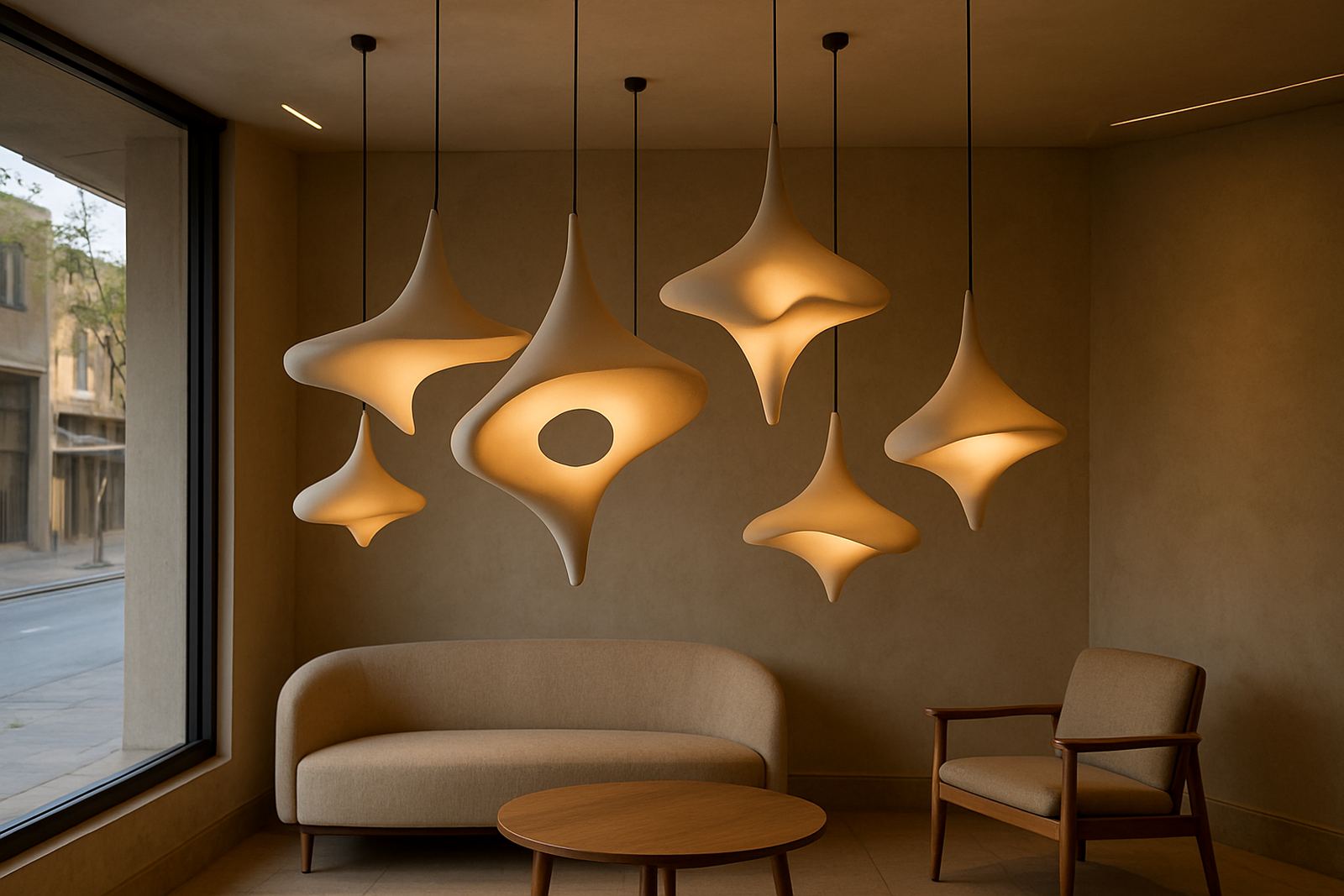
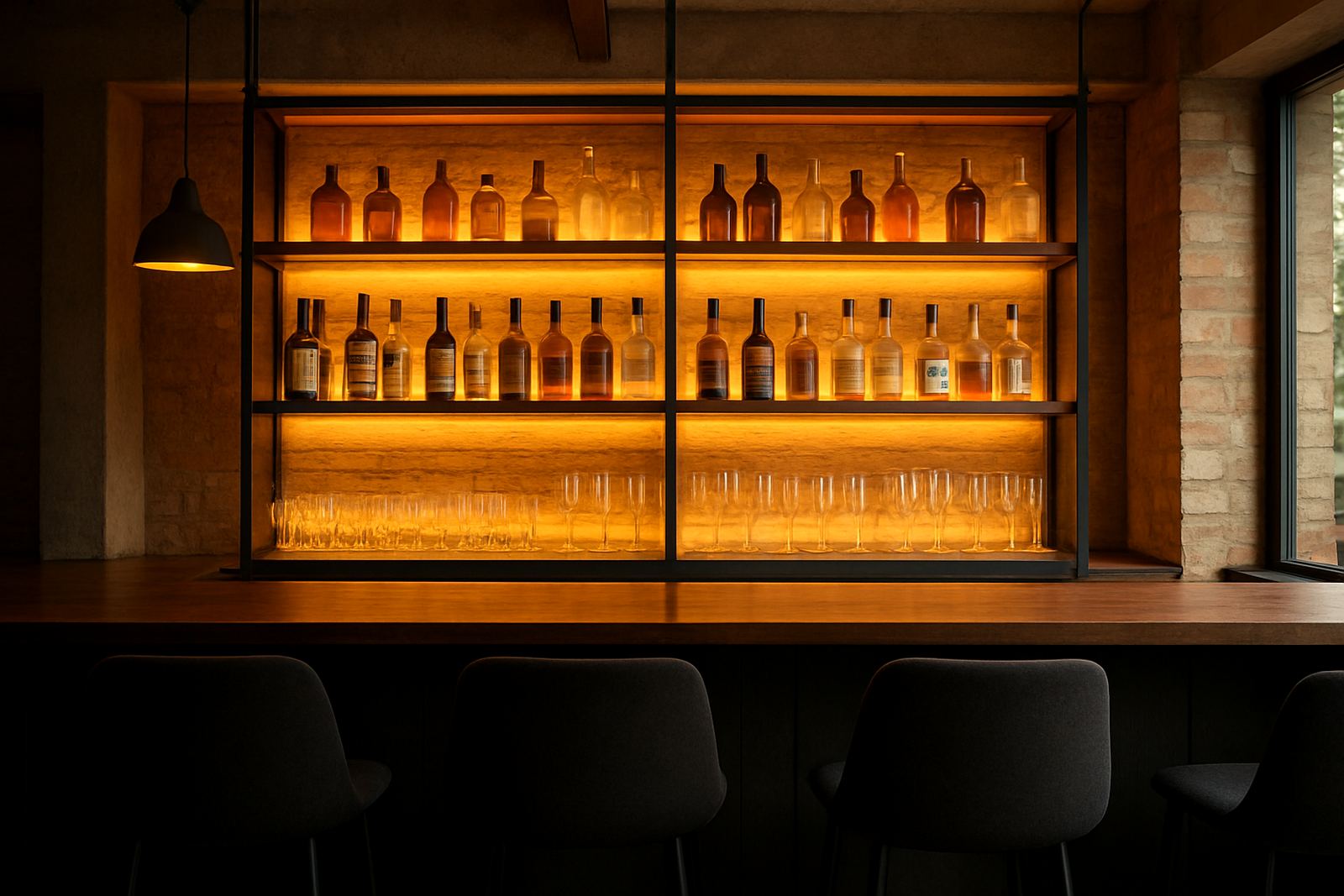
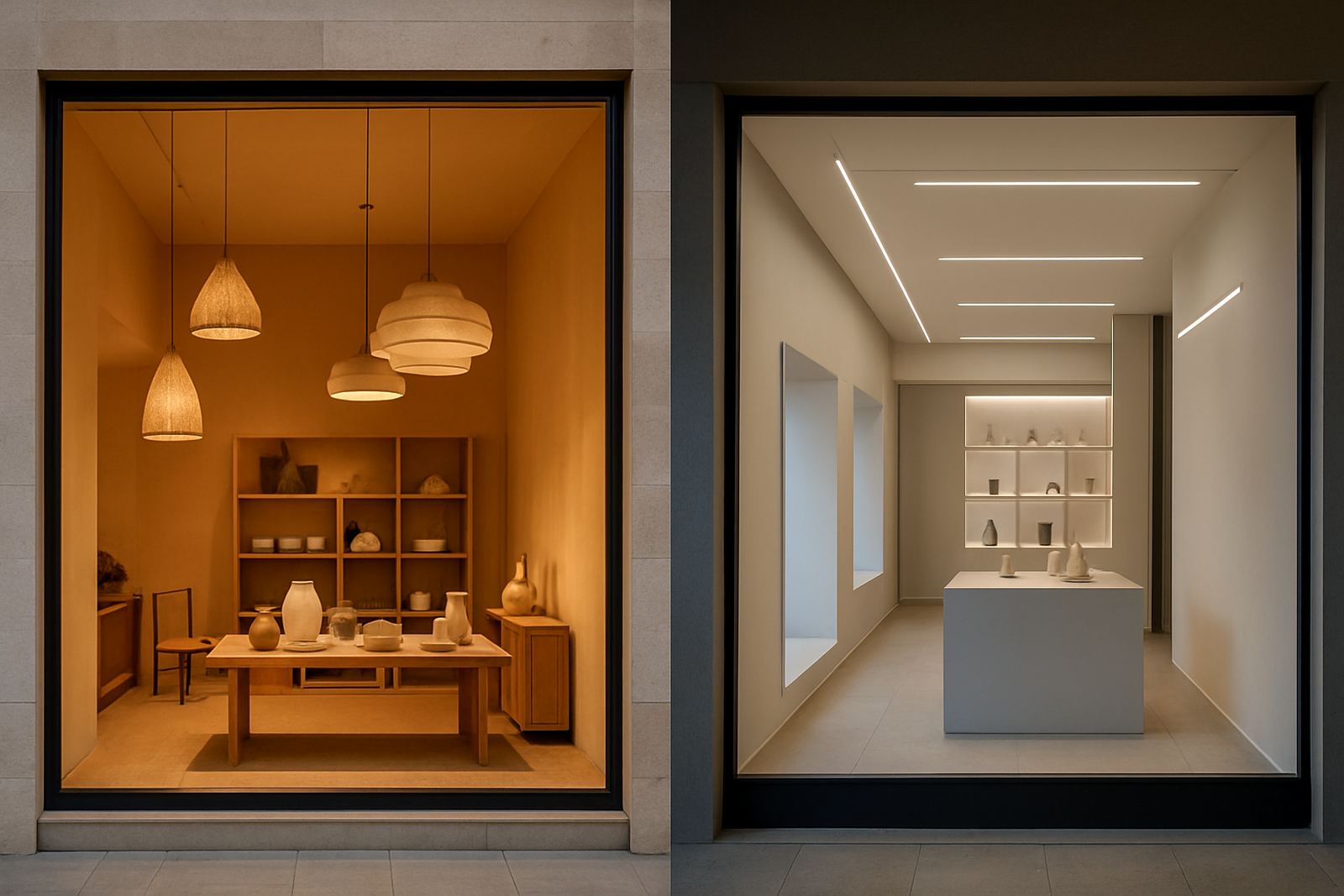
The same shopfront can say very different things depending on the colour temperature, beam angle and fixture placement. A restaurant with warm decorative pendants over tables and tighter accent light on the bar feels intimate. A home with good task lighting and soft wall wash can feel calm without being dull. The lighting must support the identity, not fight it.
- Warm light often suits hospitality, lounges and spaces where comfort matters.
- Neutral white can support retail clarity and product detail.
- Accent lighting helps direct the eye to signage, displays and feature walls.
- Dimmer control gives you flexibility between day trade and evening trading.
Shopfronts need to work from the street first
A shopfront has only a few seconds to catch attention. The front glazing, signage and doorway should all read clearly from across the road or from a parking area. That does not mean flooding the facade with light. It means using the right amount in the right place so the brand looks intentional and easy to approach.
In Rosebank or Sandton, where there is strong competition for visual attention, a shopfront can benefit from a crisp front elevation with controlled highlights on the logo and entry. In Pretoria or Midrand, where streets and centres can feel more exposed at night, good exterior lighting also helps with safety and wayfinding. Coastal towns like Umhlanga need fittings that can handle humidity and salt air, so material choice matters as much as appearance.
Site lighting audits often show the same problems: too much glare in the window, dark corners at the threshold, or fittings that make the front look patchy. Fixing those details changes how trustworthy the brand feels.
Restaurants need atmosphere that still works for service
Restaurant lighting has to do two jobs at once. It must create atmosphere and still allow staff to work efficiently. Guests want comfort and a sense of occasion, but they also need to read menus, see food properly and move safely between tables. Too much brightness can flatten the mood. Too little can make the place feel cramped or difficult.
Good restaurant design usually combines layered light: ambient light for general coverage, task light where staff need it, and decorative fittings that give the room its character. Control design matters here because lunch and dinner service do not need the same setting. A room can be brighter and more open during the day, then shift to a more intimate level in the evening with a simple scene change.
- Use separate circuits for tables, bar areas and circulation paths.
- Choose fittings that suit cleaning and maintenance in busy venues.
- Test glare from seated eye level, not only from standing height.
- Keep service points, tills and menu boards clearly lit without overexposing them.
Homes need personality without losing comfort
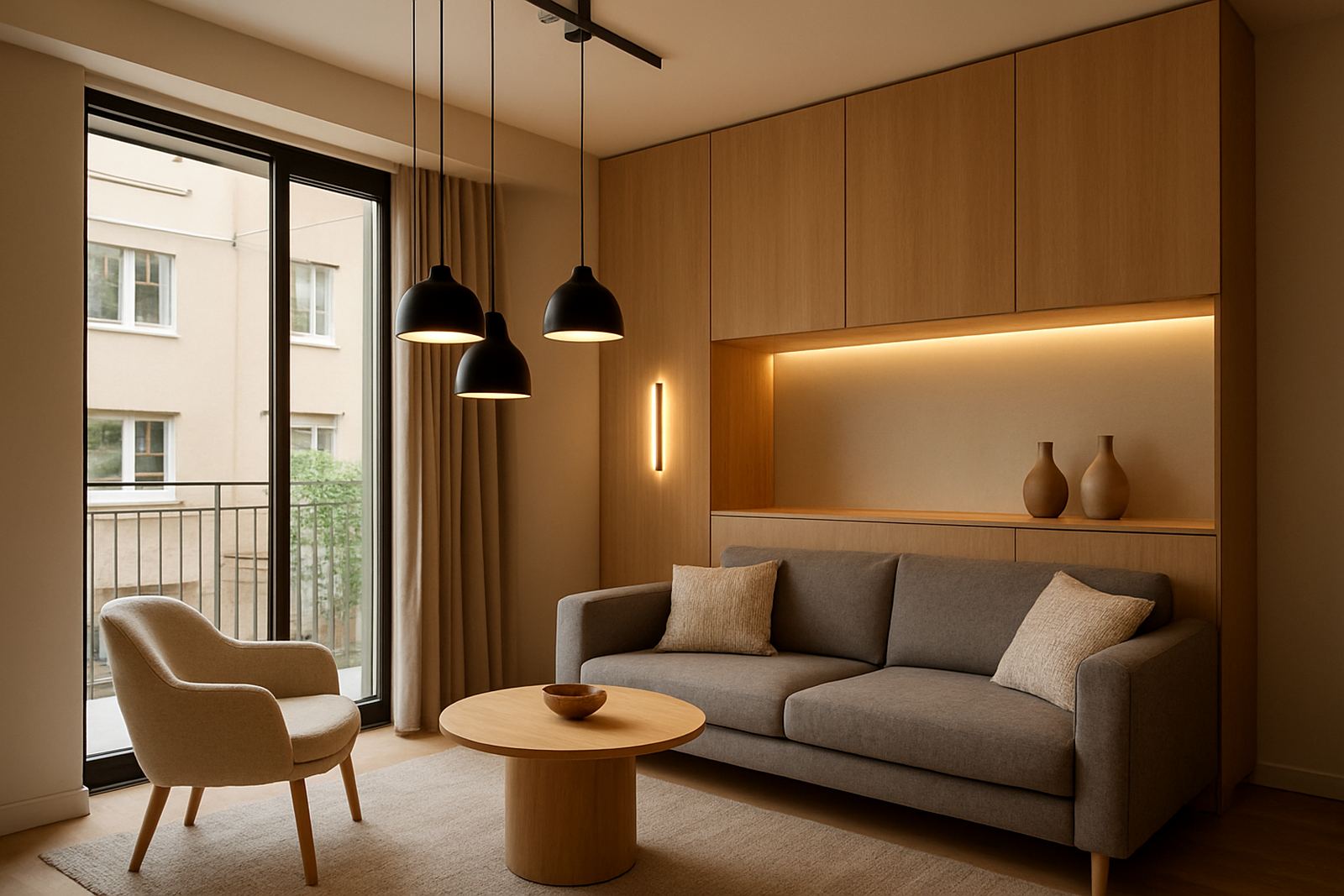
In homes, lighting for brand feel becomes personal style. A family home in Johannesburg may need a warm, welcoming feel with enough light for homework, cooking and entertaining. A townhouse in Cape Town might call for a cleaner, more modern look with careful control of daylight and evening ambience. The point is to make the space feel like it belongs to the people living there.
Layering helps. Use a mix of ceiling light, wall washing, picture light and feature pendants where needed. Add dimming where possible so the mood can change through the day. If a home has high ceilings, exposed beams or double-volume rooms, the lighting plan must address scale or the room will feel hollow. If the home is compact, careful fixture selection stops it from feeling crowded.
Practicality matters too. In South Africa, homes need lighting that can cope with power cuts, frequent switching and, in some areas, coastal moisture or dust. Good design takes that into account from the start.
A local example: Rosebank retail that needed a warmer read
A Rosebank retailer came to us with a simple problem: the store was visible, but it felt cold and harder to browse than the brand wanted. The products were good, the finishes were neat, but the lighting made the space feel more corporate than inviting. That was affecting how customers moved through the shop and how long they stayed.
We carried out a site lighting audit, then adjusted the concept with warmer accent light on feature displays, better front-of-house balance and clearer control over the window presentation. We also looked at the fixture spacing so the room did not feel overlit in one area and underlit in another. The result was a space that still felt sharp, but less severe. Customers could read the brand as more approachable and premium at the same time.
That is the value of tailored lighting design. It does not just make things brighter. It changes how people understand the business.
How to brief a lighting designer without guessing
The best projects start with clear answers, not assumptions. Before any concept work, think about what the space should communicate and how it must function day to day. A good lighting brief should cover the emotional tone, the practical use of each area and any brand elements that need emphasis.
Useful details to bring to the first discussion include:
- What feeling you want customers to have when they enter.
- Which areas must stand out first, such as signage, a feature wall or counter.
- How the space is used at different times of day.
- Whether there are display changes, events or seasonal shifts.
- Any local constraints, such as load-shedding backup, municipal rules or coastal conditions.
From there, concept design, fixture specification, layout plans, 3D lighting visuals, mockups and samples can be shaped around the real needs of the space. That keeps the final result grounded and practical, not just pretty on paper.
The point of lighting is recognition
People may not notice every fitting, but they will notice how a space makes them feel. That is the whole point of lighting for brand feel. It helps a business look confident, considered and memorable without shouting for attention. Whether the brief is for a shopfront in Sandton, a restaurant in Durban or a family home in Pretoria, the right lighting tells the right story.
At Illumin8d, the focus is on custom designs that reflect the brand, the architecture and the way people actually use the space. Because when the light is right, the space reads right too.
What good brand lighting should deliver
Strong lighting design should be able to do more than look attractive. It should support trading, improve comfort and make the brand easier to recognise. If a space feels right but performs badly, the design has missed the point.
- Clear visual identity from outside and inside.
- Comfortable viewing conditions for customers and staff.
- Flexible control for trading hours, events and seasonal changes.
- Reliable performance suited to local conditions and maintenance needs.
- A consistent feel across the whole space, not just one feature area.
That balance is where architectural and decorative lighting becomes a business tool, not just a finishing touch.