
Why fitting room lighting changes buying decisions
People do not just buy a garment in front of a mirror, they buy how they feel in the mirror. If the light is too harsh, skin looks washed out and fabric shows every crease. If it is too dim, customers cannot see fit properly and they often walk out unsure.
In South African retail spaces, this matters even more because many shops deal with mixed daylight, load-shedding back-up power and older mall electrical layouts. A fitting room that works at midday in Rosebank should still feel right on a cloudy winter afternoon in Cape Town or during evening trade in Umhlanga.
Good fitting room light should support confidence, not create doubt. The goal is simple: let the customer see themselves honestly, but in a flattering and comfortable way.
The best light is balanced, not bright for the sake of it
A common mistake is to use one strong ceiling fitting and call it done. That usually creates shadows under the eyes, nose and chin. The face can look tired and the clothing may appear darker than it really is.
A better approach is layered lighting with a soft front light and controlled ambient light. In most fitting rooms, a warm-neutral colour temperature works well because it feels natural on skin and keeps whites, blacks and colours close to true.
- Use even light on both sides of the face to reduce harsh shadows
- Aim for a colour temperature that feels clean but not clinical
- Keep glare off mirrors, especially where lights reflect directly into the customer’s eyes
- Match the fitting room brightness to the sales floor so the change is not jarring
When the fitting room feels calm, customers spend less time second-guessing the purchase and more time choosing with confidence.
Mirror placement and fixture direction do most of the work
Lighting alone cannot fix a poorly planned fitting room. Mirror size, wall colour and fixture direction all affect the final result. A narrow room with dark walls and a single downlight will always feel tighter and less forgiving than one with reflective finishes and carefully aimed light.
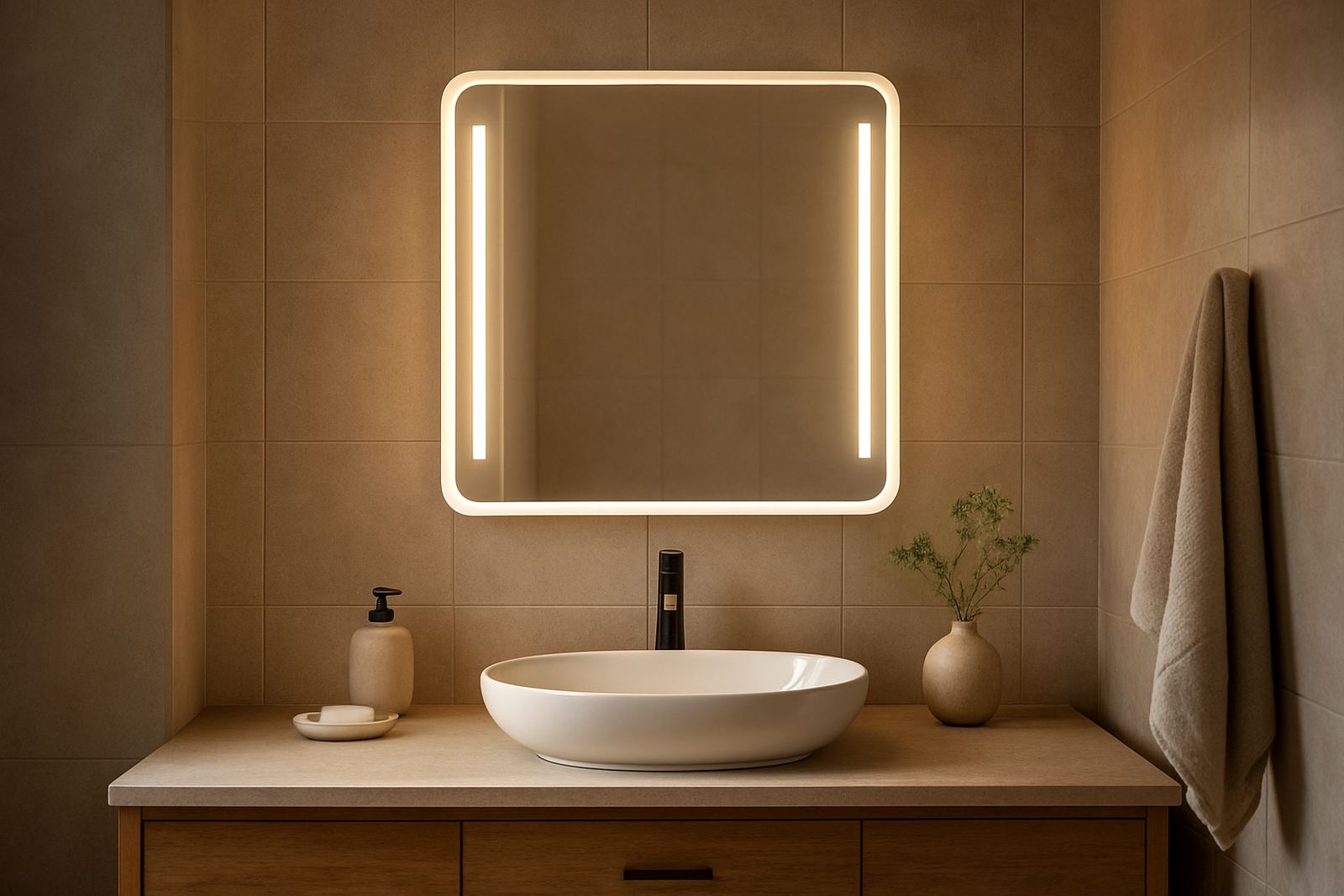
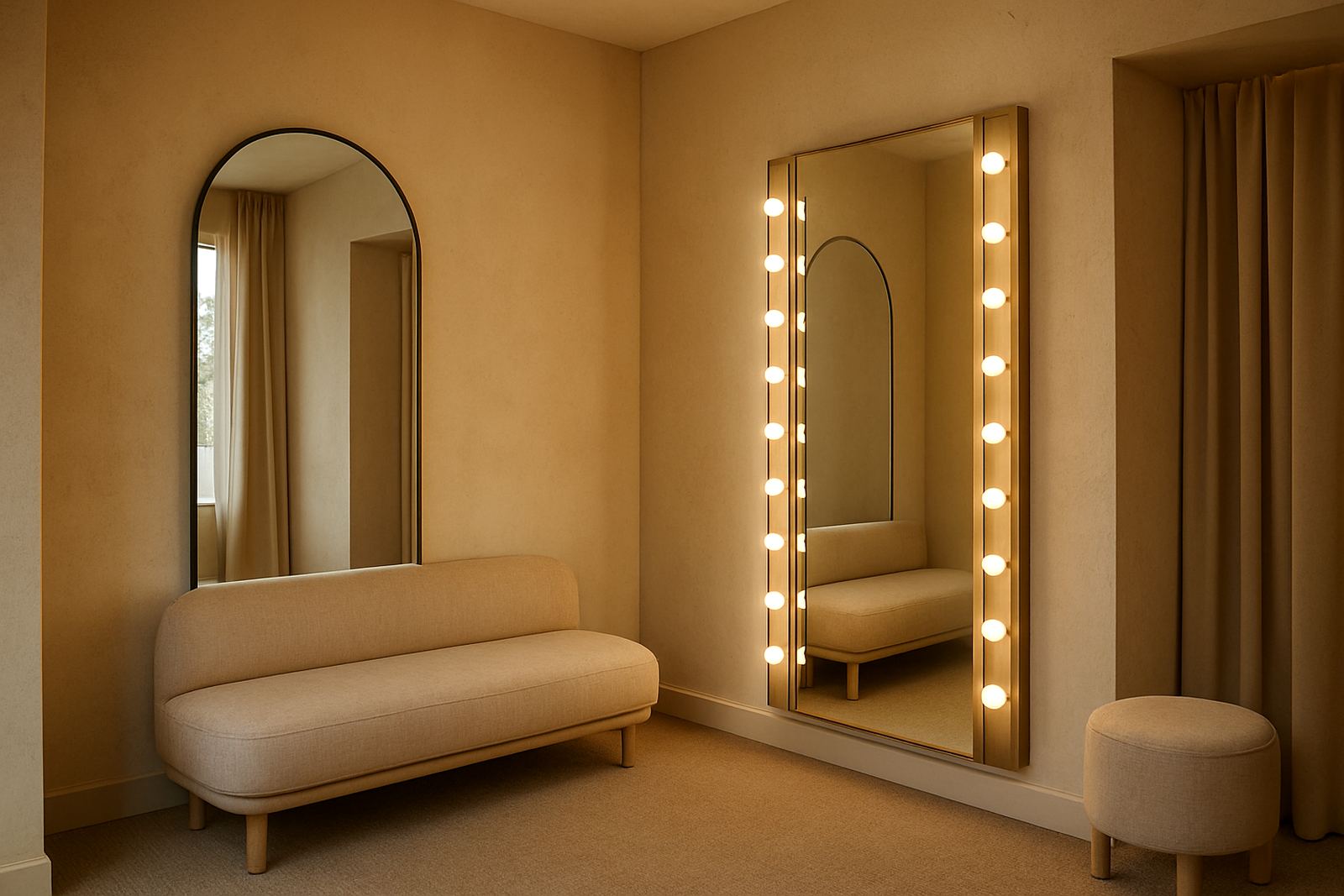
For shopfronts in Sandton or Pretoria where premium presentation matters, wall-mounted vertical light can be very effective because it supports the face from both sides. In smaller suburban shops, a simple mix of ceiling light and side light may be enough, provided the beam is controlled and the mirror is not placed under a harsh hotspot.
It also helps to avoid placing a mirror opposite a window if afternoon sun causes strong contrast. In coastal areas like Durban and Umhlanga, daylight shifts through the day and can confuse the look of the room unless the artificial light is planned to compensate.
How to light for skin tone, fabric and honest colour
One of the biggest complaints in changing rooms is that garments look different from the sales floor. This is usually a colour rendering problem. If the light source does not show colour well, a navy shirt can read almost black, while beige and cream can look flat.
For clothing retail, the aim is truthful colour with a slight softness that still flatters skin. That means choosing fixtures and lamps with good colour quality and avoiding mixed light sources where some areas look pink and others green. Mixed light is particularly troublesome in older buildings in Johannesburg where fittings may have been added over time.
- Choose light that shows reds, blues and neutrals clearly
- Avoid mixing cool and warm light in the same mirror view
- Test white shirts, black trousers and patterned fabric before finalising the layout
- Check the room both with and without natural daylight
If the customer can trust what they see, they are far more likely to buy and less likely to return items because of a colour surprise later.
Controls matter during trading hours and load-shedding
Fitting room light should not be fixed at one setting forever. Morning trade, late afternoon trade and after-hours cleaning all need different levels. Dimmable control can help shops keep the room comfortable without wasting power.
In South Africa, backup supply during load-shedding also needs thought. A fitting room that looks fine on mains power can become too dim on inverter power if the lighting load was never planned properly. It is worth coordinating the lighting design with the electrical setup so essential areas stay usable when the grid drops.
Where a store runs on timers or occupancy sensors, make sure the fitting room still responds gently. A light that snaps on too abruptly can feel unpleasant and expose the customer before they are ready. Small details like this make a real difference in daily operation.
A Rosebank example that shows the difference
In a Rosebank fashion store, the fitting rooms were originally lit with one overhead fitting per cubicle. The result was uneven light, with harsh shadows and complaints that clothes looked dull. Customers were spending longer in the room but leaving less certain.
After the lighting was adjusted, the room used softer side light near the mirror, better spacing between fixtures and a more considered brightness level. Staff noticed that customers looked more relaxed, asked fewer questions about colour mismatch and were quicker to decide on alternate sizes or styles.
The change was not about making the room brighter. It was about making it easier to trust what the customer was seeing.
- Better mirror visibility reduced complaint levels
- Shadows around the face were much less noticeable
- The room felt more private and more polished
- Staff found fittings easier to monitor during busy periods
What to ask before you specify fitting room lighting
Before any fitting room is signed off, it helps to ask a few practical questions. The answers should shape the layout, fixture choice and control method. A good design for a boutique in Cape Town may not suit a family clothing store in Midrand or a restaurant change room in Pretoria.
Consider the use of the room, the height of the ceiling, the wall finish, the mirror size and how much daylight enters from nearby openings. Also think about maintenance, because fittings that are hard to clean or replace can become a problem fast in a busy retail environment.
- Will the room be used for retail clothing, hospitality or home dressing spaces?
- Does the space need softer light for comfort or stronger light for detail?
- How will the room perform during cloudy weather or load-shedding?
- Can the light be maintained without disrupting trade?
When the answers are clear, the fitting room becomes more than a small enclosed space. It becomes part of the sales process, and that is where the value shows up.