

Start With A Regular Cleaning Routine
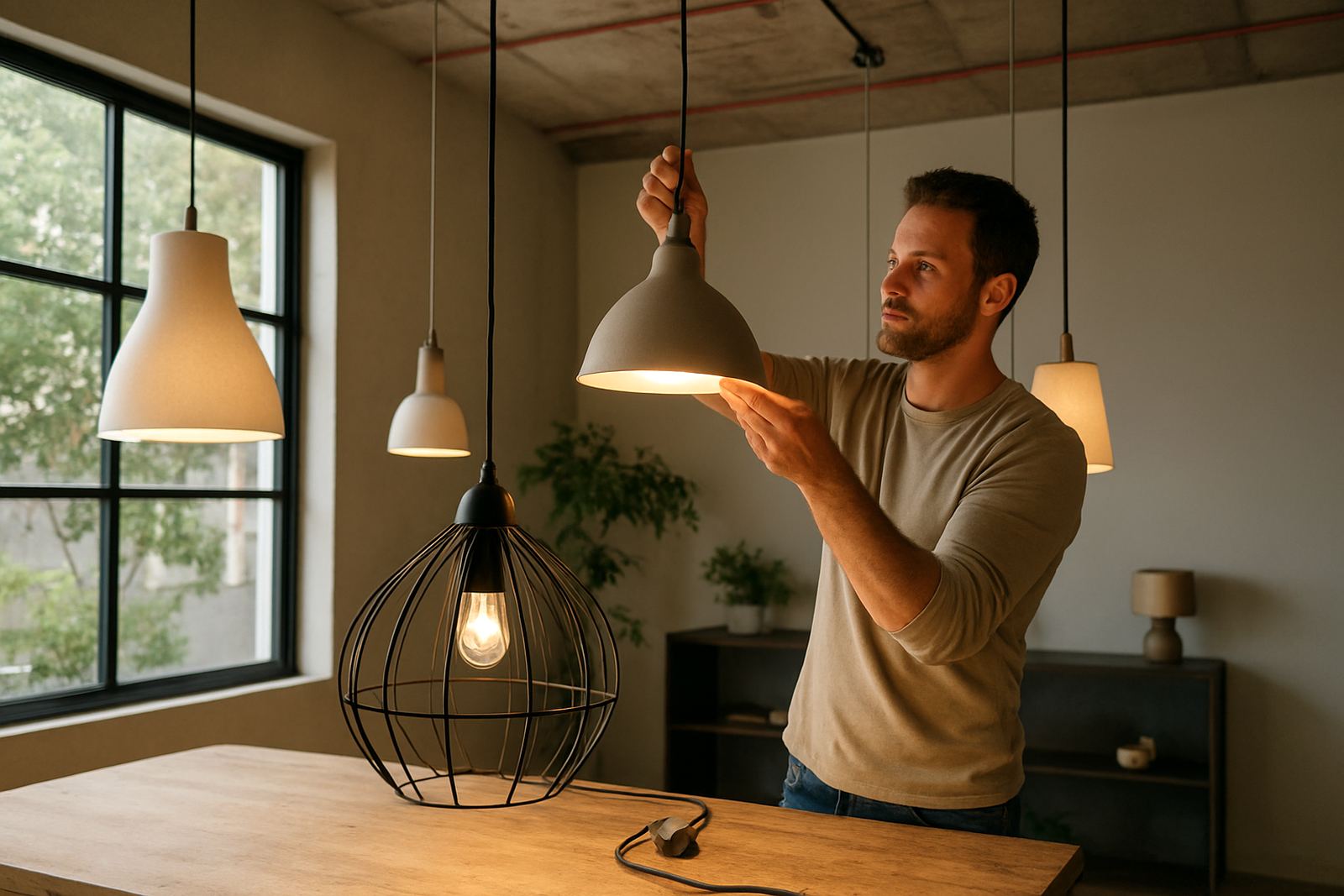
Dust, grease and coastal salt build-up can quickly reduce light output, especially in restaurants, shopfronts and homes near busy roads or the sea. In Johannesburg and Pretoria, fine dust settles on fittings and lenses; in Durban and Umhlanga, humidity can leave a film that dulls the finish. Switch power off at the wall or isolator before cleaning, then use a soft microfibre cloth and a dry brush for vents and trims. Avoid harsh chemicals, scouring pads and spray cleaners that can stain finishes or creep into wiring points.
A simple monthly clean is usually enough for indoor decorative fittings. For hospitality spaces, high-traffic retail, or any area with cooking vapours, check fixtures more often. If a fitting is mounted high, use proper access equipment and never stretch from a chair or ladder that is not stable.
Check Lamps, Drivers And Controls Before Problems Spread
Lighting systems often give warning signs before they fail. Flicker, colour shift, delay on start-up and uneven dimming can point to a worn lamp, a failing driver, or a control issue. If one section of a shopfront is dimmer than the rest, compare the affected fitting with the others and check whether the issue follows a specific circuit or control zone.
- Look for lamps that are blinking, buzzing, or taking too long to reach full brightness
- Test dimmers and scene controls to confirm all settings are responding properly
- Inspect visible cabling, joints and covers for heat marks, cracks or loosened parts
- Replace failed components with the correct specification, not a close match
For homes and restaurants, it is worth keeping a record of the fitting type, lamp colour temperature and wattage so replacements stay consistent.
Keep Outdoor And Shopfront Lighting Weather Ready
Exterior fittings face more wear from rain, wind, dust and municipal cleaning. In shopfront work, a dirty lens or a loose bracket can change the look of the frontage and reduce visibility after dark. Check seals, gaskets and mounting points after heavy rain or strong wind, especially along coastal areas where corrosion can start on screws and exposed metal sooner than expected.
Make sure water can drain away from the fitting and that no leaves, insects or signage debris are blocking the beam. If a fixture is mounted on a façade, keep plant growth trimmed back and inspect for staining from nearby downpipes. A little attention here saves money and helps avoid repeat faults.
Use The Right Access And Safety Steps
Maintenance should never be rushed. Before opening any fitting, isolate the power and confirm the circuit is dead. If the installation includes controls or emergency circuits, do not assume a switch is enough. Use the correct access gear for the height and layout, and keep the work area clear so staff, guests or customers are not put at risk.
- Allow lamps to cool before handling them
- Wear clean gloves to avoid fingerprints on decorative glass or polished surfaces
- Keep spare parts, tools and screws together so nothing is left loose inside the fitting
- Only refit covers and trims once all parts are secure and aligned
Where a property has an owner, tenant and centre management involved, make sure access arrangements are confirmed in advance so maintenance does not clash with trading hours or security rules.
Protect Decorative Finishes And Custom Details
Custom lighting often includes special trims, textured shades, painted surfaces and made-to-order elements that need gentler care than standard fittings. For brass, powder-coated metal, glass and acrylic, use the lightest cleaning method that does the job. If a surface is scratched, chipped or tarnished, do not try to polish it aggressively, because that can make the problem worse.
In restaurants and homes, heat and cooking vapour can affect finishes over time. In shopfronts, fingerprints and dust can be more visible around display areas, so regular wiping keeps the installation looking cared for. If a fixture has a decorative diffuser or internal detail, handle it carefully to avoid twisting or forcing parts out of line.
Plan Seasonal Checks Around Load-Shedding And Weather
In South Africa, power interruptions and changing weather conditions should be part of the maintenance plan. After load-shedding or an outage, check whether all lighting zones return correctly and whether any controls have reset. If a fitting repeatedly trips or behaves differently after power returns, that is a sign it needs attention.
Before summer storms or a cold wet winter, inspect exterior lights, canopies and entrance features for moisture entry and loose fixings. In busy areas like Rosebank, Sandton and Pretoria, vibration from traffic and nearby construction can also loosen fittings over time, so a scheduled inspection is worthwhile. A short check every few months is often enough to keep everything working as it should.
When To Bring In A Specialist
Some faults are best handled by a qualified lighting professional, especially where there is control gear, custom fabrication, complex wiring or ceiling access involved. If a circuit keeps failing, multiple fittings on the same run are dimming, or a decorative system is not producing the intended effect, it is time to arrange a proper assessment. That way the cause is found instead of only treating the symptom.
For new installations, a post install check and a simple maintenance schedule help protect the investment. Keeping fittings clean, aligned and correctly powered means the space keeps looking right and the lights stay effective for longer.