Lighting that fits the pace of a lodge stay
A good lodge lighting plan starts with how guests move through the property. Arrivals often happen late, dinner service can run into the evening, and guests still need clear paths between reception, rooms, decks, spa areas and parking. At Illumin8d, we design lodge lighting so the first impression feels calm and welcoming, while the practical side keeps people orientated without glare.
Lodges in Johannesburg, Pretoria, Cape Town, Durban and Umhlanga all face different conditions. Inland sites often need stronger task lighting and better control for dark driveways, while coastal lodges must deal with salt air, humidity and fixtures that age faster if the wrong fittings are selected. We look at each zone separately, then link the whole property through one lighting approach that suits the architecture and the guest experience.
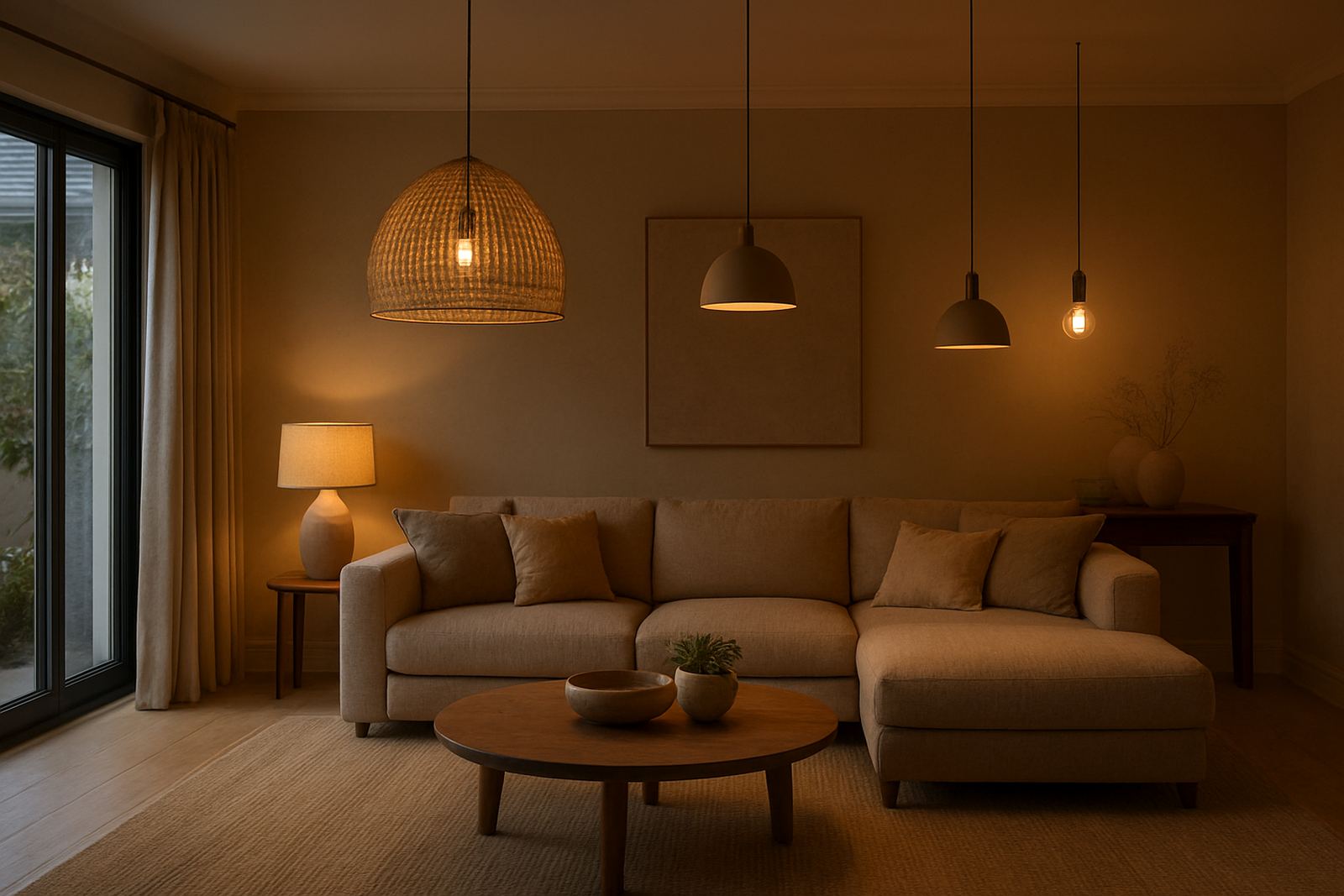
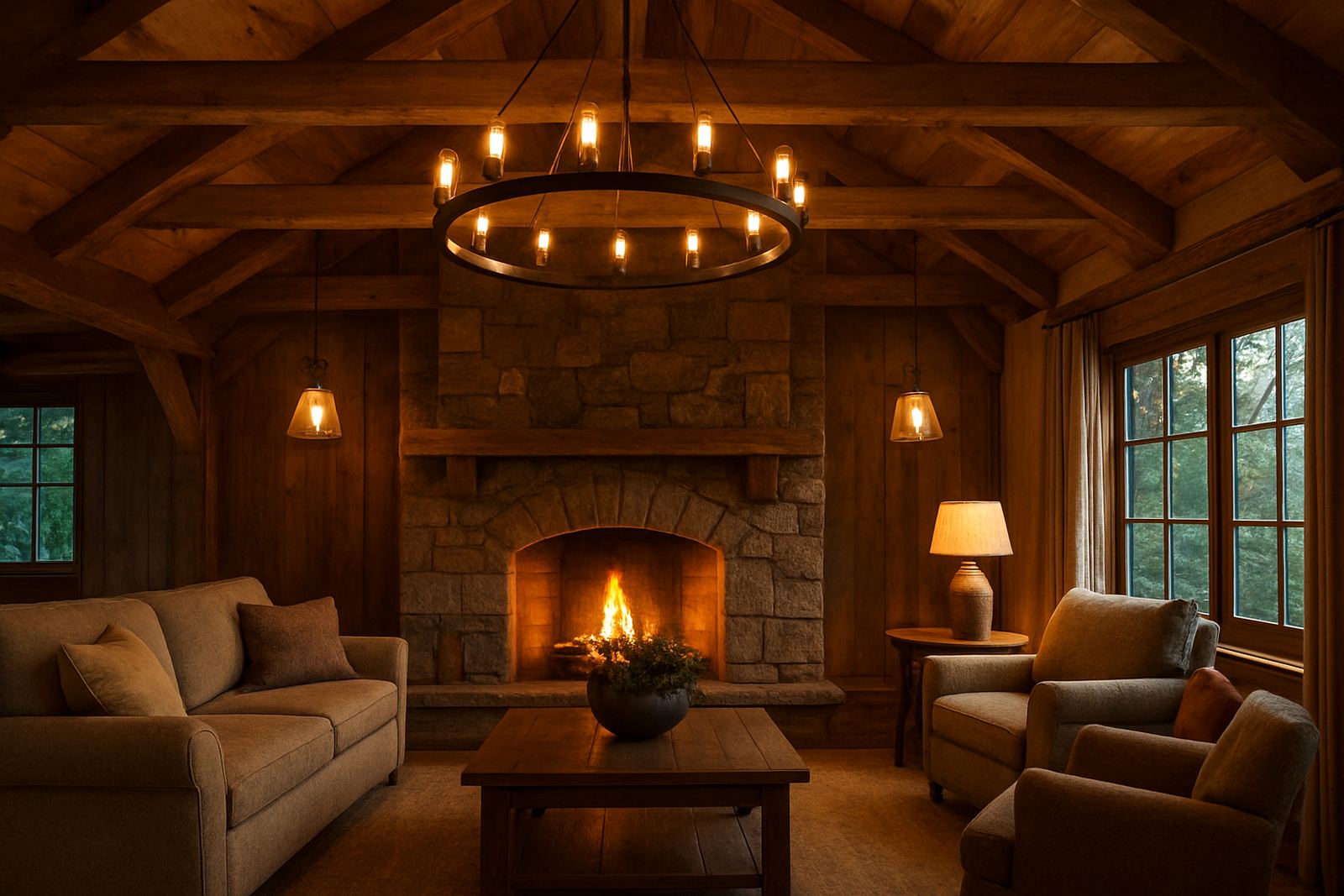
The best lodge lighting usually balances three layers: ambient light for overall comfort, task light for reading, serving and reception work, and accent light for feature walls, timber details, artwork or planting. When these layers are planned properly, you get a space that feels settled at night and still works during power interruptions. Controls matter too, especially where staff need to switch areas on and off in stages to save energy.
Typical fittings and equipment for lodge projects
Most lodge projects use a mix of discreet fittings and a few feature pieces. The exact set depends on the building style, but these are common elements we specify:
- Recessed downlights for reception, corridors and guest rooms
- Wall lights for passages, stairwells and bedroom headboard areas
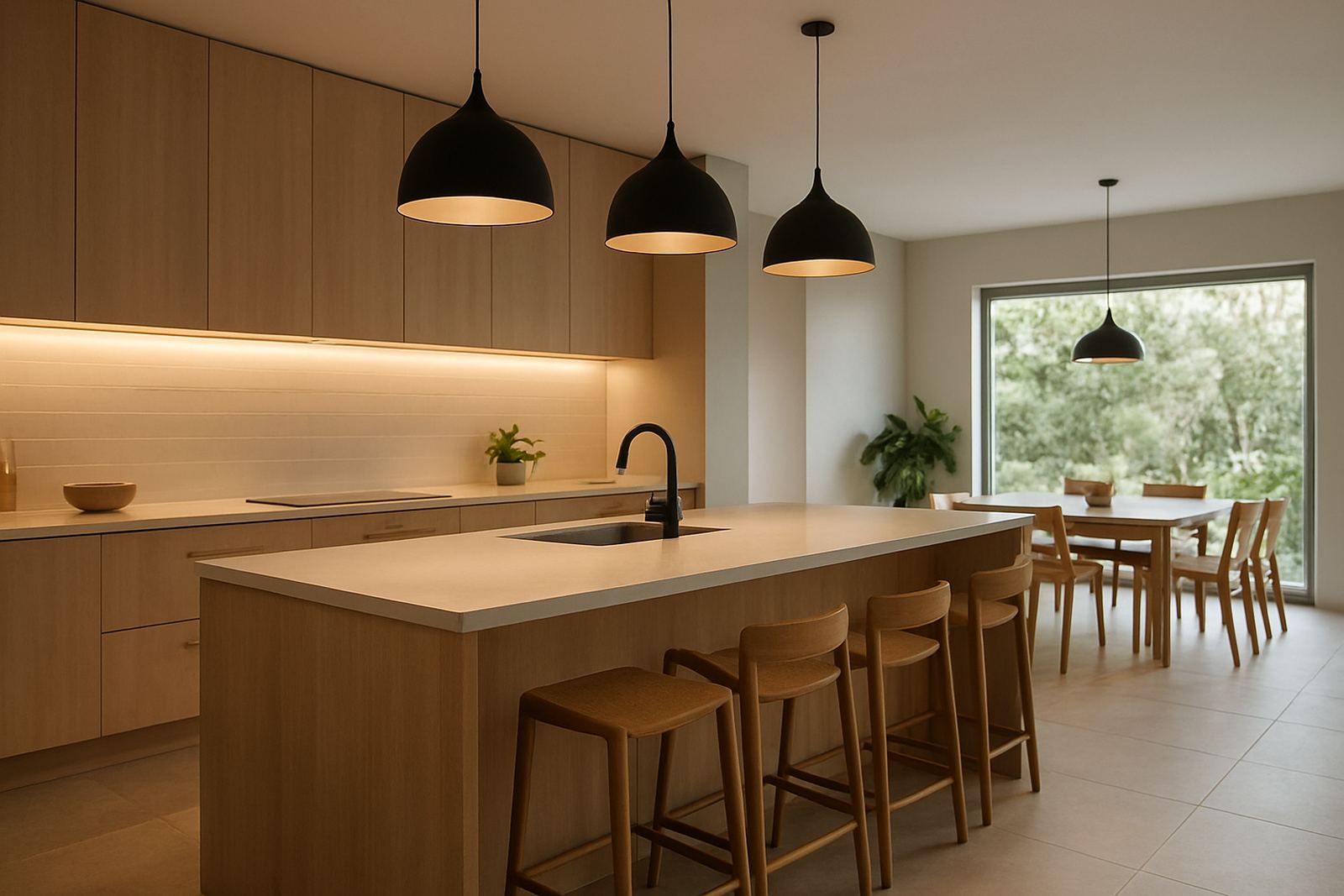
- Pendant lights over dining tables and bar counters
- Linear profiles for coves, beams and shelving
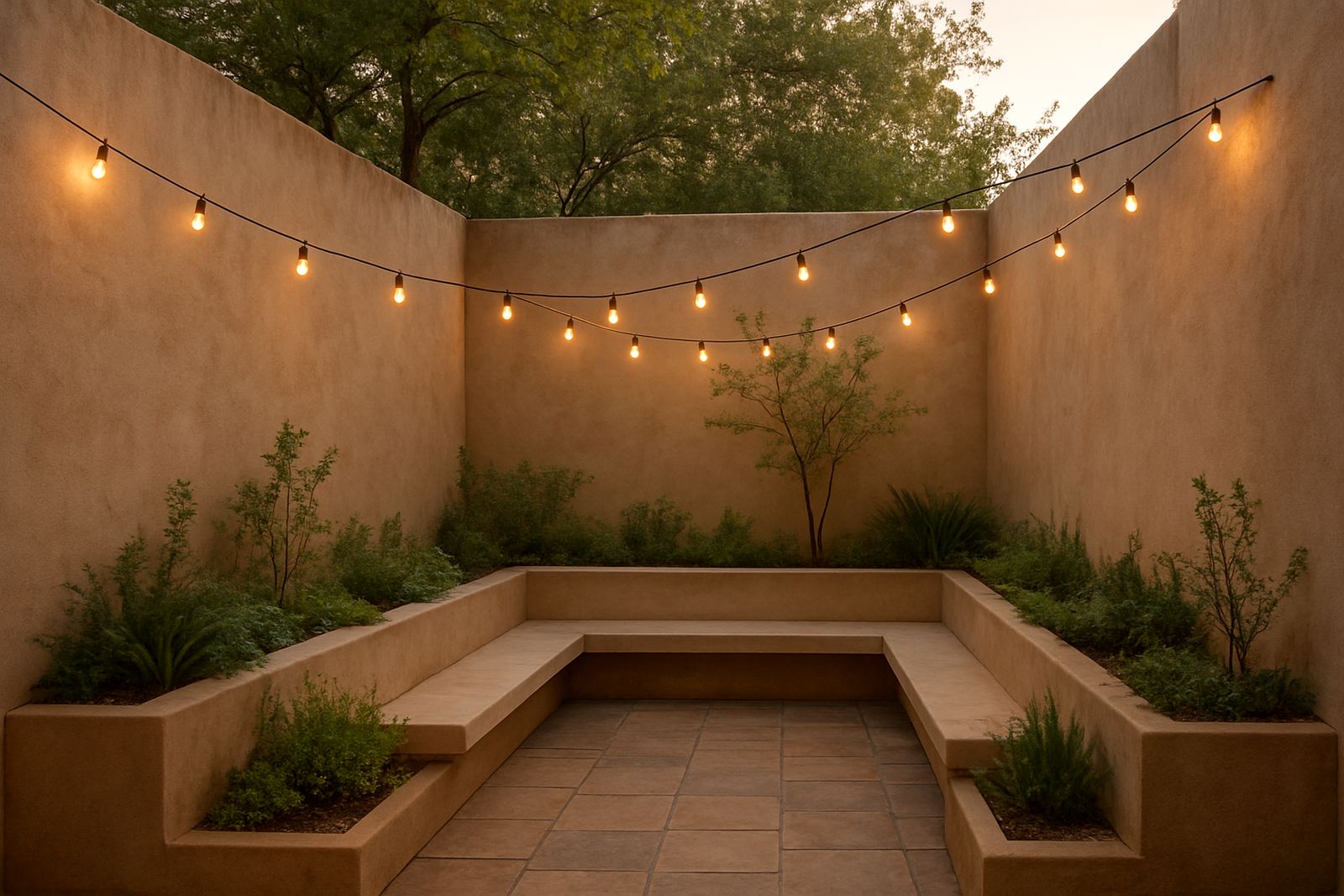
- Exterior bollards and low level path lights for walkways
- Spike lights and uplights for trees, rock features and signage
- Weather resistant fittings for open decks and pool edges
- Dimmable switches, scene controls and time based switching
For some lodges, we also specify emergency and backup lighting for key escape routes, reception counters and staff areas. In areas with frequent load-shedding, battery backed fittings or inverter-friendly circuits can keep the guest path lit without forcing the whole property onto full brightness. That saves energy and reduces complaints from guests trying to sleep. Fixture choice should never be based on looks alone, because a beautiful fitting that throws light into the eyes will create problems every single night.
We also pay close attention to colour temperature. Warm white light is usually best for bedrooms, lounge areas and restaurants because it feels more relaxed. Slightly cooler light can work in laundry, kitchen and maintenance areas where staff need better visibility. On smaller lodges, this mix can be achieved with a simple control schedule and the right lamp selection, rather than overcomplicating the system.
Planning the lodge by zone, not by fixture count
Too many lodge lighting mistakes come from counting fittings instead of planning the guest journey. A lodge should be mapped zone by zone: arrival and parking, reception, dining, lounge, paths, guest rooms, bathrooms, outdoor entertainment areas and back-of-house. Each zone has different needs and different lighting levels.
At the entrance, guests need to see signs, steps, kerbs and uneven surfaces. At the reception, staff need enough light for check-in and paperwork without making the area feel like an office. In dining spaces, tables should be lit well enough for meals and conversation, while the room itself stays softer around the edges. Guest rooms need bedside reading light, gentle ambient light and clear control points so visitors can switch off the main light without crossing a dark room. Small details like these are what make a lodge feel considered.
We usually start with a lighting audit or a plan review, then build fixture layout drawings, switching schedules and control notes. That helps the contractor place fittings correctly the first time and reduces site rework later. It also helps with municipal expectations on safety and, where applicable, external lighting spill. In many parts of South Africa, it is worth checking neighbouring boundaries and conservation requirements too, especially for lodges near sensitive natural areas.
- Keep path lights low enough to guide, not blind
- Separate guest lighting from staff and maintenance circuits
- Use dimming in dining and lounge areas
- Allow for cleaning access and lamp replacement
- Plan exterior light spill so it does not hit bedrooms or neighbouring plots
Common lodge lighting mistakes we see
One of the biggest mistakes is using the same light level everywhere. A bright corridor, a bright room and a bright dining area can make the whole lodge feel harsh. Another common issue is choosing decorative fittings that look good in daylight but fail at night because they do not give enough useful light. The guest then feels the place is attractive but not quite comfortable, which is not what you want in hospitality.
We also see poor placement near mirrors, headboards and stair edges. If a bedside light shines directly into the sleeping zone, guests will switch it off and use only one lamp. If a stair light creates shadows on each step, it becomes a safety issue. At outdoor areas, too many uplights can create glare and attract insects, while too few leave guests unsure where to walk. On coastal properties, unprotected fittings can corrode faster than expected and become expensive to replace.
Another mistake is ignoring maintenance. Lodges need fittings that are simple to clean, easy to access and practical for the staff on site. If a lamp is impossible to reach without specialist equipment, it will stay broken longer than it should. We plan with maintenance in mind so the lighting still works well a year or two down the line, not only on handover day. Small errors in specification can turn into recurring costs, and that is where good planning pays for itself.
Budget ranges for lodge lighting in Rand
Budget depends on size, finish level and how much control is needed. A small lodge refresh for selected areas such as reception, a dining room and a few exterior paths may start around R85 000 to R180 000 for lighting supply and design coordination. A mid-sized lodge with multiple guest zones, outdoor circulation and a more detailed control plan often lands between R220 000 and R650 000.
For larger lodges, luxury suites or properties with custom decorative pieces, integrated scenes and extensive exterior lighting, budgets can move from R750 000 upwards, especially if installation coordination and mockups are required. If the project includes new switchgear, dimming modules, emergency circuits or extensive reworking of existing wiring, the cost rises further. We prefer to work from a clear scope so the client knows where the money is going and which zones can be staged if needed.
It is often smarter to phase a lodge project by priority. Start with arrival, guest paths and the most visible public spaces, then move into rooms and feature areas. That approach helps with cash flow and allows the property to keep operating while work is completed. For lodges in busy tourist seasons, phasing also reduces disruption for guests and staff.
How Illumin8d supports lodge projects from concept to focusing
Our lodge work usually begins with concept design and a site lighting audit. From there we produce layout plans, fixture specifications, control recommendations and 3D lighting visuals where needed. If the client wants to compare options, we can arrange mockups and samples so the effect is tested before final ordering. That is especially useful for feature decks, dining spaces and guest room headboard walls where the wrong light tone can change the whole feel.
We also coordinate with installers so the layout is followed on site and the fittings are set correctly. Post install focusing matters more than many people think. A few degrees of adjustment can shift a beam off a face, off a path, or onto a wall feature where it belongs. For lodges across Johannesburg, Pretoria, Cape Town, Durban and Umhlanga, that final stage helps turn the plan into a space that works in real conditions, not just on paper.
- Concept Design for new lodges and refurbishments
- Site Lighting Audits for existing properties
- Fixture Specification and Layout Plans
- Control Design for scenes and energy saving
- Installation Coordination and Post Install Focusing
For lodge owners and operators, the goal is simple: safe circulation, good atmosphere and lighting that suits the property without waste. When those three things line up, the guest experience feels natural from the first arrival to the last morning breakfast.