
Start With Room Priority, Not a Shopping List
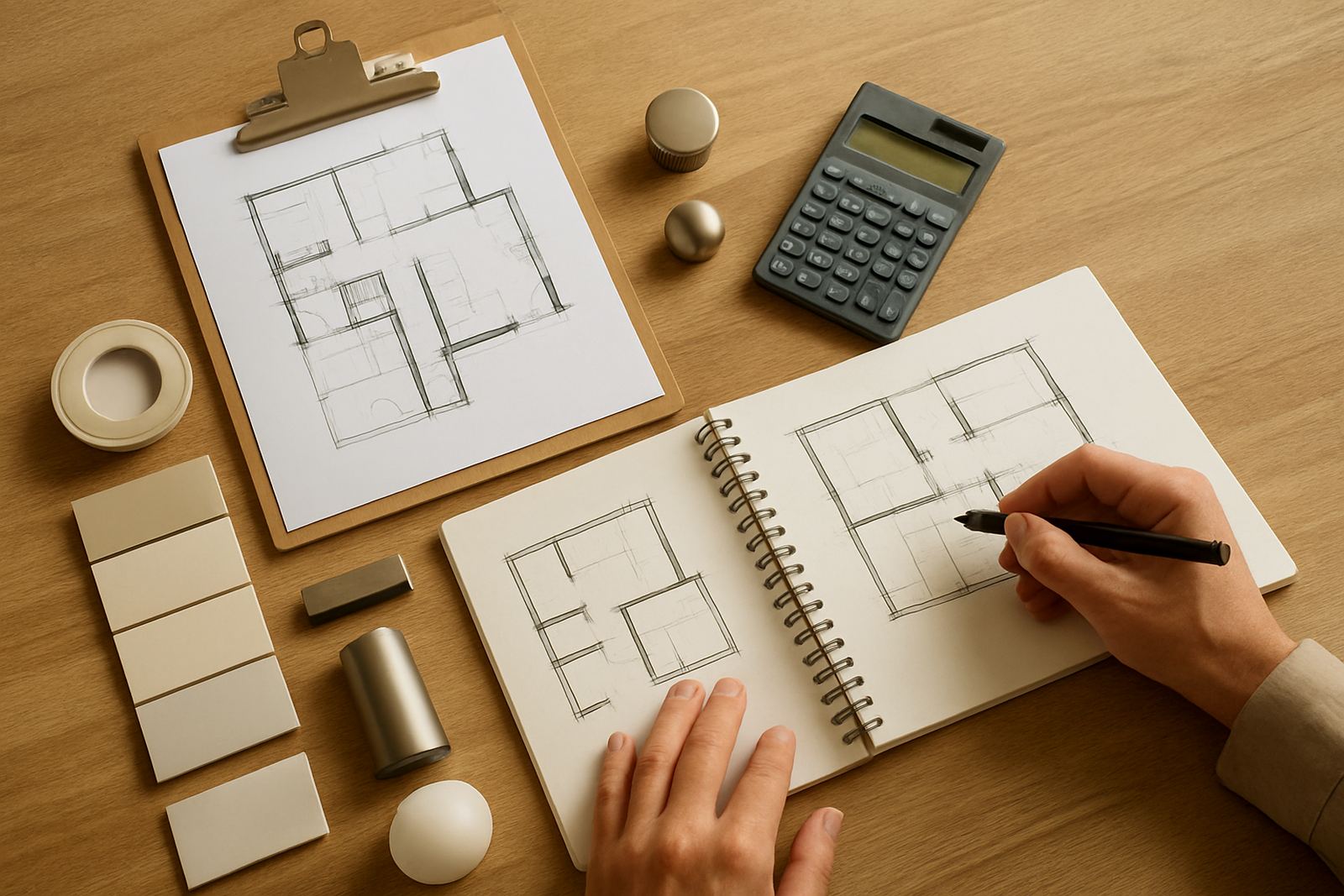
Before you price anything, rank the rooms by daily use. A kitchen, lounge and main bedroom usually need more considered lighting than a spare room or passage. In a Sandton family home you may spend more on open-plan living areas, while a compact Pretoria townhouse may need a tighter plan with fewer fittings but better placement.
Start with three questions for each room: what happens here, how many hours a day is it used, and do you need task light, mood light or both? That answer will shape your budget far more than the room size alone.
- High priority: kitchen, dining area, lounge, main bedroom, braai or patio areas used at night.
- Medium priority: bathrooms, studies, children’s rooms, corridors.
- Lower priority: guest rooms, storage areas, seldom used corners.
A simple budget split is 40% for the main living areas, 35% for bedrooms and bathrooms, and 25% for circulation and outdoor spaces. It wont suit every house, but it gives you a solid starting point.
What Drives the Cost of Residential Lighting
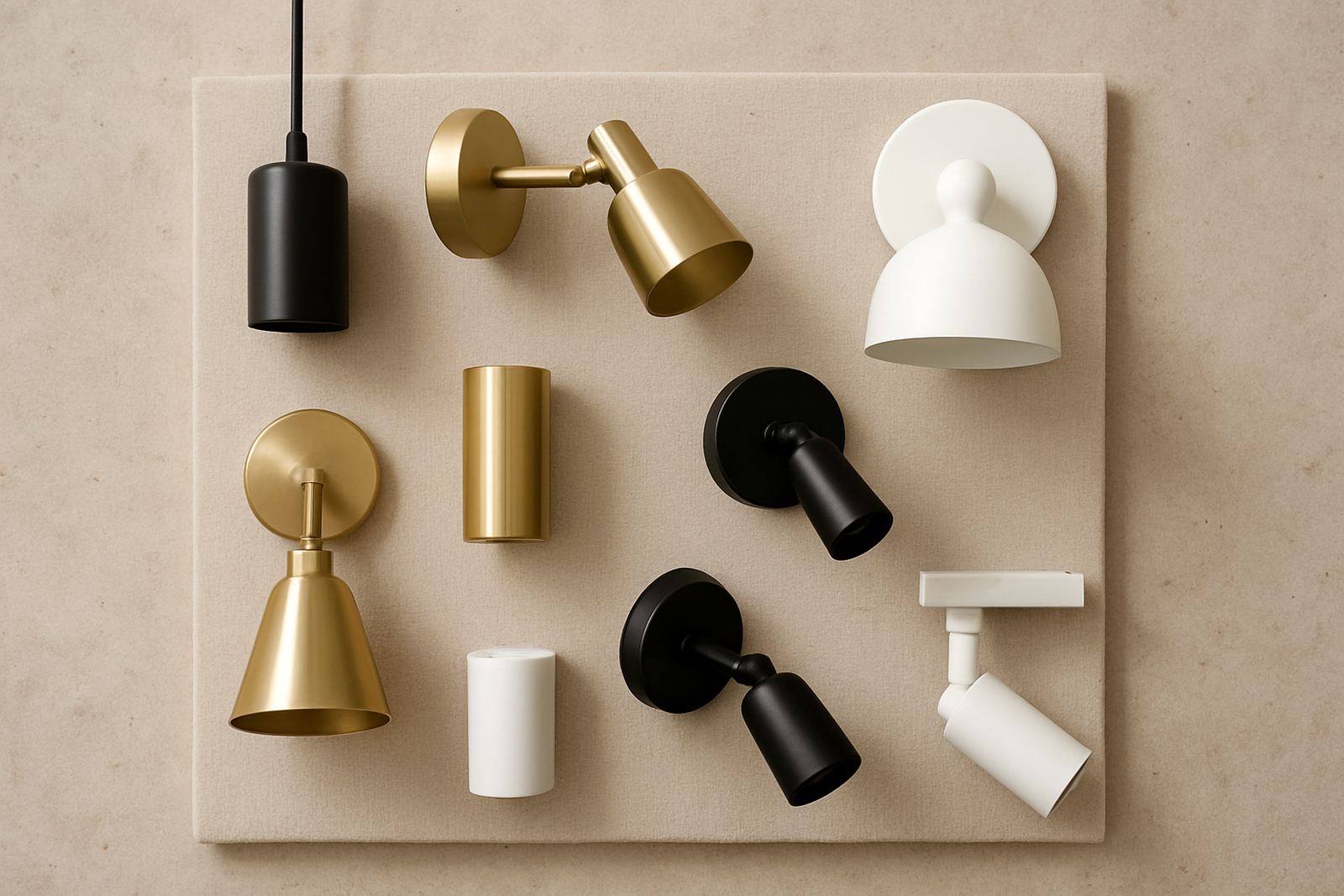
The biggest cost drivers are usually fixture type, wiring changes, control gear and labour. Decorative pendants, recessed downlights, wall lights and strip lighting all sit in different price bands. A fixture that looks simple may need a deeper ceiling cutout, a separate driver or a custom mounting detail, which pushes up the total.
In many homes across Johannesburg and Cape Town, the existing wiring decides a lot. If the ceiling points are in the wrong place, you may need re-routing, extra circuits or additional switching. That adds cost, but it also improves the result and avoids that half-lit feeling many rooms get from one central fitting.
- Fixture choice: basic, decorative or custom-made.
- Electrical work: new points, switching changes, cable runs and ceiling repairs.
- Control design: dimmers, scene switches, sensors or smart controls.
- Installation access: high ceilings, double volume spaces and outdoor areas.
- Finish level: standard install or detailed focusing and adjustment.
If you are budgeting tightly, spend where the light quality matters most and keep the decorative features for one or two hero areas.
Budget by Room: Kitchen, Lounge, Bedroom and Bathroom
Each room needs a different mix, and that is where many homeowners overspend. Kitchens need good task light over prep areas, sinks and islands. Lounge spaces need layers, with downlights, lamps and feature fittings working together. Bedrooms should feel calm, with useful light at wardrobes and bedside points. Bathrooms need safe, even light around mirrors and wet zones, with fittings suited to moisture.
A practical approach is to budget in layers. First, cover the essential light levels. Second, add the decorative pieces that shape the room. Third, include controls so you can dim or switch separate zones. That is especially useful in homes in Durban and Umhlanga, where humidity can affect fittings and finishes, and in coastal homes where corrosion resistance matters.
- Kitchen: task lighting first, then feature pendants or under-cabinet light.
- Lounge: layered lighting with dimming for daytime, evening and TV use.
- Bedroom: bedside, wardrobe and soft general light.
- Bathroom: mirror light, general light and the correct moisture rating.
When in doubt, put the money into good placement and quality fittings before adding more decorative pieces. A well planned room with fewer fittings often looks better and costs less to run.
Factor In Load-Shedding and Energy Use
In South Africa, lighting budgets should include how the home will work when the power goes off. If you only plan for normal supply, you may end up adding separate backup fittings later. That means extra cost and extra inconvenience. It is often smarter to include a few low-wattage circuits, battery-backed options or dedicated emergency points from the start.
Energy use matters too. LED lighting usually costs less to run and lasts longer, but cheaper fittings can still give poor output or weak colour quality. The aim is not just to save watts, but to get enough light without wasting power. In Midrand and Pretoria homes with bigger ceilings or longer corridors, this can make a noticeable difference to monthly bills.
- Choose efficient fittings with the correct light output, not just the lowest price.
- Use dimming where rooms are used at different times of day.
- Keep emergency and backup lighting separate from decorative circuits.
- Check that drivers and control gear suit local voltage conditions.
If your home has solar or inverter support, tell your lighting designer early. The layout may shift a bit, and that can save money later.
Allow for Installation, Finishes and Site Conditions
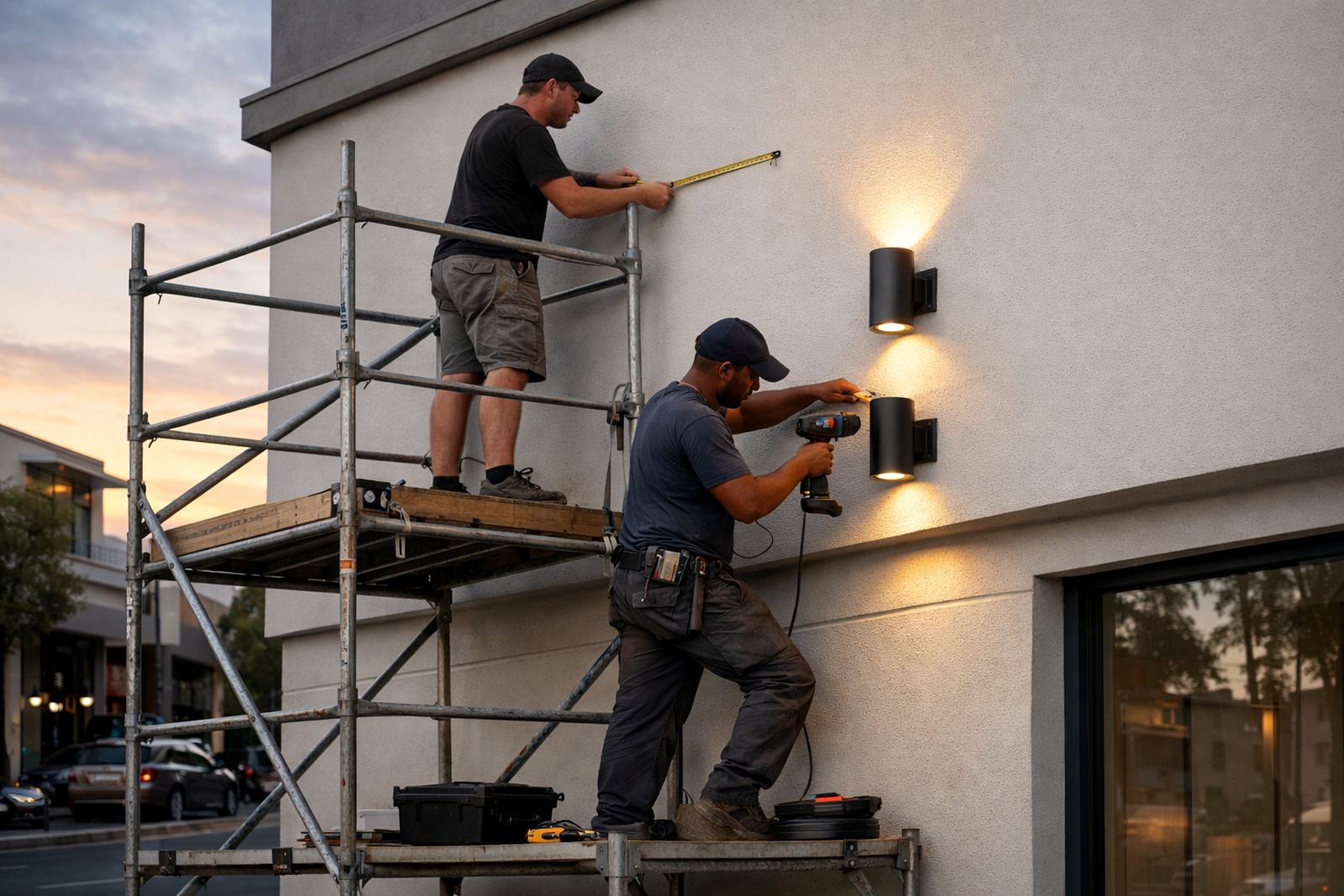
Budgeting for fittings only is a common mistake. Labour, ceiling repairs, paint touch ups and access gear can all change the final number. In homes with double volume lounges, stair voids or high vaulted ceilings, installation can take longer and need specialist equipment. That is not a surprise cost if it is planned upfront.
Site conditions also matter. Older homes in central Johannesburg may have mixed wiring or limited ceiling space. Newer homes might have stricter homeowner rules or municipal requirements on external lighting and sign-off. Outdoor areas also need proper weather protection, especially near coastal air or uncovered patios. A small typo in the spec can turn into an avoidable rework, so measurements and fitting details need to be checked carefully.
- Ask whether patching and repainting are included.
- Confirm access for ladders, scaffolding or elevated work.
- Check if outdoor fittings need extra protection from rain or sea air.
- Make sure the design suits the existing ceiling depth and roof structure.
Good planning keeps the install clean and reduces the chance of callbacks after the job is done.
A Simple Checklist Before You Approve the Budget
Before you sign off, compare the budget against the actual way your home will be used. The right number is not the cheapest one, it is the one that gives you the correct light, safe installation and a look that suits the house. If you are renovating in Rosebank, designing a new home in Cape Town, or updating a family house in Durban, the process is the same: define the spaces, price the layers, and allow for the practical details.
Use this final check before approval:
- Have the main rooms been prioritised?
- Are fixtures selected for both appearance and function?
- Is there a plan for dimming or scene control?
- Have installation, repairs and access been included?
- Are load-shedding and energy use part of the design?
- Have you checked moisture and outdoor exposure where needed?
A clear budget saves time, keeps the project focused and avoids overbuying fittings that do not improve the room. If the lighting plan is sensible from the start, the final result usually feels better and costs less to live with.
When to Bring in a Lighting Designer
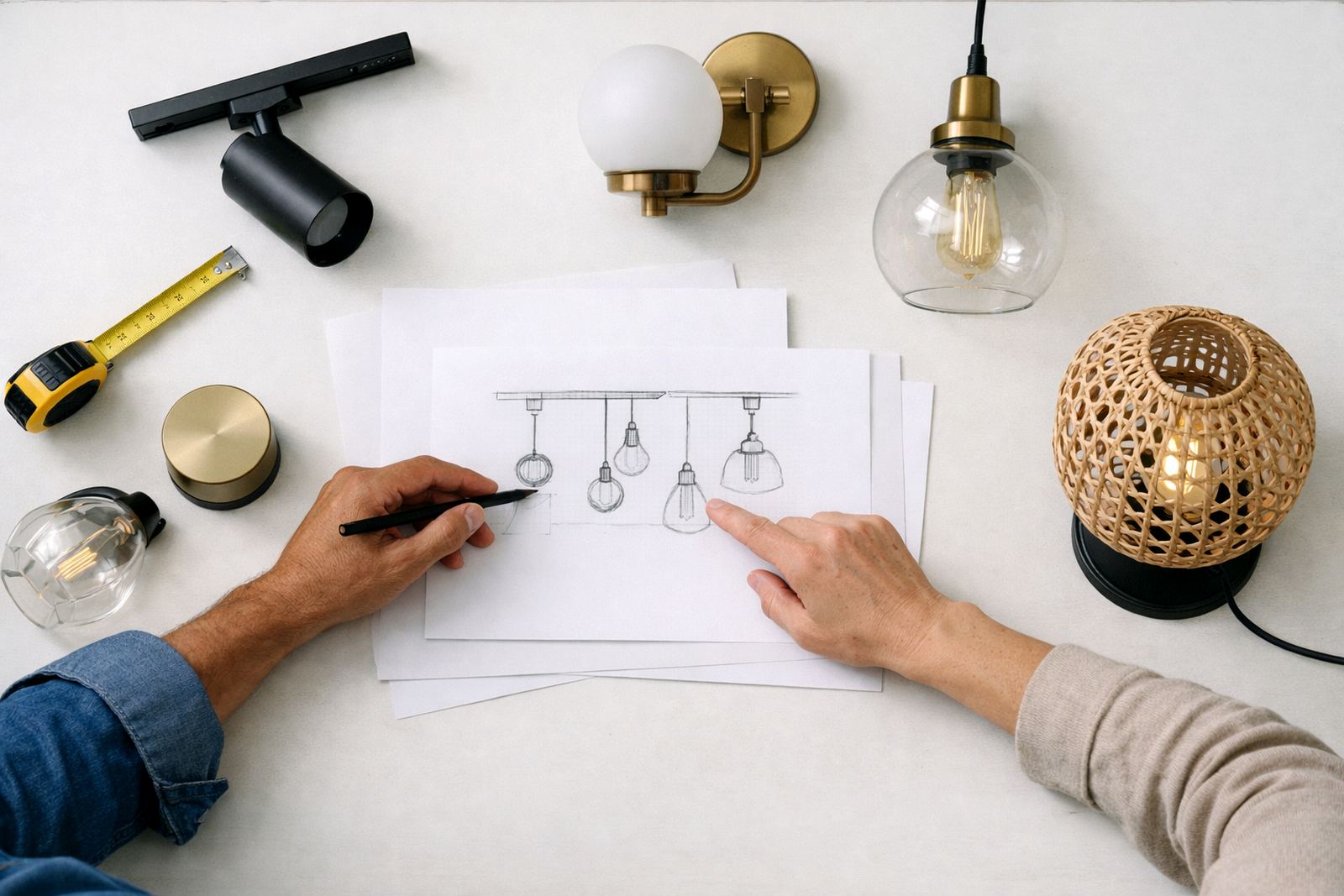
If your home has more than one ceiling type, open-plan spaces, feature finishes or a mix of new and old wiring, professional input can save money. A lighting designer helps balance the room priorities, fixture selection, control plan and installation sequence so the budget stays under control.
That is especially useful when you want to match lighting across several rooms, or when you need a custom look for a renovated home. With the right plan, you spend where it matters and avoid paying twice for changes later. For homeowners comparing quotes, the cheapest option often leaves out key details like focusing, control grouping or proper task light.