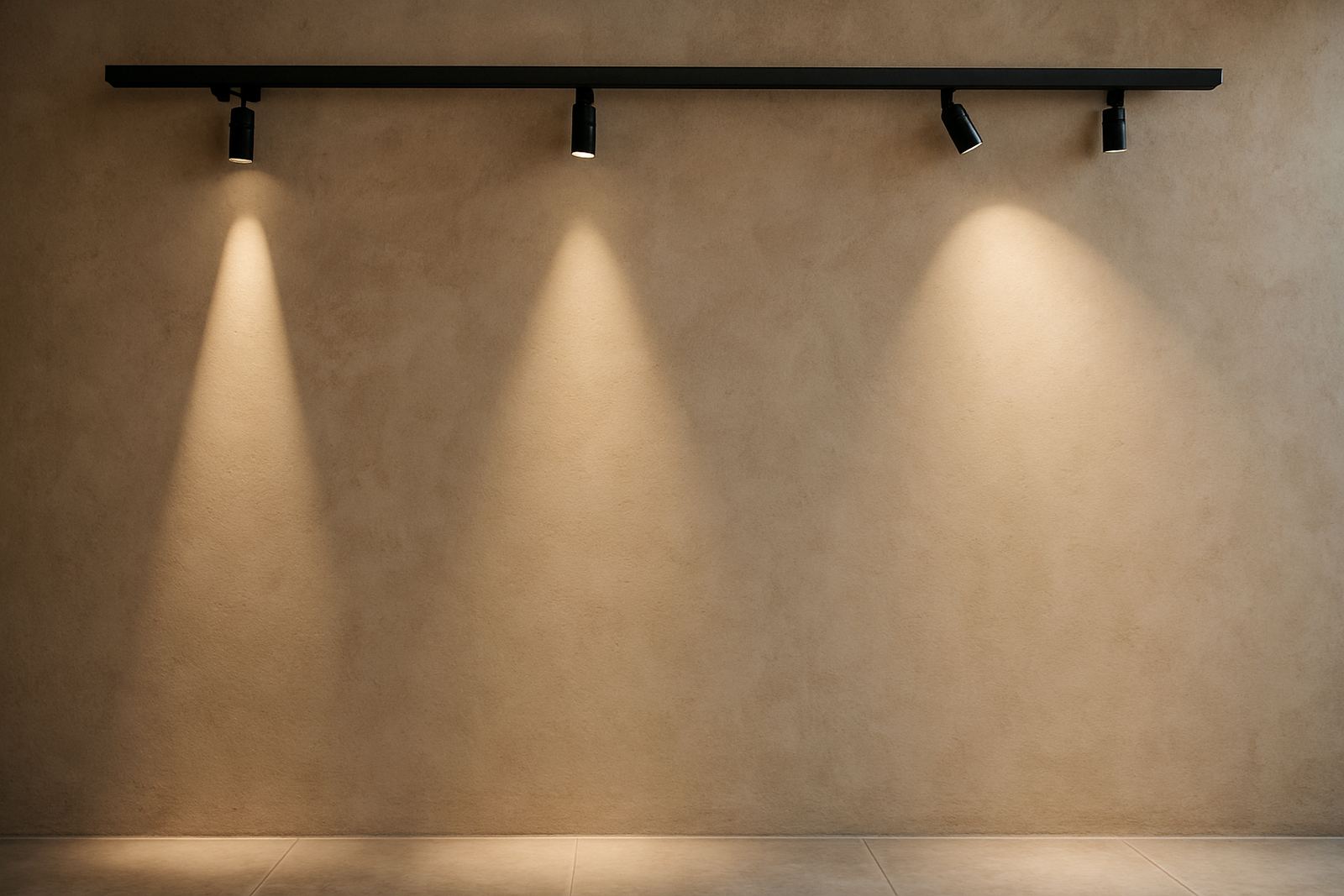


Start with the room, not the catalogue
The right finish depends on where the fixture will live. A pendant over a dining table in Rosebank has different needs from a shopfront fitting in Durban or a bathroom sconce in Pretoria. Think about moisture, fingerprints, dust, heat and how often the surface will be touched. A good finish should suit the space and the way that space is used, not only the colour on the mood board.
For shopfronts and restaurants, finish choice also affects brand image. Matte black can read neat and modern, while brushed metal often feels more technical or refined. In homes, warmer finishes tend to sit well with timber, stone and painted walls. If the space gets strong daylight, the finish should not fight glare. If it is used at night more than day, texture and sheen matter even more.
- Check whether the fixture will be handled daily
- Note if the area has steam, grease, salt air or dust
- Match the finish to floors, trims and joinery
- Decide if the fitting should disappear or stand out
Common finishes and where they work best
Different finishes age differently. Powder-coated surfaces are popular for clean lines and a uniform look, while plated or brushed metals give more texture and can hide small marks better. Painted finishes can be practical for large quantities of fittings, but they need proper preparation if you want them to last. In coastal areas, finish choice matters even more because salt in the air can mark or dull exposed surfaces over time.
Use the finish to support the design language of the space. A restaurant with timber ceilings and warm upholstery may suit bronze or dark brass tones. A minimalist home with white walls and concrete detail may work better with black, graphite or natural aluminium. When a project needs a softer result, pale metallic finishes or satin surfaces usually feel less hard than high gloss options.
- Matte finishes reduce glare and fingerprints
- Satin finishes are a good middle ground for homes and hospitality
- Gloss finishes need careful placement because they reflect more light
- Brushed textures help hide small wear marks
Think about cleaning and maintenance from day one
Maintenance is often where finish decisions become expensive. A fitting that looks great on day one but shows every mark will become a nuisance, especially in busy foyers, kitchens and public areas. For sites with regular cleaning, choose surfaces that can handle mild detergents and a soft cloth without changing colour or losing detail. In busy restaurant settings, grease and smoke can settle on fittings faster than expected.
If the site is in a coastal town like Umhlanga or Durban, ask how the finish reacts to humidity and airborne salt. In inland areas the issue is often dust and static build-up instead. Either way, the best choice is one that can be wiped down without special care. A slightly more forgiving finish will save time and reduce complaints later. It also means less touch-up work after install, which helps keep the final result tidy.
- Ask what cleaning products will be used on site
- Avoid finishes that scratch easily in high traffic areas
- Choose sealed or coated surfaces for humid locations
- Confirm whether touch-ups will be needed after installation
Match finish to light output and control
The finish around a lamp affects how light behaves. Dark finishes can frame the light source neatly and reduce visual noise, while pale or reflective finishes may bounce extra light into the room. If you are using dimming or layered lighting, the fixture finish should support the mood at both high and low output. This is especially useful in restaurants and home entertainment spaces where the atmosphere changes through the evening.
For shopfronts, the fitting should look good from outside and inside. A visible fixture near glass needs a finish that works in daylight and after dark. If there is a lot of directional lighting, choose a finish that will not distract from the beam. In some cases a less noticeable finish is the better choice because it lets the effect of the light do the talking. That is usually the better path when you want the product display or architecture to stay central.
When controls are part of the design, remember that dimming can reveal surface quality. A finish that seems even under full light may show streaking or patchiness when dimmed. Test samples under the actual fitting and the actual lamp type before signing off. Small differences can matter once the room is in use.
Use sample checks before you commit
Never approve a finish from a picture alone. Request samples, place them beside flooring, wall paint and joinery, and view them in both daylight and evening light. Look at the surface from standing height and seated height too. In a retail space, check the finish against the shopfront glass and signage. In a home, check it against curtains, countertops and furniture.
It helps to run a simple checklist before ordering:
- Does the finish suit the architecture and furniture
- Will it hide fingerprints, dust or smoke marks
- Can it stand up to cleaning and regular touch
- Does it work in daylight, evening light and under dimming
- Will replacement parts match if more fittings are added later
If the project has multiple rooms, keep the finish family consistent where possible. That gives the space a calmer feel and makes maintenance easier. A slight variation in sheen can be enough to separate zones without making the project look pieced together.
Practical sign-off for homes, restaurants and shopfronts
Before final sign-off, confirm the finish schedule with the installer and the client team. This is where errors usually happen: one fitting specified in brushed metal, another ordered in matte black and a third approved as a sample but not in the final batch. Keep records of finish names, sample photos and locations so everyone is working from the same note.
For homes, the finish should support comfort and easy upkeep. For restaurants, it must survive regular cleaning and still look presentable under warm evening light. For shopfronts, the finish should hold its appearance near doors, windows and street dust. A sensible finish choice reduces callbacks, protects the design intent and keeps the space looking cared for for longer.
At Illumin8d, we use finish selection as part of the full lighting process, from concept design and fixture specification through to installation coordination and post install focusing. That way the surface, the beam and the room all work together, which is what the project needs in the end.