
What Under Shelf Lighting Does in a Space
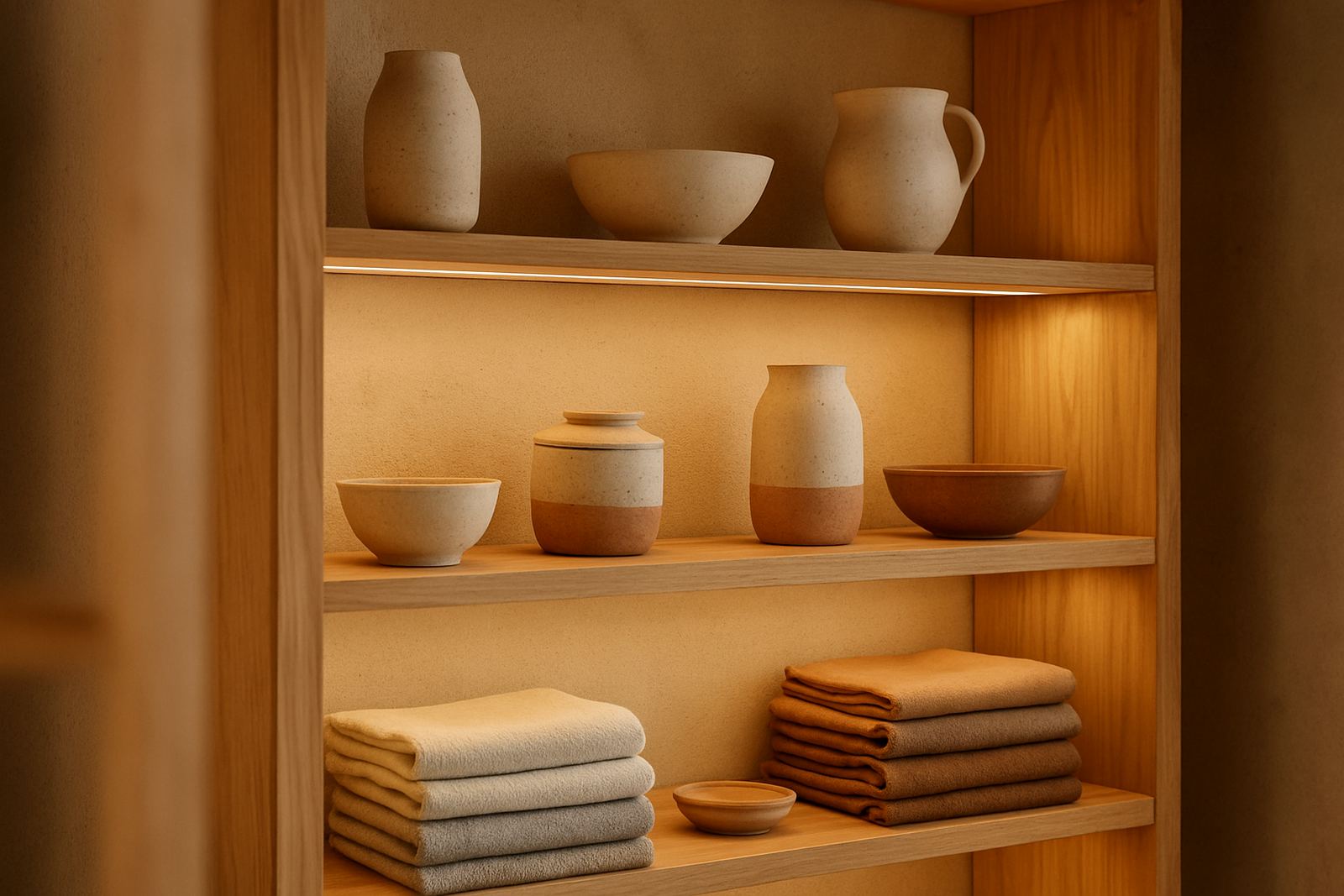
Under shelf lighting is fitted beneath a shelf, ledge or display rail so the light washes down onto the surface below. It is used to bring attention to merchandise, highlight finishes and improve day to day visibility without the fixture being the main visual feature. In a shopfront it can make stock easier to read from the aisle, while in a home it can give a kitchen, study nook or bar area a cleaner and more finished feel.
The light can be warm, neutral or cool depending on the material and the atmosphere you want. Warm white suits timber, stone and hospitality settings. Neutral white works well for retail and mixed use spaces. Cooler light is sometimes used where crisp product definition matters, although it must be handled carefully to avoid a harsh look.
Sizes, Profiles and Light Output Options
These fittings are usually supplied in slim linear profiles or shorter sectioned runs, depending on shelf length and access for wiring. Common lengths are 300 mm, 600 mm, 900 mm and 1200 mm, with custom cuts available for uneven bays and joinery. In retail millwork and residential cabinetry, a continuous run often looks neater than several small fittings, but the shelf construction needs to allow for cable routing and heat clearance.
- Profile depth: typically 8 mm to 18 mm depending on the housing
- Mounting width: usually 10 mm to 25 mm
- Light output: low, medium or high output chips available
- Colour temperature: 2700K, 3000K, 4000K or mixed specification
- Beam spread: narrow for accent use or wide for even shelf wash
For display shelves with glossy finishes, a diffused lens may help reduce hot spots. For premium product displays, dimmable control lets you balance glare and brightness more accurately.
Where It Suits Best
Under shelf lighting suits shopfronts, restaurants, wine displays, kitchens, built-in shelving and home bars. It is especially useful where the shelf itself blocks overhead light and creates a dark band on the surface below. In Johannesburg and Pretoria retail fit outs, it is often used for cosmetics, accessories, deli counters and feature product walls. In Cape Town and coastal areas like Umhlanga, fittings and drivers should be selected with humidity in mind, especially near open doors or sea air.
- Retail shelving and display walls
- Restaurant bottle shelves and service counters
- Kitchen cupboards and pantry runs
- Home bars, reading nooks and feature shelving
- Reception displays and merchandise alcoves
It is not only about looks. Well planned shelf lighting can help staff and customers see labels, textures and prices more clearly, which makes the space feel more organised and useful.
Installation, Wiring and Power Requirements
Most under shelf lighting runs on low voltage power, usually 12 V or 24 V depending on the specification. A suitable driver or transformer must be positioned where it remains accessible for servicing, but out of direct sight. On projects with several shelves, a central control point often makes maintenance easier. In load shedding prone areas, clients sometimes ask for battery backed or inverter supported circuits so essential display areas stay lit for longer, especially in hospitality settings.
Installation should be planned before joinery is fixed off. Cable entry points, shelf thickness, available voids and heat build up all need to be checked early. For metal shelving or aluminium framing, earthing and isolation should be confirmed by the installer. If the shelves are in a food service area, wiring routes must also keep clear of moisture and cleaning spray.
- Confirm available supply voltage and driver location
- Allow space for concealed cabling and ventilation
- Use dimmers or controls matched to the driver type
- Check whether the shelf material can accept recessed fittings
- Plan access for future replacement or cleaning
Care, Cleaning and Ongoing Servicing
Under shelf lighting is generally low maintenance, but it should be kept clean for the best effect. Dust, grease and fingerprints can reduce brightness and create uneven light on the surface below. In kitchens and restaurants, a regular wipe with a soft dry cloth or lightly damp microfibre cloth is usually enough. Avoid harsh chemicals on lenses and diffusers, as they can cloud the finish over time.
If the fitting is flickering, dimming unevenly or showing a colour shift, the driver or connection may need checking. In high use commercial spaces, plan a service review after installation and again before seasonal trading periods. This helps catch loose connections, failed sections or water ingress early, especially in coastal or high humidity locations.
What to Check Before You Order
Before ordering under shelf lighting, the most important step is to measure the actual shelf bay, not just the drawing. Check the clear length, shelf depth, underside construction and how the cables will be concealed. It also helps to confirm whether the goal is task light, display light or a decorative glow. Those are different outcomes and the spec should reflect that from the start.
We also recommend confirming the following points before sign off. It saves time on site and avoids awkward adjustments after joinery is complete.
- Exact shelf lengths and number of bays
- Desired colour temperature and dimming need
- Surface finish of shelves and nearby materials
- Power point locations and access for drivers
- Whether the light must be hidden or visible as a feature
- Any municipal, landlord or building access limits for installation
For projects across Rosebank, Sandton, Midrand, Pretoria, Cape Town, Durban and Umhlanga, early coordination with the joiner, electrician and lighting designer keeps the final result tidy and practical.
Key facts
| Product type | Low-voltage linear under shelf lighting for display and task use |
|---|---|
| Available lengths | 300 mm, 600 mm, 900 mm, 1200 mm and custom cut lengths |
| Input power | 12 V or 24 V DC depending on the installation |
| Colour temperature | 2700K, 3000K, 4000K and selected custom mixes |
| Control options | On off, dimmable and zone control where specified |
| Typical use | Retail shelves, restaurant display runs, kitchens, home bars and feature shelving |