
What reception feature lights are meant to do
Reception lighting is usually the first detail people notice when they walk in. In a hotel, clinic, office lobby or restaurant entrance, a well placed feature fitting can frame the counter, guide the eye and make the whole arrival area feel ordered. It also helps with tasks like reading forms, checking bookings and greeting visitors at close range.
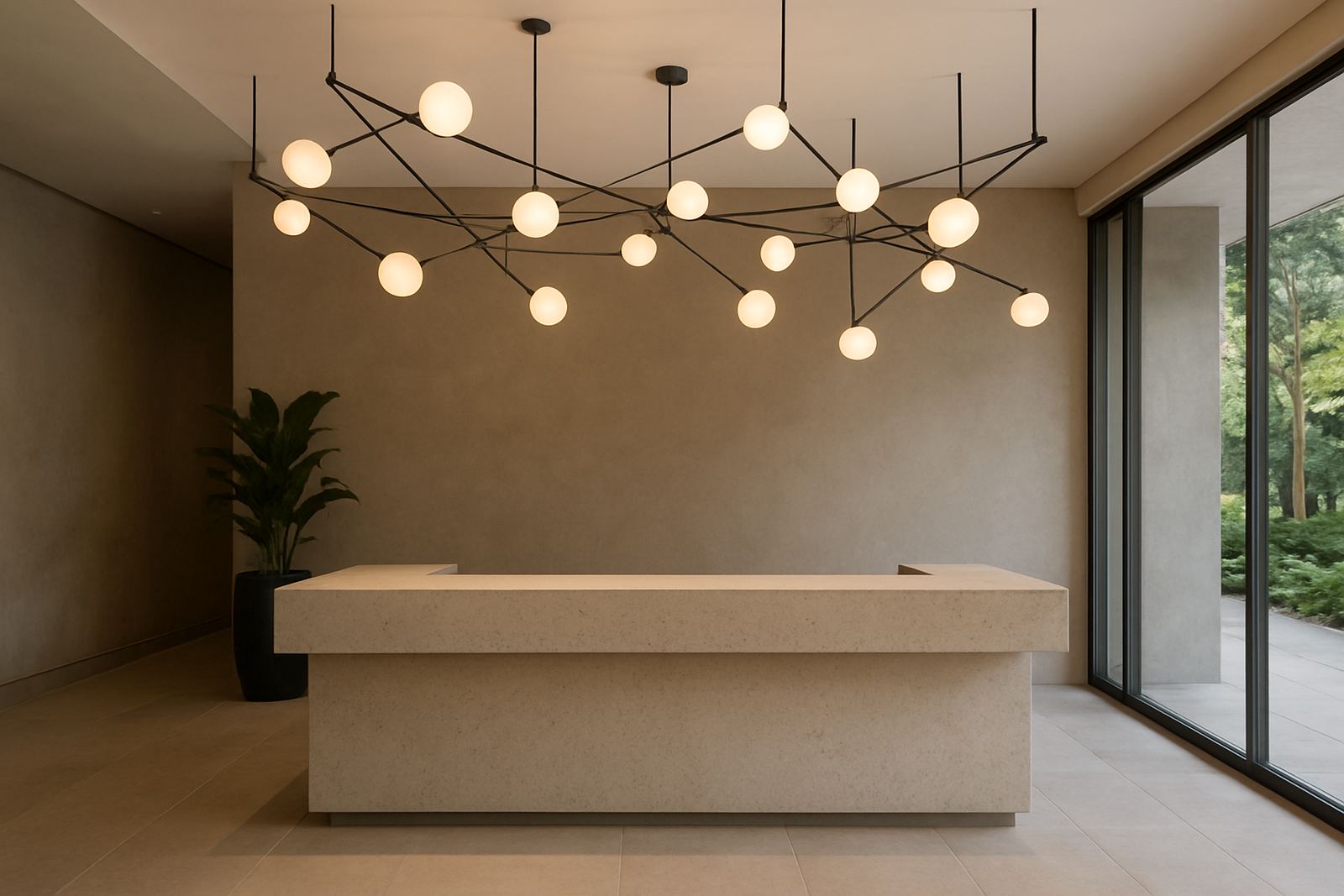
At Illumin8d, reception feature lights are specified to suit the ceiling height, counter size and the finish of the space. Some projects call for a single centrepiece above the reception counter area, while others need a pair of pendants, a linear feature or a layered arrangement with wall wash and accent light. The aim is always the same: enough light to work by, with a calm look that supports the interior design rather than overpowering it.
Sizes, shapes and finish options that suit South African spaces
There is no one standard size because reception counters vary from compact 1.2 metre counters in smaller practices to long 4 to 6 metre hotel front counters. A typical feature light may range from 600 mm to 1800 mm in length for linear pieces, or 300 mm to 900 mm in diameter for round forms. In higher ceilings, the drop can be adjusted so the fitting sits at the right visual level without blocking signage or staff sight lines.
Common options include suspended rings, slim bars, sculptural clusters, framed profiles and recessed feature runs. Finishes are usually selected to match nearby joinery or metalwork, such as matte black, brushed brass tone, white, charcoal or warm metallic coatings. In coastal areas like Umhlanga and Durban, it is worth specifying materials and fixings that cope better with humidity and salty air.
- Linear lengths: 600 mm, 900 mm, 1200 mm, 1500 mm and custom longer runs
- Round diameters: 300 mm, 450 mm, 600 mm, 750 mm and larger feature rings
- Drop lengths: adjustable to suit 2.4 metre, 3 metre and double-volume ceilings
- Typical finishes: black, white, bronze, brass tone, silver tone and powder-coated colours
Where reception feature lights work best
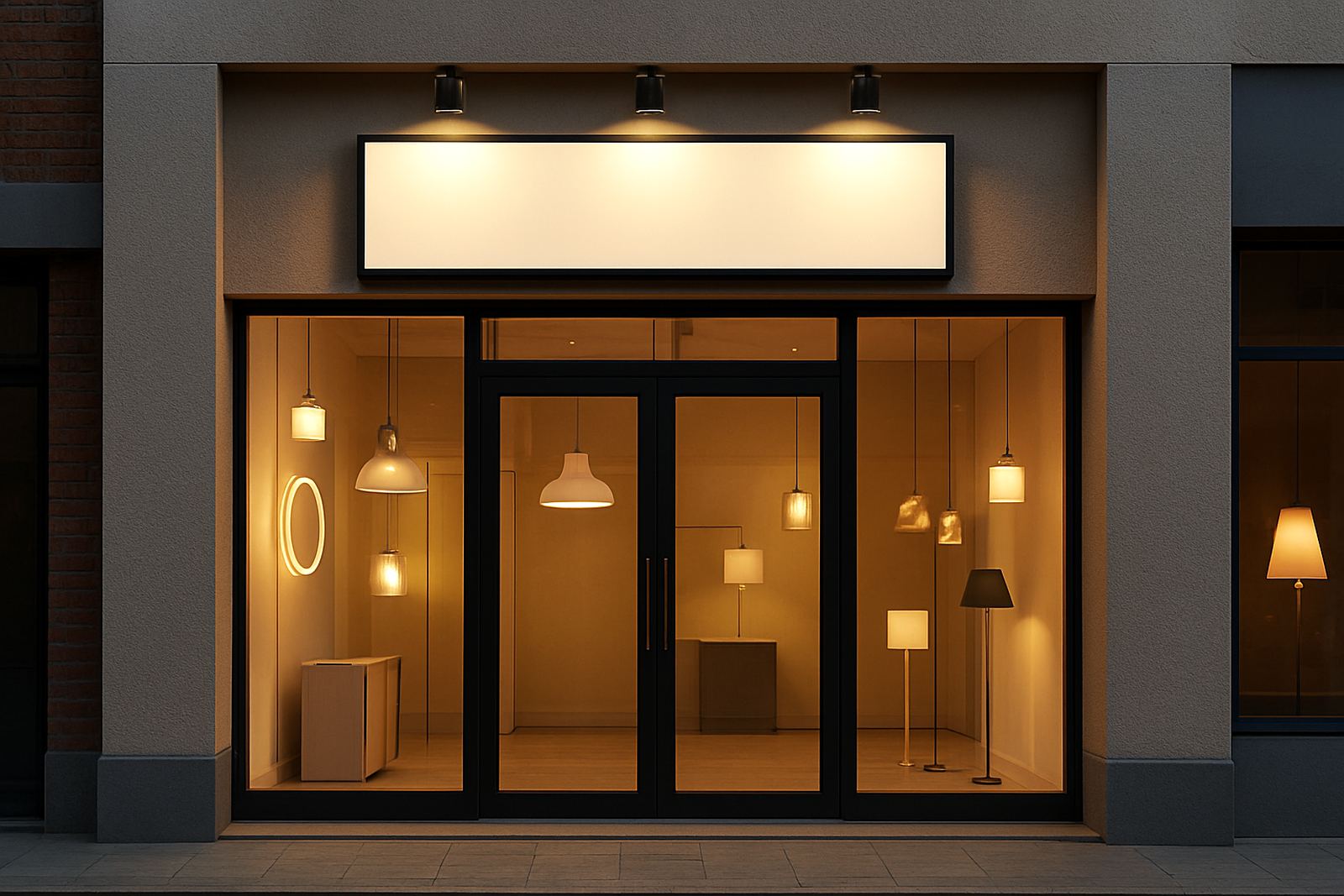
These fittings suit hospitality foyers, medical and dental receptions, legal and financial offices, retail shopfronts, private residences and mixed-use lobbies. In Rosebank, Sandton and Pretoria, they are often used where clients arrive by appointment and the front-of-house area must look polished from the first step inside. In Cape Town and coastal towns, lighting also needs to cope with bright daylight contrast, so the fitting choice and lamp output matter just as much as the shape.
Reception lighting can also help define a brand without using signage everywhere. A stronger geometric form suits a modern office, while a softer round profile can work well in a restaurant or home entrance. For smaller rooms, it is usually better to keep the feature compact and use other lighting nearby so the reception point feels open, not crowded.
- Hotel entrances and concierge counters
- Office foyers and client waiting areas
- Clinic, salon and wellness receptions
- Retail welcome zones and shopfront counters
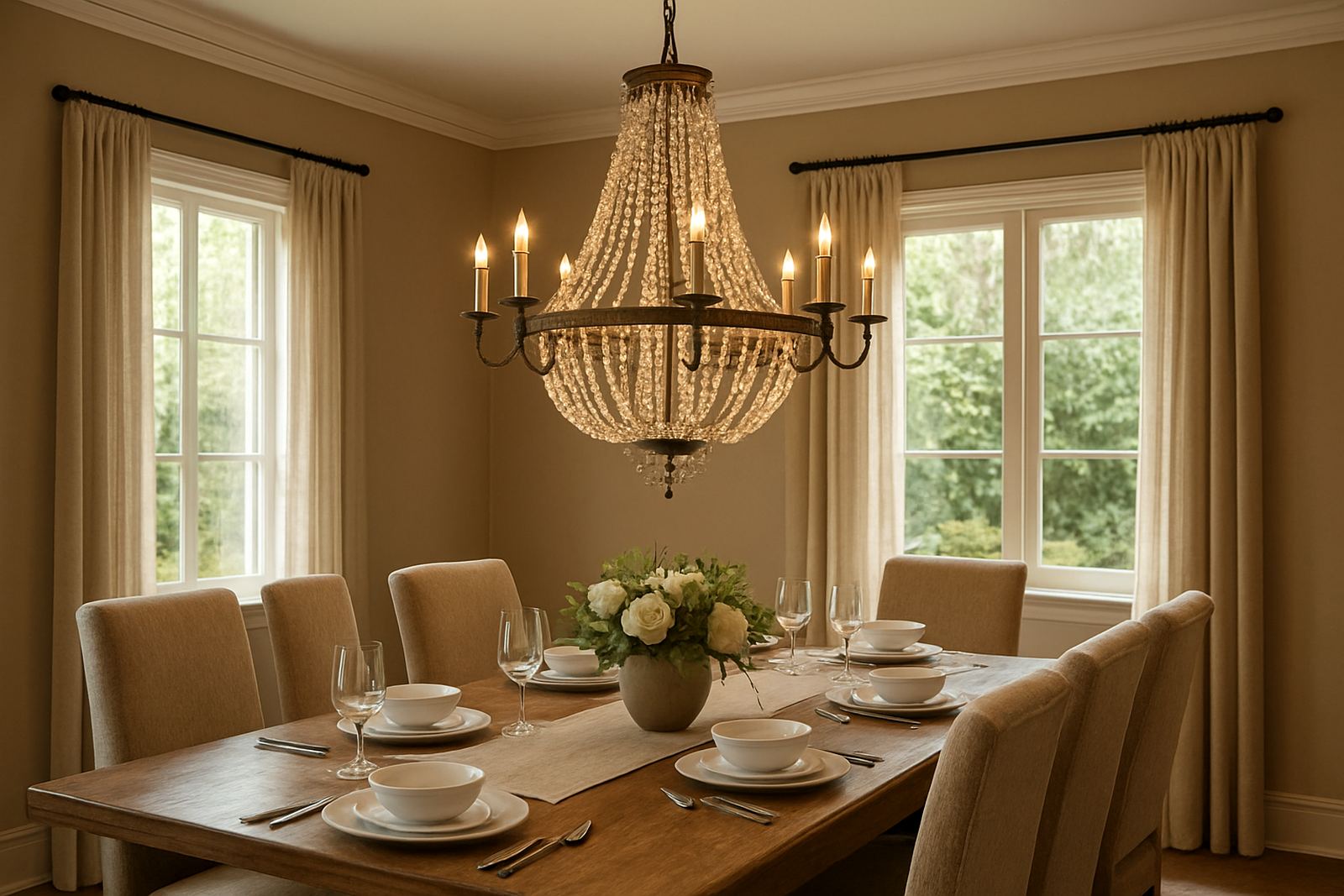
- Private home entrances and statement halls
Power, installation and control requirements
Most reception feature lights are mains powered and installed by a qualified electrician. Depending on the fitting, the supply may be 230V single phase with a suitable ceiling junction box, or low-voltage components with a remote driver hidden above the ceiling. There is no gas requirement for this product. For busy sites, especially in Johannesburg and Pretoria, it is sensible to allow for power interruptions and specify lighting that restarts cleanly when supply returns after load-shedding.
Installation should allow for safe suspension, access to the driver or control gear, and clear alignment with the counter below. If the fitting is dimmable, the control system must be matched to the lamp type and driver. This is where many problems start, so the specification needs to be checked before manufacture or ordering. On site, our team coordinates the fitting position, ceiling support and final focusing so the light lands where it should. A little patience at this stage saves a lot of call backs later.
- Standard supply: 230V mains unless a low-voltage system is specified
- Controls: on off, dimmable or scene control depending on the project
- Mounting: suspension, flush fit, recessed or ceiling plate mounting
- Access: plan for driver or transformer access above ceiling where needed
Light output, colour temperature and visual comfort
Reception areas usually need a warmer, welcoming tone rather than a harsh white light. Many projects work well at 2700K to 3000K for hospitality and homes, while offices and clinics may prefer 3000K to 4000K depending on the interior finish and amount of daylight. The key is to avoid glare on glossy counters, glass screens and polished floors. A good feature fitting should look impressive and still feel comfortable for staff who sit or stand under it through the day.
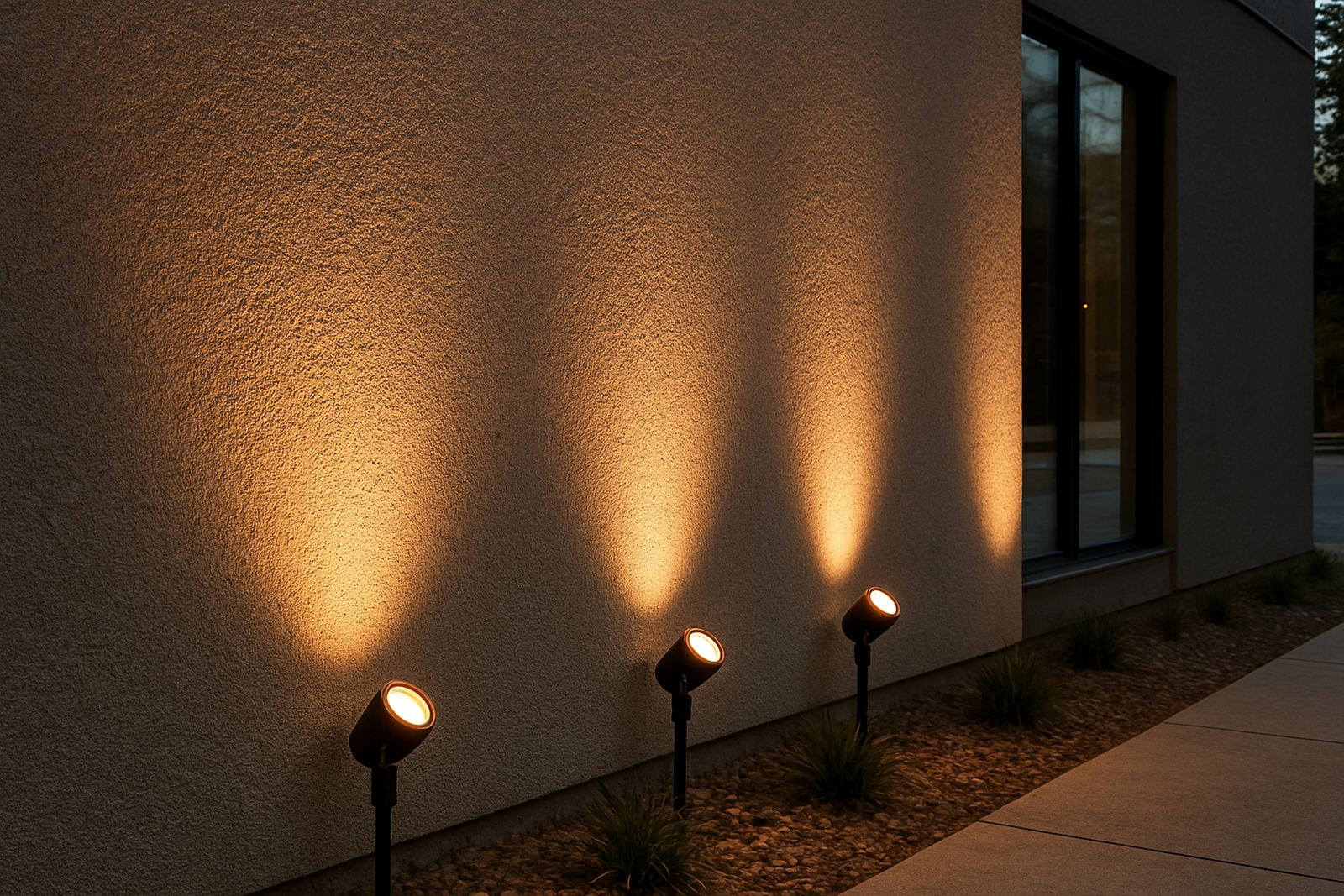
For practical performance, look at beam spread, diffusion and shielding as well as decorative shape. If the fitting is highly reflective, it can create unwanted sparkle in photos and at night. If it is too dim, the reception zone looks flat and the counter becomes harder to work at after dark. Matching the output to the room size matters just as much as the style.
Care, servicing and what to confirm before you order
Reception feature lights need regular cleaning and periodic checking, especially in busy commercial spaces where dust, fingerprints and air conditioning residue build up. A soft microfibre cloth is usually enough for most finishes, but never use harsh cleaners on coated metal, acrylic or decorative glass. Where the fitting uses replaceable lamps or modular LED parts, keep the specification sheet and spare part details in one place for future maintenance.
Before ordering, confirm the following details so the fitting arrives ready for the space and not needing last minute changes. This is especially important on custom work, where even a small size difference can throw off the whole composition.
- Exact ceiling height and counter size
- Required drop length from ceiling to bottom of fitting
- Colour temperature, dimming method and control type
- Finish colour and whether the area is coastal or inland
- Location of ceiling support, driver access and cable entry
- Lead time, site access, and whether installation coordination is needed
Why reception feature lighting is worth getting right
A reception area does not get a second first impression. The right feature light can make a small entrance feel more generous, help a corporate lobby look orderly and give a hospitality space the kind of welcome guests remember. At Illumin8d, we work across Rosebank, Sandton, Midrand, Pretoria, Cape Town, Durban and Umhlanga, specifying lighting that fits the architecture, the daily use and the finish level of the space.
Our team handles concept design, fixture specification, layout plans, control design and installation coordination, so the finished result suits the room rather than just hanging in it. Whether the brief is a compact home entrance or a large commercial reception, the goal is the same: strong visual impact, correct light levels and a fitting that still looks good after the first busy month.
Key facts
| Product type | Reception feature light fitting for commercial and residential interiors |
|---|---|
| Typical size range | 600 mm to 1800 mm linear lengths or 300 mm to 900 mm diameter feature forms |
| Mounting options | Suspended, flush, recessed or ceiling plate mounted |
| Power supply | 230V mains, with low-voltage options where specified |
| Control options | On off, dimmable or scene control depending on driver and lamp type |
| Recommended colour temperature | 2700K to 4000K depending on space and finish |