
What a pendant cluster light actually does
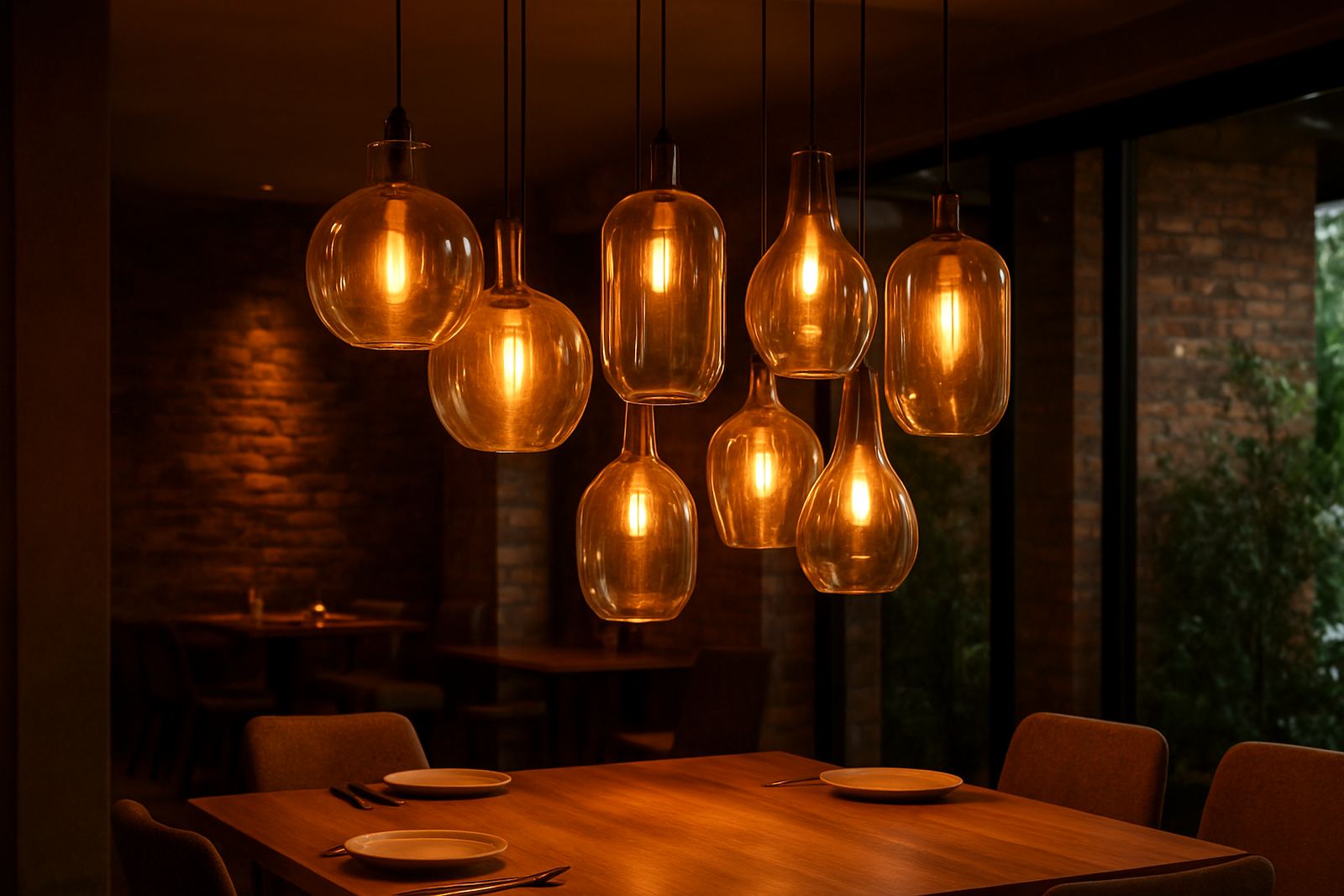
A pendant cluster is a group of hanging lights arranged as one feature, usually at different heights or in a tight grouped pattern. The effect is useful and decorative at the same time: it marks a focal point, spreads light where it is needed, and gives the room a stronger sense of scale. In a double-volume home in Rosebank or a restaurant in Umhlanga, a cluster can soften hard surfaces and make a ceiling feel considered rather than empty.
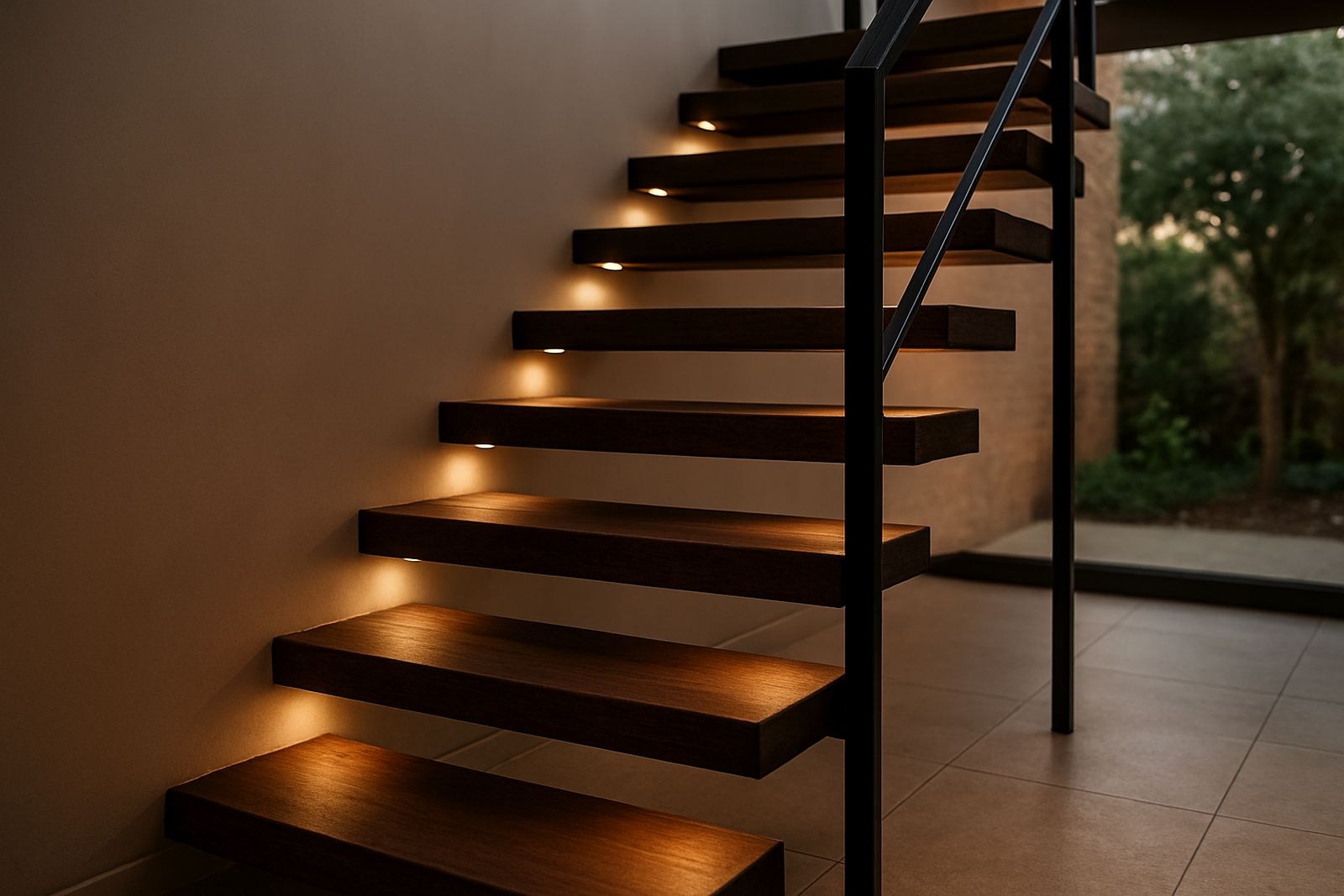
We use pendant clusters where a single fitting would feel too flat, or where a line of pendants would look heavy. The cluster can sit above a dining table, float in a stairwell, anchor a reception counter, or act as a feature in a shopfront window. The key is balance, the drops should feel intentional not random, and the light output must still work for the task at hand.
Sizes, finishes and layout options that work in SA homes and venues
Pendant cluster lights come in many forms, from three-drop arrangements to larger groups of five, seven or more pendants. The right size depends on ceiling height, room width and the furniture below. In most homes, a cluster above a table works best when the lowest pendant sits about 650 mm to 850 mm above the table top. In stair voids and entrance halls, the drops can be longer, often ranging from 1.2 metres to 3 metres depending on the ceiling.
Finishes can be matched to brass, black, white, smoked glass, opal glass, timber details or painted metal. For coastal areas such as Durban and Umhlanga, we often specify materials and finishes that cope better with humidity and salt air. In inland areas like Pretoria and Midrand, the focus is usually on glare control, dimming and keeping the cluster visually neat against lighter ceilings.
- 3-drop clusters for compact dining tables and small entrances
- 5-drop or 7-drop groups for stair voids and larger double-volume spaces
- Mixed heights for a softer sculptural look
- Matched canopy or staggered canopy layouts depending on ceiling structure
- Diffused glass or exposed lamps depending on the mood and glare level needed
Where pendant clusters suit best in homes, restaurants and shopfronts
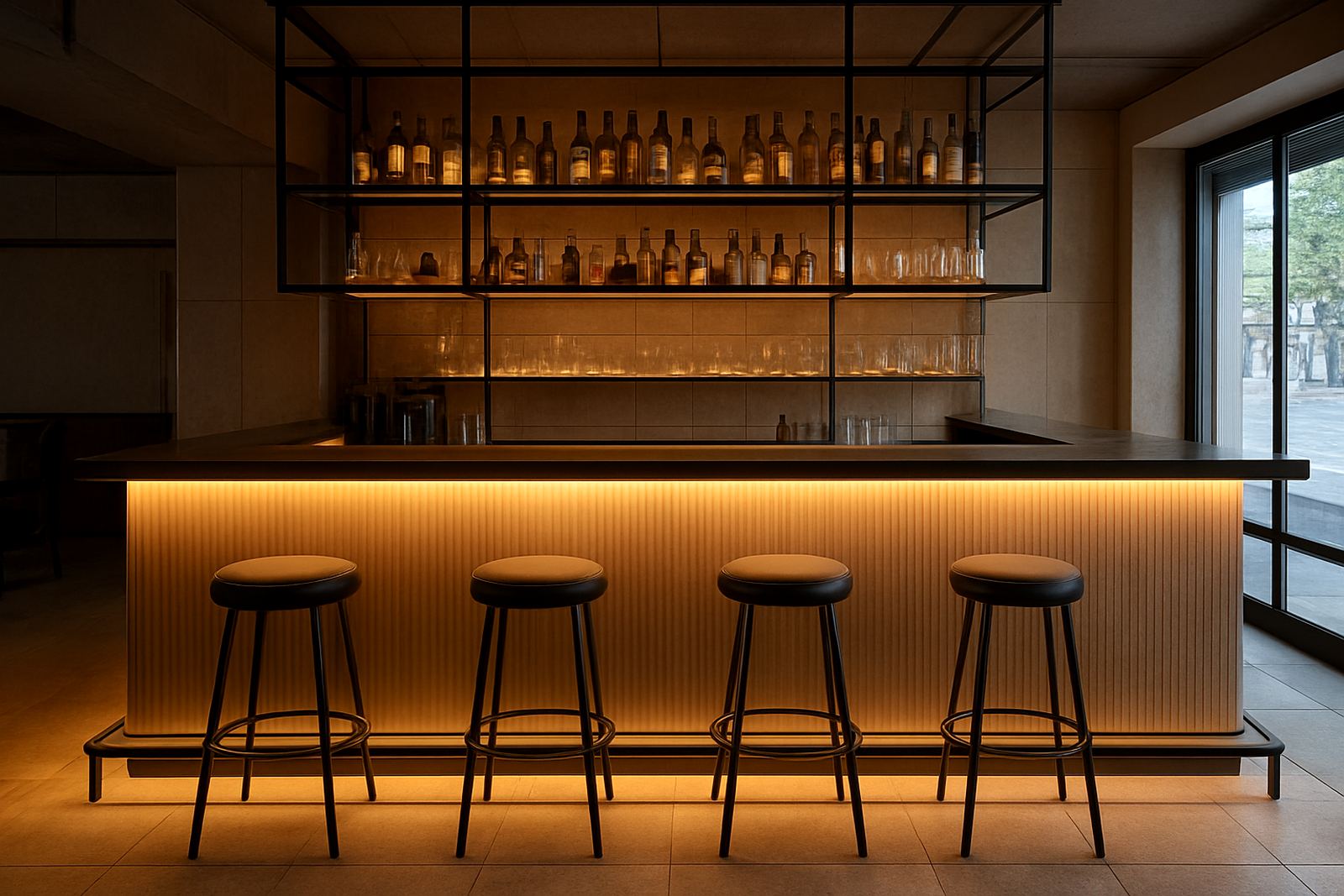
These fittings suit spaces where people gather and notice the ceiling line. In homes, they work above kitchen islands, dining tables, entrance voids and staircases. In restaurants, they add atmosphere over booths, bar counters and central tables without taking up floor space. Shopfronts use them to draw the eye to a window display or to give a customer area a clear centre point.
For commercial spaces, the main question is not just how the cluster looks, but how it performs during trading hours. A restaurant in Cape Town may need warm dimmed light for evenings and brighter output for lunch service. A showroom in Sandton may need the cluster to look good in daylight and after load-shedding when the backup power kicks in. The same fitting can do both, but the lamp type and control method need to be planned properly.
- Kitchen islands and sculleries with high ceilings
- Dining tables in open-plan homes
- Double-volume entrances and stair voids
- Restaurant bars and booth areas
- Shopfront windows, cashier points and display zones
Installation, power and backup planning
Most pendant cluster lights are hardwired to a ceiling point and supported from a canopy or fixed plate. Because the drops are grouped, the installation needs proper anchoring and neat cable management. If the ceiling is concrete, we plan for fixings that suit the slab. If it is a drywall or timber ceiling, the support method changes. The canopy must also allow enough room for the number of cables, especially where the cluster has several drops and a dimmer circuit.
Power requirements depend on the lamp type and the number of pendants. Some clusters use low-wattage integrated light sources, while others use replaceable lamps. For homes and hospitality spaces affected by load-shedding, we often advise on dimming compatibility and circuit loading so the cluster can run from backup supply without tripping. If the room uses a generator or inverter, it helps to know the total wattage and whether the driver or transformer needs a clean supply. That part is often overlooked and causes avoidable flicker.
Installation coordination matters as much as the fitting itself. A cluster above a staircase needs final ceiling measurements taken after the plaster and paint are complete. A pendant over a restaurant table should be set after furniture positions are confirmed, otherwise the whole room feels slightly off, even if the light itself is good.
Care, cleaning and servicing over time
Pendant clusters gather dust like any hanging fitting, and the lower drops can be touched during normal use. In homes, a light dusting every few weeks is usually enough. In restaurants and coastal homes, we recommend more regular cleaning because cooking residue and humidity can dull glass and metal finishes. Always switch off power before cleaning, and allow lamps to cool completely.
If the fitting uses glass shades, clean them with a soft cloth and mild cleaner, not abrasive pads. For powder-coated or painted metal, use a damp microfibre cloth and dry afterward. If a lamp starts flickering, one drop appears darker than the others, or the canopy has shifted slightly, it is time for a check. A cluster is visually sensitive and even a small fault stands out immediately.
- Dust glass and metal parts regularly
- Check that all drops hang at the intended height
- Replace failed lamps in matched sets where possible
- Inspect fixings after any ceiling work or repainting
- Test dimmers after load-shedding or electrical maintenance
What to check before you order a pendant cluster
Before ordering, measure the room and note the ceiling height, the size of the table or counter, and whether the cluster will sit over a fixed point or a flexible layout. You should also confirm the finish, number of drops, lamp type, and whether the light needs to be dimmable. If the ceiling has a bulkhead, beam or sprinkler line, that affects the canopy position and the length of each drop.
For restaurant and retail projects, we also ask about the opening hours, ambient light from windows, and any municipal or landlord limits on alterations. In some buildings, the ceiling point can only be positioned in a certain place, so the cluster must be adapted to suit the site. If you are ordering for a home in Johannesburg or Pretoria, it helps to decide whether the light should make a statement or sit quietly in the background. That choice changes everything from shade size to lamp colour temperature.
When the details are clear, the result is much better: the cluster lands in the right spot, the proportions feel right, and the room gets the visual rhythm it needs without glare or clutter.
Key facts
| Product type | Grouped pendant light arrangement for feature and task lighting |
|---|---|
| Typical cluster sizes | 3-drop, 5-drop and 7-drop layouts, with custom grouping available |
| Drop lengths | Approx. 0.6 m to 3 m, depending on ceiling height and room use |
| Finish options | Black, white, brass tone, smoked glass, opal glass and mixed materials |
| Control options | Standard switch, dimmer compatible, and scene control where specified |
| Best suited to | Dining tables, kitchen islands, stair voids, bars, shopfronts and double-volume spaces |