What Cove Strip Lighting Does in a Space
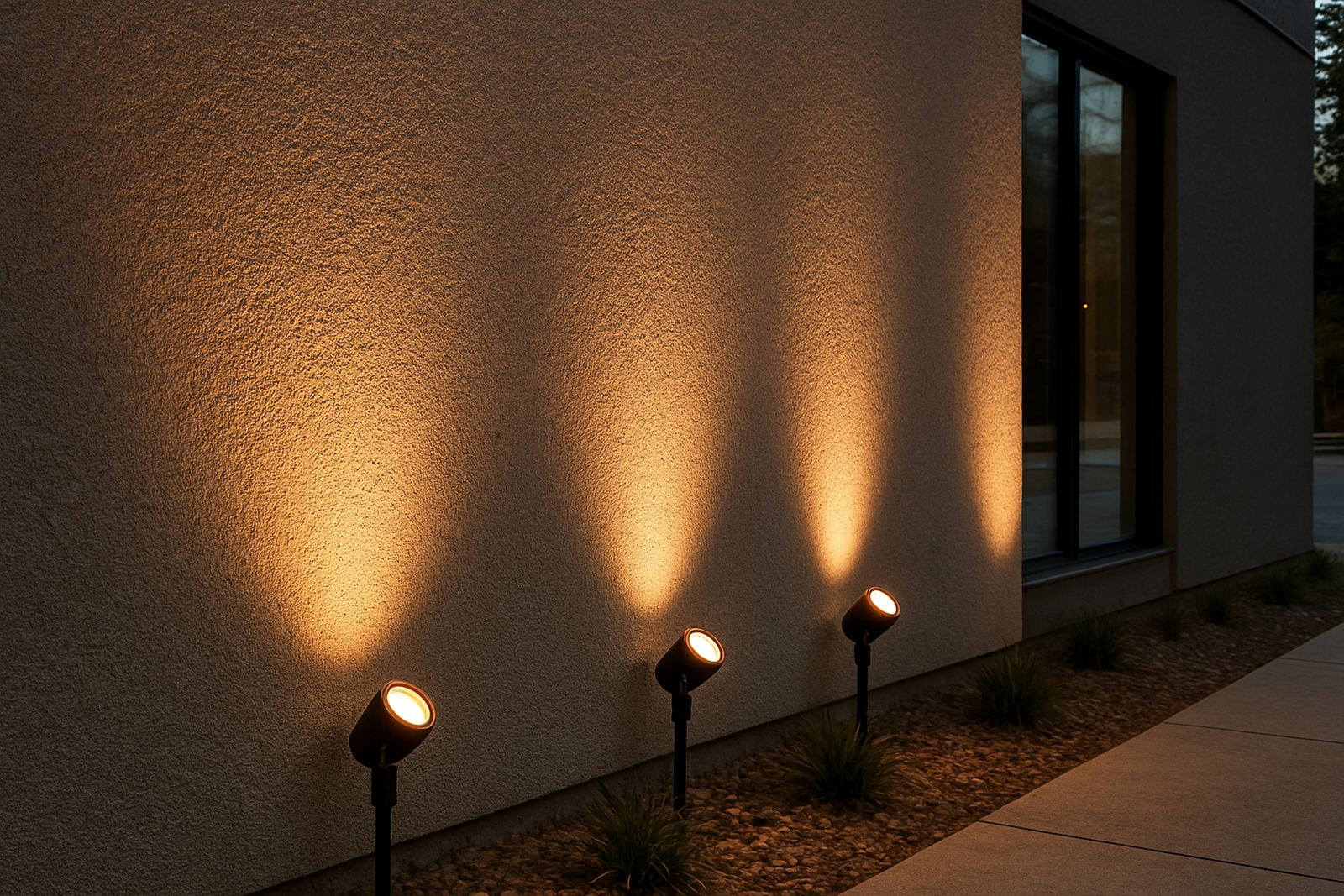
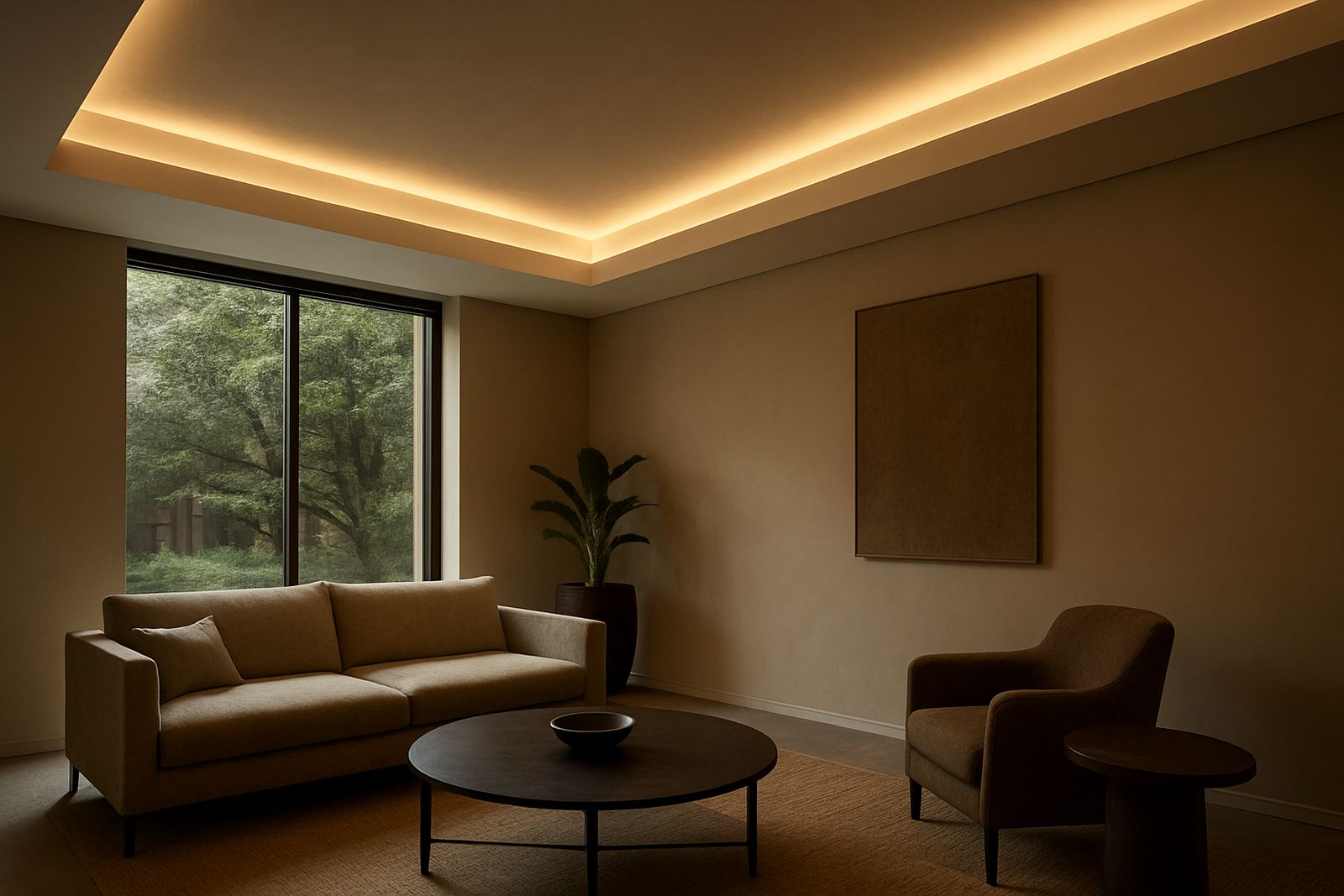
Cove strip lighting is fitted out of direct sight, usually inside a recessed ledge, pelmet, bulkhead or wall reveal, so the light washes upwards or across a surface instead of shining straight into the room. That hidden placement is what creates the soft glow people often want in lounges, dining areas, reception spaces and retail ceilings. It can make a room feel taller, soften hard corners and give feature details more definition.
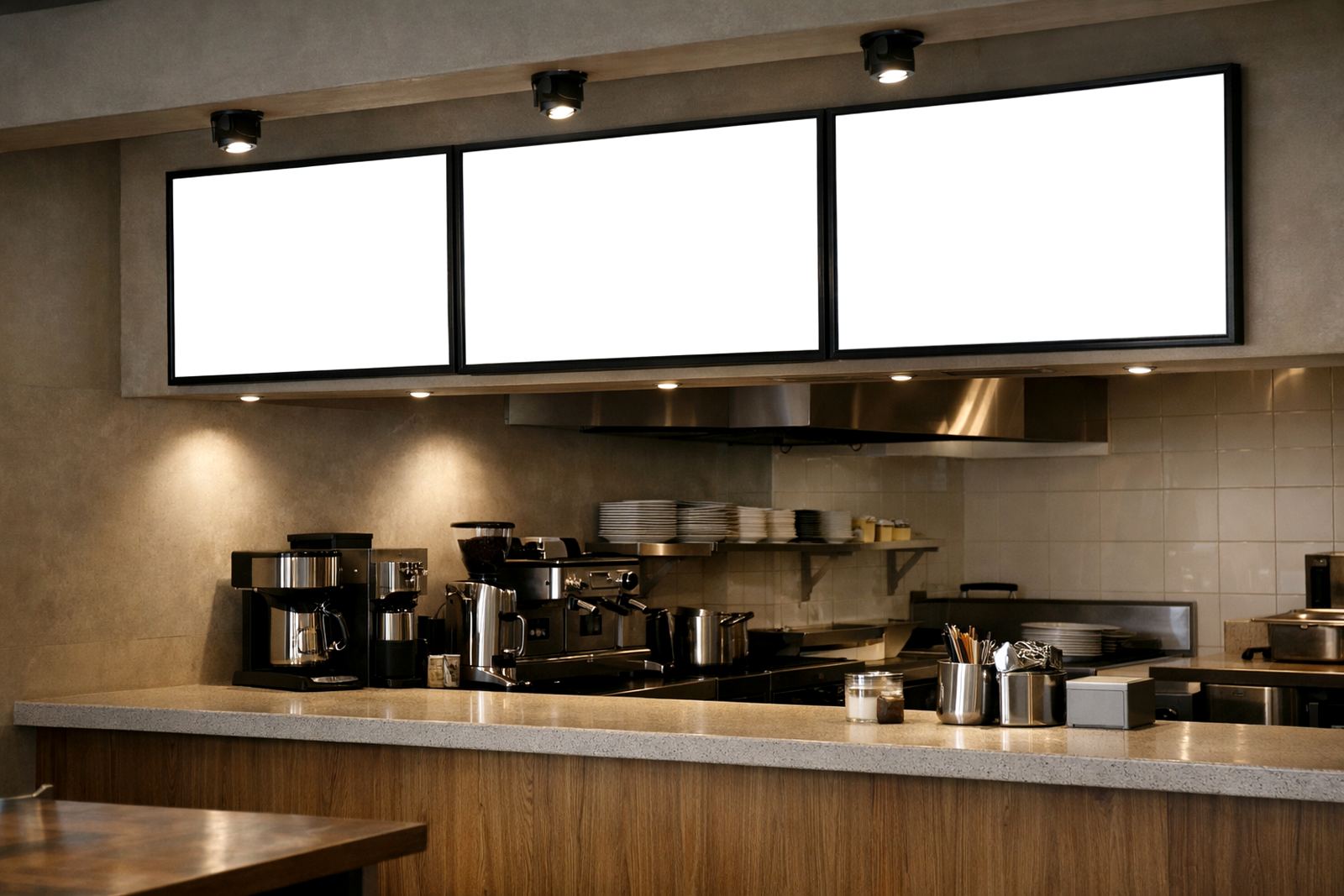
In practical terms, it is used where you want atmosphere and function together. A restaurant may use it to keep the ceiling calm while highlighting timber, plaster or painted feature edges. A shopfront can use it to guide attention toward a display wall or counter. In a home, it suits passage ceilings, master suites, stair bulkheads and entertainment areas where you want light that is present but not harsh.
The key is control. Cove strip lighting is not only decorative, it can be used as ambient light, accent light, or part of a layered lighting plan with downlights and feature fittings. Done properly, it gives a space better depth and a cleaner finish without cluttering the ceiling.
Sizes, Strip Options and Light Output
Strip lighting is selected to suit the width of the cove, the height of the recess and the amount of light required. Common strip widths are 8 mm, 10 mm and 12 mm, with lengths cut to suit the run on site. Most projects use 24 V low-voltage strip in either single colour warm white, neutral white or cool white. Dimmable versions are often specified for homes and hospitality spaces where the mood changes through the day.
Output depends on the strip density and the depth of the recess. A shallow cove needs a softer output and a deeper pocket can take higher brightness without seeing individual dots. For a neater finish, opal diffusers, aluminium profiles and corner mounts are used to spread the light and protect the strip. If the cove is very narrow, the strip choice needs to be checked carefully so the glow is even and the source is not visible from normal viewing angles.
- Strip widths: 8 mm, 10 mm, 12 mm
- Lengths: cut to project, usually supplied in reels or custom sections
- Colour temperatures: warm white, neutral white, cool white
- Controls: on, off, dimming, scene control and smart integration where required
Where Cove Lighting Works Best
Cove strip lighting suits spaces that need a calm ceiling line or a softer transition between surfaces. In Johannesburg homes it is often used in living rooms, bedrooms and passage ceilings where the room needs warmth in the evenings. In restaurants, it helps set the mood without overpowering the table area. In shopfronts, it can reinforce the brand feel while keeping the display area clear and easy to read.
It also works well in coastal areas like Durban and Umhlanga where a bright wash can lift darker finishes, and in Cape Town homes where layered lighting is often used to balance large windows and changing daylight. In Pretoria and Midrand offices or reception spaces, cove lighting can give the ceiling a more measured, professional look without the visual noise of too many fittings.
- Bulkheads and recessed ceilings
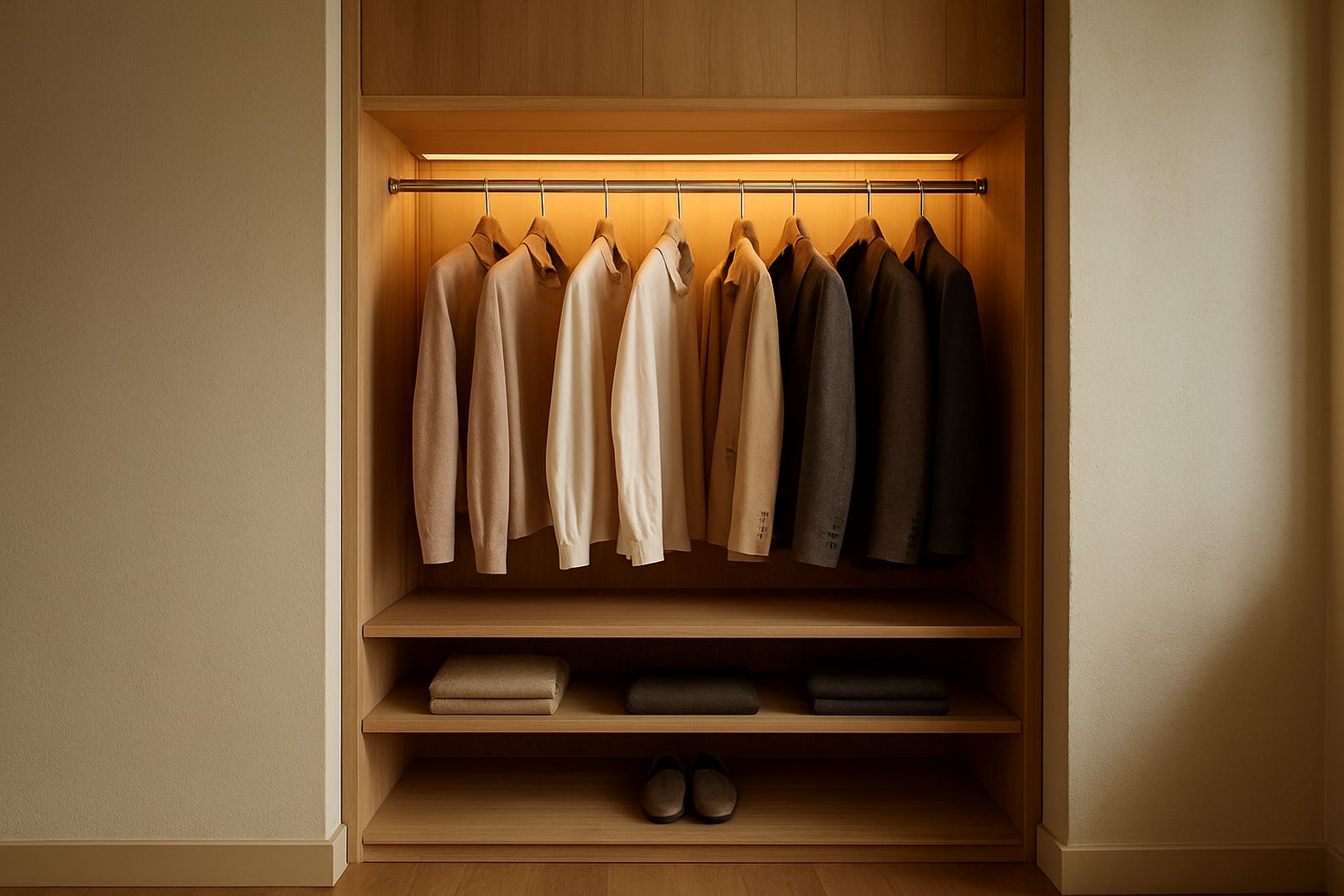
- Feature wall tops and cabinet reveals
- Reception counters and hospitality ceilings
- Bedrooms, lounges and stair details
- Shopfront perimeter lines and display accents
Installation Details, Power Needs and Control
Strip lighting needs a proper power supply, correct cable sizing and good heat management. The strip itself runs on low voltage, but the driver or power unit must be positioned where it can breathe and be reached for maintenance. If the driver is buried too tightly or placed in a hot ceiling void, it can shorten the life of the system. A neat installation also needs a suitable aluminium profile or mounting channel to help with cooling and to keep the strip straight.
For most projects, we recommend planning the driver location early so the electrician, ceiling installer and joiner are all working to the same layout. Access panels are worth including if the driver is hidden above a bulkhead. Control can be as simple as a wall dimmer or as detailed as zoned switching, scene setting and timer-based control. This is especially useful for restaurants and retail spaces where the lighting needs change through the day. Load-shedding back up can also be considered where the strip is part of a critical hospitality or security lighting plan.
Because each site is different, the final setup should be checked against the actual cove depth, ceiling finish and power point positions before ordering. A small change in recess size can make a big difference to how the light reads once it is switched on, so it is worth measuring twice.
Care, Cleaning and Ongoing Servicing
Cove strip lighting is generally low maintenance, but it still benefits from regular checks. Dust build-up on diffusers can reduce the softness of the glow over time, especially in kitchens, busy dining rooms and dusty suburban sites. A dry microfibre cloth is usually enough for the visible diffuser surface. Harsh cleaners should be avoided because they can cloud the plastic or mark painted surrounds.
Once or twice a year, the system should be checked for loose connections, heat damage, flicker and any sections that have gone dim. If a driver starts humming, overheating or cycling on and off, it should be tested before it fails completely. In coastal areas, we also pay attention to corrosion on exposed fixings and any signs that moisture is affecting the installation.
Good servicing is about keeping the original effect intact. If one section changes colour or starts looking patchy, it is often a sign that the strip has aged unevenly or the power feed needs attention. Catching that early saves time and keeps the whole line looking uniform.
What to Check Before You Order
Before ordering cove strip lighting, measure the full run carefully and confirm the recess depth, ceiling finish and viewing angle. The wrong strip width or output can leave hot spots, visible dots or a weak glow. It is also important to know whether the strip will be used for ambient light only or whether it must carry more of the room’s lighting load.
Ask these questions before sign-off:
- How deep is the cove and from what angle will the strip be seen?
- Do you need warm white, neutral white or cool white?
- Will the strip be dimmed or left at full output?
- Is there enough access for the driver after installation?
- Will the space need extra lighting for task areas or tables?
- Is the finish exposed to humidity, dust or regular cleaning?
At Illumin8d, we use those details to match the product to the space, rather than forcing a standard strip into an awkward opening. That approach gives a cleaner result and fewer call backs later on.
Key facts
| Type | LED strip lighting for concealed cove installation |
|---|---|
| Voltage | 24 V low-voltage system |
| Widths | 8 mm, 10 mm, 12 mm |
| Colour temperature | Warm white, neutral white, cool white |
| Control options | On/off, dimming, scene control, smart switching |
| Typical applications | Homes, restaurants, shopfronts, receptions, bulkheads and feature ceilings |