
What artwork picture lights do in a room
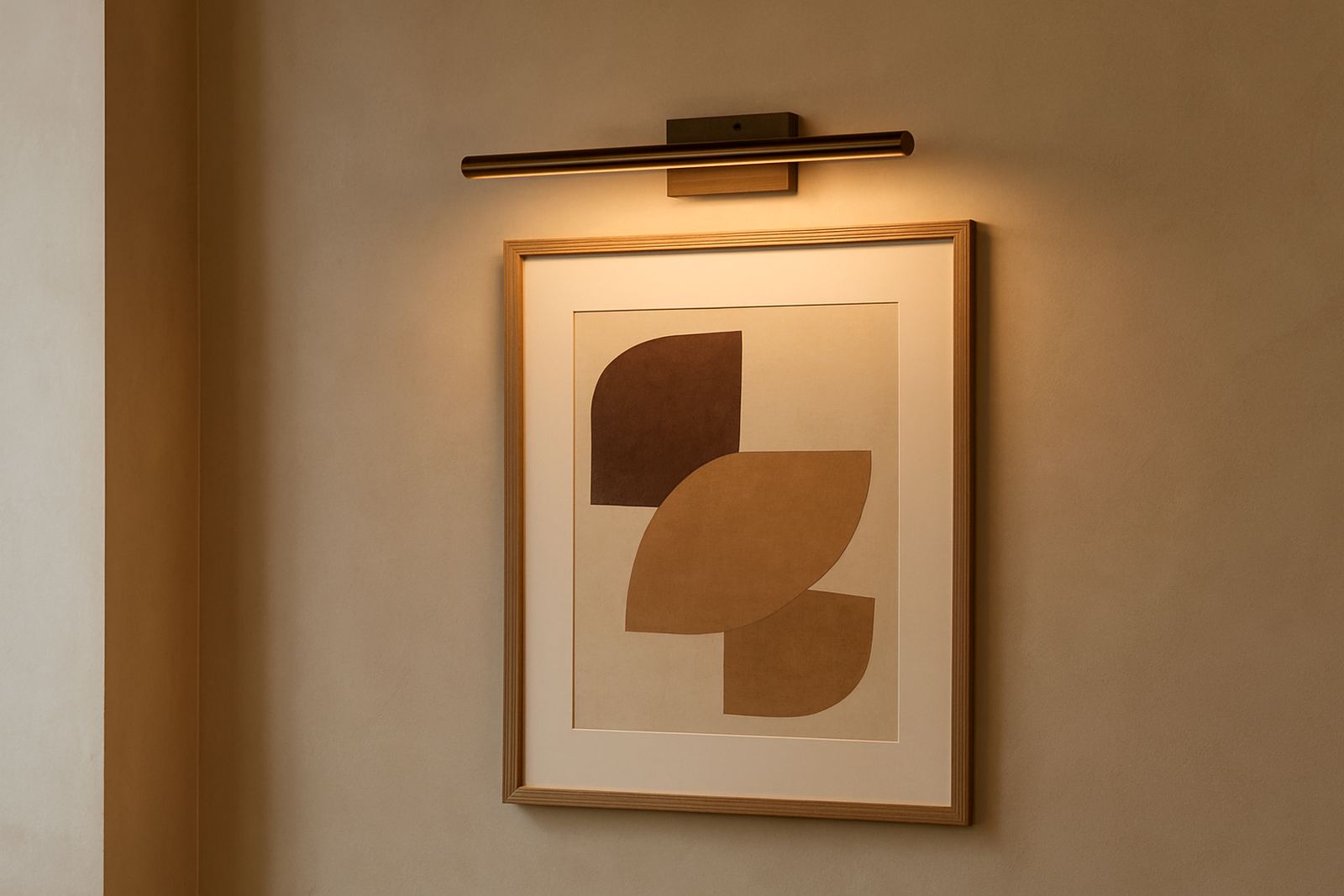
Artwork picture lights are made to direct light onto a specific piece, usually a painting, photograph, print or framed object, while keeping the rest of the room calm and comfortable. They suit living rooms, passages, private dining rooms, reception areas and shopfront displays where the art must be seen clearly but not overlit. The aim is controlled accent lighting, not a flood of light that causes glare or flattens the texture of the work.
For South African homes and businesses, this matters in rooms with mixed use. A lounge may need soft ambient light for evening use, while the artwork still needs definition at night. In restaurants, the lighting should support the mood and not fight the interior finishes. In Rosebank, Sandton and Umhlanga especially, clients often want a cleaner, more considered look that holds up after load-shedding returns and the lights come back on. Picture lights help keep the room organised visually, even in a busy setting.
Sizes, finishes and fitting options that suit the frame
Artwork picture lights are usually chosen by the width of the frame, the hanging height and the viewing distance. A light that is too short can leave the edges dim, while one that is too wide can look clumsy above a smaller frame. As a guide, the light should cover roughly half to two thirds of the artwork width, depending on the beam spread and the depth of the frame. We can also work around mouldings, mirrors and gallery walls where multiple frames sit close together.
- Typical lengths: 300 mm, 400 mm, 500 mm, 600 mm, 800 mm and custom sizes
- Mounting styles: wall mounted arm, top of frame mount, or fixed linear bar
- Finish options: black, white, bronze, brushed aluminium and custom powder coat tones
- Light source options: warm white LED, adjustable beam, and low-glare diffused lenses
For coastal homes in Durban and Umhlanga, finish selection matters because salt in the air can affect exposed metal over time. In Johannesburg and Pretoria, the bigger concern is often dust and a clean installation line. A good picture light should look neat from the room side and not draw attention away from the artwork itself.
Where picture lighting works best indoors
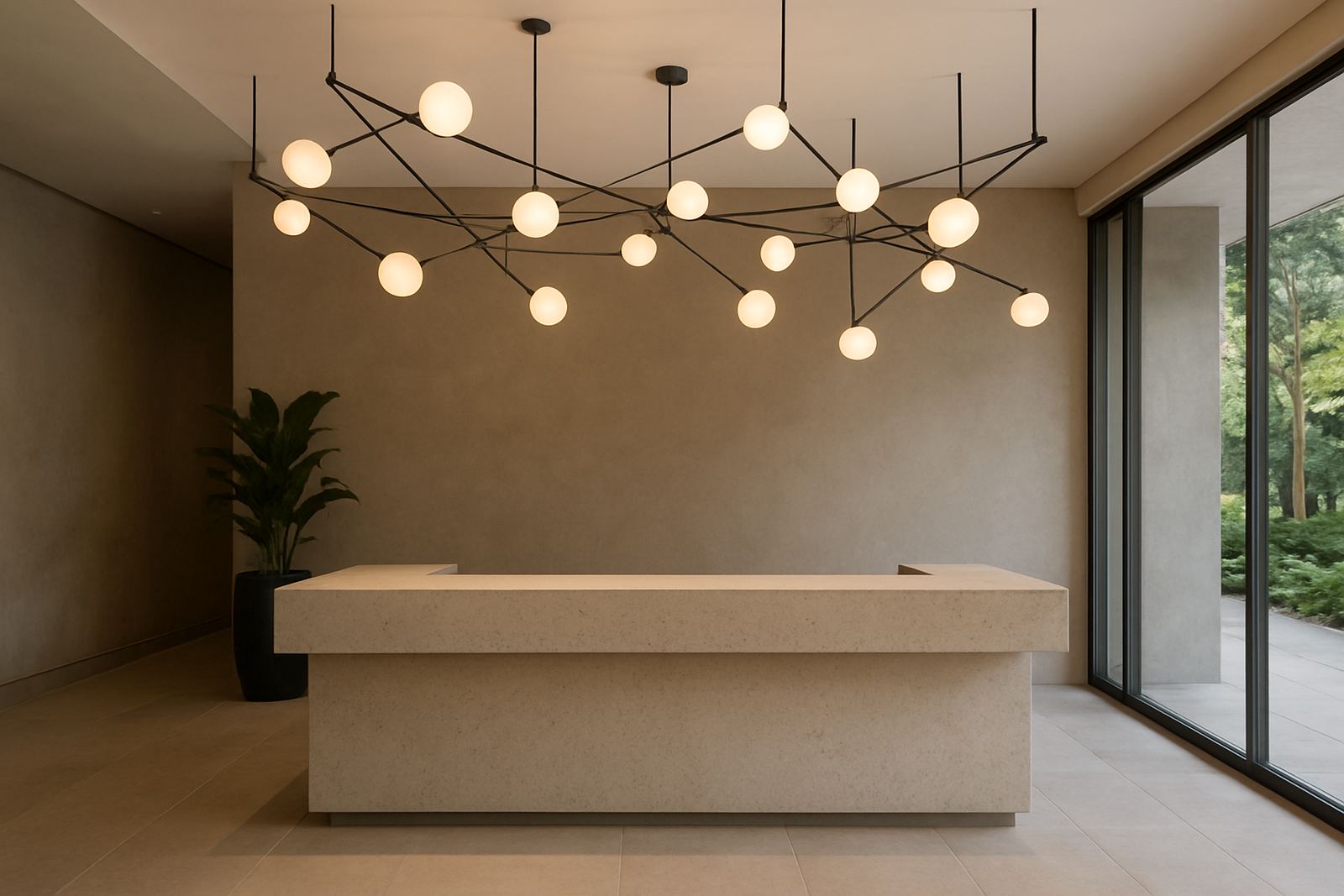
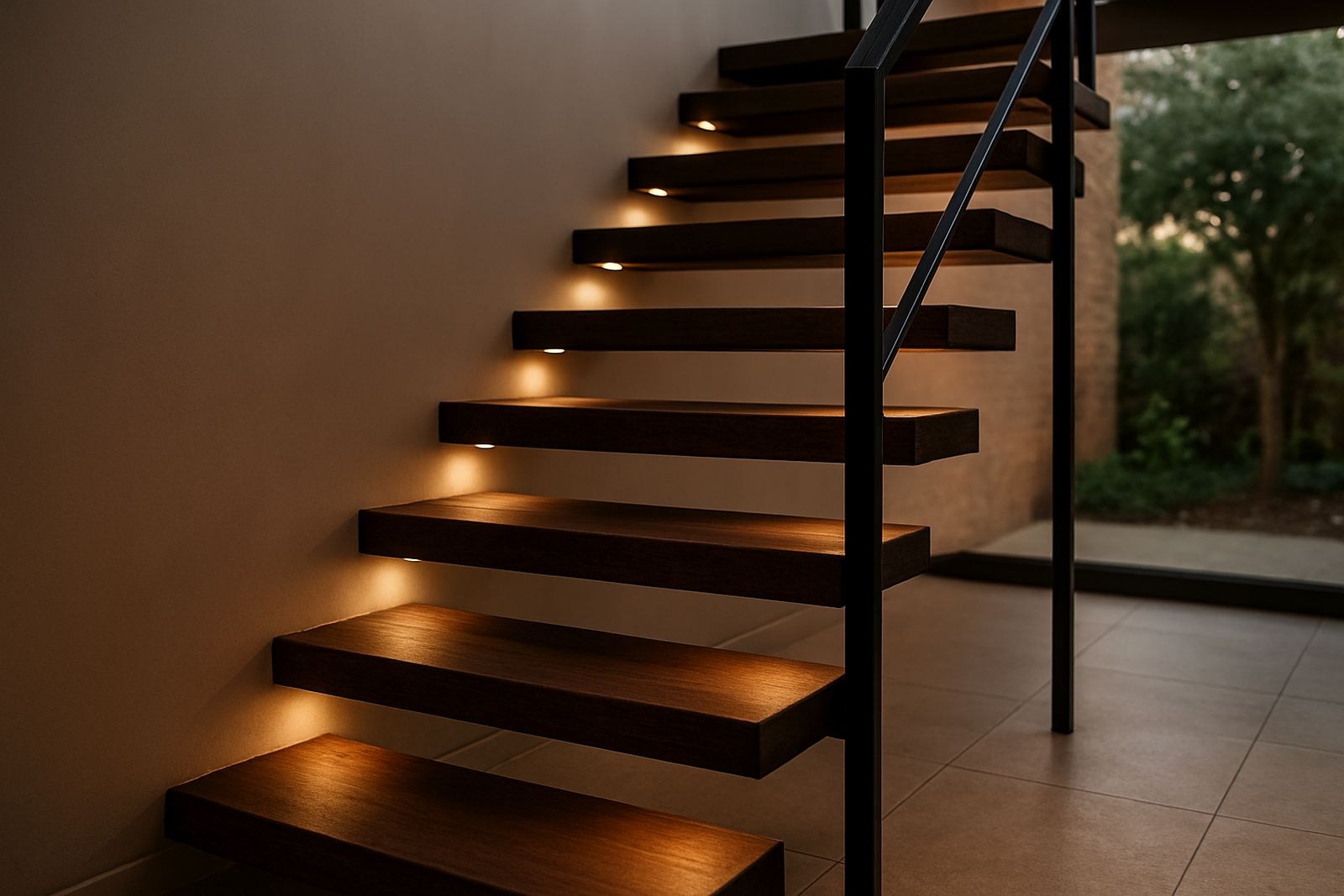
These fittings suit a wide range of spaces, but they are especially useful where art forms part of the design brief. We see them used in home passages, dining areas, stair walls, private studies, boutique retail displays, hotel corridors and restaurant feature walls. They also work well above headboards, sculptural wall panels and framed brand imagery in reception spaces.
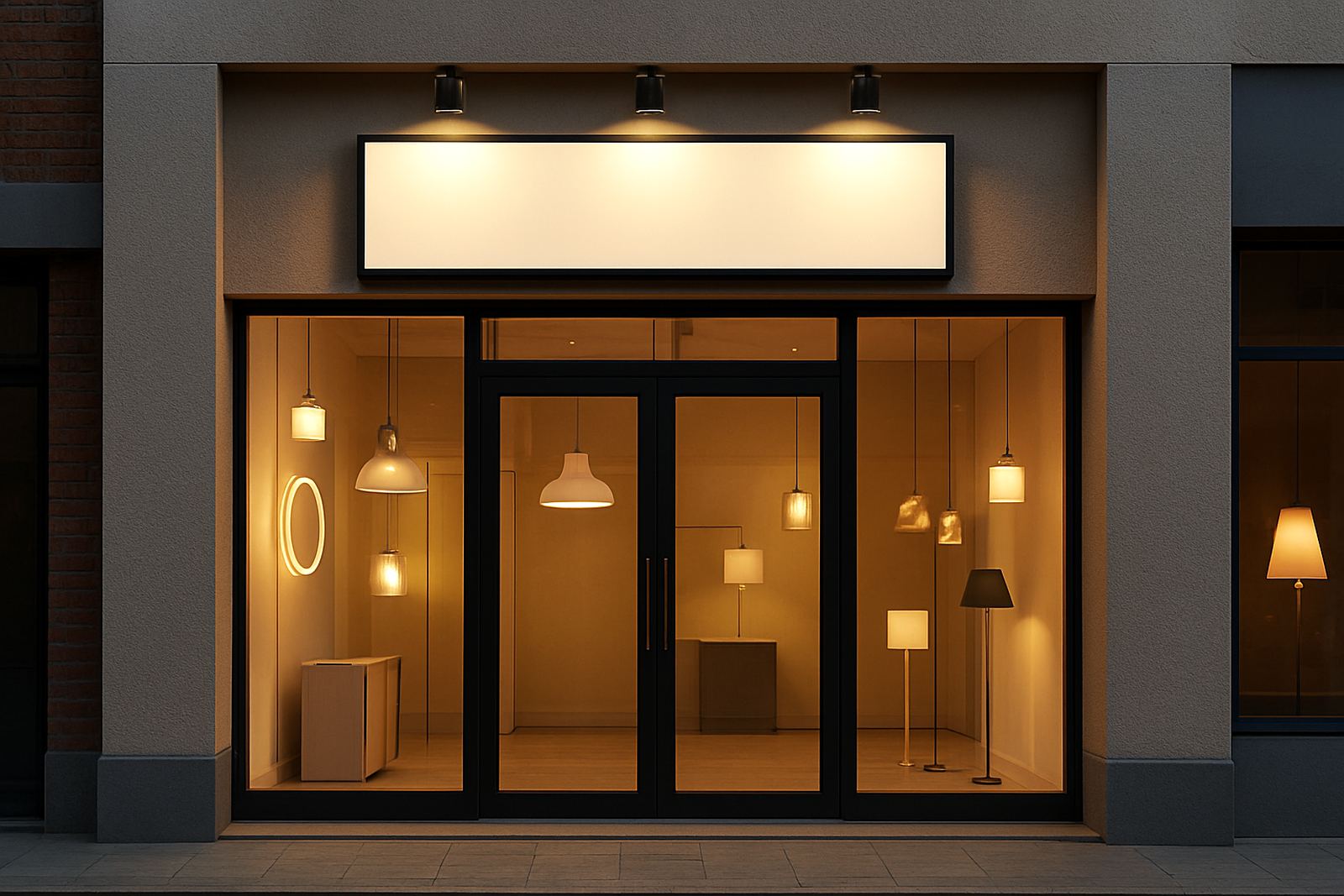
In a restaurant, the right picture lighting can make a wall feel curated without needing extra decor. In a home, it can turn one framed piece into the anchor of a room. For shopfronts, it can highlight a signature artwork, a product board or a brand story wall while the rest of the frontage stays practical and easy to read from outside. If the ceiling height is high or the wall finish is textured, we usually adjust the beam angle and mounting height so the light lands properly rather than spilling onto the ceiling.
- Best suited to indoor use on solid walls or prepared frame-backed surfaces
- Works well with plaster, painted drywall, timber panelling and feature cladding
- Can be grouped across a gallery wall for a more even visual rhythm
Installation, wiring and power planning
Picture lights are normally installed with neat concealed wiring, especially where the wall is being finished or painted as part of a larger project. Depending on the layout, the fitting can be hardwired to a switched lighting circuit or connected through a nearby supply point with discreet cable management. The best approach depends on where the artwork hangs, whether the wall is a feature wall and whether the client wants the light to work independently from the main room lights.
For homes and businesses facing irregular power cuts, we often plan picture lighting as part of a broader lighting schedule so it comes back on cleanly after an outage. LED fittings are usually the practical choice because they run cooler, use less power and place less strain on the installation. Dimmable control can also be added where the room changes from day use to evening use. On site, we check the wall build, fixings, cable route and clearance above the frame. If the wall is newly finished, it is best to allow the electrician and installer to coordinate before final painting, otherwise patching can get messy.
- Can be wired to a wall switch, dimmer or grouped lighting control
- Needs suitable wall support and safe cable routing
- LED fittings are preferred for low heat and lower running cost
- Voltage, circuit load and control method should be confirmed before ordering
Care, cleaning and servicing over time
Picture lights are simple to maintain, but they still need occasional checking. Dust can build up on the lens or bar, and over time this can soften the effect. A dry microfibre cloth is usually enough for routine cleaning. If the finish is powder coated or metal plated, avoid harsh chemicals and abrasive cloths that can mark the surface. In coastal areas, a light wipe more often is better than letting salt residue sit on the fitting.
We also recommend checking alignment after painting work, furniture moves or wall repairs. If the frame is shifted a few millimetres off-centre, the light may no longer land exactly where it should. LED drivers and control gear may also need inspection during general lighting maintenance, especially in larger homes or hospitality spaces where the fittings are used most evenings. If a lamp module or driver fails, it is usually simpler to replace the affected part than disturb the whole installation.
What to check before placing an order
Before ordering artwork picture lights, it helps to confirm the frame size, wall finish and intended viewing height. The width of the artwork should guide the length of the fitting, but the frame profile matters too. Deep frames, glass reflections and textured surfaces can all affect the final result. If the piece is part of a set, the spacing between works should be measured as well, because a tight grouping may need a different beam spread from a single statement piece.
It is also worth confirming whether the fitting needs to be dimmable, whether it will be switched on its own circuit, and whether the room has enough access for wiring. In some older homes and renovated restaurants, wall access is limited, so a surface route or revised mounting point may be the better option. If you are ordering for a shopfront, let us know the display hours and whether the light must remain on after trading, because that can affect control design and running cost. A clear brief upfront saves time later, and prevents a light that looks good on paper but lands wrong on site.
- Artwork width and frame depth
- Mounting height from floor and from the top of the frame
- Desired colour temperature and dimming requirement
- Power point or wiring access nearby
- Finish choice for the room and climate
- Whether the piece is a single artwork or part of a wall grouping
Key facts
| Product type | Architectural picture light for framed art and wall displays |
|---|---|
| Typical lengths | 300 mm to 800 mm, with custom sizes available |
| Light source | Low-glare LED |
| Colour temperature | Warm white options typically 2700K to 3000K |
| Control options | On/off, dimmable and grouped lighting control |
| Best use | Homes, restaurants, galleries, reception areas and shopfront feature walls |