Lighting that makes fabric, colour and detail sell
In a boutique, the light is doing real work. A silk blouse needs a different treatment to denim, knitwear or jewellery, and the fitting room must be bright enough for customers to trust what they see. We design for the way South African boutiques trade, from compact stores in Rosebank and Sandton to coastal shops in Cape Town and Durban where daylight, humidity and glare all affect the result.
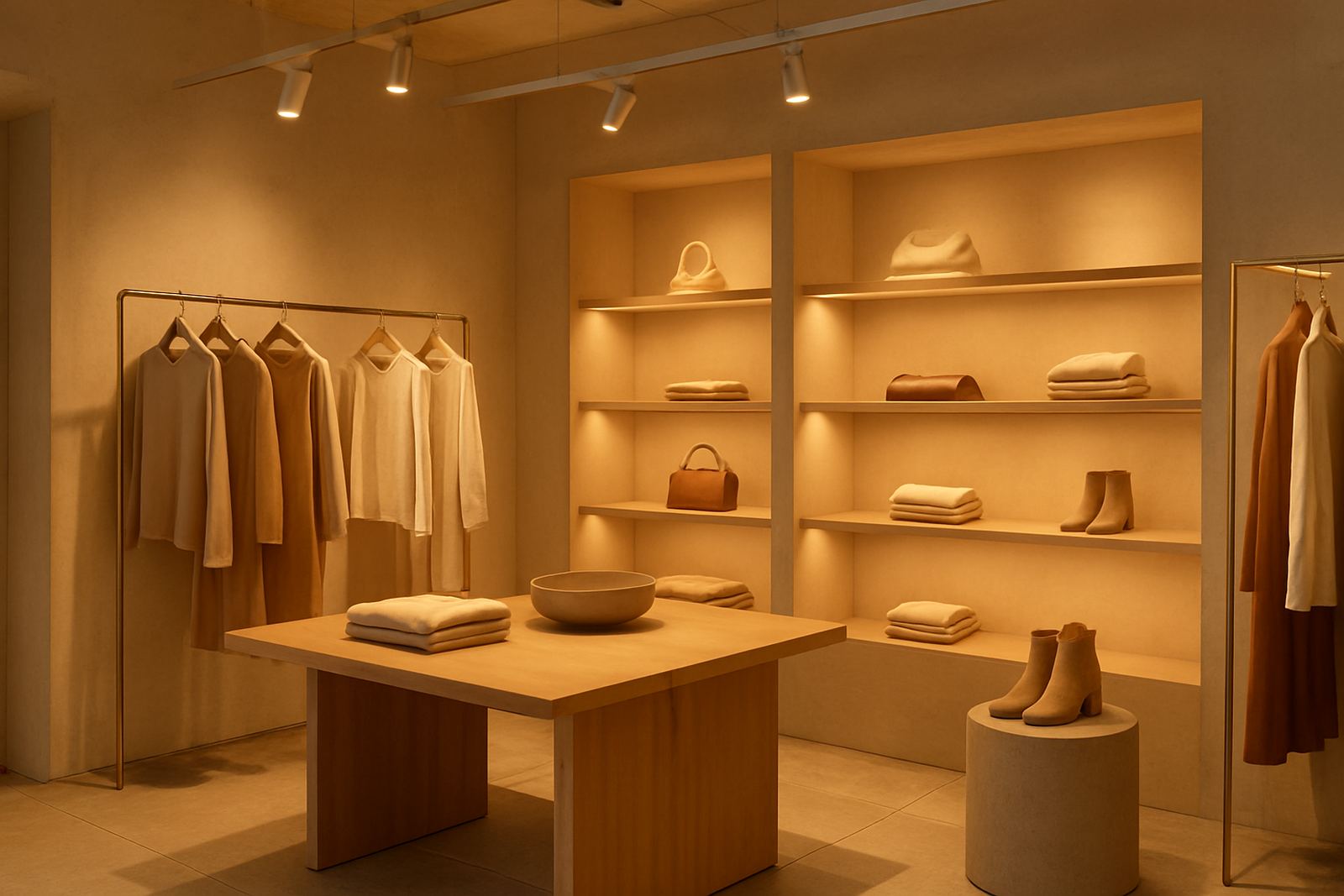
The aim is not just brightness. It is colour accuracy, shadow control and a clear visual path from the window to the floor and then to the change room. If the lighting is too cool the garments can look flat. If it is too warm, whites and creams can shift off tone. We plan the lighting so merchandise reads naturally, textures show properly, and the shop feels considered without looking overdone.
Typical lighting package for a boutique fitout
Every shop is different, but most boutique projects use a mix of general light, accent light and focused mirror light. The exact equipment depends on ceiling height, ceiling type and whether the store is in a mall or on a street frontage.
- Recessed or surface mounted downlights for base lighting
- Adjustable spotlights for feature rails, mannequins and wall displays
- Track lighting where layout changes often
- Mirror lights or vertical side lighting for fitting rooms
- Window display lighting to draw attention after trading hours
- Integrated strip lighting for shelving, niches and cashier counter details
- Dimmable controls so the store can shift between bright trade hours and softer evening ambience
We also look at emergency lighting, switching zones and where cable routes can be hidden. In a shop where stock changes weekly, flexibility matters. A good plan allows the store team to move displays without having to rework the whole ceiling each time.
Window displays and front-of-store planning
The shopfront is often the first point of contact, so it needs stronger visual punch than the rest of the store. A window display should read clearly from the pavement or mall corridor, even in bright midday sun. For that reason, we usually design a separate lighting layer for the frontage rather than relying on general ceiling fittings only.
For boutique windows, the best results usually come from narrow beam spots aimed with care, not from flooding the whole area with light. That keeps the focus on the product and avoids hot spots on glass. We also check for reflections from street lighting, glossy finishes and security screens. In some locations, especially along busy roads in Johannesburg or windy coastal areas, fixture placement and glare control need more attention than clients expect.
- Keep the brightest point on the hero item, not the whole window
- Use warmer light for clothing and softer tones for premium accessories
- Allow for day and night viewing, since the display must work in both
- Plan access for cleaning and lamp replacement so maintenance is simple
Changing rooms, mirrors and customer trust
Many boutiques lose sales in the fitting room. If the light is too harsh, customers feel exposed. If it is too dim, they cannot judge fit or colour properly. We design fitting room lighting to flatter the face and body while still showing the garment honestly. That balance is important, because returns and hesitation often come from poor lighting rather than poor stock.
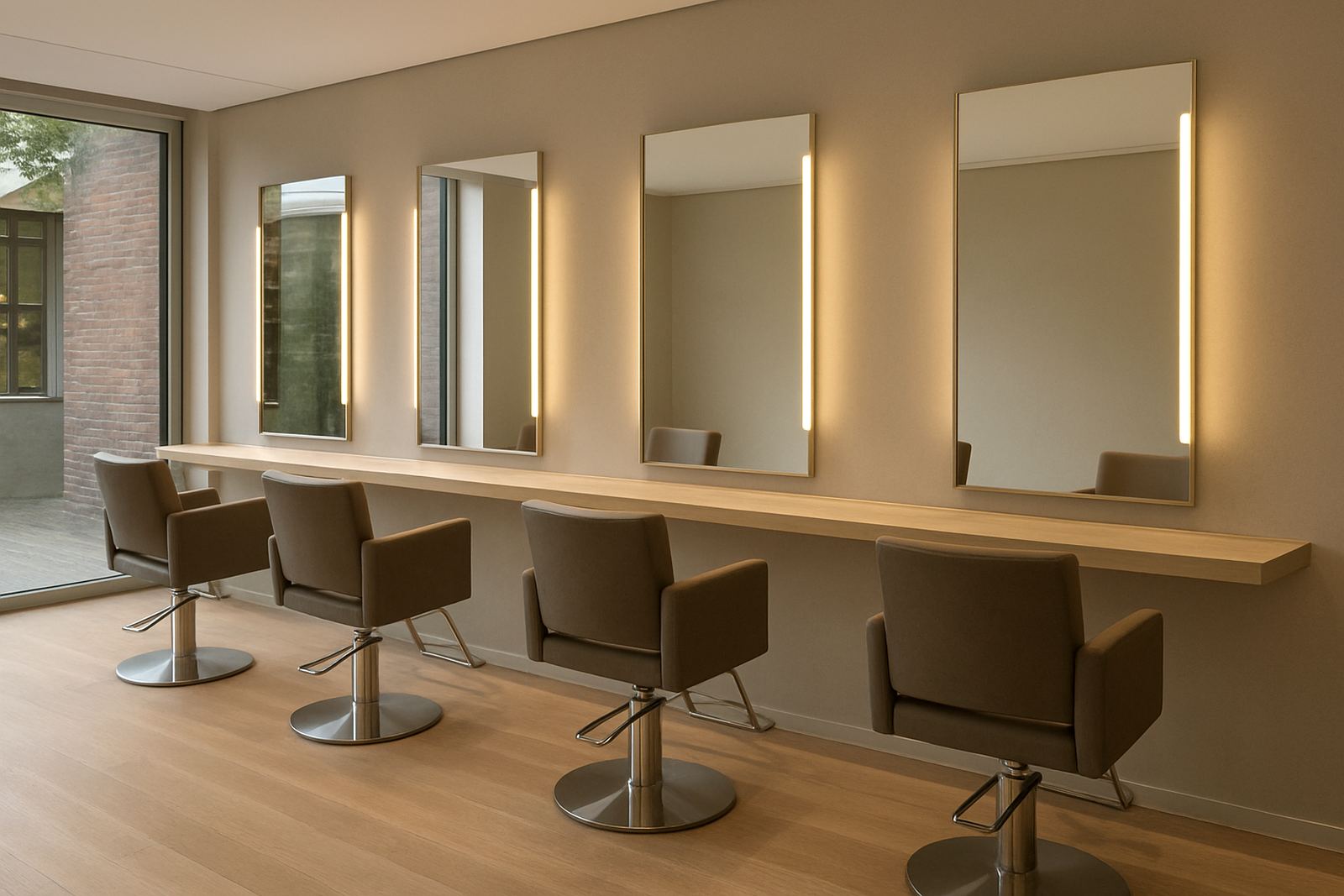
Mirror light should be even from both sides and above, with no strong shadow under the chin or across the shoulders. We often recommend a separate control for fitting rooms so the area can stay at a stable light level even when the main shop dims later in the evening. This small detail makes a noticeable difference to customer confidence and staff workflow.
Common mistakes we see in boutique lighting
A lot of boutique lighting problems come from using too few fittings, placing them in the wrong positions, or choosing light without thinking about the merchandise. Another common issue is using one colour temperature across every area and expecting it to suit everything. It usually does not.
- Too much light on the floor and not enough on the stock
- Glossy mirrors that create glare in fitting rooms
- Strong downlights that cast hard shadows on mannequins
- Fixed fittings in stores that need frequent layout changes
- Ignoring daylight from shopfronts, which can wash out displays
- No dimming plan, so the store looks the same at 10am and 6pm
We also see boutiques underestimating maintenance. In a shop with long operating hours, a failed lamp or failed driver can be a real nuisance. For that reason, we specify fittings and controls with practical access in mind, especially where ceiling access is limited or where load-shedding has already affected equipment.
Budget ranges for boutique projects in Rand
Budget depends on the size of the store, the finish level and whether the job is a new fitout or a lighting upgrade. For a small boutique, a straightforward lighting redesign may start from around R35,000 to R75,000, depending on fixture count and control requirements. A mid-sized retail space often falls between R80,000 and R180,000. Larger or more detailed boutique interiors, especially those with custom displays, fitting room upgrades and 3D visuals, can run from R200,000 upwards.
For planning purposes, it helps to separate the spend into design, supply and installation coordination. If you are working in a mall, there may also be landlord approvals, after-hours access costs and compliance requirements that affect the final figure. We recommend setting aside a small contingency because once ceilings are opened or layouts shift, site conditions can change quickly and a little extra budget saves a lot of stress.
How we approach boutique projects from Rosebank
Illumin8d works from Rosebank, Johannesburg and supports boutique projects across South Africa, including Sandton, Pretoria, Midrand, Cape Town, Durban and Umhlanga. The process usually starts with the store concept, then a lighting audit if the space already exists, followed by fixture specification, layout plans, control design and mockups where needed.
We coordinate installation details with the contractor and then return for post install focusing so the store opens looking the way it should. Mandla Ndlovu leads the business with a team that includes Ayesha Patel on design, Johan van Wyk on technical detailing, Lerato Mokoena on coordination, Sibusiso Dlamini on site installation and Nokuthula Khumalo on client care. For boutiques, that mix matters because the final result depends on both the visual idea and the practical delivery.
If you need a boutique lighting plan that shows garments properly, respects the brand and works in everyday trading conditions, start with the enquiry form on our contact page.