
Why window display lighting matters from the street
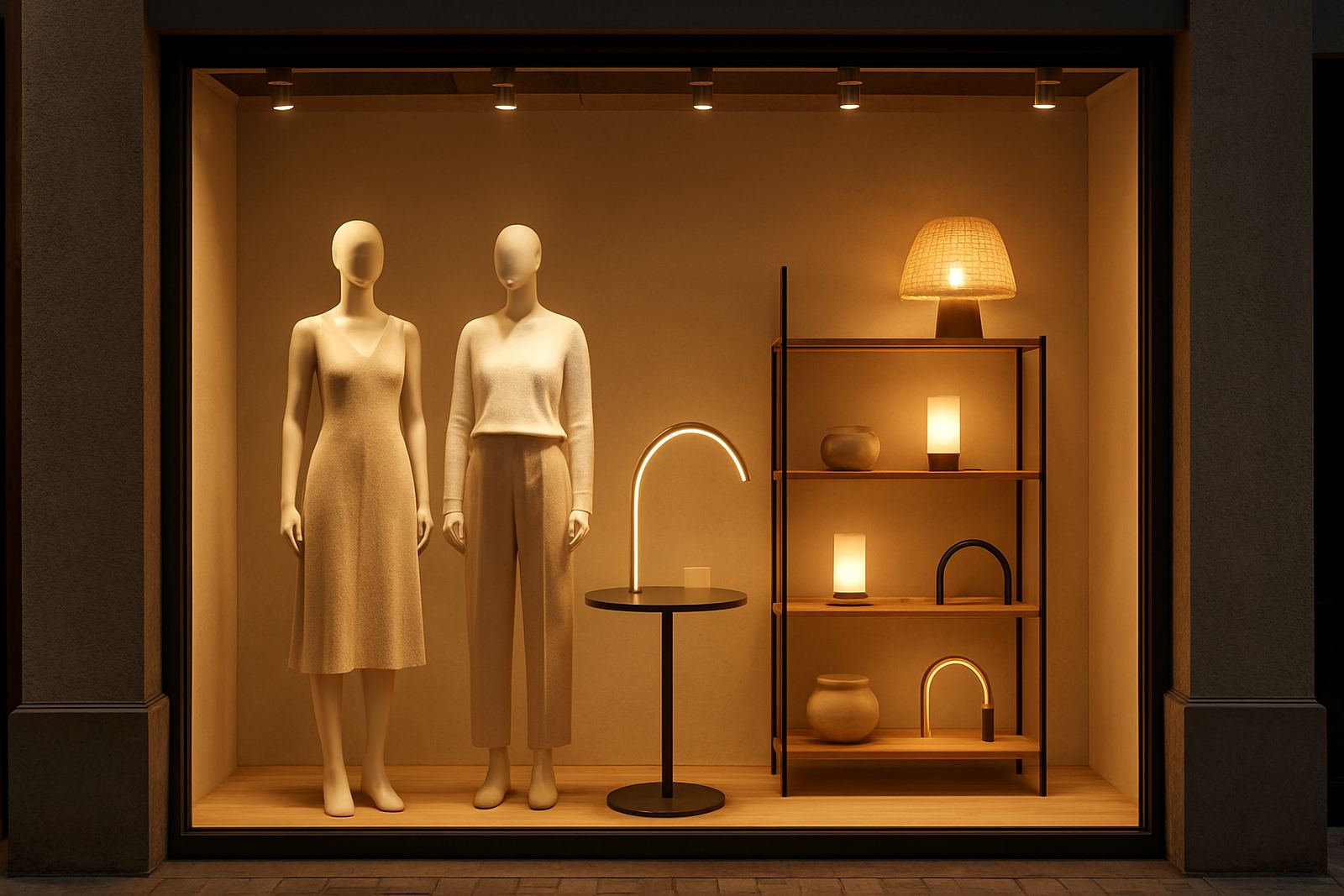
Good display lighting does more than make a window brighter. It guides the eye, shows colour accurately, and gives people a reason to slow down outside the shopfront. In busy centres such as Rosebank, Sandton and Umhlanga, the first impression often happens before a customer reaches the door, so the window must work hard during both daylight and after sundown.
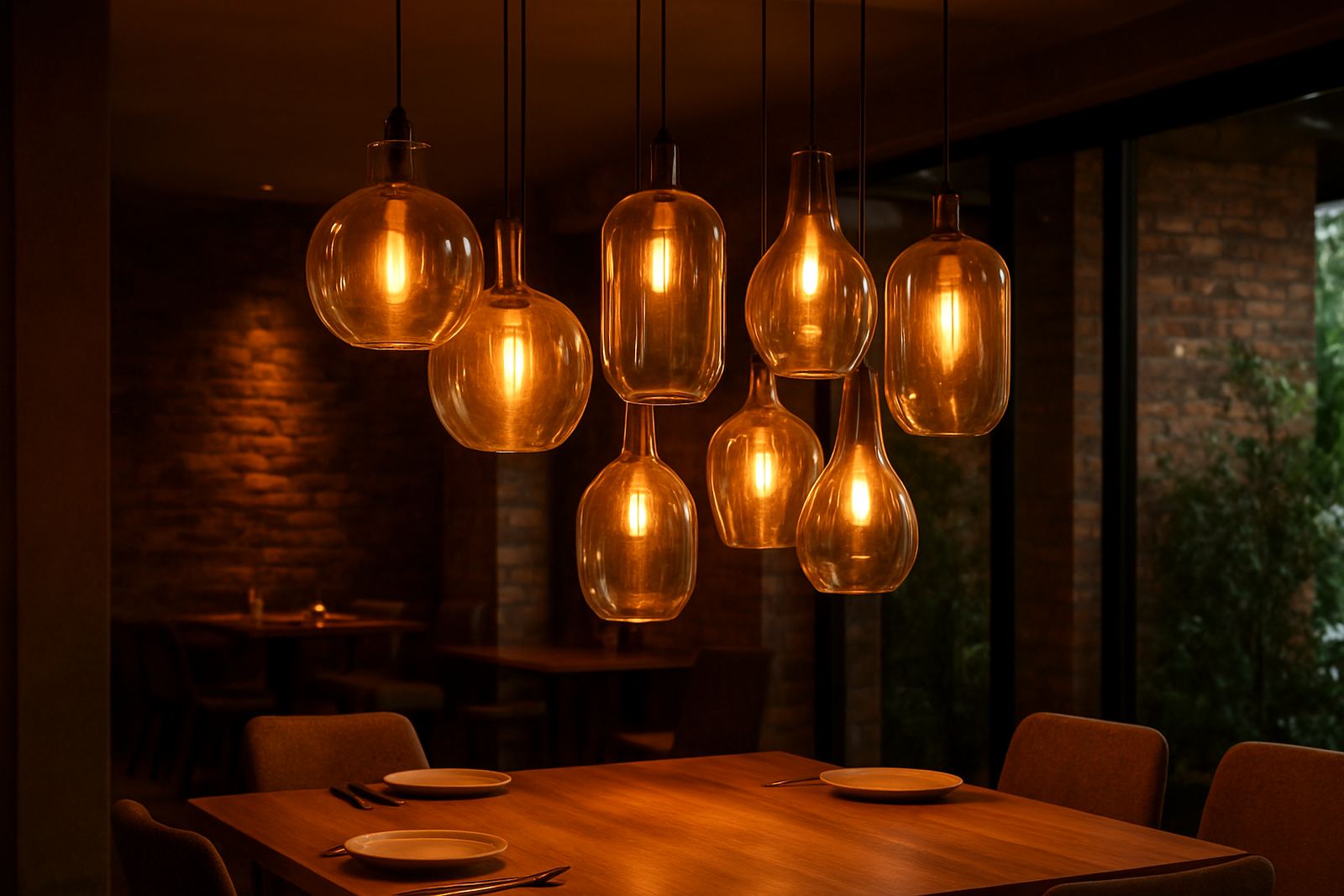
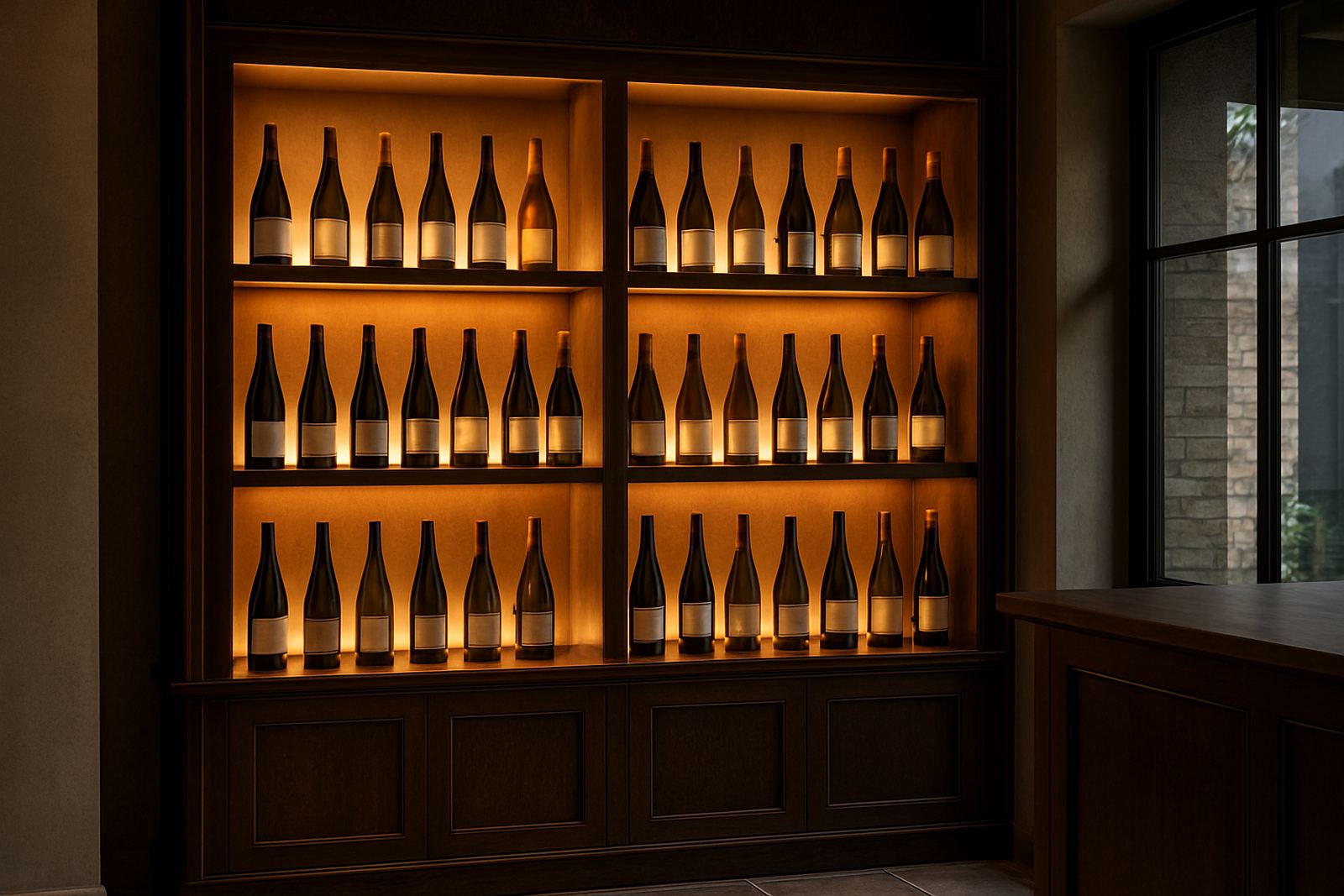
Display lighting can be used to highlight mannequins, seasonal stock, jewellery, pastries, art pieces, homeware or branded feature items. For restaurants, it can frame menu boards, wine displays or curated decor. For homes, a lit window can showcase collections or create a warm front elevation. The right setup also helps with security by keeping the frontage visible without making the glass look flat or washed out.
We design window display lights to suit the size of the opening, the depth of the reveal and the type of glass in place. That means the fittings, beam spread and control gear are chosen around the actual site, not a one-size-fits-all package.
Common sizes, fittings and output choices
Window display lights are usually selected according to the width of the frontage and the depth of the display area. Small bays may need just two or three spot fittings, while a long retail line in Cape Town or Pretoria can need a full run of track with multiple aiming points. The aim is even coverage without over lighting the glass.
Options can include slimline track spots, recessed downlights, linear LEDs, small wall washers and concealed accent lights inside shelving or plinths. For shopfronts with changing displays, adjustable fittings are practical because stock can move from one side to the other without rewiring. For fixed displays, a neat recessed or surface mounted line often gives a cleaner result.
- Small window bay: 1.2 m to 2.4 m wide, usually 2 to 4 fittings
- Medium frontage: 2.4 m to 4.8 m wide, usually 4 to 8 fittings
- Large retail frontage: 4.8 m and above, often zoned with multiple circuits
- Light output: typically 600 to 3000 lumens per fitting depending on task
- Mounting: ceiling, recessed, surface mounted or concealed shelf installation
For homes, smaller trims and warmer colour temperatures usually suit living spaces better. In hospitality, the display lighting should support the atmosphere without making the frontage feel harsh or clinical. A good layout balances sparkle and comfort, especially where street-facing glass is large and open.
Where these lights suit best
Window display lighting works in more than just fashion retail. It is useful in restaurants, cafés, galleries, showrooms, salons, reception areas and private homes where the frontage needs to look active at night. In Johannesburg and Durban, where street visibility changes sharply between day and evening, the display has to hold its own after load-shedding too, so backup planning matters.
We often recommend display lighting for spaces that need a stronger street presence or better product presentation behind glass. That can include:
- Shopfronts in malls and roadside retail strips
- Restaurant windows with seating, food displays or feature shelving
- Residential front rooms facing the street
- Showrooms with premium stock or changing seasonal items
- Mixed-use premises where branding and ambience must work together
Coastal areas such as Umhlanga and Cape Town need fittings that can handle humidity and salt air better than standard indoor gear. In those locations, careful material selection and sealed components are worth the extra attention, otherwise corrosion can show up quicker than expected.
Installation, power and control requirements
Most window display lights run on standard mains power, usually 220 to 240V AC, with LED drivers or transformers selected according to the fitting type. Installation needs to be planned with the electrician and the site team so the wiring stays hidden and access for maintenance remains practical. If the display changes often, the circuits should be arranged so different sections can be switched separately.
For shopfronts and restaurants, we look at existing ceiling space, access above bulkheads, wall build-up and the position of signage before confirming the layout. In some cases a track system is the simplest answer; in others a recessed line gives a cleaner finish. If the frontage has dimming or scene control, the control system must match the fitting type, otherwise flicker or uneven output can occur.
- Power supply: 220 to 240V AC, with suitable driver or transformer where required
- Controls: on-off switching, dimming, timers or scene control
- Installation space: ceiling void, bulkhead or surface run depending on site conditions
- Safety: cabling must comply with local electrical rules and access panels should remain reachable
Where the building experiences power interruptions, it helps to keep the display lighting on a dedicated circuit or backup plan. That way the frontage does not go dark at the worst possible moment. On some sites a smaller standby arrangement is enough, especially when only the feature window needs to stay visible. A tidy installation also reduces future callouts, which saves time for the tenant and the landlord.
Care, cleaning and servicing over time
Display lights should be kept clean because dust on lenses and fittings can cut output surprisingly fast. In retail areas with busy foot traffic, grime builds up on glass and trims and can dull the effect. A soft cloth, mild cleaner and regular schedule is usually enough for the visible parts. Avoid harsh solvents on painted trims or diffusers.
Servicing should include checking that fittings still aim correctly, especially if the display changes with seasons or promotions. Over time, a fitting can shift a little during cleaning or stock changes, and that affects the beam pattern. If the window uses dimming or control gear, test those functions regularly so faults are picked up early.
We recommend a basic service check every 6 to 12 months, depending on dust levels, humidity and how often the display is changed. In coastal or high-traffic sites, a shorter interval may be needed. Replacement lamps are rarely needed with LED systems, but drivers, connectors and mounting hardware should still be inspected. If one section starts looking dull, it is better to sort it out before the whole frontage begins to look uneven.
What to confirm before placing an order
Before ordering window display lights, it helps to confirm the frontage size, ceiling height, glass position and the type of merchandise being shown. The more detail you give at the start, the better the final result will fit the site. A narrow jewellery display needs a different beam and brightness to a restaurant window or a fashion window with mannequins.
- Window width, height and depth of the display area
- What needs to be lit: product, signage, shelving or full frontage
- Desired colour temperature: warm, neutral or cool white
- Whether the display needs dimming or timed switching
- Power access points and ceiling or bulkhead access
- Any coastal exposure, humidity or load-shedding considerations
It is also worth checking whether the landlord or centre manager has rules about fixing points, visible cabling or external light spill. In some precincts, especially in commercial centres, the installation must stay inside the leasehold area and avoid glare onto neighbouring tenants. If you are not sure, get that confirmed before the fittings are ordered, because small changes on site can delay the whole job.
Illumin8d designs window display lighting for shopfronts, restaurants and homes across South Africa, with work handled from Rosebank and installed where the project requires it. Clients usually start with the enquiry form on our contact page, then we work through the layout, fixtures, controls and installation detail from there.
Key facts
| Typical input | 220 to 240V AC |
|---|---|
| Common colour temperatures | 3000K, 4000K, optional warmer or cooler mixes |
| Beam angles | 10 to 60 degrees depending on display type |
| Mounting options | Recessed, surface mounted, track, concealed shelf |
| Control options | On-off, dimming, timers, scene control |
| Service interval | 6 to 12 months depending on site conditions |