What linear profile lights are and why they suit clean-lined spaces
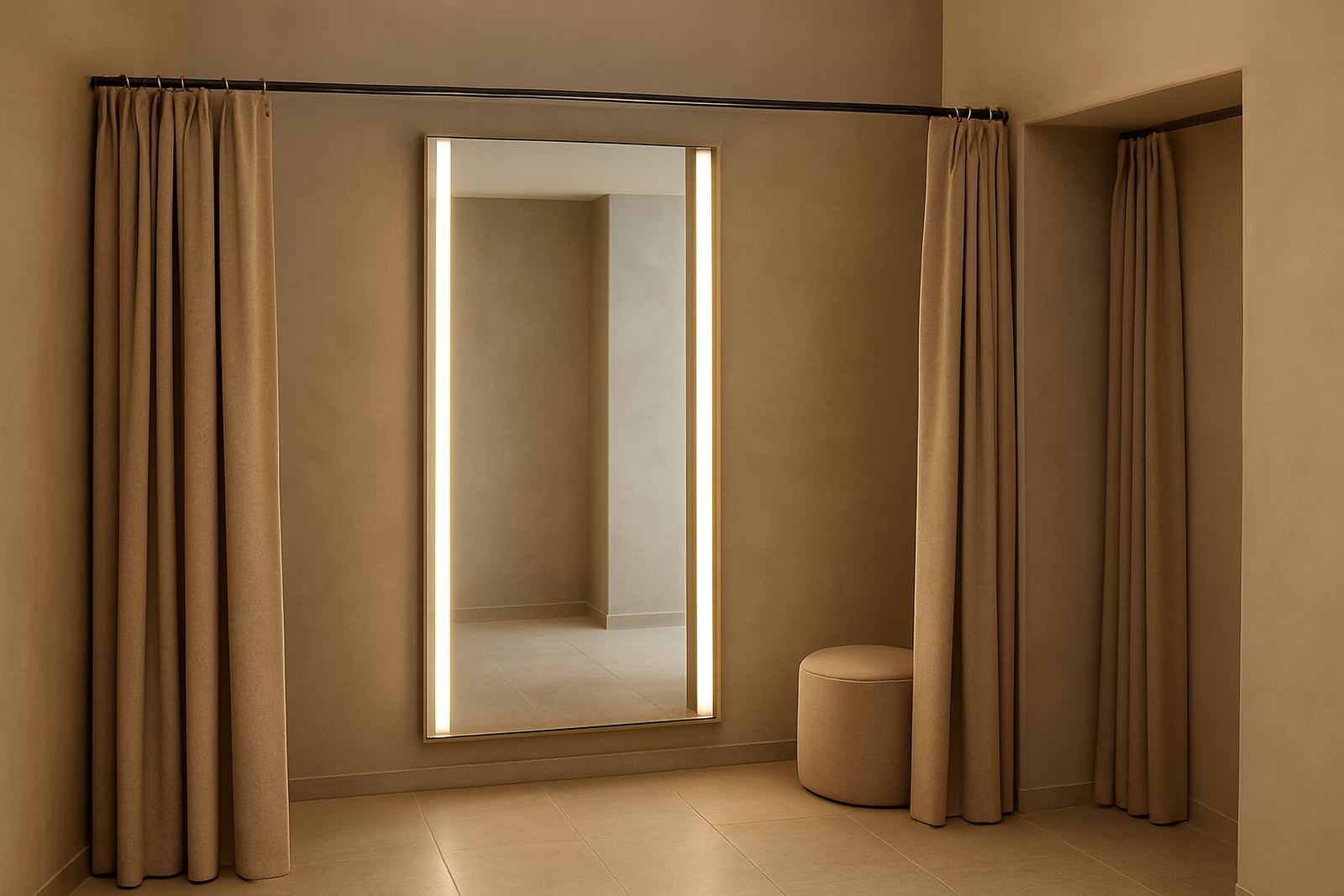
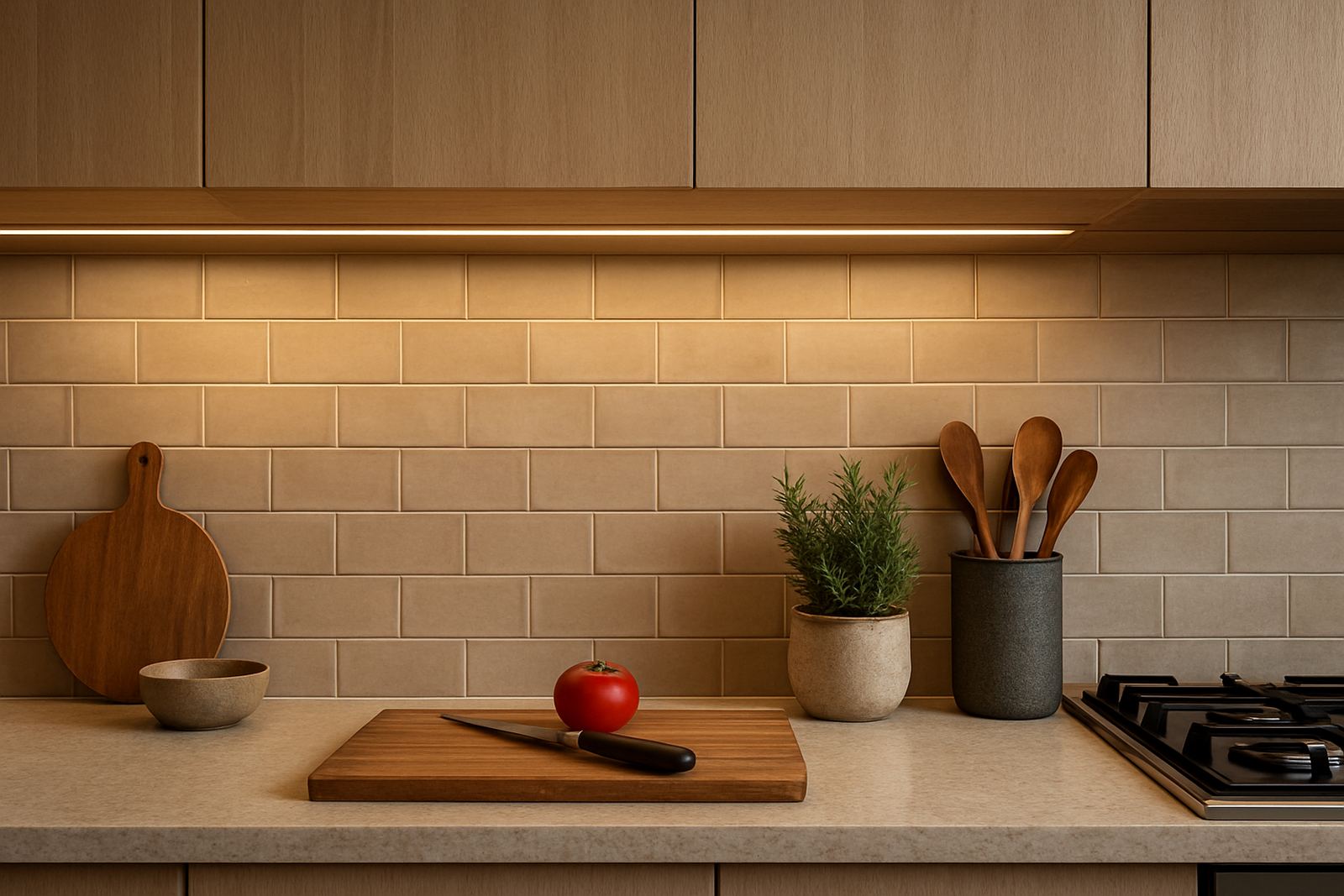
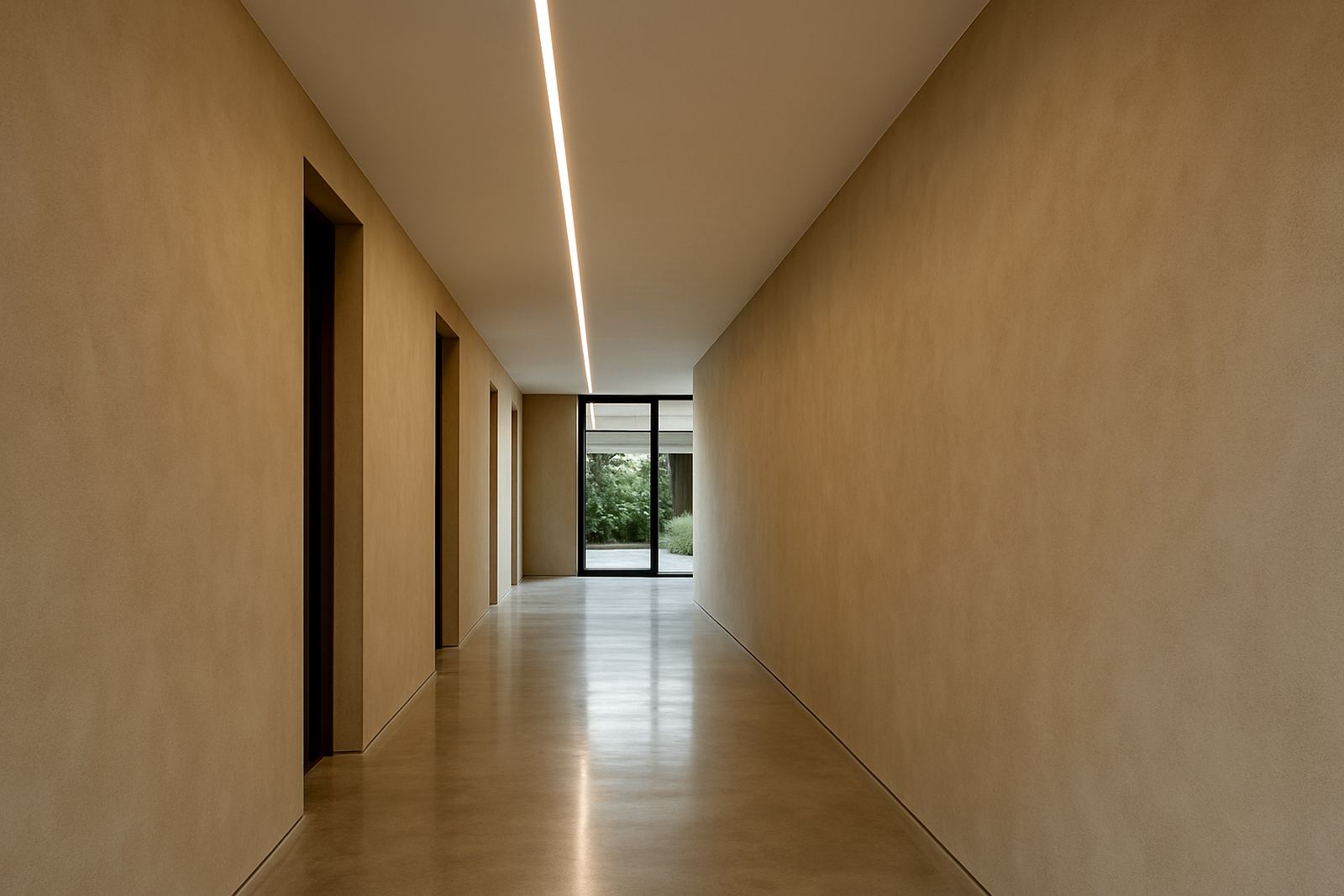
Linear profile lights are narrow, extruded fittings that carry LED light in a straight run. They are used where you want light to read as part of the architecture, not as a heavy decorative fitting hanging from it. In a retail bay, they can define a display line. In a restaurant, they can guide the eye along a ceiling or banquette. In a home, they suit kitchens, passageways, stair runs and joinery where crisp, controlled light matters.
These fittings are usually surface mounted, recessed, suspended or built into joinery. The profile itself helps spread the light evenly and shields the source so you get a neat appearance rather than visible glare. For projects in Johannesburg, Pretoria, Cape Town, Durban and Umhlanga, that tidy finish is useful in both new builds and refurbishments, especially where ceiling space is limited or the ceiling has service runs to work around.
- Suitable for straight runs and custom joined corners
- Good for visual continuity across larger ceilings
- Can be used as task, accent or general ambient light
- Works well in areas with frequent foot traffic and regular cleaning
Common sizes, finishes and output options to compare
Most linear profile lights are specified by length and light output rather than by one fixed size. Typical sections are slim enough to stay discreet, with widths from about 20 mm to 60 mm and depths from about 15 mm to 80 mm depending on the profile style and whether the driver sits inside or remote. Lengths are commonly supplied in 1 m, 1.5 m, 2 m and 3 m modules, with custom lengths and joined runs available for longer spans. For shopfront fascia lines, 6 m to 10 m of continuous light can often be set up in linked sections.
Finish options usually include white, black, silver anodised or custom RAL paint on request. Lenses may be opal for softer diffusion, clear for higher punch, or micro-prismatic for better glare control. In practical terms, you want to match the finish to the setting. A black profile can disappear into a dark ceiling. A white profile can blend into plasterboard. In a polished restaurant, the right finish saves you from seeing the fitting before you notice the light.
- Lengths: 1 m, 1.5 m, 2 m, 3 m and custom cuts
- Widths: about 20 mm to 60 mm
- Depths: about 15 mm to 80 mm
- Finishes: white, black, silver and custom painted options
- Lens choices: opal, clear, micro-prismatic
Where linear profiles suit best in shops, restaurants and homes
Linear profile lights suit places where movement and layout need to be obvious. In shopfronts, they can outline shelving, till points and display edges without looking busy. In restaurants, they help create rhythm across the ceiling and can be used to mark circulation routes, bar counters or private dining areas. In homes, they are often specified for kitchens, wardrobes, corridors, stair edges and feature ceilings.
They are also a practical choice where municipal or sectional management rules limit how much visual clutter can be added to the façade or common area. A neat line of light can make a stronger impression than a collection of small fittings. For coastal towns such as Durban and Umhlanga, a correctly specified profile with suitable corrosion resistance can stand up better to humidity and salty air. In inland areas like Rosebank or Midrand, the focus is often on good thermal management and neat integration with suspended ceilings or joinery.
- Shopfronts: signage edge lighting, display shelving, fascia highlights
- Restaurants: banquettes, bar fronts, ceiling lines, circulation routes
- Homes: kitchens, passages, wardrobes, stair detail, feature ceilings
- Offices and reception areas: wayfinding and clean ceiling geometry
Installation details, power supply and control planning
Linear profile lights are LED systems and need mains power through a suitable driver, usually 220 V to 240 V AC input with a low-voltage LED output depending on the fixture. There is no gas requirement. The most important installation point is access to the driver and enough space for wiring, ventilation and maintenance. If the profile is recessed into gypsum or joinery, the opening must be cut accurately and the fixing surface must be level. For suspended runs, support points should be planned so the line stays straight and does not sag over time.
Control options can include on off switching, dimming, scene control and timed operation. In load-shedding conditions, many clients also ask for integration with backup power where the overall lighting circuit is planned with essential and non-essential loads in mind. That matters in restaurants and retail spaces where half-lit areas can look poor. It also matters in homes where you want the passage or kitchen to remain usable when the power cuts. A good install will also allow for future lamp or driver replacement without tearing open ceilings.
- Driver access should be planned before the ceiling closes
- Allow ventilation around drivers and enclosed profiles
- Check dimmer compatibility before ordering
- For long runs, confirm voltage drop and power feed points
Care, cleaning and when servicing is needed
These fittings are low maintenance, but they should not be treated as fit and forget forever. Dust, kitchen grease and general build-up can reduce output over time, especially in restaurants or in homes with open-plan cooking. Clean the diffuser with a soft dry cloth first, then a slightly damp cloth if needed. Avoid harsh chemicals, abrasive pads and anything that can cloud the lens or scratch the finish. If the profile is installed in a coastal area, it is worth checking screws, clips and exposed metal parts from time to time for early signs of corrosion.
Servicing is usually needed if the light starts flickering, if one section is dimmer than the rest, or if the driver is making noise. In a commercial setting, a planned check every 6 to 12 months is sensible. If the fitting is in a high ceiling, above a bar, or built into joinery, the access route should be considered at the start so maintenance does not become a major job later. A clean lens and a stable driver make a visible difference to colour quality and output.
- Wipe dust off regularly to keep light output even
- Use mild cleaning only, no abrasive products
- Check driver access and wiring every service visit
- Watch for flicker, dark sections or heat build-up
What to confirm before ordering a linear profile light
Before you place an order, check the exact length, mounting type and light colour you need. A warm white light often suits restaurants and homes, while a neutral white is more common in shops and task areas. Also confirm whether the profile is to be surface mounted, recessed, suspended or integrated into joinery. If the run changes direction, ask how corners will be handled so the line remains continuous.
It also helps to know how much light is required, where the driver will sit and whether the circuit needs dimming. For longer runs, ask for the wattage per metre and the total load so the electrical contractor can plan correctly. If the fitting is going into a coastal or high-moisture area, ask about the finish and metal treatment. For jobs in Johannesburg, Pretoria, Cape Town, Durban or Umhlanga, that extra detail can save time on site and prevent rework later.
- Confirm mounting type and exact run length
- Check colour temperature, dimming and control method
- Ask for wattage per metre and total circuit load
- Confirm finish suitability for indoor, coastal or humid areas
Key facts
| Product type | LED linear profile lighting |
|---|---|
| Typical lengths | 1 m, 1.5 m, 2 m, 3 m and custom runs |
| Profile sizes | Approx. 20 mm to 60 mm wide, 15 mm to 80 mm deep |
| Input power | 220 V to 240 V AC via LED driver |
| Colour temperature | Warm white, neutral white or cool white |
| Mounting options | Surface mounted, recessed, suspended or joinery integrated |