
Why we test lighting in the real space
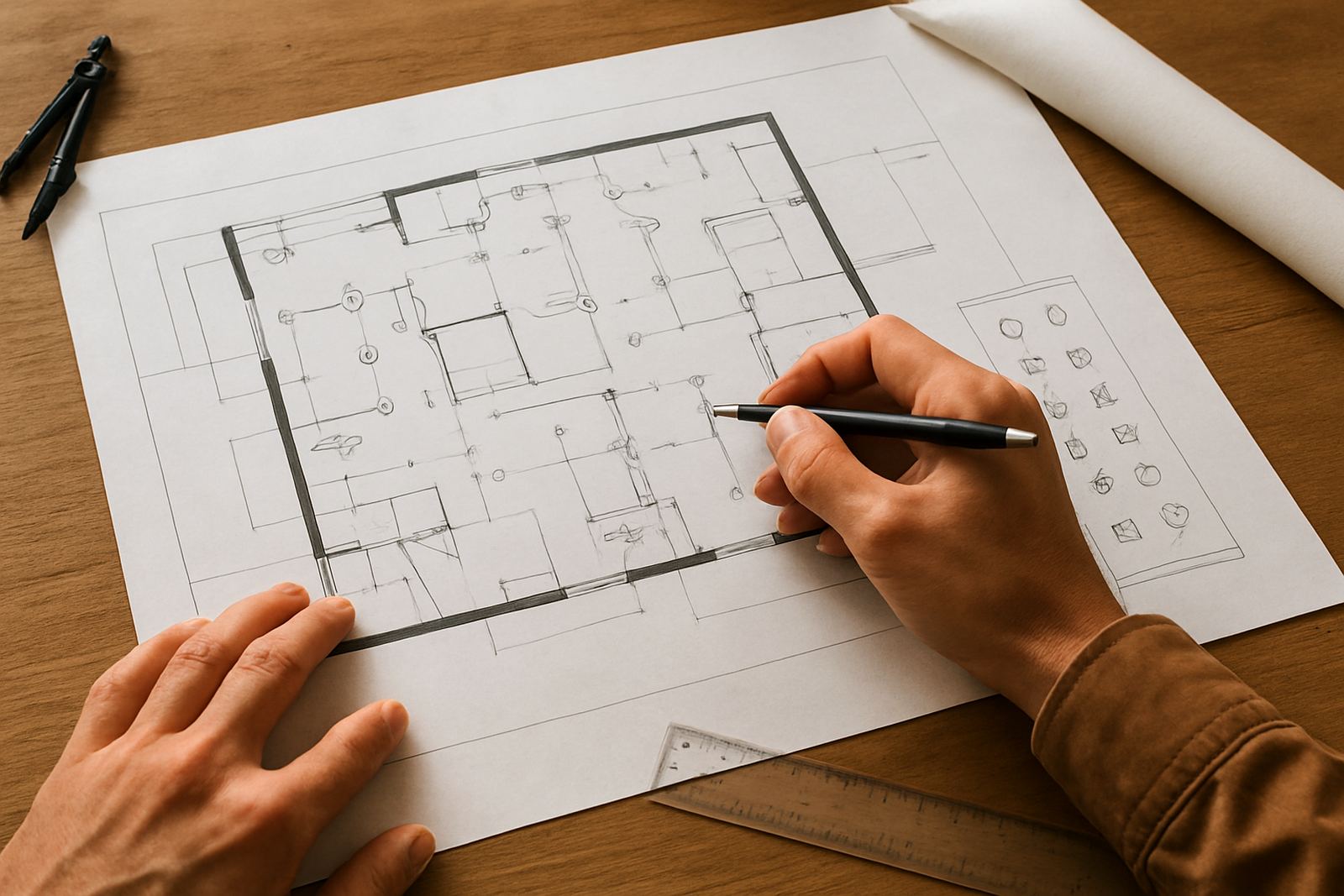
Paper drawings and shop drawings can only tell you so much. A lamp that looks right on a schedule can still throw too much glare onto a till point, leave a menu area too dim, or wash out a textured wall once it is installed. Our mockups and samples service puts the fixture into the actual space so you can see the effect before full ordering.
This is especially useful for shopfronts on busy streets, restaurants with mixed ambient and accent lighting, and homes where ceiling height, wall colour and daylight change the result from room to room. In Rosebank, Sandton, Pretoria, Midrand, Cape Town, Durban and Umhlanga, we often work with different power conditions, daylight levels and building finishes, so a real test reduces costly rework later.
- Check beam spread against shelving, tables or signage
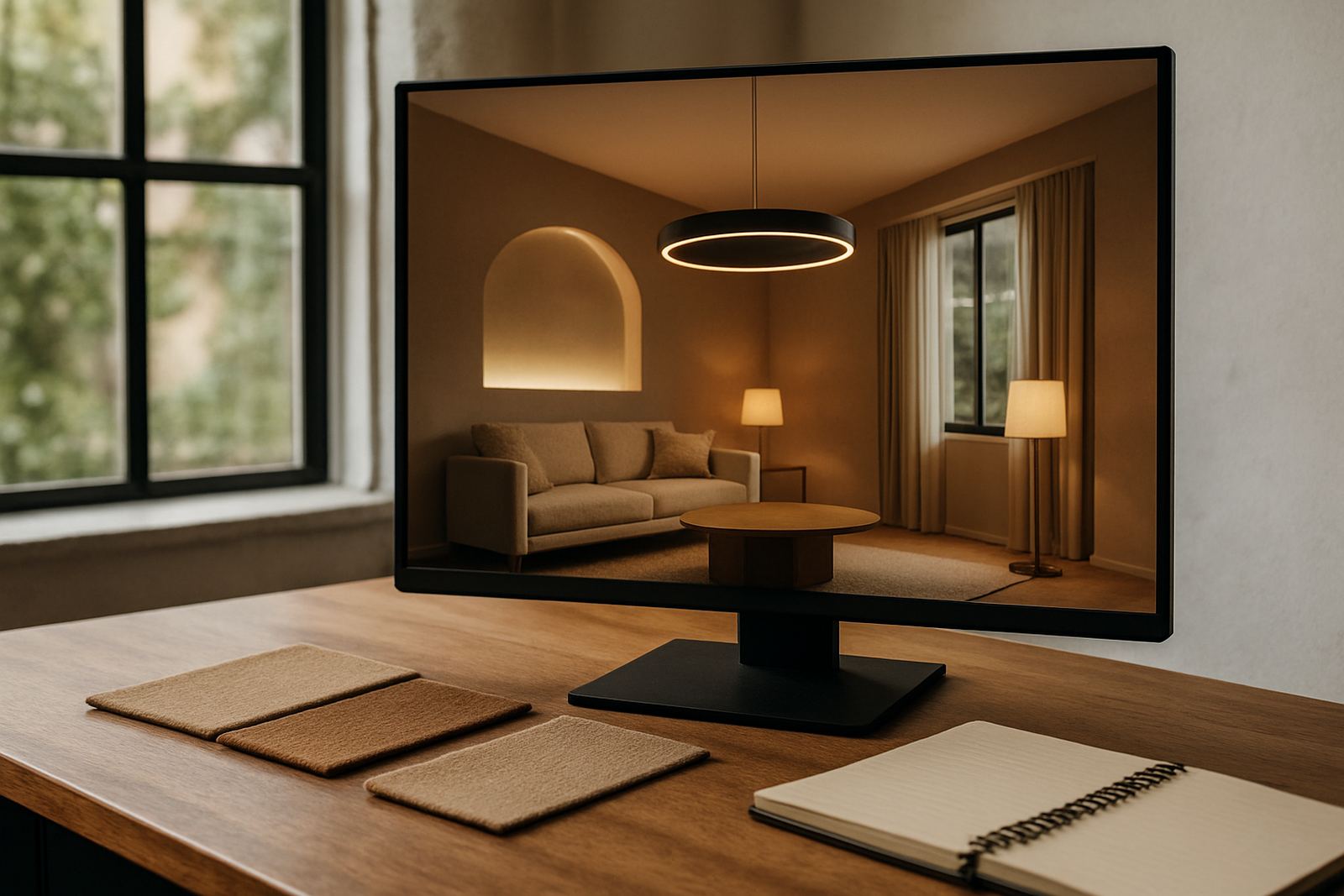
- Compare colour temperature against paint, timber, stone and fabric
- Confirm fitting size, trim finish and visual weight in the room
- Test glare control from customer and staff eye level
What is included in a mockup visit
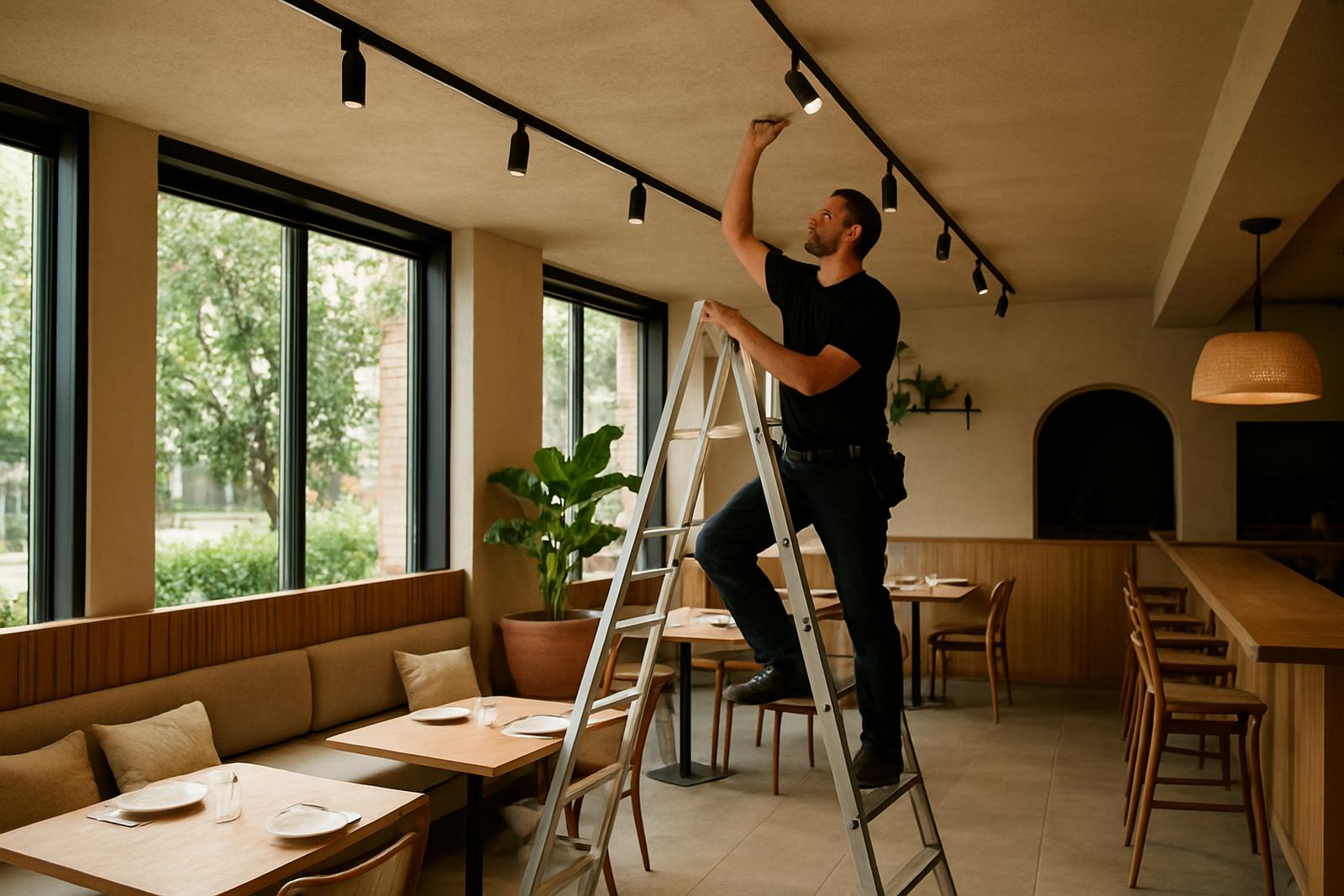
Each mockup is planned around the lighting brief and the site conditions. We bring selected sample fittings, test lamps and control options, then position them where the final installation is expected to land. The focus is practical: how the light falls, how it feels and how it works with the architecture.
Depending on the project, the visit may include temporary mounting, aiming, dimming checks and side-by-side comparisons. If the space is already trading, we keep disruption tight and work around service hours where possible.
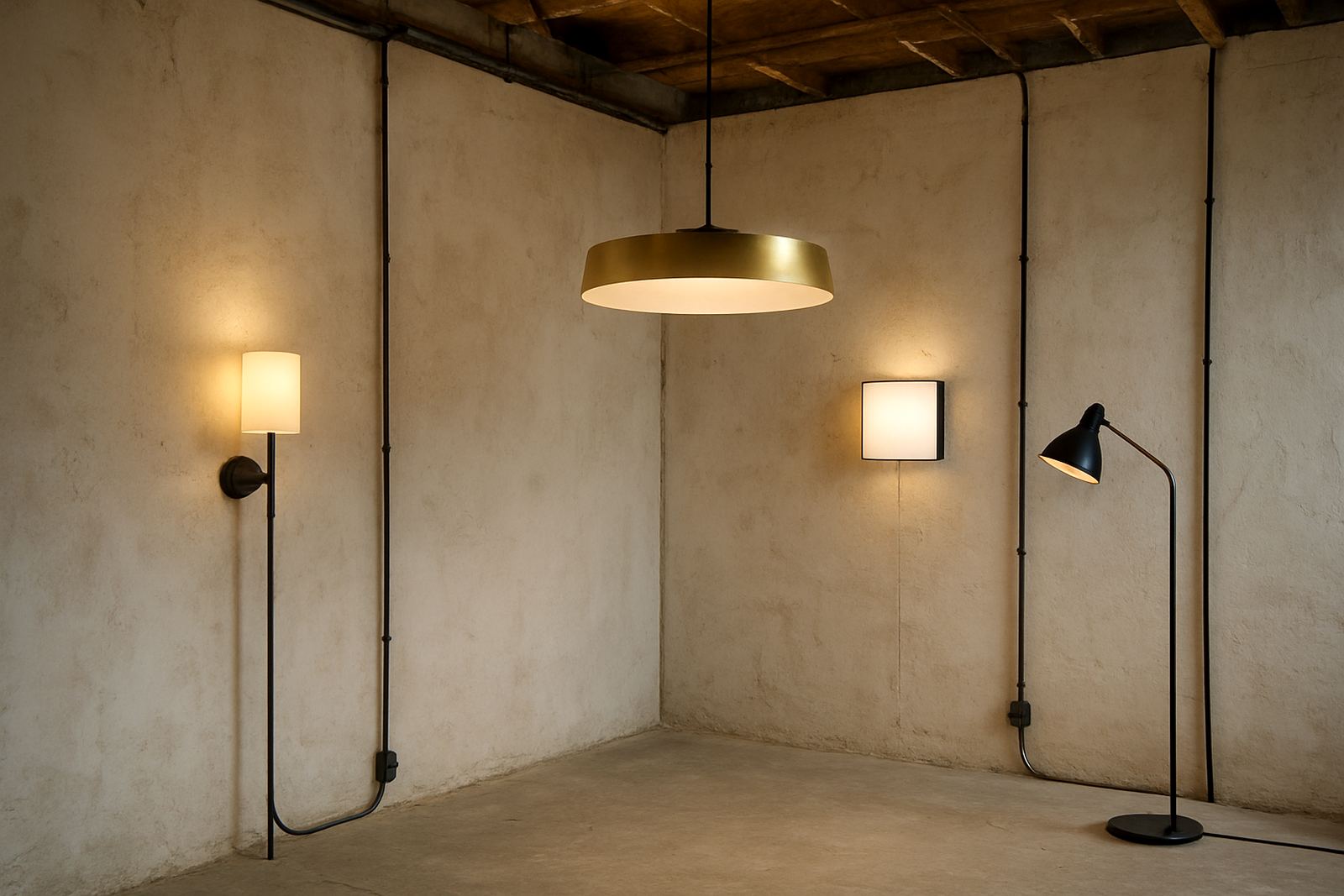
- Sample fittings in chosen beam angles and finishes
- Colour temperature options, typically 2700K to 4000K for warm to neutral spaces
- Beam checks from 10 degree to 60 degree spread where relevant
- Basic dimming and control trials, including scene changes
- Photographs and notes for final sign-off
How the mockup process works
We start by reviewing the concept, site drawings and the areas that need verification. For a restaurant this might be the entrance feature, the bar and the table line. For a shopfront it may be the fascia, window display and interior accent points. For a home it could be a double-volume wall, kitchen island or passage ceiling.
Once we know the test goals, we select the fittings and agree on the test date. On site, we check ceiling heights, mounting points, access and available power. If necessary we use temporary extension leads and safe test gear so the comparison is clear. After the trial, we document the result and advise on any adjustments before procurement. Small change now, saves trouble later.
- Step 1: review drawings, photos and project brief
- Step 2: select sample fittings and lamps
- Step 3: carry out site setup and aiming
- Step 4: assess results with the client or contractor
- Step 5: issue feedback for final fixture specification
Turnaround times and when to book
For straightforward projects, a mockup can often be arranged within 3 to 7 working days after the brief is confirmed, depending on stock availability and site access. Larger or more detailed trials, especially where multiple lamp types or control scenes need to be tested, may take longer. If a project is on a tight programme, we recommend booking as soon as the layout is settled.
We also advise early mockups for spaces affected by load-shedding, reflective finishes or strong coastal humidity, because these factors can influence both appearance and maintenance. In Durban and Umhlanga, for example, fittings may need different corrosion resistance than the same design used inland. In Cape Town, wind, salt air and bright natural light can change the way a fitting is viewed during the day and at night.
Where a project is moving fast, we can prioritise the main decision points first, then follow with secondary areas once the preferred fitting is confirmed.
Pricing approach for samples and trials
Mockups are quoted according to the number of fittings tested, the complexity of the aiming or control setup, travel time, and whether temporary installation support is required. We keep pricing clear so you know what is included before the visit takes place. If the project only needs a quick beam comparison, the cost is modest. If it needs several fixtures, dimming scenes and a full site report, the fee is higher.
On larger projects, the mockup cost may be separated from the final lighting order and credited back in part when the full specification is confirmed. This depends on the scope and the agreed procurement path. We are upfront about this from the start so the numbers stay clean and there are no surprises.
- Site assessment and travel
- Sample fixtures and lamps used for the trial
- Temporary mounting or test labour
- Feedback notes, photos and specification adjustments
- Optional re-test if the scope changes after review
Care, maintenance and follow-up checks
Mockups are not only about selection, they also help set up the maintenance plan. Once the final lighting is installed, fittings should be checked after the first few weeks of use to confirm aim, brightness and control settings. This is especially important in restaurants and retail spaces where furniture moves, displays change and ceiling access may be limited.
For most projects we suggest a post-install review within 2 to 6 weeks, then scheduled checks every 6 to 12 months depending on usage, dust levels and exposure. In coastal areas or high-traffic commercial spaces, the interval may be shorter. During these visits we confirm that lenses are clean, fixings are tight and the original lighting effect is still holding.
- Check first month after installation for aim and output
- Clean lenses and trim surfaces as required by environment
- Review scenes and dimming after furniture or display changes
- Inspect coastal fittings more often where salt air is present
Who benefits most from sample testing
Mockups are useful wherever the lighting has to do more than simply switch on. Retailers use them to protect display quality and reduce glare on glass fronts. Restaurant owners use them to get the right mood without leaving service areas too dark. Homeowners use them to make sure a feature wall, staircase or kitchen island looks correct in the evening as well as in daylight.
If you are comparing warm white against neutral white, if the ceiling is high, or if the room has mixed finishes and natural light from multiple sides, a sample test is worth it. It gives you a proper basis for sign-off and helps the final result match the intention rather than the guess. That is the point of the exercise, really.
Illumin8d works from Rosebank, Johannesburg and supports projects across Johannesburg, Pretoria, Midrand, Cape Town, Durban and Umhlanga. For mockups and samples, we keep the process practical, on time and specific to the space at hand.
Key facts
| Test fit options | Temporary mounting, handheld comparison or short-term on-site installation |
|---|---|
| Colour temperature range | Typically 2700K, 3000K, 3500K and 4000K |
| Beam spread range | Common trial angles from 10 degree to 60 degree |
| Turnaround | Usually 3 to 7 working days for standard trials |
| Maintenance review | First check after 2 to 6 weeks, then every 6 to 12 months |
| Service area | Rosebank, Sandton, Pretoria, Midrand, Cape Town, Durban, Umhlanga and wider South Africa |