
Lighting controls planned around real daily use
Good lighting control is not only about switching lights on and off. It is about making sure the space works at 7am, at lunch, after sunset, during a private function and when the cleaners come through at 10pm. We plan control systems for shopfronts, restaurants and homes that let you choose the right scene without confusion.
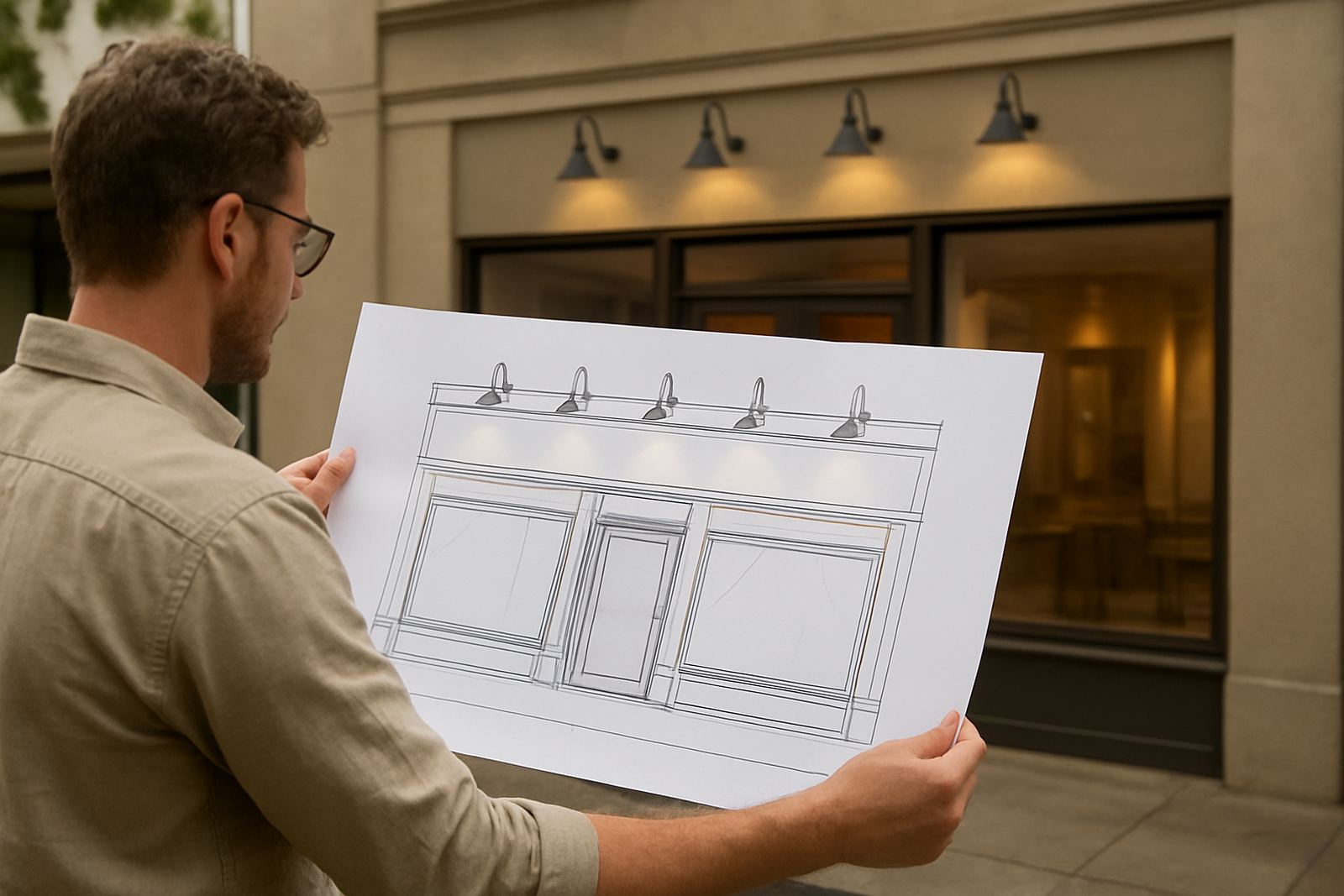
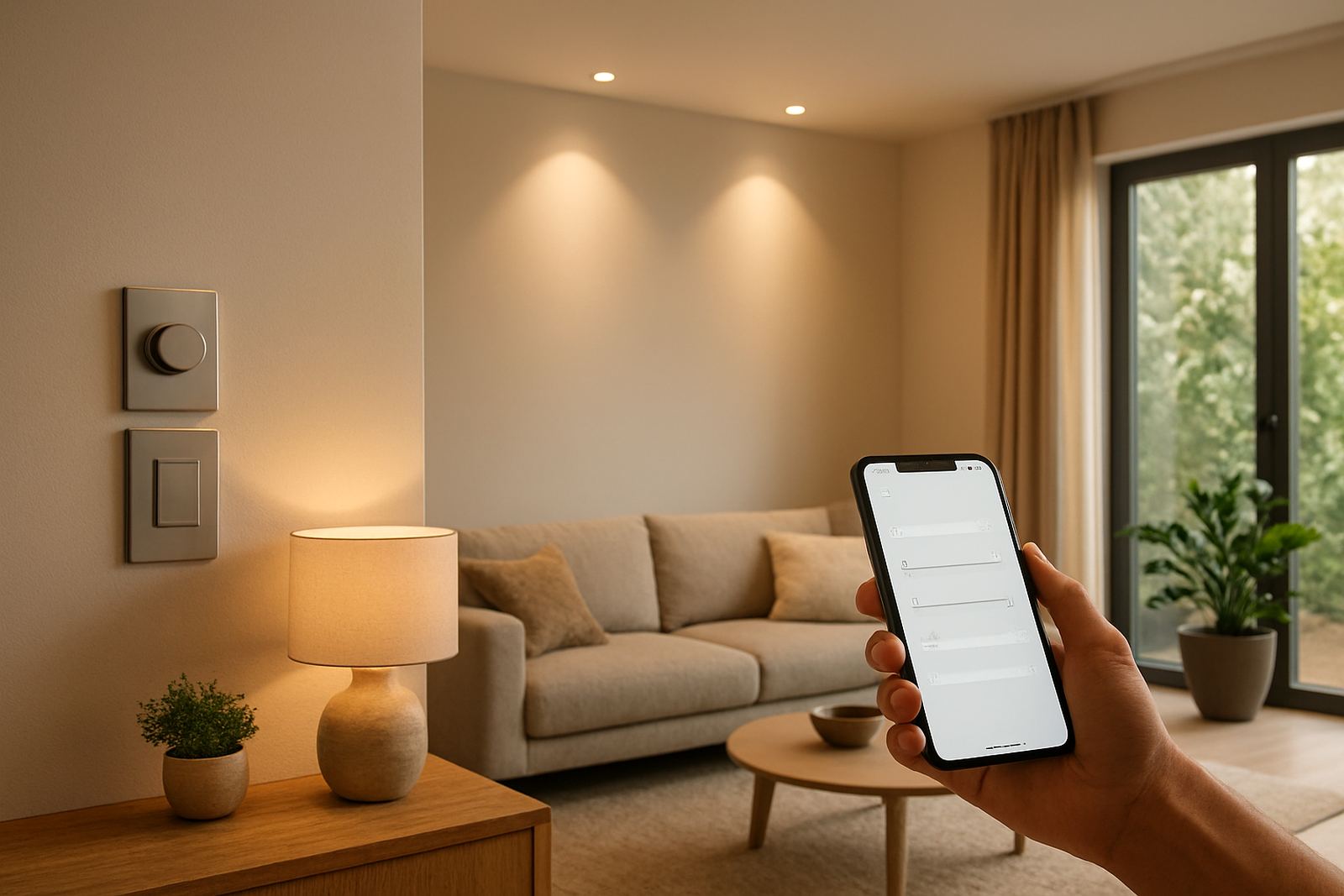
For retail spaces in Sandton or Pretoria, that may mean bright daytime settings for product display, a lower evening setting for the window, and a separate cleaning scene. For restaurants in Cape Town, Durban or Umhlanga, we often specify warmer levels for dinner service and a stronger task setting for prep and close-down. In homes, the aim is simple operation with enough flexibility for family time, entertaining and security lighting.
What our control design service includes
We prepare the control plan alongside the lighting layout so fittings, circuits and scenes all work together. The result is cleaner wiring, fewer surprises on site and controls that are easier to use by staff or family members.
- Scene planning for day, night, service, display and event settings
- Dimming strategy for LED fittings, strips and decorative pendants
- Switching schedules for grouped areas, feature points and back-of-house zones
- Control zoning for shopfronts, dining areas, living spaces and exterior lighting
- Interface guidance for wall plates, keypads, sensors and timer functions
- Load checks for driver compatibility, wattage limits and circuit grouping
- Integration notes for emergency lighting, occupancy sensors and blackout protection
We also look at practical issues such as load-shedding recovery, coastal humidity in places like Umhlanga and Durban, and whether the site needs simple manual fallback if a control component fails.
How the process works from brief to sign-off
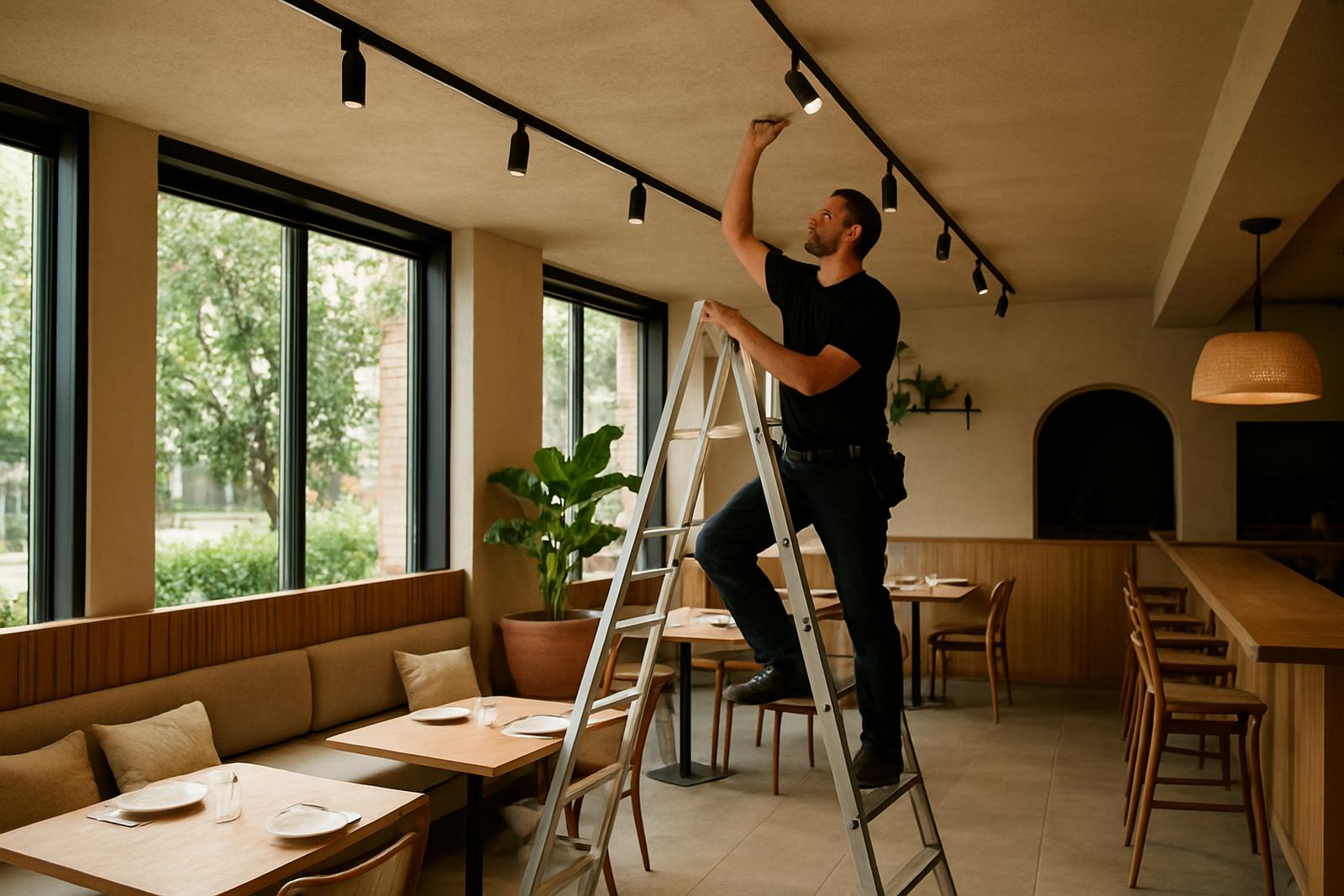
Every project starts with a proper brief. We want to know how the space is used, who will operate it, what time the business opens and closes, and what kind of mood is needed in each area. Mandla Ndlovu and the team then turn that into a control concept that suits the project size and budget.
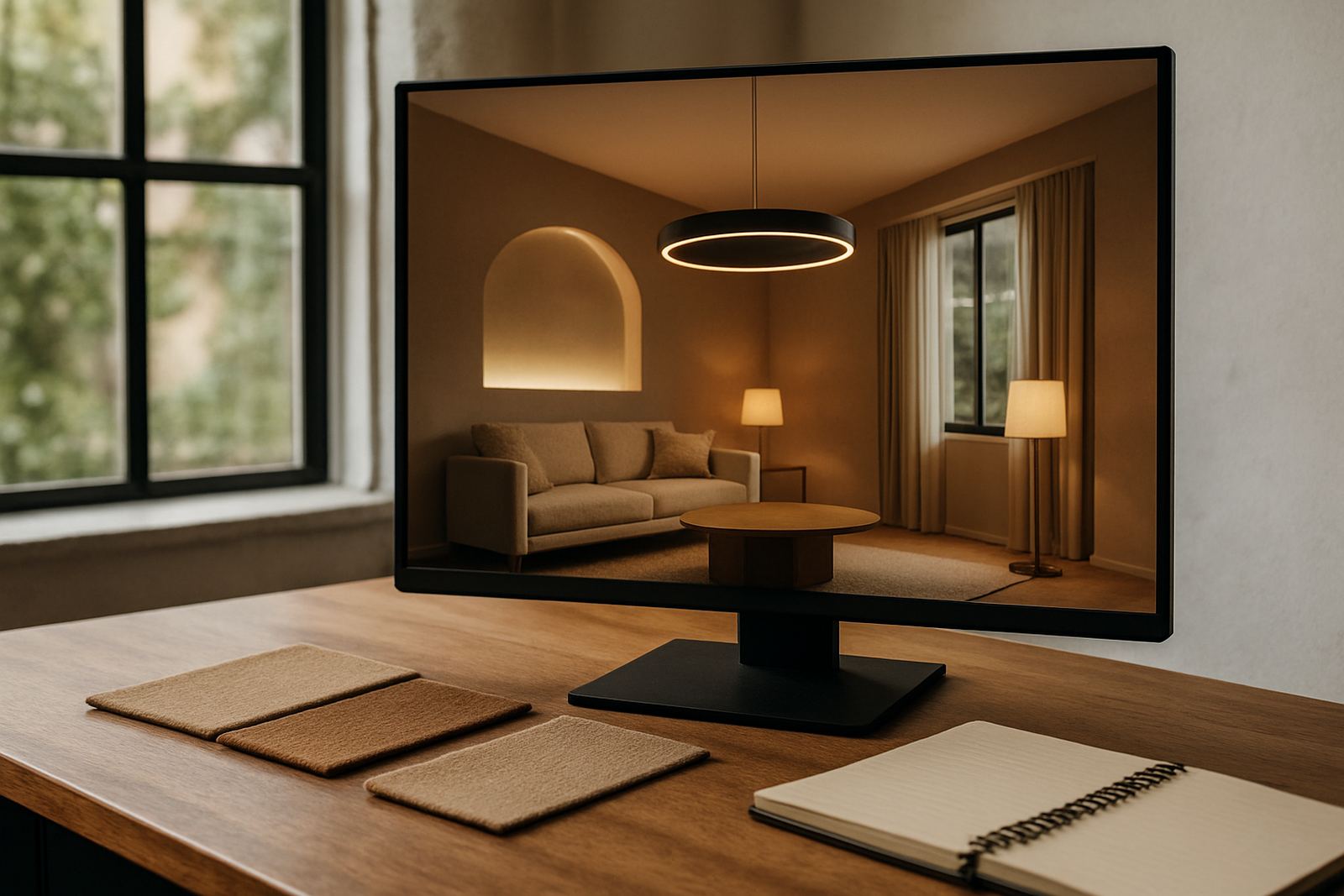
Our process is usually straightforward: first we review the lighting layout and identify the zones, then we define the scenes and switching logic, then we prepare the control schedule and coordination notes for the installer. If mockups or samples are required, we use them to check brightness levels and colour temperature at practical heights, not just on paper.
- Brief review and site or plan assessment
- Scene matrix for each area and time of use
- Control schedule showing circuits, dimming and switching groups
- Coordination with the electrical contractor and other project team members
- Final review before installation or during site installation checks
Technical details we check before anything is specified
Lighting controls must match the fittings, drivers and power load on site. If the wrong control type is used, lights can flicker, buzz or fail to dim properly. We check the numbers early so the final system is practical and dependable.
Typical considerations include 0-10V or phase dimming compatibility, driver inrush current, circuit loading, switching capacity, and whether the scene count should be kept simple for daily use. For larger projects, we will map control zones so a restaurant can run the bar, tables, feature wall and exterior signs separately. For homes, we often keep the number of scenes modest so the owner can use it without a learning curve.
Where municipalities or building rules require emergency lighting or specific access routes, those circuits are kept independent and clearly identified. That matters in mixed-use buildings and in retail centres where tenant fit-outs must still align with house rules.
Turnaround time and pricing approach
Most control design packages are turned around in 3 to 7 working days once we have the drawings, product list and site brief. Larger sites, or projects that need revisions after a site visit, can take a little longer. If the lighting scheme is still changing, we may phase the control work so the core plan is issued first and the finer points follow.
Pricing is based on project size, the number of zones and scenes, whether we are working from existing fittings or a full lighting package, and the level of coordination needed with the installer. Simple residential work is quoted differently from a multi-area restaurant or a shopfront with display windows, exterior signs and timed night scenes. We keep the scope clear up front so there are no hidden extras later.
- Small home projects: basic scene planning and switching guidance
- Mid-size hospitality or retail sites: multi-zone control schedules and coordination notes
- Complex sites: advanced dimming, interface planning and phased support through installation
Maintenance intervals and ongoing support
Controls need occasional review, especially where the layout changes or the lighting has been adjusted after opening. We recommend a maintenance check every 6 to 12 months for commercial spaces, and after any major change to furniture, displays or operating hours.
During a maintenance visit, we look at scene performance, failed switches, driver compatibility, sensor response and whether staff are actually using the system as intended. A shopfront in Johannesburg may need seasonal changes for daylight and trading hours, while a restaurant in Cape Town may need softer evening settings in winter and a brighter lunch scene in summer. Small tuning makes a big difference.
If a site has recurring power interruptions, we can also advise on restart logic and what should happen when power returns. That avoids lights coming back on in the wrong scene or at full output when the premises are still closed.
Who this works best for
Control Design is a strong fit for owners and tenants who want the lighting to do more than just stay on. It suits shopfronts that need a striking window display after dark, restaurants that want different moods through the day, and homes where security, comfort and easy operation all matter.
From Rosebank and Sandton through to Midrand, Pretoria, Cape Town, Durban and Umhlanga, our approach stays practical. We plan for how people use the space, not just how it looks on a drawing. That is what keeps the system useful long after handover.
Key facts
| Service area | Rosebank, Sandton, Pretoria, Midrand, Johannesburg, Cape Town, Durban and Umhlanga |
|---|---|
| Typical turnaround | 3 to 7 working days for standard control design packages |
| Scene range | Day, night, service, display, cleaning and special occasion scenes |
| Common control methods | Dimming, switching, timers, sensors and grouped zone control |
| Compatibility checks | LED drivers, wattage load, inrush current and dimming method |
| Maintenance interval | Every 6 to 12 months, or after major layout or use changes |